


At a glance
Certain essential oils have analgesic, anti-inflammatory, and antibacterial properties that can help alleviate toothache pain. Oils such as clove, peppermint, cinnamon, and frankincense are commonly used to alleviate dental discomfort, while aromatherapy oils like lavender may help reduce stress associated with dental pain.
While essential oils aren’t a substitute for professional dental care, they can help alleviate toothache pain and may improve symptoms of gum disease.
Clove oil, peppermint oil, cinnamon oil, and frankincense oil have analgesic and antibacterial properties, making them some of the best essential oils for toothache.
Learn about the best natural remedies for dental pain.
What are essential oils?
Essential oils are highly concentrated plant extracts that contain complex aromatic substances and bioactive plant chemicals such as aldehydes, fatty acids, phenols, esters, alcohols, nitrogen, and sulfur compounds.
There are more than 100 pure essential oils derived from different parts of plants, such as flowers, leaves, stems, bark, and roots.
Different essential oils have unique chemical compositions, which explains why essential oils have such a wide range of potential medicinal, therapeutic, aromatic, and culinary uses.
Watch the video below to learn how to use clove oil for a painful tooth.
What causes toothaches?
Toothaches can be excruciatingly painful and strike without warning.
Dietary habits play a significant role in oral health, and it’s well established that a high-sugar and carb diet significantly increases the risk of caries and oral thrush, the leading causes of tooth decay and gum diseases, including periodontitis and gingivitis.
According to a report published by the American Dental Association (ADA), “The relationship between caries and carbohydrates is fairly well understood. Dental hard tissues are demineralized by acidic by-products produced by bacteria via the fermentation of dietary carbohydrates. Carbohydrate consumption is, therefore, an important nutritional factor in the development of caries.”
Common causes of toothaches include:
- Cavities and tooth decay
- A fractured or damaged tooth
- Gum disease
- A broken or loose filling
- Oral abscess
- Sensitive teeth or gums
- Oral infections

How do essential oils help with tooth pain?
Several essential oils have anti-inflammatory properties that have been found to help reduce inflammation and swelling associated with tooth pain and irritated gum tissue.
“Many essential oils don’t just help relieve pain,” explains Dr. Berg. “They also possess antibacterial and anti-inflammatory properties, which may ease the symptoms of bacterial tooth infections and gum disease.”
Other essential oils, such as bergamot and lavender oil, have relaxing and calming properties that can be used as aromatherapy to reduce stress and anxiety associated with dental pain.

Seven best essential oils for toothaches
The use of essential oils in dentistry dates back to ancient civilizations, where plant extracts were utilized for various oral health purposes.
Essential oils continue to play a role in modern dental care, and research is ongoing to investigate their antimicrobial, anti-inflammatory, and analgesic properties for the management of oral infections and toothaches, as well as for promoting overall oral health.
Here are seven of the best essential oils for toothaches.
1. Clove essential oil
Clove oil has been used to manage toothaches for centuries.
A study published in the Avicenna Journal of Phytomedicine suggests that eugenol, a potent bioactive compound in clove oil, modulates pro-inflammatory prostaglandins responsible for the swelling and pain associated with a toothache.
This explains why clove oil can act as a natural anesthetic and may help temporarily relieve tooth pain.
2. Peppermint essential oil
Peppermint oil is a rich source of menthol, which has cooling effects and can alleviate pain sensations.
Menthol is also an antimicrobial agent that may combat potentially harmful bacteria linked to tooth decay and gum disease.
3. Cinnamon essential oil
Cinnamaldehyde, a plant compound derived from cinnamon, exhibits potential antimicrobial activity against various oral microbes, including bacterial strains and yeasts associated with dental infections.
By inhibiting microbial growth, cinnamon essential oil may be beneficial in helping manage toothaches caused by oral infections.
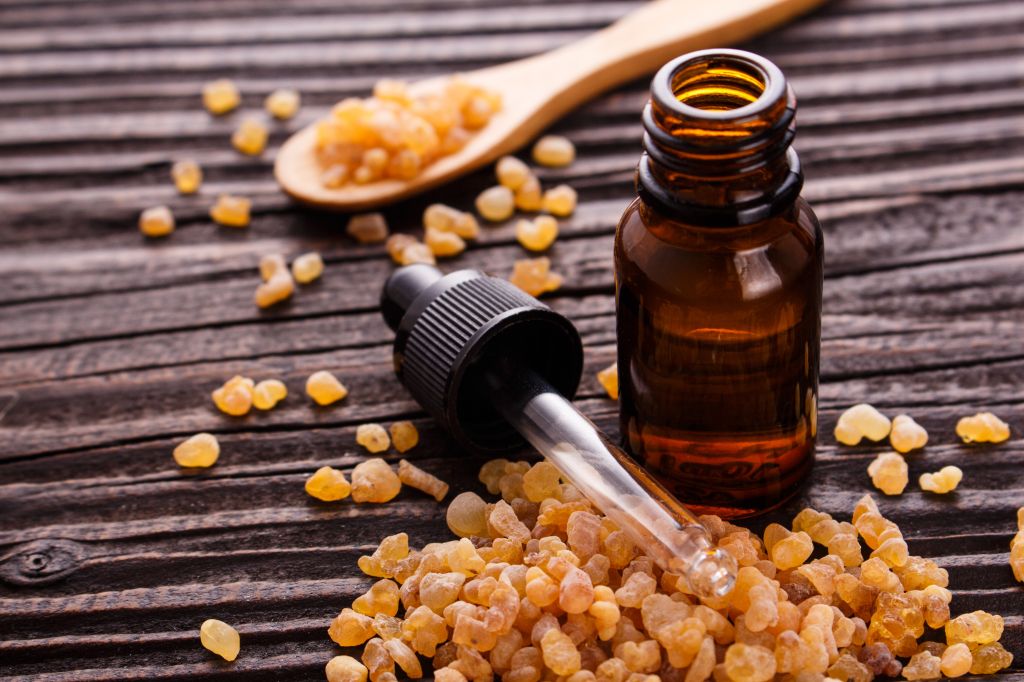
4. Frankincense essential oil
Frankincense essential oil, also known as olibanum oil, is derived from Boswellia tree resin.
While it’s not typically used for pain relief, frankincense oil possesses anti-inflammatory properties that may help reduce inflammation and benefit inflammatory gum conditions such as gingivitis or periodontitis.
5. Tea tree essential oil
Tea tree oil can help remove dental plaque and lower the risk of tooth decay.
It’s also a rich source of powerful antibacterial plant extracts with anti-inflammatory effects that can help reduce inflammation and swelling in the oral cavity.
6. Pine oil
Pine oil may have mild pain-relieving properties when topically applied to gum tissue.
Diluted pine oil can also be used as an effective antiseptic mouthwash that may inhibit the buildup of plaque and has been found to prevent microbial-related bad breath.
7. Green tea essential oil
Green tea essential oils and extracts are often found in natural toothpaste and dental rinses.
Green tea has many health benefits and is a rich source of antioxidants, such as catechins and polyphenols. These antioxidants may help reduce the risk of oral diseases and inflammation in the mouth.

How to use essential oils for toothaches
Essential oils are highly concentrated and may cause skin irritations when applied directly to sensitive gum tissue, and it’s crucial to use these oils in diluted form to manage toothaches.
It’s generally recommended to mix two to three drops of essential oil with a carrier oil like coconut oil. Soak a clean cotton ball in the diluted oil mixture, gently apply it to the affected area, and hold it in place for around five minutes.
To counteract muscle tension and stress caused by dental pain, use calming lavender essential oil in a diffuser, add a few drops to your bathwater, or gently massage diluted lavender oil onto wrists, temples, and the back of the neck.

When to see your dentist
While some cases of mild toothache or gum irritation may be managed with essential oils, more severe cases of dental pain can indicate a fractured tooth, abscesses, or gum disease.
If you are experiencing persistent or severe tooth pain, difficulty swallowing, bad breath, a foul taste in the mouth, or any discharge from the gums, it’s crucial to consult a dentist for a thorough dental evaluation.
Key takeaways
- Essential oils such as clove, peppermint, cinnamon, frankincense, tea tree, pine, and green tea oils may offer pain relief and antimicrobial benefits for dental health.
- Anti-inflammatory compounds in essential oils can help reduce swelling and discomfort in teeth and gums.
- Essential oils must be diluted with carrier oils, such as coconut or olive oil, before applying them to sensitive gum tissue to avoid irritation.
- Aromatherapy with oils like lavender may help ease stress and tension associated with toothaches.
- While potentially beneficial for temporary relief, persistent or severe dental pain requires professional evaluation.
FAQ
- 1. What essential oil is best for a toothache?
- 2. How can I get immediate relief from a toothache?
- 3. Where do you put peppermint oil for a toothache?
- 4. Can you put tea tree oil on your toothache?
- 5. Is clove oil good for tooth pain?
- 6. How can I stop nerve pain in my tooth with essential oils?
- 7. Can essential oils really help with toothaches?
Sources:
- Nutrition and Oral Health. ada.org. Accessed 2026. https://www.ada.org/resources/ada-library/oral-health-topics/nutrition-and-oral-health
- https://pmc.ncbi.nlm.nih.gov/articles/PMC4075701/
Related Articles
-
Coconut Oil Pulling Dangers and Benefits
 Natural remedies
Coconut Oil Pulling Dangers and Benefits
At a glance Coconut oil pulling is a traditional oral care practice that involves swishing oil in the mouth to support gum health. Coconut oil is commonly used due to…01/30/2026 5.6k views -
Oral Lichen Planus Home Remedies
 Natural remedies
Oral Lichen Planus Home Remedies
At a glance Oral lichen planus is a chronic inflammatory condition that affects the mouth, causing painful sores, white patches, and irritation. While there’s no cure, natural remedies such as…12/31/2025 11.4k views -
How to Help Prevent Tonsil Stones: Tips for a Healthy Mouth
 Health concerns
How to Help Prevent Tonsil Stones: Tips for a Healthy Mouth
Tonsil stones are calcified debris in the tonsils that can lead to bad breath, a sore throat, and difficulties swallowing. They often occur due to poor oral hygiene, enlarged tonsils,…11/28/2025 12k views -
Teeth Whitening at Home: Natural Ways to Whiten Your Teeth
 Health concerns
Teeth Whitening at Home: Natural Ways to Whiten Your Teeth
At a glance Teeth can gradually turn yellow and lose their natural brightness as enamel wears down and surface stains from coffee, tea, red wine, and smoking build up. At-home…04/08/2025 2k views


