

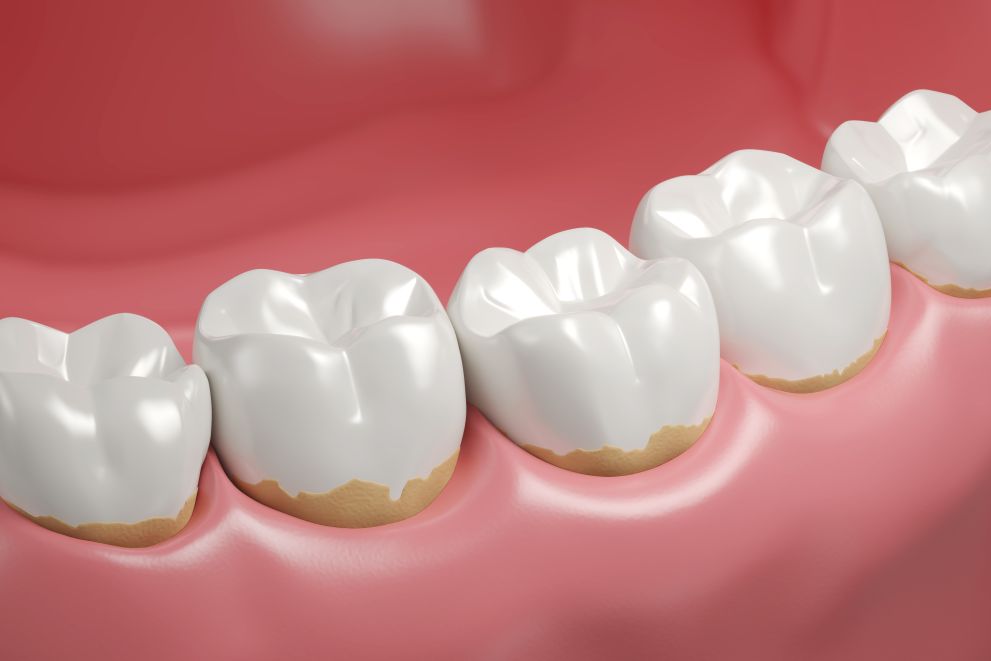
Dental plaque is a sticky film of bacteria that naturally forms on your teeth after eating or drinking.
While it’s a normal occurrence, allowing dental plaque to accumulate can stain your teeth, affect the appearance of your smile, and diminish the cleanliness of your mouth.
Fortunately, there are several natural ways to remove dental plaque with simple but effective remedies that can help maintain oral freshness and support cleaner, healthier teeth.
What is dental plaque?
Dental plaque is a sticky film that forms when naturally occurring bacteria in the oral cavity combine with saliva and food particles on the tooth surface.
This coating consists of oral microbial species, including Streptococcus mutans, which have been linked to playing a role in the early stages of tooth decay.
If dental plaque isn’t removed through regular cleaning, it can harden into dental calculus, also known as tartar.
As plaque accumulates along the gum tissue, it can trigger irritation and, in some cases, even contribute to severe gum disease.
Left unaddressed, plaque buildup may progress and lead to periodontal disease, an oral health issue that can damage the soft tissue and destroy the jawbone matrix that supports the teeth.
The metabolic by-products and acids produced by dental plaque bacteria can also weaken tooth enamel, thereby increasing the risk of carious lesions, commonly referred to as cavities.
Therefore, proper oral hygiene and regular visits to a dental professional help maintain a balanced oral environment and support long-term dental health.
Watch the video below to learn about the best remedy for dental plaque.
What causes dental plaque?
Several lifestyle habits and dietary factors can contribute to plaque formation, which can lead to persistent tartar buildup along the gum line and chewing surfaces.
Here are the most common causes of tooth plaque development.
1. Poor oral hygiene
Neglecting daily brushing and flossing allows potentially harmful oral microbial communities to form persistent biofilms that adhere to the teeth and gums.
Over time, this plaque buildup can trigger irritation and inflammation, causing the gums to bleed easily and signaling that the mouth’s natural balance is disrupted.
According to recommendations released by the American Dental Association (ADA), brushing twice daily with a soft-bristled toothbrush and cleaning between teeth with floss or another interdental cleaner once a day supports good oral health.
2. High-carb diet
Frequent consumption of sugary and starchy foods provides plaque bacteria with a source of fuel, thereby increasing the release of acids that erode tooth enamel.
Furthermore, research published in StatPearls notes that frequent sugar intake allows bacteria to release acids more often, which can gradually weaken the enamel and support plaque formation.
Together, these factors contribute to tooth plaque buildup and leave the tooth surface more vulnerable to irritation along the gum line.
3. Food debris
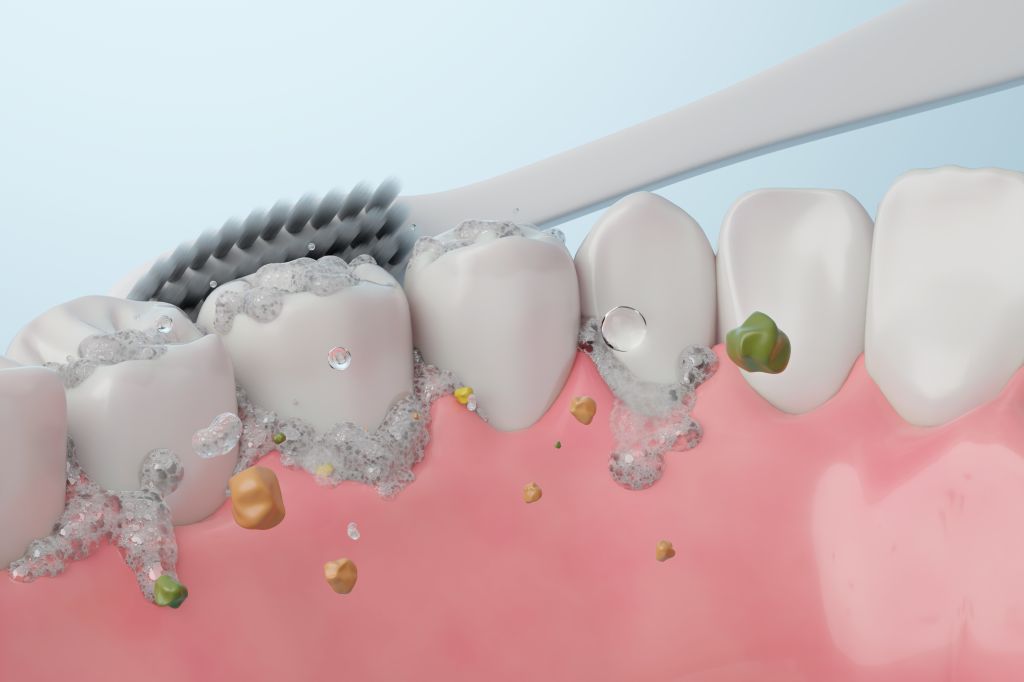
Tiny particles of food debris left behind after meals serve as a nutrient source for bacteria, promoting faster plaque formation.
These particles tend to lodge between teeth and along the chewing surfaces, reinforcing the need for regular dental cleanings to maintain oral balance.
If this debris isn’t removed, it can combine with saliva and minerals to form a rough surface that attracts more bacterial growth.
Additionally, leftover food particles can contribute to bad breath and increase the risk of tooth decay and gum issues.
4. Dry mouth
A lack of saliva in the mouth reduces the body’s natural ability to wash away bacteria and food particles.
Saliva also helps maintain the proper pH balance in the mouth, supporting its natural defenses against harmful bacteria and plaque buildup.
This has been confirmed by the National Institute of Dental and Craniofacial Research (NIDCR), summarizing, “Dry mouth increases the risk for tooth decay or fungal infections in the mouth because saliva helps keep harmful germs in check.”
When saliva production decreases, often due to dehydration, certain medications, or mouth breathing, dental plaque can develop more quickly.
Encouraging saliva flow by drinking plenty of fluids or chewing sugarless gum can help keep the mouth clean and comfortable.

5 natural ways to remove dental plaque
While professional care from a dental hygienist remains essential, incorporating simple habits into your daily routine can help minimize the risk of dental plaque buildup.
Here are five natural methods to help reduce plaque while supporting overall oral health.
1. Saltwater rinses
A gentle saltwater rinse can help maintain oral balance by reducing excess bacteria and soothing irritated gum tissue.
Daily use of a saltwater rinse has been shown to reduce levels of Streptococcus mutans, a bacterium associated with plaque buildup. It also helps neutralize acids and leaves the mouth feeling fresher and cleaner.
To prepare a saltwater rinse, dissolve approximately half a teaspoon of sea salt in a cup of warm water and stir until the mixture is thoroughly combined.
2. Brush with baking soda
Brushing teeth with baking soda is a natural way to help polish teeth and reduce surface buildup.
A study published in the International Journal of Dental Hygiene supports this claim, reporting that toothpaste formulated with baking soda was more effective at reducing plaque buildup and reducing gum bleeding than those without it.
When used in moderation as part of a proper oral hygiene routine, baking soda can help smooth tooth surfaces and maintain a healthy pH balance in the mouth.
3. Use aloe vera
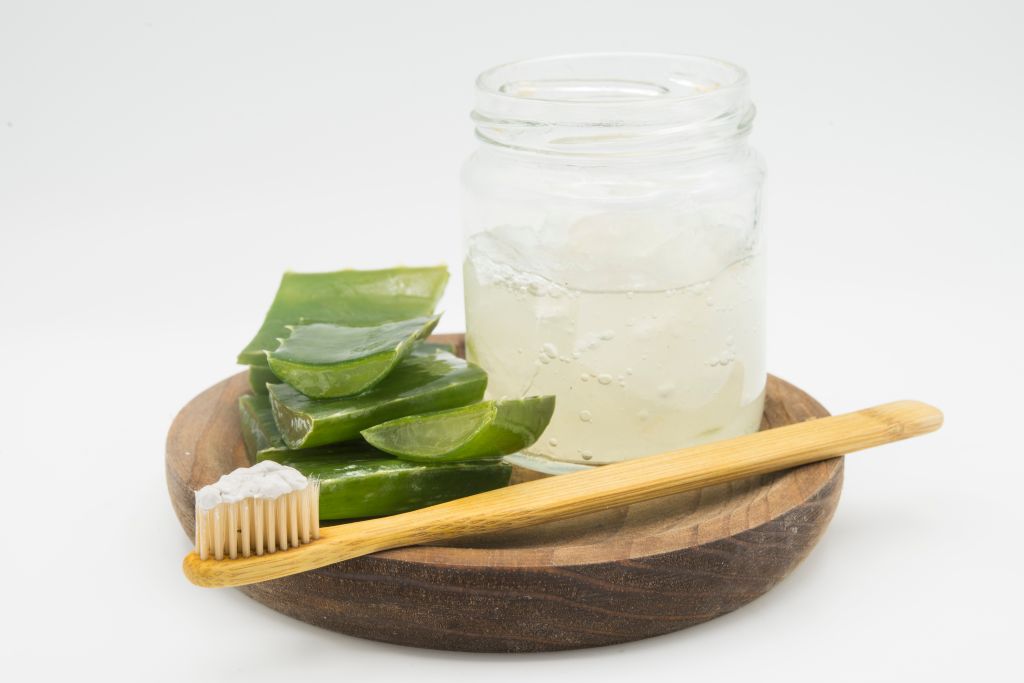
“Aloe vera contains bioactive compounds such as anthraquinones, saponins, and polysaccharides, which can assist in lowering the activity of oral bacteria and supporting gum health,” explains Dr. Berg.
These oral-health-enhancing components can help break down plaque biofilm while soothing gum tissue and maintaining oral balance.
Additionally, aloe vera’s natural enzymes and antioxidants help reduce oral bacteria and inflammation, promoting a cleaner mouth and a smoother feel on the teeth.
4. Eat crunchy foods
Eating crunchy foods like celery, cucumbers, and bell peppers naturally helps clean tooth surfaces by stimulating saliva flow and gently scrubbing away food particles.
These fibrous textures act as a mild abrasive, supporting cleaner enamel and helping reduce plaque accumulation.
Additionally, low-carb, crunchy vegetables promote jaw movement and increase saliva production, which helps wash away oral pathogens and naturally reduce bad breath.
5. Green tea rinse
Rinsing your mouth with cooled green tea provides natural antioxidants, such as catechins, which may help reduce harmful oral bacteria and support gum tissue health.
Research published in the Journal of Family Medicine and Primary Care suggests that green tea supports oral health by reducing inflammation and limiting the growth of bacteria linked to gum problems.

Tips for preventing plaque
Keeping plaque away starts with small, consistent habits that support a healthy smile.
It’s recommended to brush your teeth twice a day with a soft-bristle toothbrush. This helps gently clean along the gum line without causing irritation.
It’s also important to drink plenty of water throughout the day to rinse away food particles and maintain saliva flow.
Additionally, include foods rich in vitamin D and calcium, such as oily fish and cheese, to strengthen enamel and make teeth more resistant to plaque buildup.
You can also incorporate herbs, such as clove or peppermint, into your oral care routine for their mild antibacterial properties and naturally fresh taste.
Finally, avoiding snacks between meals is vital, as it gives your mouth time to neutralize acids and helps prevent plaque buildup.

Key takeaways
Practicing consistent oral care, such as brushing with baking soda, using aloe vera, and rinsing with salt water, can support oral health and may help reduce dental plaque buildup.
Incorporating crunchy foods, including celery, and staying hydrated also support gum health and promote enamel strength.
FAQ
- 1. How do I remove plaque from my teeth?
- 2. What is dental plaque?
- 3. What is the cause of dental plaque?
- 4. What’s the difference between plaque and tartar?
Sources
- Toothbrushes. ada.org. Accessed 2026. https://www.ada.org/resources/ada-library/oral-health-topics/toothbrushes
- https://www.ncbi.nlm.nih.gov/books/NBK534248/
- Dry Mouth. National Institutes of Health. Accessed 2026. https://www.nidcr.nih.gov/health-info/dry-mouth
- https://pmc.ncbi.nlm.nih.gov/articles/PMC6850485/
- Vyas T, Nagi R, Bhatia A, Bains SK. Therapeutic effects of green tea as an antioxidant on oral health- A review. J Family Med Prim Care. 2021;10(11):3998-4001. https://pmc.ncbi.nlm.nih.gov/articles/PMC8797077/
Related Articles
-
“Sugar-Free” Label Claims: What They Actually Mean
 Food and Drink
“Sugar-Free” Label Claims: What They Actually Mean
At a glance Sugar-free labels are commonly used on packaged foods and beverages to indicate minimal sugar content per serving. However, this claim is based on specific labeling criteria and…07/16/2026 -
Sugar Alcohols: What They Are and How They Affect Digestion
 Food and Drink
Sugar Alcohols: What They Are and How They Affect Digestion
At a glance Sugar alcohols are low-calorie sweeteners commonly used in sugar-free foods, chewing gum, desserts, and other processed foods. Unlike regular sugar, many sugar alcohols are not fully absorbed…05/21/2026 -
Do Artificial Sweeteners Break a Fast?
 Diet
DietDo Artificial Sweeteners Break a Fast?
At a glance Artificial sweeteners may seem like a convenient sugar substitute, especially during intermittent fasting. However, these synthetic, non-caloric sweeteners can disrupt the body’s fasting metabolism and may reduce…03/19/2026 -
10 Healthy Party Foods Everyone Will Love
 Diet
Diet10 Healthy Party Foods Everyone Will Love
At a glance Healthy party foods offer familiar flavors while supporting a low-carb lifestyle built around nutrient-dense ingredients, helping you stick to your health and wellness goals at celebrations. Here…12/05/2025 -
The Best and Worst Alternative Sweeteners
 Diet
DietThe Best and Worst Alternative Sweeteners
At a glance While some alternative sweeteners may serve as effective low-glycemic substitutes, others can spike blood sugar as much or even more than table sugar. Reading labels and knowing…04/09/2025 67.6k views -
The Best Alternative Sweeteners for Diabetics
 Health concerns
The Best Alternative Sweeteners for Diabetics
At a glance Many artificial sweeteners can contribute to gut imbalances, insulin spikes, or other metabolic issues, making them a poor choice for managing blood sugar. The best sweeteners for…04/09/2025 28.5k views -
What Is Erythritol?
 Nutrition
What Is Erythritol?
At a glance Erythritol is a sugar alcohol commonly used in keto and low-carb recipes because it provides sweetness without significantly affecting blood glucose or insulin levels. Most people tolerate…04/09/2025 14.9k views -
What Is Xylitol?
 Nutrition
What Is Xylitol?
At a glance Xylitol is a low-calorie sweetener used in many sugar-free products that offers sweetness with minimal impact on blood sugar. It has also been shown to promote oral…04/09/2025 12.9k views -
Is Sucralose Keto-Friendly?
 Keto
KetoIs Sucralose Keto-Friendly?
At a glance While sucralose is an artificial sweetener often used in sugar-free and low-carb products, it isn’t keto-friendly. Despite having zero carbs, sucralose can raise blood sugar levels, trigger…04/09/2025 10.6k views -
Is Diet Coke or Coke Zero Keto-Friendly?—Soda on Keto
 Diet
DietIs Diet Coke or Coke Zero Keto-Friendly?—Soda on Keto
At a glance While Diet Coke and Coke Zero are marketed as sugar-free, their artificial ingredients, including aspartame, make them unsuitable for a Healthy Keto® lifestyle. Consuming diet sodas can…04/09/2025 29.4k views


