


At a glance
The use of emulsifiers in food is intended to improve the consistency and quality of many ultra-processed products. While some are naturally-derived, others are chemically modified, raising concerns about their long-term effects on health. Certain emulsifiers have been linked to disruptions in gut microbiota, chronic inflammation, and cardiometabolic risk. Understanding where they’re found can help you make more informed dietary choices.
Emulsifiers are additives that help combine immiscible substances, supporting product stability, texture, and uniformity.
Learn why manufacturers use emulsifiers in food, how these hidden additives may impact your health, and practical strategies to reduce or eliminate them from your diet.
What are emulsifiers?
Dietary emulsifiers are food additives that help combine ingredients that typically separate, such as oil and water, into a stable, uniform product. They’re used to prevent separation, improve texture, and create a smooth, consistent appearance.
Emulsifiers also help maintain product stability during storage and transportation, ensuring quality and extending the shelf life of processed foods.
Watch the video below to learn more about this hidden junk food ingredient.
What foods commonly contain emulsifiers?
Emulsifiers are added to many prepackaged and ultra-processed foods, particularly those that combine fat and water.
Common foods that contain emulsifiers include the following:
- Baked goods (bread, cakes, pastries)
- Chocolate and candies
- Coffee creamers and flavored beverages
- Dairy alternatives (almond milk, soy milk)
- Ice cream and yogurt
- Margarine and spreads
- Packaged snacks (chips, crackers)
- Peanut butter and nut spreads
- Processed meat
- Protein bars and meal replacements
- Ready-to-eat meals and frozen foods
- Salad dressings and creamy sauces
These products require a uniform texture for quality control, which helps to maintain a consistent appearance and extend shelf life.
Additionally, emulsifiers and other food additives are prevalent in baby formulas and toddler food products.
A study published in Nutrients found that “…additives were present in 71% of [in-store] products, with flavor enhancers (36%), thickeners (29%), emulsifiers (19%), and colors (19%) being the most common [ultra-processed food] additives used.”

Common examples of emulsifiers in food
Food emulsifiers can be naturally derived or synthetically produced, but both serve the same purposes in processed foods.
Because emulsifiers have various names, it can be challenging to identify them on ingredient labels.
However, common synthetic emulsifiers include the following:
- Carboxymethylcellulose (cellulose gum)
- Diacetyl tartaric acid esters of mono- and diglycerides (DATEM)
- Mono- and diglycerides of fatty acids
- Polysorbates, such as polysorbate 80
- Propylene glycol esters
- Sodium stearoyl lactylate
- Sorbitan monostearate
- Trisodium phosphate (TSP)
Naturally-derived dietary emulsifiers include the following:
- Agar
- Carrageenan
- Guar gum
- Sunflower or soy lecithin
- Locust bean gum
- Pectin
- Xanthan gum
Not all emulsifiers are added ingredients; many are naturally present in foods. Lecithin, while most often derived from soybean oil in processed foods, is also naturally present in eggs, organ meats such as liver, and sunflower seeds.
Mustard and honey are also examples of natural emulsifiers that can be used in baking, confectionery, dressings, and condiments.
Are emulsifiers bad for your health?
Whether an emulsifier is detrimental to your health depends largely on how it’s produced. Naturally derived emulsifiers, such as lecithin or fruit pectin, are typically extracted from whole foods and can be well tolerated when consumed in moderate amounts.
Contrarily, synthetic emulsifiers are manufactured through chemical modification. These compounds are created for industrial conditions, which may also influence how they interact with the gut environment and metabolic processes.
Although many food emulsifiers are classified as generally recognized as safe (GRAS) by the U.S. Food and Drug Administration (FDA), long-term human studies evaluating their cumulative effects on health are limited.
Here are four concerns associated with food emulsifiers.
1. May alter the gut microbiome
Some emulsifiers have been shown to disrupt the composition and function of healthy gut bacteria.
A study published in Frontiers in Microbiology found that dietary emulsifiers impact human gut microbiota by reducing populations of beneficial bacteria and increasing the abundance of pathogens and pro-inflammatory bacterial strains.
The researchers noted that these effects were largely dependent on emulsifying strength, suggesting that even naturally-derived but highly processed emulsifiers, such as carrageenan, may have similar impacts on gut health.
2. Promote inflammation
Synthetic emulsifiers may promote low-grade inflammation by compromising the intestinal barrier, which contributes to gut permeability and altered immune signaling.
“Gut permeability, or leaky gut, allows food particles and microbial components to enter the bloodstream,” explains Dr. Berg. “This can elicit an immune response and trigger the release of pro-inflammatory cytokines.”
Chronic inflammation damages healthy cells, tissues, organs, and DNA, potentially leading to debilitating or life-threatening diseases, including cancer, type 2 diabetes, and inflammatory bowel diseases.
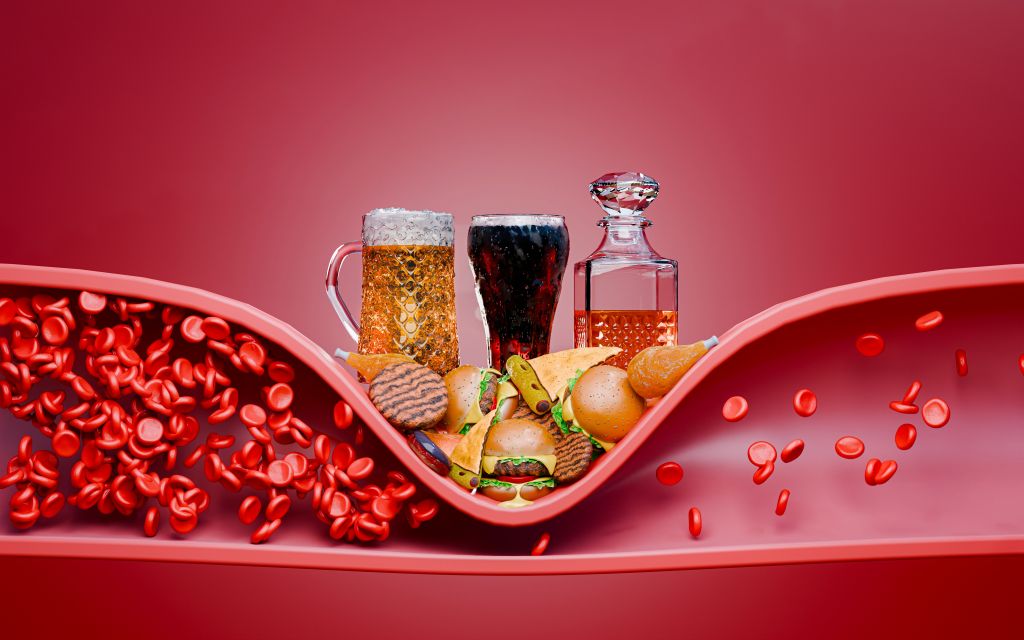
3. Increase the risk of metabolic dysregulation
Food additives like emulsifiers have been associated with metabolic syndrome, a cluster of conditions that include abdominal obesity, insulin resistance, and high blood pressure.
A study published in Foods found that emulsifiers may impair metabolic control by altering the intestinal barrier, predisposing the body to the development of metabolic diseases.
4. May contribute to heart disease
Some emulsifiers may contribute to cardiovascular disease (CVD) risk by promoting inflammation and disrupting lipid metabolism.
This can influence key risk factors, including elevated low-density lipoprotein (LDL) cholesterol, widely known as the “bad” cholesterol, increased production of metabolites associated with atherosclerosis, and vascular dysfunction.
A study published in the British Medical Journal found that frequent consumption of carboxymethylcellulose, mono- and diglycerides of fatty acids, and TSP significantly increased the risk of CVD, coronary heart disease, and cerebrovascular disease.

Tips to limit unhealthy emulsifiers in your diet
Reducing exposure to synthetic emulsifiers starts with being intentional about ingredient quality and choosing whole foods.
Here are four practical tips to eliminate unhealthy emulsifiers from your diet.
1. Avoid buying ultra-processed foods
Ultra-processed foods are the primary source of emulsifiers and other unhealthy ingredients like seed oils, artificial sweeteners, and vegetable oils. Some products, such as baked goods, frozen meals, and ice cream, contain multiple types of common emulsifiers.
Avoid purchasing processed foods when possible, as keeping them out of your home significantly reduces exposure.
2. Follow a nutritious, low-carbohydrate diet
A nutrient-dense, low-carbohydrate diet, such as Healthy Keto®, emphasizes whole foods that don’t require emulsifying agents.
Meals rich in healthy fats, high-quality protein, and non-starchy vegetables support metabolic health and help minimize rapid blood sugar fluctuations, making it easier to curb cravings and avoid reaching for ultra-processed foods.
It’s recommended to avoid “keto-friendly” convenience products, such as low-carb breads, protein bars, and shakes, as they are highly processed and often contain emulsifiers.

3. Carefully read ingredient labels
Because emulsifiers are listed under several technical names, such as carboxymethylcellulose and polysorbate 80, they can be easily overlooked.
Even seemingly healthy products marketed as “natural,” “sugar-free,” or “allergen-free” can contain these additives, so reviewing ingredient lists is vital.
When purchasing pre-packaged foods, choose products with short, recognizable ingredient lists or opt for alternatives—such as extra virgin olive oil and red wine vinegar instead of overly processed salad dressings—to minimize intake of emulsifiers.
4. Limit dining out
The restaurant and fast-food industry create meals that often contain emulsifiers and other additives in sauces, dressings, and desserts.
Limiting how often you eat out or choosing restaurants that prioritize simpler ingredients and higher-quality preparation methods can have a direct impact by helping reduce emulsifier exposure.
When eating on the go, opt for simple, whole-food-based dishes, such as grilled steak, fish, or chicken paired with steamed vegetables to further minimize hidden ingredients.
Key takeaways
- Emulsifiers in food help stabilize mixtures and are commonly found in processed foods, including approximately 71 percent of baby products, to improve texture and extend shelf life.
- Natural and synthetic emulsifiers serve similar functions but differ in how they’re sourced, manufactured, and potentially impact health.
- Some synthetic emulsifiers have been associated with metabolic dysfunction, changes in gut microbiota, chronic inflammation, and increased cardiometabolic disease risk.
- Reducing processed food intake, following a whole-food, low-carbohydrate diet, limiting dining out, and reading ingredient labels can help minimize exposure and support overall health.
FAQ
- 1. What is the purpose of using emulsifiers in the food industry?
- 2. What food emulsifiers should you avoid?
- 3. Are emulsifiers naturally derived or synthetic?
- 4. How can you spot emulsifiers on ingredient labels?


