

At a glance
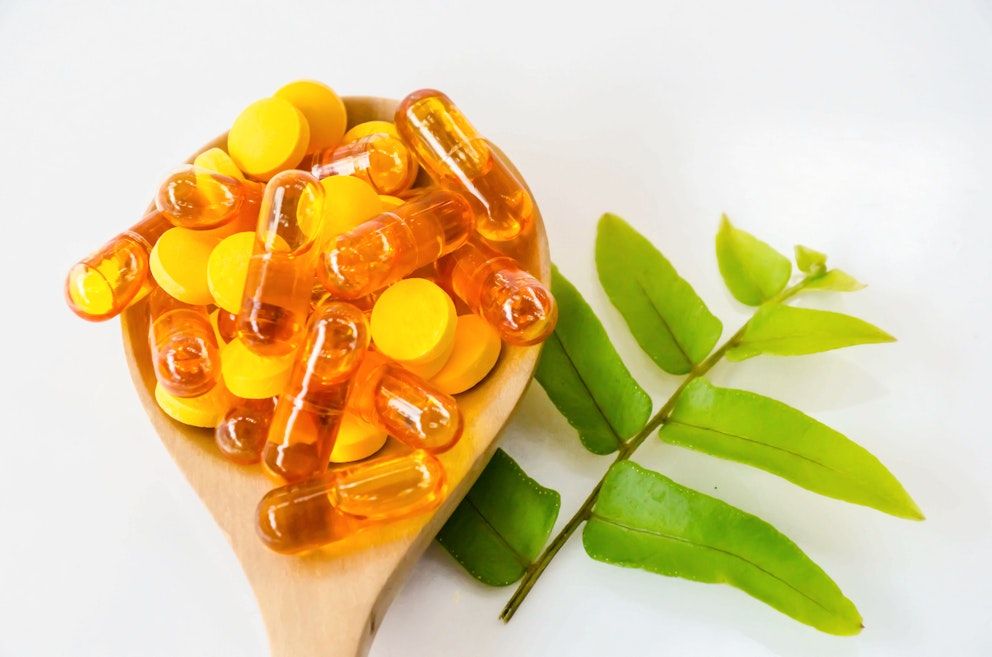
CoQ10 and fish oil are two popular supplements with distinct potential health benefits. While CoQ10 supports cellular energy production and antioxidant defense, fish oil provides omega-3 fatty acids that help promote heart, brain, and immune health. Here’s a comparison of their uses and dosages, and whether taking both together can enhance overall wellness.
CoQ10 vs. fish oil—what are their health benefits and uses, and which is better?
While CoQ10 is a naturally occurring antioxidant, fish oil is a rich source of omega-3 fatty acids involved in cellular integrity and balanced immune system responses.
Discover how CoQ10 and fish oil help maintain cellular function and promote cardiovascular health, and learn if combining these two dietary supplements is safe.
What is CoQ10
Coenzyme Q10, also known as CoQ10, is a vitamin-like compound found in almost every cell in the human body that plays a vital role in energy production.
Although the body can produce CoQ10, levels steadily decline with age, and certain prescription medications, such as statin drugs, can deplete CoQ10.
Benefits of CoQ10
CoQ10 is an antioxidant that interacts with free radicals, which are unstable by-products of metabolism that can affect cellular components such as DNA, proteins, and mitochondria.
CoQ10 plays an important role in supporting cellular health and energy production. It also helps promote brain and heart function and supports overall cardiovascular well-being.
Although all cells require CoQ10, tissues with increased energy needs, such as the heart, brain, and muscles, contain some of the highest concentrations of this antioxidant nutrient.
“Because of its antioxidant properties, CoQ10 helps maintain cellular integrity,” says Dr. Berg. “This plays a key role in promoting healthy heart, muscle, and brain function.”
A study published in Frontiers in Physiology found that CoQ10 also supports energy-making processes in vital organs, promotes metabolic balance, and can help boost exercise performance.1
Downsides
While CoQ10 is generally well tolerated and considered safe for most people, sensitive individuals can experience gastrointestinal issues when taking dietary supplements containing CoQ10.
In addition, CoQ10 can interact with blood-thinning drugs and certain medications used to lower blood pressure, and it’s crucial to discuss the use of CoQ10 supplements with a healthcare professional to minimize the risk of adverse effects.
Dosage
Evidence published in Molecular Nutrition and Food Research suggests that a daily CoQ10 intake of between 300 and 400 milligrams can help promote heart function and support brain health.2
Most CoQ10 supplements are available in the form of ubiquinone or ubiquinol. While ubiquinone has a longer shelf life, ubiquinol is significantly more bioavailable and up to eight times better absorbed than ubiquinone.
Watch the video below to learn how CoQ10 can support overall health and well-being.
What is fish oil
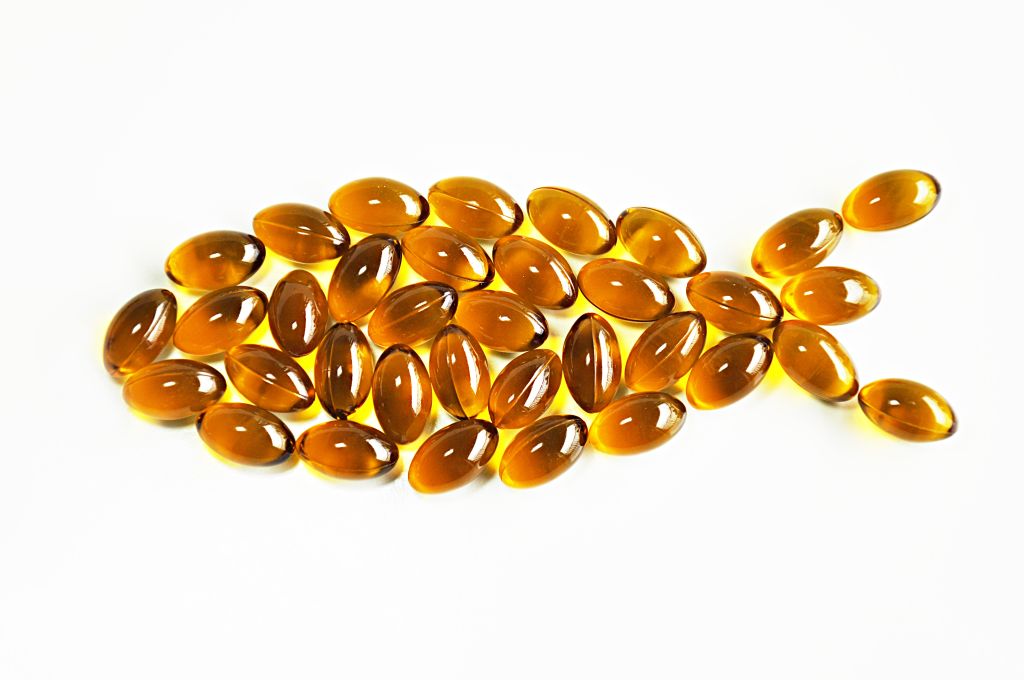
Fish oil is derived from the flesh of fatty fish species such as sardines, mackerels, salmon, and herring.
Fish oils are rich sources of eicosapentaenoic acid (EPA) and docosahexaenoic acid (DHA), two essential omega-3 fatty acids with health-promoting properties.
Research consistently confirms the potential health advantages of omega-3 fatty acids, and fish oil has become one of the most popular dietary supplements.
Benefits of fish oil
Fish oil provides omega-3 fats that help support a healthy inflammatory response, promote heart health, and maintain normal blood pressure.
Adequate intake of omega-3 fatty acids has also been linked to overall cardiovascular, cognitive, and cellular health.
EPA and DHA are involved in maintaining the membrane fluidity of blood cells, which helps support healthy blood flow and promotes normal clotting processes, which contribute to normal cardiovascular functions.
Omega-3 fatty acids also can have neuronal benefits, and evidence published in Nature suggests that EPA may enhance the production of serotonin, a crucial neurotransmitter that regulates moods, sleep, and cognition.3
In addition, EPA and DHA have been found beneficial for maintaining a balanced gut environment while supporting circulatory health, lipid balance, and muscle function.
Downsides of fish oil
While taking fish oil is generally considered safe, it’s important to be aware of potential downsides.
Some individuals, especially those with a sensitive digestive system, can experience a fishy aftertaste or bad breath when taking fish oil supplements. Combining fish oils with food can help minimize these issues.
Fish oil supplements aren’t recommended for people taking blood-thinning medication and those with blood clotting disorders.
DHA and EPA are natural blood thinners and can augment the effects of anticoagulant drugs such as warfarin, thereby increasing the risk of excessive bleeding.
Dosage
Taking between 1 and 2 grams of fish oil daily has been found to promote cognitive functions and enhance immune system defenses.
Higher doses of up to four grams have been studied for their safety and are sometimes used to support healthy triglyceride levels and promote cardiovascular function.

CoQ10 vs. fish oil: which is better?
While CoQ10 plays a role in cellular energy production, fish oil supplies omega-3 fatty acids that help maintain overall wellness, including supporting cardiovascular and cognitive function.
Both supplements provide unique benefits, especially when included as part of a balanced diet.
Fish oil may be a helpful addition for those looking to support general well-being, including individuals who are focused on supporting heart and brain health.
CoQ10 supplements may be a beneficial option to help support energy production, enhance the body’s antioxidant defenses, and promote overall cellular health.
Research published in the American Journal of Cardiology suggests that CoQ10 supplementation may be advantageous for individuals taking statin drugs and older adults, as they may be more likely to have lower CoQ10 levels.4

Can you take CoQ10 and fish oil together?
Taking CoQ10 and fish oil together is not only safe but can maximize their health benefits.
Both CoQ10 and fish oils support different physiological functions, and combining their effects may contribute to overall cellular health, immune support, and cardiovascular function.
However, it’s important to discuss using fish oil and CoQ10 with a healthcare provider if you have preexisting health conditions or are taking prescription medication to minimize the risk of side effects.
Key takeaways
- CoQ10 supports cellular energy, antioxidant protection, and cardiovascular functions.
- Fish oil offers the anti-inflammatory omega-3 fatty acids EPA and DHA, linked to better heart health, cognitive function, and immune defenses.
- Combining CoQ10 and fish oil is generally considered safe and can help maximize their complementary benefits.
- Daily dosages should be tailored to individual health needs and any medications being taken.
FAQ
- 1. Which one is better: CoQ10 or fish oil?
- 2. Can I take fish oil and CoQ10 together?
- 3. Is fish oil good for your heart?
- 4. What is fish oil good for?
- 5. What is CoQ10 good for?
- 6. Who should not take CoQ10?
- 7. How much fish oil should you take each day?
Sources
- https://www.ncbi.nlm.nih.gov/pmc/articles/PMC5807419/ ↩︎
- https://pubmed.ncbi.nlm.nih.gov/37118903/ ↩︎
- https://www.nature.com/articles/s41398-019-0515-5 ↩︎
- https://www.ajconline.org/article/S0002-9149(07)00255-X/fulltext ↩︎
Related Articles
-
Seed Oils: What They Are and Where They Hide
 Foods to avoid
Seed Oils: What They Are and Where They Hide
At a glance Seed oils appear in most packaged and restaurant foods, often replacing more stable traditional fats. Their skewed omega‑6 to omega‑3 ratios and tendency to oxidize during industrial…08/27/2026 -
Wild-Caught vs. Farm-Raised Fish: What’s the Difference?
 Nutrition
Wild-Caught vs. Farm-Raised Fish: What’s the Difference?
At a glance Wild-caught and farm-raised fish differ in nutrient quality, sourcing methods, and overall eating experience. Wild-caught fish come from natural environments and support a more balanced fatty acid…07/09/2026 -
Cod Liver Oil – Benefits and Side Effects
 Nutrition
Cod Liver Oil – Benefits and Side Effects
At a glance Cod liver oil is a nutrient-dense oil derived from the livers of Atlantic codfish, valued for its rich content of omega-3 fatty acids such as EPA and…04/03/2026 13.6k views -
Can You Reverse Atherosclerosis?
 Health concerns
Can You Reverse Atherosclerosis?
At a glance Can you reverse atherosclerosis? While plaque may not fully disappear, the progression of atherosclerosis can be slowed and plaque stability may improve over time. Atherosclerosis develops gradually…03/06/2026 50.4k views -
Does Fish Oil Act as a Blood Thinner? Effects of Fish Oil
 Nutrition
Does Fish Oil Act as a Blood Thinner? Effects of Fish Oil
At a glance Fish oil is a concentrated source of the omega-3 fatty acids EPA and DHA, which can influence platelet function. While these effects are associated with cardiovascular benefits,…02/20/2026 3.8k views -
Does Fish Oil Benefit Cholesterol?
 Nutrition
Does Fish Oil Benefit Cholesterol?
At a glance Fish oil is a rich source of the omega-3 fatty acids EPA and DHA, which support heart health and metabolic wellness. While fish oil may help promote…02/12/2026 27.4k views -
7 Healthiest Foods and Why Your Body Needs Them
 Nutrition
7 Healthiest Foods and Why Your Body Needs Them
At a glance Eating nutrient-dense, minimally processed foods is crucial for maintaining long-term health, as they support digestion, cardiovascular function, energy production, and immune balance. Discover seven of the healthiest…01/08/2026 41.6k views -
What Are the Best Sources of Omega-3 Fatty Acids?
 Nutrition
What Are the Best Sources of Omega-3 Fatty Acids?
At a glance There are several essential omega-3 fatty acids, but not all food sources provide them in the same balance or bioactive form. The best sources of omega-3 fatty…11/06/2025 25k views -
Olive Oil vs. Soybean Oil: Which Is Better?
 Nutrition
Olive Oil vs. Soybean Oil: Which Is Better?
At a glance Olive oil, especially extra virgin olive oil (EVOO), is a nutrient-rich source of healthy fats, antioxidants, and polyphenols that help support heart and metabolic health. In contrast,…04/09/2025 8.5k views -
Can You Eat Cheese on Keto?
 Diet
DietCan You Eat Cheese on Keto?
At a glance Cheese is high in fat, moderate in protein, and low in carbohydrates, making it an ideal choice for those following a ketogenic diet. Choosing traditional, full-fat, grass-fed…04/09/2025 44.8k views


