

At a glance
Diarrhea is often linked to stress or irritants, or infections within the digestive tract. Several natural remedies and supportive practices can help stop diarrhea fast and support a healthy gut recovery.
Acute diarrhea can be triggered by microbial infections, antibiotic medications, exposure to contaminated food or water, food intolerances, or sudden dietary changes.
Most cases of sudden and severe diarrhea are linked to viral, bacterial, or parasitic infection and can lead to dehydration and electrolyte imbalance if not managed promptly.
Discover how to stop diarrhea fast with simple but effective home remedies and learn how to promote a healthy digestive tract and regular bowel movements.
What causes diarrhea?
Diarrhea is the body’s natural response to irritants in the digestive system, characterized by loose, watery stools often accompanied by an upset stomach.
Sudden bouts of diarrhea are most commonly linked to viral and bacterial infections, such as norovirus or Escherichia coli, often contracted by eating contaminated foods.
The presence of harmful microbes in the intestinal tract triggers a cascade of immune responses that stimulate cells to secrete more water and electrolytes into the gut lumen. This creates a less hospitable environment for microbes, diluting and flushing them out of the system.
While fasting can be a helpful short-term approach to rest the digestive system and treat diarrhea caused by foodborne illnesses, reintroducing rich foods too quickly after prolonged periods of caloric restriction can also lead to loose and watery stools.
Chronic diarrhea, which refers to experiencing diarrhea symptoms for four weeks or longer, is often a sign of an underlying health issue and requires medical attention to identify the root cause and determine appropriate treatment.
Persistent diarrhea can be triggered by various causes, including:
- Inflammatory bowel disease
- Irritable bowel syndrome
- Food sensitivities
- Lactose intolerance
- Celiac disease
- Overuse of laxatives
- Frequent antibiotic treatment
Watch the video below to discover the best home remedy to stop diarrhea fast.
How to stop diarrhea fast
While over-the-counter medications can help manage loose stools, they can have significant side effects that may delay the clearance of harmful microbes from the body.
Certain foods have been used for centuries to naturally relieve diarrhea and promote gut healing without the risk of side effects or prolonged infections.
Here are two natural remedies that can help control diarrhea quickly.
1. Plain yogurt and blackberries
Yogurt is a rich source of beneficial gut bacteria, including Lactobacillus and Bifidobacterium. These probiotics play a key role in replenishing balanced gut microbes and help restore normal bowel function.
Blackberries provide tannins, a group of polyphenols with astringent properties, meaning they help tighten the mucosal gut lining and reduce excessive fluid secretion, which is critical for managing watery, loose stools.
A study published in Natural Product Communications investigated the benefits of tannins for managing diarrhea and concluded, ”Tannic acid reduces the duration of diarrhea and concomitant abdominal pain and, when taken prophylactically, reduces the risk of traveler’s diarrhea.”1
It’s crucial to opt for unsweetened and organic yogurt to ensure maximum health benefits, as added sugars and artificial ingredients can worsen diarrhea.
2. Green bananas
For those with lactose intolerance who can’t consume dairy products, green bananas offer an alternative food-based option to support normal digestive function and help improve stool consistency.
Eating green bananas for diarrhea provides a significant advantage over the standard BRAT diet, which refers to bananas, rice, applesauce, and toast.
The BRAT approach to alleviating diarrhea can lead to significant blood sugar spikes, which is unsuitable for individuals with poor metabolic health and can potentially worsen digestive issues.
In contrast, green bananas don’t cause significant blood sugar fluctuations as they’re rich sources of resistant starch, a type of complex carbohydrate that isn’t easily digested.
When resistant starch reaches the colon, it helps firm up stools, support gut bacteria, and regulate bowel movements, all of which are crucial for managing diarrhea.
Tips to support recovery
According to recommendations released by the National Institute of Diabetes and Digestive and Kidney Diseases (NIDDK), those affected by acute diarrhea should eat small amounts of bland foods until symptoms improve.2
In addition, it’s crucial to avoid foods and drinks that could make diarrhea worse, such as:
- Alcohol
- Caffeinated beverages
- Ultra-processed foods
- Sugary drinks, including fruit juices and sodas
- Products containing sugar alcohols, such as sugar-free gum and candies
Diarrhea contributes to malabsorption, dehydration, electrolyte imbalances, and the disruption of the gut microflora. Therefore, it’s vital to take focused steps to restore the body’s balance after suffering a diarrhea episode.
Here are three things you can do to support recovery after diarrhea.
1. Replenish electrolytes
Dehydration and electrolyte imbalances are among the most common and serious consequences of diarrhea.
When the body loses fluids, essential electrolyte minerals such as sodium, potassium, and magnesium are also expelled, which can impair critical cellular functions and overall health.
To restore the body’s fluid levels and electrolyte balance, it’s essential to drink plenty of water and replenish key nutrients with mineral-rich foods such as bone broth. You can also make your own homemade electrolyte drink using whole foods such as avocado, lemon, and berries.
“Restoring electrolyte balance is crucial during and after bouts of diarrhea,” explains Dr. Berg. “Imbalanced mineral levels can lead to poor muscle function, which can exacerbate diarrhea.”
2. Promote optimal zinc levels
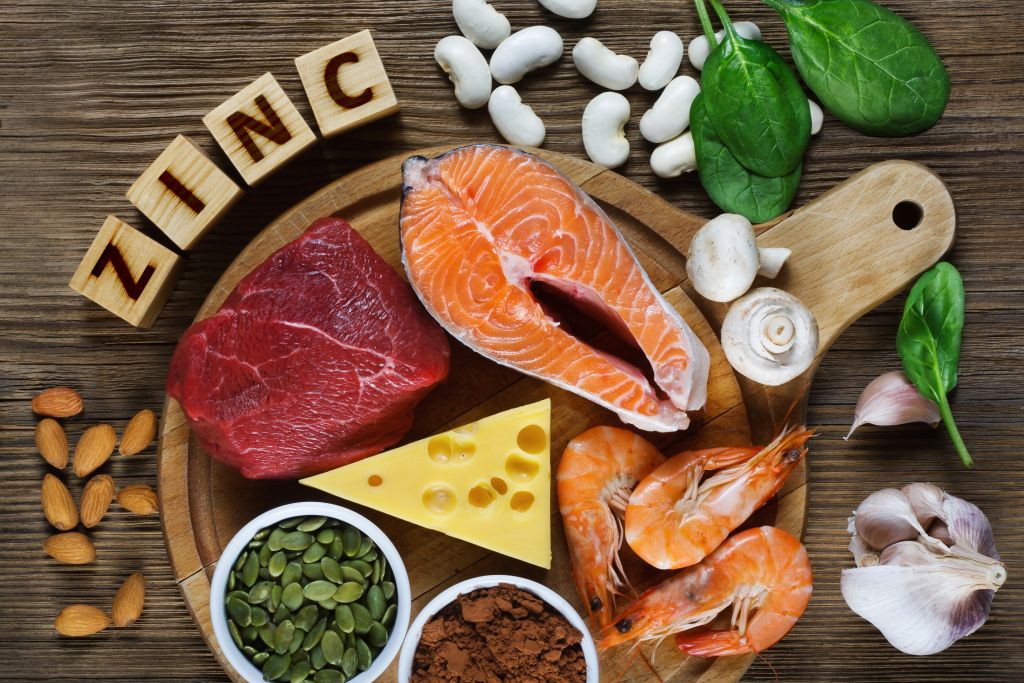
Zinc plays a vital role in supporting digestive health by aiding in the regeneration of gut cells. This process is especially important after diarrhea, which can damage the intestinal lining and disrupt normal digestive function.
Because the body stores only limited amounts of zinc, diarrhea-related malabsorption can quickly lead to zinc deficiency. This can impair gut lining repair and may worsen or prolong diarrhea symptoms.
Research published in Gastroenterology found that promoting optimal zinc levels helps decrease the incidence and length of diarrhea episodes in children with zinc deficiency.3
Seafood, especially oysters, red meat, poultry, seeds, and nuts, are all excellent natural food sources of zinc.
3. Incorporate probiotic-rich foods
A study published in BMC Public Health found that replenishing lost gut bacteria with beneficial bacteria significantly reduced the duration of diarrhea.4
Probiotic-rich foods and beverages such as yogurt, sauerkraut, kefir, and kombucha, can help repopulate the gut with beneficial microorganisms, which can be depleted during diarrhea, especially when caused by infections or antibiotic use.
These beneficial bacteria play a critical role in regulating bowel movements and strengthening immune defenses against diarrhea-causing microbes, thereby helping restore gut balance, aiding recovery, and minimizing the risk of infections.
The best ways to prevent diarrhea
In addition to maintaining optimal zinc levels, replenishing electrolytes, and staying hydrated, there are several steps you can take to minimize the risk of loose stools.
Here are three ways to prevent diarrhea.
1. Promote a diverse intestinal microflora
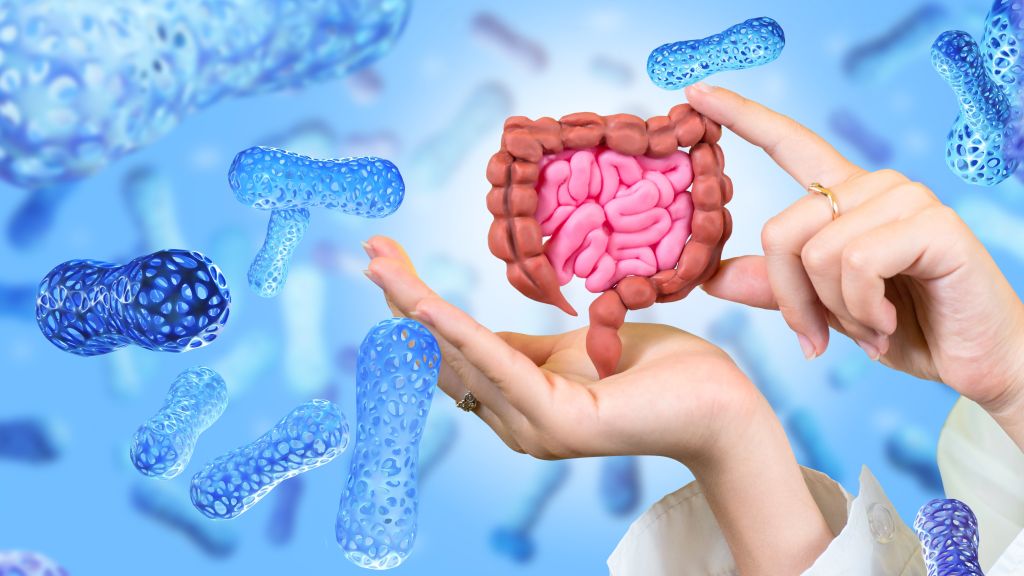
Maintaining a diverse gut microbiome is essential to prevent diarrhea, as a healthy balance of gut bacteria helps reduce the risk of infections and digestive issues that can lead to diarrhea.
Regularly incorporating fermented foods and beverages such as yogurt, kefir, kombucha, miso, and sauerkraut into your diet is an excellent strategy to support gut health and help prevent digestive problems.
2. Keep a food journal
If you suspect that diarrhea may be linked to unidentified food sensitivities, keeping a food journal can help identify dietary triggers, which often are gluten, lactose, oxalate-rich foods, or soy.
3. Manage stress
Managing stress is crucial, as stress can disrupt gut function and contribute to diarrhea, especially in individuals with irritable bowel syndrome.
This has been confirmed by research published in Cell Metabolism, reporting that psychological stress can trigger abnormal bowel movements and inflammatory responses in the gut, which can trigger diarrhea and abdominal discomfort.5
Relaxation techniques such as deep breathing, gentle stretching, and spending time in nature can help alleviate the negative impact of stress on gastrointestinal function. These practices promote relaxation and reduce tension, ultimately lowering the risk of stress-induced diarrhea.

When to see a doctor
Information related to persistent diarrhea should be discussed with a healthcare provider to determine suitability based on individual health needs.
It’s crucial to consult a doctor if you experience diarrhea lasting more than a few days, especially if accompanied by severe abdominal pain or signs of dehydration such as dry mouth, dizziness, or reduced urine output.
In some cases, an intravenous rehydration solution may be required to restore lost fluids and electrolytes.
A gastroenterologist may recommend specific tests to identify the underlying cause of persistent diarrhea. These tests could include stool cultures to detect infections, blood tests to assess signs of inflammation, and imaging studies to examine the digestive tract.
Seeking timely medical attention ensures proper diagnosis and effective treatment to manage and treat diarrhea safely.
Key takeaways
- Diarrhea can be triggered by stress, microbial infections, food intolerances, medications, supplements, or digestive irritation and can lead to dehydration if not managed properly.
- Eating green bananas or plain, unsweetened yogurt with blackberries can help stop diarrhea fast by supporting firmer stools and microbial balance.
- Staying hydrated and replenishing electrolytes with mineral-rich foods or drinks helps restore balance and prevent fatigue.
- Supporting zinc levels and consuming probiotic-rich foods, such as kefir, sauerkraut, and kombucha, can aid in gut recovery and may help reduce the risk of future episodes.
- Chronic or severe diarrhea accompanied by pain, fever, or dehydration requires medical evaluation to identify underlying causes.
FAQ
- 1. How can I stop diarrhea fast?
- 2. What foods stop diarrhea?
- 3. What drinks help with diarrhea?
- 4. How long does diarrhea last?
- 5. How can I prevent diarrhea?
- 6. Is it better to let diarrhea run its course?
Sources
- https://journals.sagepub.com/doi/full/10.1177/1934578X231170998 ↩︎
- https://www.niddk.nih.gov/health-information/digestive-diseases/diarrhea/eating-diet-nutrition ↩︎
- https://www.gastrojournal.org/article/S0016-5085(06)00744-X/fulltext ↩︎
- https://bmcpublichealth.biomedcentral.com/articles/10.1186/1471-2458-13-S3-S16 ↩︎
- https://www.sciencedirect.com/science/article/abs/pii/S1550413124003668 ↩︎
Related Articles
-
Digestive Enzyme Supplements: Forms and How to Choose
 Nutrition
Digestive Enzyme Supplements: Forms and How to Choose
At a glance Digestive enzymes help facilitate the breakdown of food into nutrients the body can absorb and use for energy and essential bodily functions. Digestive enzyme supplements are available…10/01/2026 -
How Does Sugar Affect Digestion?
 Digestive health
How Does Sugar Affect Digestion?
At a glance Sugar is a carbohydrate that the digestive system breaks down into simple molecules for absorption and energy use. While this is a normal part of metabolism, sugar…09/24/2026 -
Food Intolerance Symptoms and How to Identify Patterns
 Digestive health
Food Intolerance Symptoms and How to Identify Patterns
At a glance Food intolerance symptoms can be difficult to connect to a particular food because they don’t always happen immediately after eating. Reactions may depend on portion size, food…07/30/2026 -
Sugar Alcohols: What They Are and How They Affect Digestion
 Food and Drink
Sugar Alcohols: What They Are and How They Affect Digestion
At a glance Sugar alcohols are low-calorie sweeteners commonly used in sugar-free foods, chewing gum, desserts, and other processed foods. Unlike regular sugar, many sugar alcohols are not fully absorbed…05/21/2026 -
Food Preservatives: Types, Safety, and Health Effects
 Nutrition
Food Preservatives: Types, Safety, and Health Effects
At a glance Food preservatives are common additives in packaged and processed food products that help extend shelf life and prevent spoilage. While some preservatives are derived from natural sources…04/03/2026 -
6 Natural Remedies for H. Pylori
 Health concerns
6 Natural Remedies for H. Pylori
At a glance Helicobacter pylori (H. pylori) is a common pathogen that infects the stomach and increases the risk of ulcers and other gastrointestinal symptoms. While conventional treatment relies on…03/19/2026 24.6k views -
How to Kill Parasites: 7 Natural Tips
 Health concerns
How to Kill Parasites: 7 Natural Tips
At a glance Parasitic infections occur when worms or protozoa colonize the body, often through exposure to contaminated pets, food, or water. These organisms can interfere with digestion and other…03/13/2026 15.1k views -
Natural Flavors vs. Artificial Flavors
 Nutrition
Natural Flavors vs. Artificial Flavors
At a glance Both natural and artificial flavors are widely used in everyday food products to enhance their taste and aroma. It’s generally known that artificial flavoring substances are linked…03/12/2026 -
What Causes Pale Colored Stool?
 Health concerns
What Causes Pale Colored Stool?
At a glance Pale-colored stool can be linked to low bile flow, low-fat diets, alcohol use, infections, or underlying liver, gallbladder, or pancreatic issues. Supporting gallbladder function through a nutritious…02/26/2026 14.9k views -
3 Benefits of Oral Probiotics–And How To Use Them
 Digestive health
3 Benefits of Oral Probiotics–And How To Use Them
At a glance Oral probiotics are beneficial microbes that help maintain a balanced environment in the mouth, promoting strong teeth, healthy gums, and fresher breath. Supporting a diverse oral microbiome…02/20/2026 6.3k views


