

At a glance
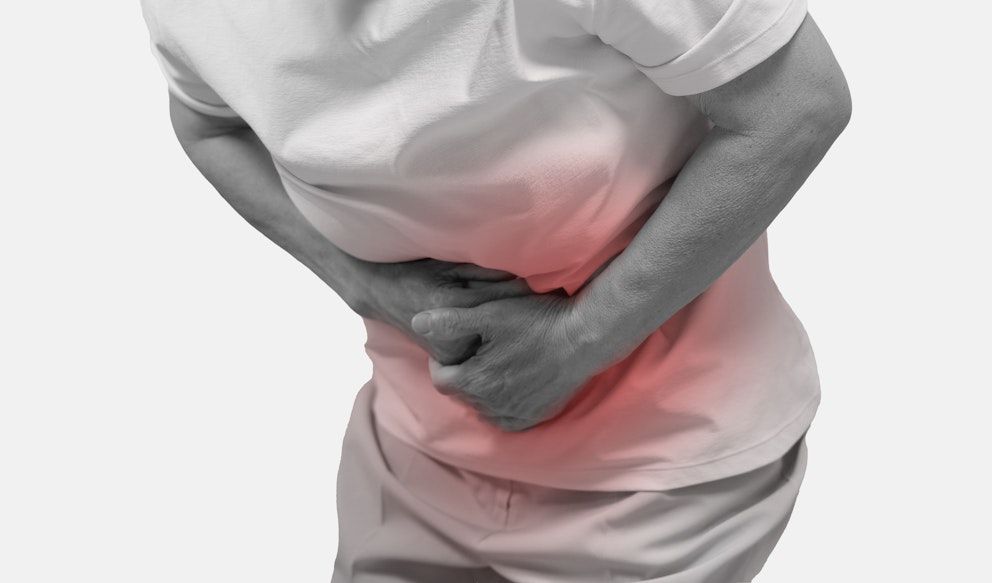
Constipation is a common digestive issue often caused by a poor diet, dehydration, or an imbalance in the gut microbiome. Addressing these root causes with natural remedies can help restore digestive balance and promote regular bowel movements. Supporting microbial diversity, optimizing digestive fluids, and maintaining a health-focused diet can help relieve discomfort and promote overall digestive wellness.
Dealing with constipation can be uncomfortable and frustrating. While many medications only mask symptoms, several natural remedies can help address root causes and support optimal digestion.
Explore three natural constipation remedies to promote regular bowel movements and learn how to restore digestive balance for lasting relief and better overall health.
What causes constipation?
Constipation affects millions of people worldwide. According to data collected by the National Institute of Diabetes and Digestive and Kidney Diseases (NIDDK) in the United States, “about 33 out of 100 adults ages 60 and older have symptoms of constipation.”1
Here are four of the most common causes of constipation.
1. Poor dietary habits
Diets high in refined carbohydrates, sugars, and ultra-processed foods disrupt the gut microbiome by fueling harmful microbes. This overgrowth can overwhelm and displace beneficial gut bacteria, leading to an imbalanced microbiome.
Imbalanced gut microbes can slow digestion, impair nutrient absorption, and promote inflammation, all of which can impair proper bowel muscle function and exacerbate constipation.
Additionally, diets low in healthy fats can suppress the production of bile, which is a crucial digestive fluid needed to soften stools and ensure they pass smoothly through the colon.
2. Dehydration
Dehydration is another significant contributor to constipation. When the body lacks adequate fluids, it conserves water, causing stools to become dry, compact, and difficult to pass.
3. Medications
Certain over-the-counter and prescription medications are known to interfere with bowel regularity.
Opioids, antacids, and certain antidepressants can slow intestinal transit time, greatly increasing the risk of constipation. Diuretics may also contribute to sluggish bowel movements by causing dehydration, further compounding the issue.
4. Underlying health issues
Chronic health conditions can impair digestive processes and contribute to constipation.
For example, hypothyroidism slows metabolic processes and can reduce gut motility, which explains why individuals with thyroid hormone imbalances often experience constipation.
Irritable bowel syndrome (IBS) and biliary dyskinesia can also disrupt normal bowel function, while hormonal imbalances and chronic stress may exacerbate constipation by affecting the nervous system and digestive rhythm.
Watch the video below to discover four natural remedies for constipation.
Signs you may be constipated
Constipation often develops gradually, making it easy to overlook until symptoms become persistent or severe.
Paying attention to changes in your bowel habits and how you feel after meals can help you identify early signs of constipation.
Common symptoms of constipation include:
- Fewer than three bowel movements per week
- Hard, dry, or lumpy stools
- Difficulty or pain during bowel movements
- “Abdominal Gas and Bloating: Causes and Remedies | Dr. Berg.” Dr. Berg. https://www.drberg.com/blog/abdominal-gas-and-bloating-do-this-now
- Straining to initiate or complete bowel movements
- A persistent feeling of incomplete evacuation
Severe constipation may also cause bloating or pressure in the lower abdomen. In some cases, hardened stool can form a noticeable lump accompanied by sharp or localized pain.
If left untreated, chronic constipation can lead to complications such as toxin reabsorption, hemorrhoids, or an increased risk of digestive diseases. Early recognition of constipation symptoms can help prevent long-term health complications and allow for timely interventions.
3 constipation remedies
Constipation relief requires a balanced approach that addresses root causes rather than temporary fixes.
Supporting digestive health with natural remedies and nutrient-dense foods can encourage lasting improvements in bowel regularity.
Here are three natural home remedies for constipation.
1. Promote a diverse gut microbiome
A well-balanced gut microbiome is essential for regular bowel movements. Factors such as antibiotics, stress, and poor dietary choices can disrupt this balance, leading to impaired digestion and irregular bowel movements.
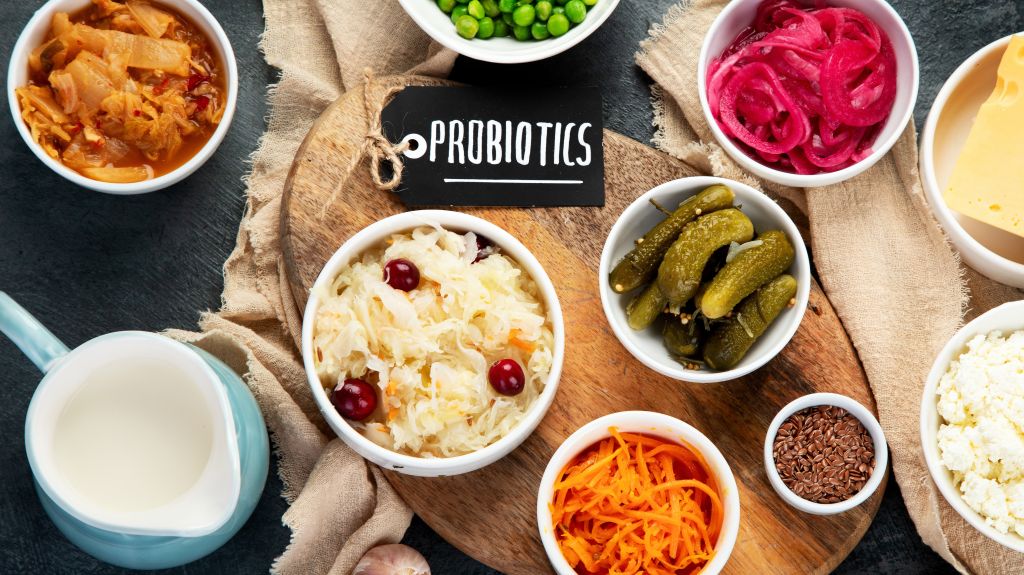
Probiotics, such as Lactobacillus reuteri and Bifidobacterium longum, have been extensively studied for their ability to support healthy digestion. These beneficial bacteria can improve stool consistency and frequency while helping maintain a balanced gut environment.
Research published in Advances in Nutrition highlights that “Lactobacillus reuteri has been shown to interact with the gut-brain axis in rats through the modulation of afferent sensory nerves that influence gut motility.”2
Regularly incorporating probiotic-rich foods such as kefir, unsweetened yogurt, sauerkraut, and kimchi can help improve microbial gut balance and digestive functions.

2. Improve digestive fluids
Healthy digestion is dependent on adequate stomach acid and bile production.
Bile is critical in preventing constipation and is essential for proper stool formation and the movement of waste through the colon.
Foods that naturally stimulate bile production include:
- Artichokes
- Ginger
- Lemon
- Beets
- Arugula
- Dandelion greens
- Extra virgin olive oil
- Nuts
- Tallow
In addition, proper stomach acidity is crucial for breaking down food and stimulating peristalsis, which is essential for moving food efficiently through the digestive tract.
Adequate stomach acidity also supports nutrient absorption and helps maintain a healthy gut environment by preventing the growth of harmful bacteria.
Taking diluted apple cider vinegar with water before meals can help lower the stomach’s pH to promote optimal digestion.
3. Increase nutrient intake
Maintaining optimal nutrient levels is essential for digestive function and relieving constipation.
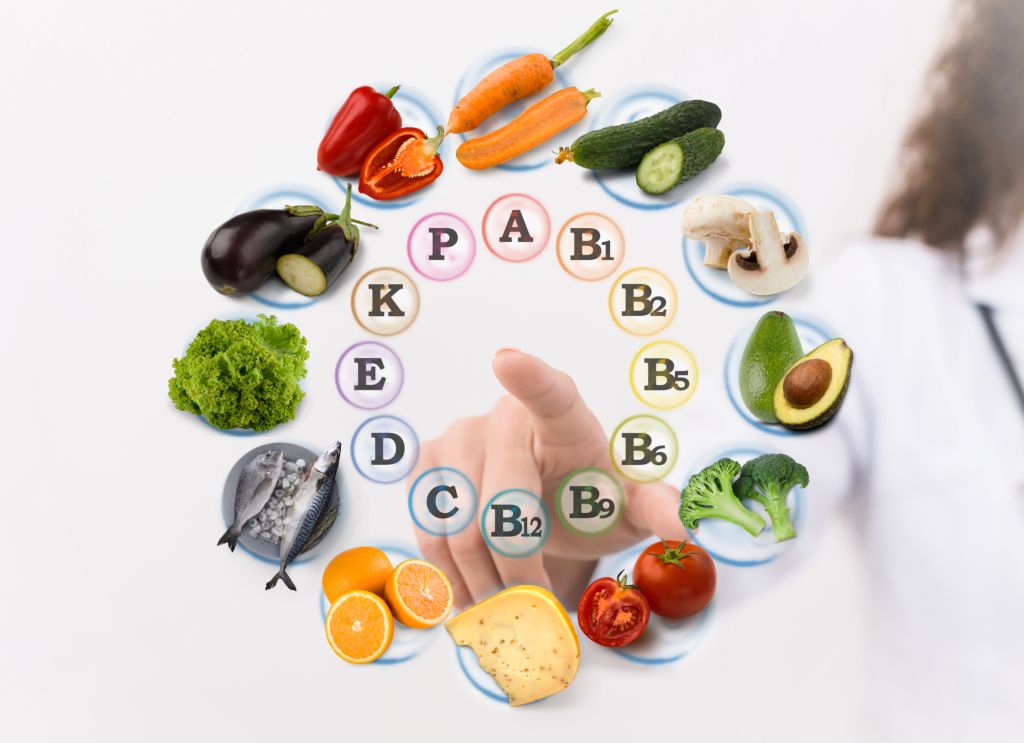
Essential nutrients such as magnesium, potassium, vitamin B1, and iodine directly impact gut motility and stool consistency.
Magnesium relaxes intestinal muscles and acts as a natural osmotic laxative by drawing water into the intestines to soften stools.
You can find magnesium in foods like leafy greens, such as spinach and Swiss chard, as well as nuts, seeds, and dark chocolate.
Potassium supports muscle contractions and fluid balance, while vitamin B1 aids nerve function to regulate bowel movements. Iodine is vital for thyroid function, which influences metabolic processes and digestion.
To help obtain adequate amounts of these nutrients, it’s crucial to regularly consume nutritious foods such as spinach, avocado, almonds, pumpkin seeds, sunflower seeds, eggs, seaweed, sea kelp, and wild-caught fatty fish.
Diet and lifestyle changes
Making beneficial dietary and lifestyle changes to support your digestive system is an excellent strategy to alleviate constipation and enhance long-term digestive health.
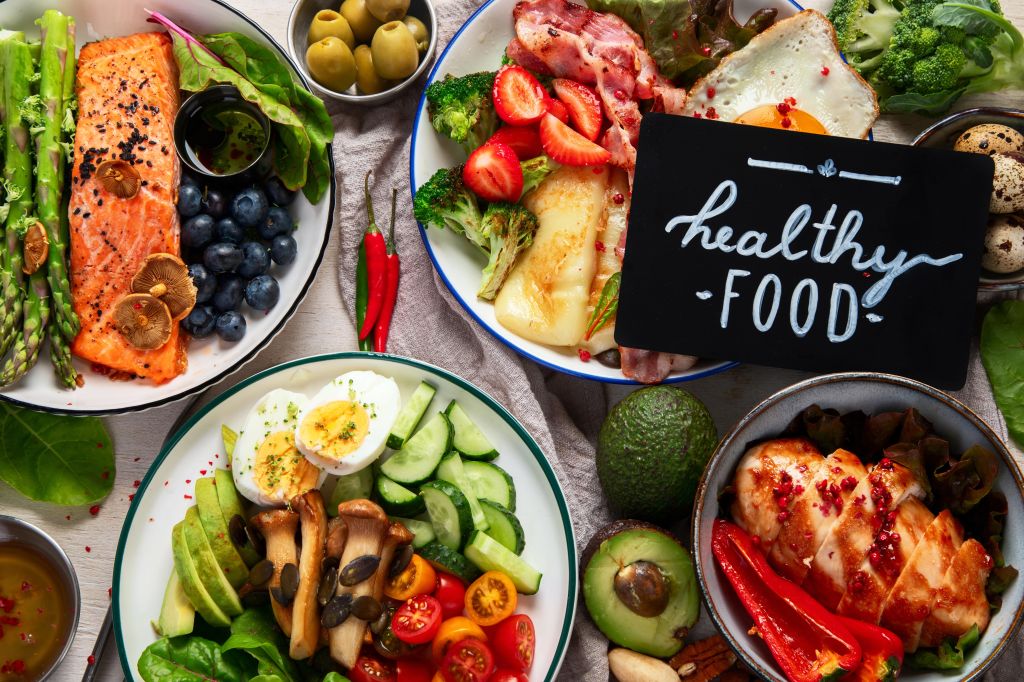
Start by focusing on a diet rich in nutritious whole foods, such as Healthy Keto®. This meal plan includes plenty of healthy fats and fermented foods, which are crucial for optimal digestion.
Healthy Keto also eliminates highly processed foods, especially those high in refined sugars and carbohydrates, which can exacerbate constipation and disrupt gut health.
It’s equally important to stay hydrated to keep stools soft and easier to pass.
In addition, strategies such as intermittent fasting can allow the gut to rest and repair, which can help alleviate bloating and encourage bowel movements.
Regular movement, including walking and stretching, can also help stimulate peristalsis, promoting regular bowel movements.
Research published in the Journal of Neurogastroenterology and Motility highlights that a nutritious diet paired with high physical activity levels can significantly improve symptoms of chronic constipation.3
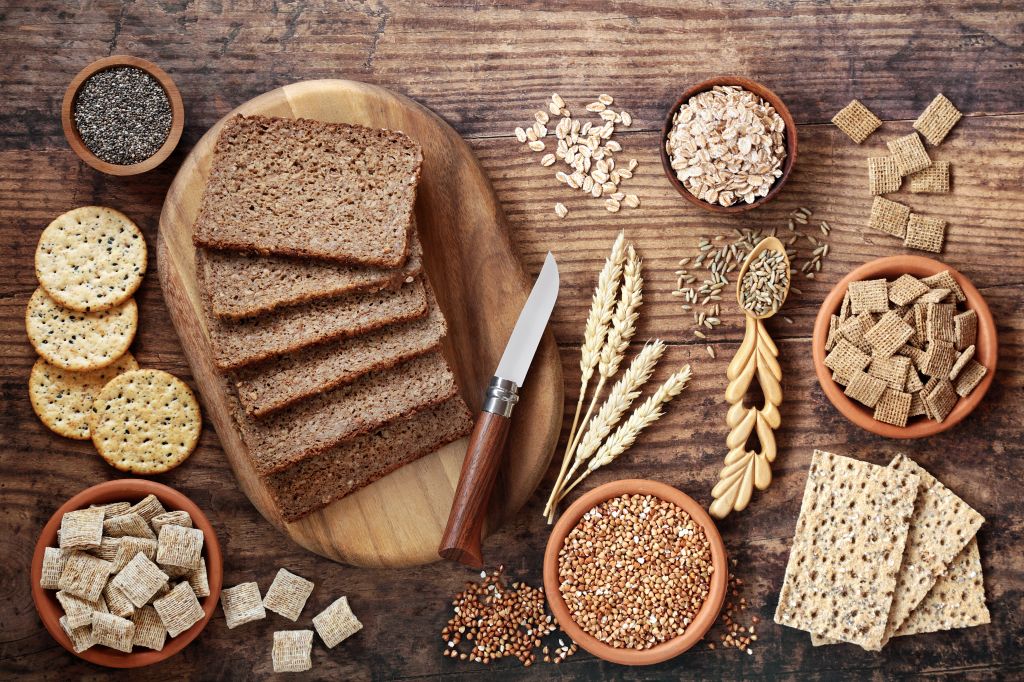
The truth about fiber for constipation
Fiber is often considered the primary solution for constipation, but this isn’t always true.
While dietary fiber can support gut health and promote regularity, too much fiber can make stools challenging to pass. This can exacerbate constipation, particularly in individuals with conditions such as IBS or small intestinal bacterial overgrowth (SIBO).
“Adding more fiber to an already congested digestive system is like adding more cars to a traffic jam. It doesn’t solve the problem, it worsens it,” explains Dr. Berg.
Instead of increasing fiber intake, consider temporarily reducing it to help your digestive system recover. Eliminate foods high in insoluble fiber, such as grains and raw vegetables, and focus on balanced nutrition to heal your gut.
When reintroducing fiber, opt for easier-to-digest options, such as cooked or fermented vegetables, and experiment with non-starchy vegetables, such as zucchini, spinach, or well-cooked carrots.
Monitor your responses and adjust accordingly to promote smoother digestion and regularity.

When to see a doctor
Information related to constipation should be discussed with a healthcare provider to determine suitability based on individual health needs.
If dietary changes and home remedies fail to manage constipation, or if you experience severe symptoms such as bleeding, unexplained weight loss, or persistent abdominal pain, it’s essential to seek medical advice.
Certain conditions, such as Crohn’s disease, celiac disease, or SIBO, may affect your ability to absorb nutrients, potentially complicating constipation remedies.
Key takeaways
- Constipation is often linked to poor dietary habits, dehydration, or an imbalanced gut microbiome.
- Incorporating probiotic-rich foods such as kefir and sauerkraut helps support microbial diversity and can promote regular bowel movements.
- Supporting optimal bile flow and stomach acidity with foods such as lemon, ginger, and apple cider vinegar can support digestion and overall gut wellness.
- Foods rich in key nutrients such as vitamin B1, magnesium, potassium, and iodine can further help maintain bowel muscle function and stool consistency.
- Hydration, nutrient-dense foods, and moderate physical activity are key to promoting long-term digestive health.
FAQ
- What are the best constipation remedies?
- Is having constipation dangerous?
- Are laxatives bad for you?
- What foods cause constipation?
- Is fiber the best remedy for constipation?
- How long is too long to be constipated?
- Is constipation after starting keto normal?
Sources
- https://www.niddk.nih.gov/health-information/digestive-diseases/constipation/definition-facts ↩︎
- https://www.sciencedirect.com/science/article/pii/S2161831322006792 ↩︎
- https://pmc.ncbi.nlm.nih.gov/articles/PMC11238109/ ↩︎
Related Articles
-
Digestive Enzyme Supplements: Forms and How to Choose
 Nutrition
Digestive Enzyme Supplements: Forms and How to Choose
At a glance Digestive enzymes help facilitate the breakdown of food into nutrients the body can absorb and use for energy and essential bodily functions. Digestive enzyme supplements are available…10/01/2026 -
How Does Sugar Affect Digestion?
 Digestive health
How Does Sugar Affect Digestion?
At a glance Sugar is a carbohydrate that the digestive system breaks down into simple molecules for absorption and energy use. While this is a normal part of metabolism, sugar…09/24/2026 -
Food Intolerance Symptoms and How to Identify Patterns
 Digestive health
Food Intolerance Symptoms and How to Identify Patterns
At a glance Food intolerance symptoms can be difficult to connect to a particular food because they don’t always happen immediately after eating. Reactions may depend on portion size, food…07/30/2026 -
Sugar Alcohols: What They Are and How They Affect Digestion
 Food and Drink
Sugar Alcohols: What They Are and How They Affect Digestion
At a glance Sugar alcohols are low-calorie sweeteners commonly used in sugar-free foods, chewing gum, desserts, and other processed foods. Unlike regular sugar, many sugar alcohols are not fully absorbed…05/21/2026 -
Food Preservatives: Types, Safety, and Health Effects
 Nutrition
Food Preservatives: Types, Safety, and Health Effects
At a glance Food preservatives are common additives in packaged and processed food products that help extend shelf life and prevent spoilage. While some preservatives are derived from natural sources…04/03/2026 -
6 Natural Remedies for H. Pylori
 Health concerns
6 Natural Remedies for H. Pylori
At a glance Helicobacter pylori (H. pylori) is a common pathogen that infects the stomach and increases the risk of ulcers and other gastrointestinal symptoms. While conventional treatment relies on…03/19/2026 24.6k views -
How to Kill Parasites: 7 Natural Tips
 Health concerns
How to Kill Parasites: 7 Natural Tips
At a glance Parasitic infections occur when worms or protozoa colonize the body, often through exposure to contaminated pets, food, or water. These organisms can interfere with digestion and other…03/13/2026 15.1k views -
Natural Flavors vs. Artificial Flavors
 Nutrition
Natural Flavors vs. Artificial Flavors
At a glance Both natural and artificial flavors are widely used in everyday food products to enhance their taste and aroma. It’s generally known that artificial flavoring substances are linked…03/12/2026 -
What Causes Pale Colored Stool?
 Health concerns
What Causes Pale Colored Stool?
At a glance Pale-colored stool can be linked to low bile flow, low-fat diets, alcohol use, infections, or underlying liver, gallbladder, or pancreatic issues. Supporting gallbladder function through a nutritious…02/26/2026 14.9k views -
3 Benefits of Oral Probiotics–And How To Use Them
 Digestive health
3 Benefits of Oral Probiotics–And How To Use Them
At a glance Oral probiotics are beneficial microbes that help maintain a balanced environment in the mouth, promoting strong teeth, healthy gums, and fresher breath. Supporting a diverse oral microbiome…02/20/2026 6.3k views