


At a glance
If your sweat smells like ammonia while in ketosis, it may be a sign of excessive protein intake, low potassium levels, or stress on the liver and kidneys. Dietary and lifestyle adjustments, such as adjusting your electrolyte intake, protein levels, and practicing liver support strategies, can help resolve unpleasant odors quickly.
Have you recently started keto and noticed stinky sweat with a strong ammonia smell?
While changes in body odor are a common side effect during the early stages of keto-adaptation, ammonia-like sweat can indicate electrolyte imbalances or excessive protein intake.
Discover why your sweat smells like ammonia while in ketosis and what steps you can take to get rid of bad body odor fast.
What is ketosis?
Ketosis is a metabolic state in which your body relies on fat for energy instead of carbohydrates.
As your liver breaks down fat, it generates large quantities of ketones, which act as a highly efficient energy source. When ketones start to fuel your cells, your body enters ketosis.
To trigger and maintain ketosis, it’s crucial to limit your carb intake to 20 to 50 grams daily and obtain the majority of calories from healthy fats.
A low-carb, high-fat ketogenic diet helps maintain a healthy weight and has profound benefits for metabolic, cardiovascular, and cognitive health.
Watch the video below to discover common causes of ammonia body odor on keto.
Five reasons your sweat smells like ammonia while in ketosis
Temporary changes in body odor, such as keto breath and even keto crotch, are common side effects of keto-adaptation.
However, persistently smelling an ammonia odor in your sweat while in ketosis can indicate electrolyte imbalances or excessive protein intake, or may be linked to an underlying health condition.
Ammonia is a metabolic by-product of amino acid and protein breakdown that can have toxic effects on the brain and other organs. The liver converts ammonia into urea, which is less harmful and can safely be excreted by the kidneys.
In some situations, ammonia can build up in the bloodstream, and small amounts are released through sweat glands, leading to sweat that smells of ammonia.
Here are five potential causes of ammonia-smelling sweat.
1. Poor liver function
The liver plays a crucial role in the breakdown and conversion of ammonia into urea, and poor liver function can significantly increase the risk of ammonia-like body odor.
Research published in StatPearls found that individuals with fatty liver disease and cirrhosis have a reduced capacity to efficiently metabolize amino acids into urea, which can lead to raised ammonium levels, also known as hyperammonemia.1
2. Kidney issues
The kidneys help regulate the balance of various electrolytes and waste products in the body, including ammonia.
“When the kidneys are damaged or not working correctly, they may fail to excrete urea, which can impair ammonia breakdown,” says Dr. Berg. “This explains why individuals with kidney disease are at increased risk of elevated ammonia levels.”
3. Too much protein
If you smell ammonia in your sweat, it may be time to evaluate your protein intake.
A high-protein diet can overwhelm the liver’s ability to metabolize all the ammonia your body produces due to an increased amino acid turnover.
However, it’s important to note that hyperammonemia due to excessive protein intake is relatively rare in healthy individuals and is most commonly linked to poor liver or kidney function.
4. Potassium deficiency
Potassium is a crucial electrolyte that plays an essential role in maintaining the acid-base balance in the body.
Low potassium levels can lead to acidosis, a condition characterized by excessive hydrogen ions in the blood. Acidosis inhibits the enzymes needed to convert ammonia into urea, which leads to elevated ammonia levels and associated changes in body odor.
Not consuming enough potassium-rich foods, such as green leafy vegetables, can quickly lead to low potassium levels. This may explain why people who do keto without considering the nutritional value of their food are at increased risk of sweat and urine that smell like ammonia.
5. Alcohol
Drinking alcohol is another potential cause of sweat smelling like ammonia.
Alcohol inhibits the absorption of glutamine, an amino acid involved in ammonia detoxification. Lack of adequate glutamine levels can cause a buildup of ammonia in the bloodstream.
Research published in Nutrients suggests that even moderate amounts of alcohol can significantly impair glutamine levels, thereby increasing the risk of hyperammonemia.2

How to get rid of ammonia smell on keto
Experiencing sweat that smells like ammonia while in ketosis doesn’t mean keto isn’t right for you.
It takes time to become fully keto-adapted. As your body adapts to a low-carb diet, unpleasant body odors typically resolve, and there are plenty of steps you can take in the meantime to reduce symptoms.
Here are six things you can do to get rid of body odors that smell like ammonia.
1. Support keto-adaptation
Starting the keto diet triggers profound changes in how your metabolism generates energy, and it can take the body some time to become fully fat-adapted.
Ketosis can initially lead to increased water loss and electrolyte imbalances. To promote hydration and normal ammonia detoxification, it’s vital to maintain electrolyte balance by consuming foods rich in potassium, sodium, calcium, and magnesium.
Combining keto with intermittent fasting is an excellent way to support keto-adaptation. During periods of caloric restriction, your liver is forced to utilize stored body fat for energy, which promotes ketosis and speeds up your cells’ transition into using fat as a primary fuel source.
2. Reduce protein intake
While protein is essential, too much protein can bump you out of ketosis and may overwhelm your liver’s ability to detoxify ammonia.
To maintain ketosis and support normal liver function, it’s generally recommended to consume between 3 to 6 ounces (85 to 170 grams) of protein per meal.
3. Increase your potassium intake
As your body adjusts to fat-burning, increased urination can deplete essential electrolytes, including potassium, which can lead to hyperammonemia.
Potassium is found in many keto-friendly foods such as avocado, pumpkin seeds, mushrooms, and green leafy veggies like collard greens, mustard greens, and spinach.
4. Support your liver health
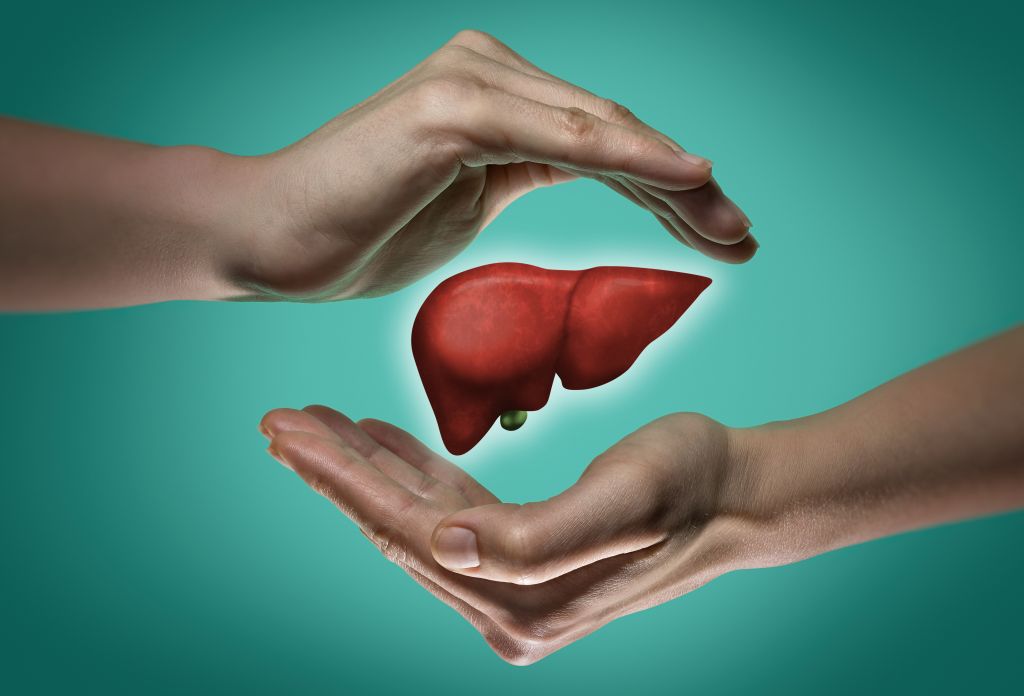
Supporting liver function isn’t just essential to prevent body odor but also plays a crucial role in overall well-being and longevity.
You can promote a healthy liver by making beneficial diet and lifestyle changes, including:
- Maintaining a healthy body weight
- Avoiding junk food, processed foods, and alcohol
- Adopting a Healthy Keto® diet plan with intermittent fasting
- Consuming plenty of cruciferous vegetables
- Drinking apple cider vinegar and lemon water daily
- Increasing your intake of choline-rich foods such as chicken, eggs, liver, and sunflower seeds
5. Avoid alcohol consumption
It takes surprisingly small amounts of alcohol to damage the liver and trigger metabolic imbalances, including elevated ammonia levels.
Given that alcohol has no health benefits and is linked to a wide range of health issues, it’s best to avoid alcohol altogether.
6. Identify potential underlying health issues
Most cases of ammonia-like odor while in ketosis can be managed with dietary and lifestyle changes.
However, in some individuals, pungent ammonia sweat can indicate underlying medical issues such as toxic kidneys, liver problems, or a severe reaction to certain medications.
If you suspect that your body odor may be related to a potential health condition, it’s crucial to consult a healthcare provider for a thorough evaluation of your symptoms.
Key takeaways
- Sweat may smell like ammonia during ketosis due to excess protein, low potassium, high alcohol intake, or poor liver or kidney function.
- Supporting keto-adaptation with hydration, electrolytes, and nutrient-dense foods can help minimize metabolic stress that can contribute to body odor.
- Limiting protein to 3 to 6 ounces per meal, eating a variety of mineral-rich foods as part of a Healthy Keto® diet, and avoiding alcohol can help your body detoxify ammonia and improve body odor.
- Persistent or strong ammonia odor should be discussed with a healthcare provider to rule out underlying health concerns.
FAQ
- 1. Does keto make you smell like ammonia?
- 2. What does ketosis sweat smell like?
- 3. Does ketosis give you body odor?
- 4. Why do I smell of ammonia on keto?
- 5. Why does my sweat smell like ammonia?
- 6. Should I be concerned if I smell like ammonia?
- 7. How bad is ammonia sweat?
- 8. Why does my sweat smell like vinegar or ammonia?
Sources
Related Articles
-
What Is Metabolic Flexibility? Why Ketosis is the Better Goal
 Diet
DietWhat Is Metabolic Flexibility? Why Ketosis is the Better Goal
At a glance Metabolic flexibility is an indicator of how easily cells can switch between fuel sources, which reflects cellular integrity and overall metabolic health. While poor metabolic flexibility can…03/19/2026 -
Keto Poop: How Keto Can Change Your Stool and Why
 Diet
DietKeto Poop: How Keto Can Change Your Stool and Why
At a glance Starting a ketogenic diet can alter stool consistency, frequency, and appearance, often referred to as keto poop. These effects are common and typically indicate that the digestive…02/06/2026 26.2k views -
Keto Dry Mouth: Causes and Solutions
 Health concerns
Keto Dry Mouth: Causes and Solutions
At a glance Keto dry mouth often appears during the early stages of a low-carb diet. Shifts in fluid balance, combined with reduced meal frequency, can temporarily decrease saliva production…11/13/2025 14.5k views -
How Long Does It Take to Get into Ketosis?
 Keto
KetoHow Long Does It Take to Get into Ketosis?
At a glance Ketosis occurs when your body begins burning fat for energy instead of sugar, while keto-adaptation marks the point when your metabolism has fully adjusted to using ketones…04/09/2025 236k views -
Keto Flu: Causes, Symptoms, and Remedies
 Keto
KetoKeto Flu: Causes, Symptoms, and Remedies
The keto flu, also known as the carb flu, is a common side effect of this dramatic reduction in carbohydrate intake, which can trigger symptoms similar to the flu, though…04/09/2025 35.4k views -
How to Get Back on Track after a Keto Cheat Day
 Diet
DietHow to Get Back on Track after a Keto Cheat Day
At a glance Keto cheat days can disrupt metabolic balance and may shift the body out of fat-burning mode for an extended period, depending on how your metabolism responds. While…04/09/2025 52.9k views -
Keto Headaches: Causes and Solutions
 Keto
KetoKeto Headaches: Causes and Solutions
At a glance Keto headaches are a common and temporary side effect when transitioning into ketosis. Staying hydrated, replenishing electrolytes and essential nutrients, and gradually reducing carb intake can help…04/09/2025 13.7k views -
How Do You Know If You Are in Ketosis? 9 Signs
 Keto
KetoHow Do You Know If You Are in Ketosis? 9 Signs
At a glance The shift into fat-burning happens at different rates for different people. Factors such as carb intake and diet history influence how quickly ketosis develops, and several testing…04/09/2025 5k views -
Exogenous Ketones: What Are They and Do They Work?
 Keto
KetoExogenous Ketones: What Are They and Do They Work?
At a glance Ketones are energy molecules produced when the body shifts from burning carbohydrates to fat, a process known as ketosis. Endogenous ketones form naturally during this fat-burning state,…04/09/2025 25.3k views -
How Long to Get Back into Ketosis after Drinking Alcohol?
 Diet
DietHow Long to Get Back into Ketosis after Drinking Alcohol?
At a glance Alcohol can interfere with ketosis, even if it’s low in carbs. The liver prioritizes ethanol detoxification over ketone production, which can quickly stop fat-burning. Getting back into…04/09/2025 19.6k views


