

At a glance
Inflammatory bowel disease (IBD) involves chronic inflammation of the digestive tract, which can impair nutrient absorption, disrupt digestion, and significantly impact the quality of life of those affected. This IBD nutrition guide offers dietary strategies designed to lower inflammation, reduce gut irritation, and support healing of the intestinal lining.
Inflammatory bowel disease (IBD) refers to a group of chronic conditions characterized by persistent intestinal inflammation, often causing a wide range of disruptive and sometimes severe symptoms.
Here’s a comprehensive IBD nutrition guide to support symptom management, promote gut lining healing, and improve digestive functions.
What is IBD?
The term irritable bowel disease (IBD) includes Crohn’s disease and ulcerative colitis, two chronic inflammatory health conditions that affect the digestive tract.
While Crohn’s disease can affect any part of the digestive tract, it most often impacts the small intestine. In contrast, ulcerative colitis typically affects only the large intestine, which includes the colon and rectum.
IBD-related inflammation can affect the entire thickness of the intestinal wall, leading to deep ulcers, continuous sores, gut narrowing, bleeding, and, in some cases, abnormal tissue connections between organs.
According to data published by the Centers for Disease Control (CDC), more than three million U.S. adults have been diagnosed with IBD, which is associated with decreased quality of life and an increased risk of complications requiring hospitalizations and surgical procedures.
IBD affects men and women equally and can develop at any age, though it’s most commonly diagnosed in teens and young adults.
However, in recent years, cases in older adults have been rising, which has been linked to various dietary and lifestyle risk factors.
Watch the video below to discover the most common nutrient deficiency in IBD.
What causes IBD?
“IBD is classified as an immune-mediated inflammatory disease,” explains Dr. Berg. “This means that immune cells mistakenly attack the gastrointestinal tract or mount abnormal immune responses to gut bacteria, leading to widespread inflammation and tissue damage.”
In addition, a genetic predisposition and exposure to environmental factors such as smoking, chronic stress, and gastrointestinal infections can significantly increase the risk of developing IBD.
A study published in Nutrients suggests that vitamin D deficiency is a risk factor for IBD, possibly due to vitamin D’s importance in regulating balanced immune functions.
In addition, intestinal permeability and dysbiosis, which is the presence of harmful bacteria in the gut, may trigger or worsen abnormal immune responses typically seen in IBD patients.
Because a Western diet, characterized by the intake of ultra-processed foods and added sugars, has also been linked to an increased IBD risk, increasingly more research is exploring nutritional therapies to help manage these conditions.
This has been confirmed by research published in the World Journal of Experimental Medicine, stating, “Diet is one of several important environmental factors associated with IBD etiopathology.”

Common symptoms of IBD
Symptoms of IBD can vary in severity and depend on whether the individual is affected by Crohn’s disease or ulcerative colitis.
IBD symptoms associated with both Crohn’s disease and ulcerative colitis include:
- Abdominal pain
- Persistent diarrhea
- Weight loss
- Bloating
- Poor digestive functions
Blood in the stool and lower abdominal pain are more characteristic of ulcerative colitis. In contrast, malnutrition and nutrient deficiencies are more common in Crohn’s disease as this condition involves the small intestine, where most nutrient absorption occurs.
In some cases, IBD can present with similar symptoms to irritable bowel syndrome (IBS), a functional digestive disorder that does not involve significant gut inflammation.
If you experience unusual digestive symptoms or notice changes in your bowel habits, it’s essential to consult a healthcare provider for a thorough evaluation and diagnosis.
How IBD affects digestion
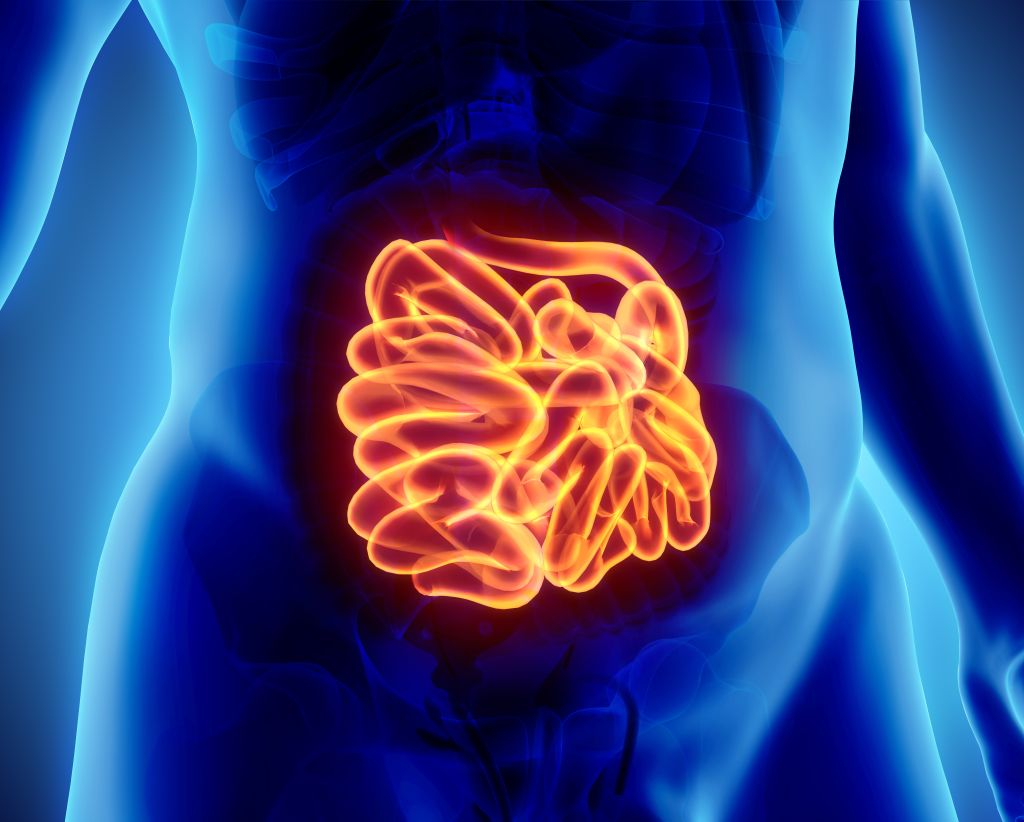
IBD is characterized by intestinal inflammation, which damages the gut lining and can impair essential digestive processes.
Those affected by Crohn’s disease often experience significantly reduced nutrient absorption, which can lead to nutritional deficiencies and unintentional weight loss.
Furthermore, IBD can impair the release of digestive enzymes and compromise the integrity of the mucosal lining, thereby increasing the risk of poor fat absorption, weakened immune defenses, and impaired gut motility.
Individuals with ulcerative colitis primarily experience colon-related gut problems. Inflammation in the large intestines can cause chronic diarrhea and interfere with fluid absorption. This can lead to dehydration, electrolyte imbalances, and a disrupted gut microbiome.
Because the gut microbiome plays a fundamental role in maintaining balanced immune responses and digestive functions, intestinal inflammation can further worsen IBD severity and contribute to ongoing digestive problems.
4 IBD nutrition tips
Managing IBD symptoms requires a comprehensive dietary strategy that avoids gut irritants while prioritizing foods with immune system-balancing and anti-inflammatory effects.
Here are four IBD nutrition tips to support digestive comfort.
1. Avoid high-fiber foods
Effectively managing IBD symptoms often requires avoiding high-fiber foods, especially those containing fermentable oligosaccharides, disaccharides, monosaccharides, and polyols (FODMAPs).
FODMAPs are a group of carbohydrates that are poorly absorbed, can draw fluid into the intestine, and are rapidly fermented by gut bacteria, which may trigger or worsen IBD symptoms such as intestinal irritation, bloating, and diarrhea.
A study published in Scientific Reports found that limiting FODMAP intake appeared to be among various potentially beneficial dietary treatments for those affected by IBD.
2. Prioritize nutrient-dense whole foods
Supporting the nutritional status of IBD patients is crucial, as nutritional deficiencies not only impact gut functions but can negatively affect overall health and well-being.
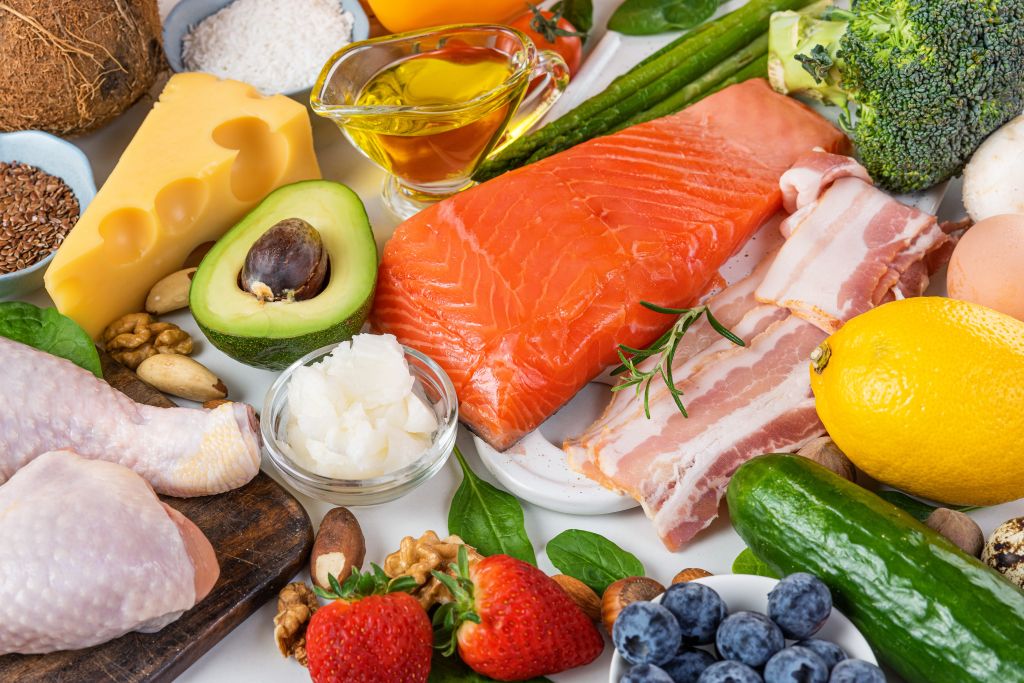
This highlights the importance of prioritizing minimally processed whole foods rich in vitamins, minerals, healthy fats, and high-quality protein to help meet daily nutritional needs, reduce the risk of deficiencies, and support overall gut and immune health.
3. Support a diverse gut microbiome
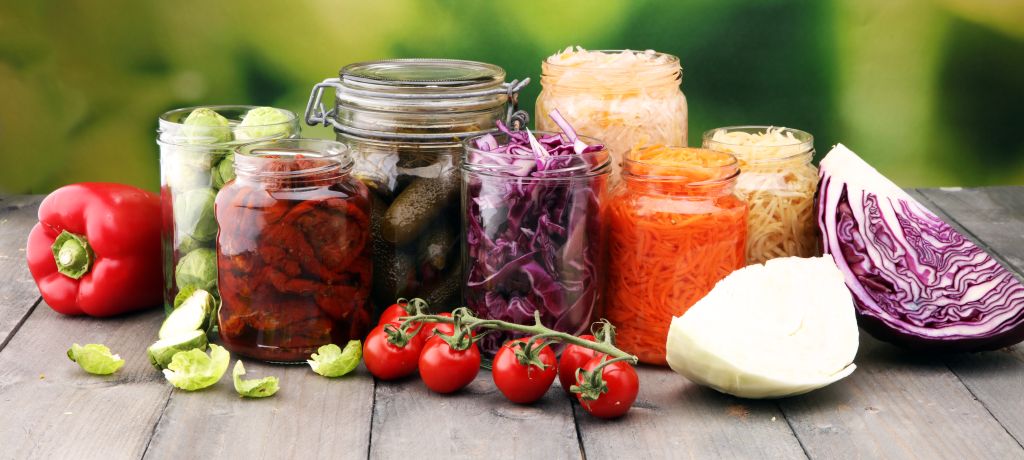
According to evidence published in ACS Food Science & Technology, fermented foods have demonstrated therapeutic potential in managing IBD-related symptoms and reducing disease severity.
Fermented foods such as sauerkraut, kimchi, miso, kefir, yogurt, and kombucha are rich sources of beneficial bacteria that help support a balanced gut microbiome.
Supporting microbial diversity may improve digestive functions, help reduce gut inflammation, and strengthen immune function, making it an essential component of a targeted IBD dietary strategy.
4. Focus on an anti-inflammatory diet
While the Mediterranean diet has been extensively studied for its anti-inflammatory benefits, this dietary approach does include high-fiber foods that could exacerbate IBD symptoms.
In contrast, a well-formulated carnivore diet naturally avoids processed foods, FODMAPs, and high-fiber ingredients, all of which support IBD management. Additionally, this meal plan ensures adequate fat and protein intake, which is crucial for gut lining healing and maintaining immune system balance.
In addition, the ketogenic diet has long been recognized for its anti-inflammatory effects, which are linked to the profound hormonal and metabolic changes that occur when carbohydrate intake is limited.
Research published in Nutrients examined the impact of a low-carbohydrate diet on IBD management and found that a ketogenic diet may help reduce gut inflammation and support symptom improvement.
This highlights the potential benefits of following a nutrient-dense low-carb diet such as Healthy Keto®, which focuses on healthy fats, organic produce, wild-caught fish and game meat, pasture-raised protein, and full-fat dairy.
However, it’s vital to discuss any dietary therapy with a healthcare provider or registered dietitian to ensure nutritional adequacy and tailor the approach to individual IBD needs and tolerances.
Best foods for IBD
Consuming minimally processed whole foods that offer essential nutrients without irritating the gut lining is vital for supporting digestive health and managing symptoms.
Here are some of the best foods to include in a nutrient-dense IBD diet.
1. Oily fish
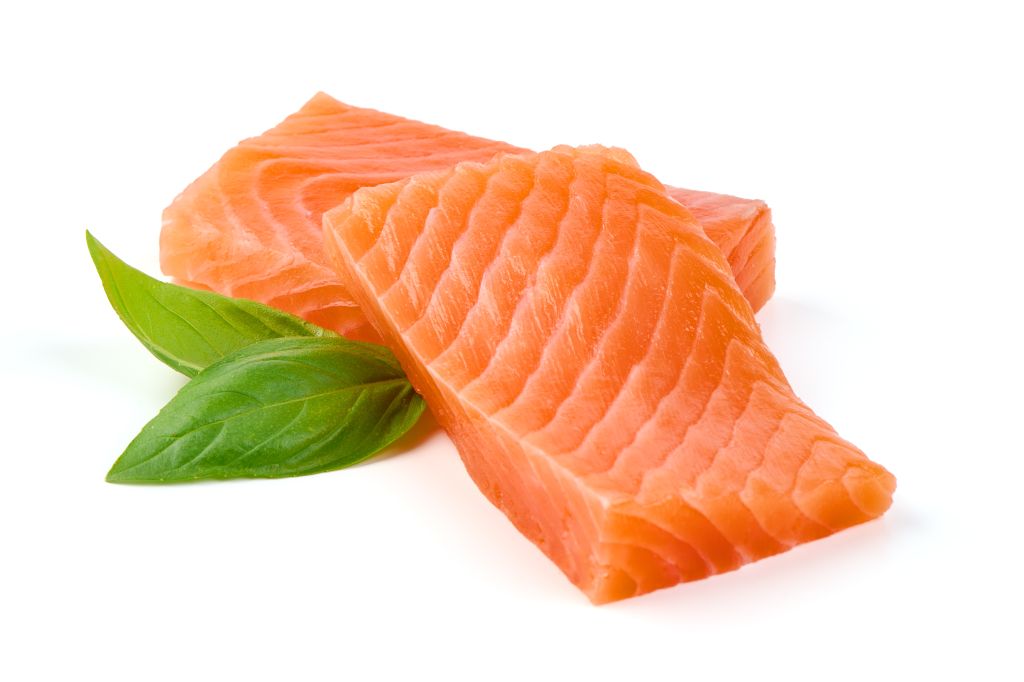
Oily fish such as salmon, sardines, mackerel, and tuna are rich in omega-3 fatty acids, which help support a balanced inflammatory response.
These healthy fats may also promote gut healing and support overall digestive health.
2. Glutamine-rich foods
Eating foods high in glutamine, such as eggs, beef, chicken, and bone broth, can help nourish and repair the intestinal lining.
Glutamine is a critical amino acid that supports gut barrier integrity, which is especially important for individuals with IBD.
3. Nourishing fats
Healthy fats, such as avocado, olive oil, ghee, grass-fed butter, and fatty fish, provide the body with energy without irritating the digestive tract.
These nourishing fats also help reduce inflammation and support the absorption of fat-soluble nutrients, including vitamins A, D, E, and K, which play a vital role in maintaining gut function and overall health and well-being.
4. High-quality protein
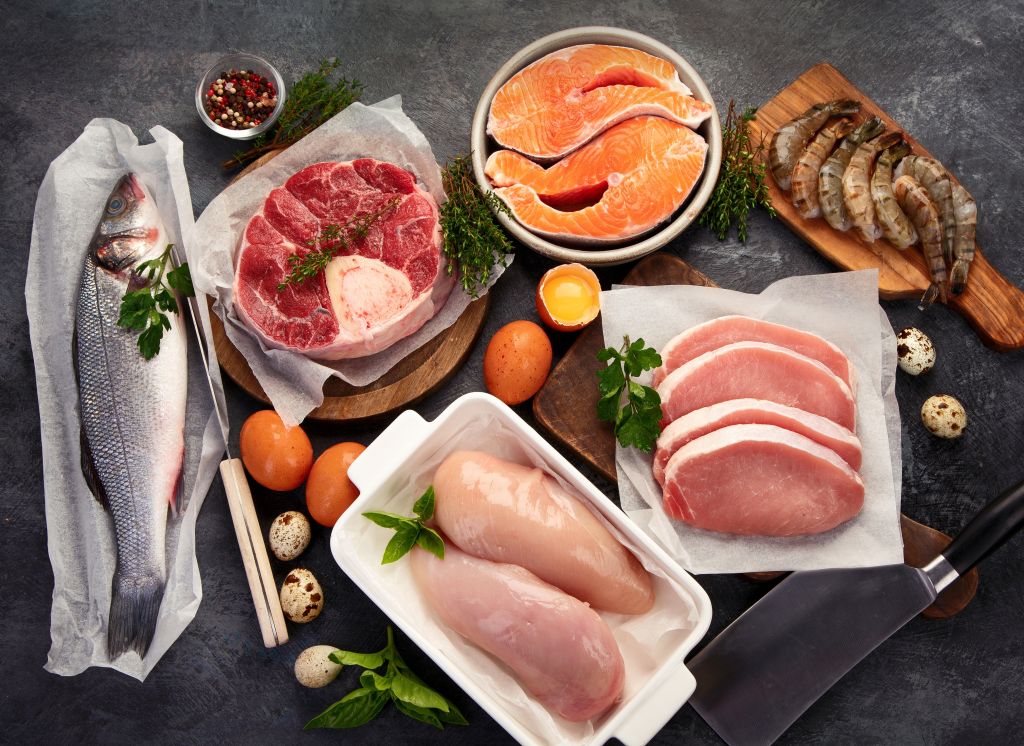
Grass-fed meats, organically raised poultry, wild-caught fish, and pasture-raised eggs offer high-quality protein. This helps support tissue repair and maintain muscle mass, which can be impacted during IBD flare-ups.
While organic, full-fat dairy products also offer high-quality protein and nourishing fats, many individuals with Crohn’s disease experience lactose intolerance. Therefore, it’s essential to listen to how the body responds and adjust dairy intake accordingly.
5. Fermented foods
Fermented foods such as kefir, yogurt, sauerkraut, and kimchi contain beneficial probiotic bacteria that support a healthy gut microbiome.
Improving and supporting microbial balance may help reduce IBD-related digestive discomfort and support immune function.
6. Non-starchy vegetables
If tolerated, small amounts of cooked non-starchy vegetables, such as zucchini, spinach, carrots, and green beans, can help provide essential vitamins and minerals without the digestive strain associated with high-fiber foods.

Worst foods for IBD
Certain foods can exacerbate inflammation, trigger IBD flare-ups, and strain an already sensitive digestive tract.
Here are the worst foods and beverages for those with IBD:
- Ultra-processed foods
- Processed meats and snack foods
- Added sugars and refined carbohydrates
- Artificial sweeteners
- Whole-grain products
- Gluten-containing foods
- Granola bars
- Cereals
- Spicy food
- Raw or high-fiber vegetables
- Dried and fresh fruit
- High FODMAP foods
- Nuts
- Seeds
- Beans and legumes
- Alcohol
- Soda
- Sports and energy drinks
Key takeaways
- IBD includes Crohn’s disease and ulcerative colitis, both involving chronic inflammation of the digestive tract.
- Symptoms associated with IBD often include abdominal pain, diarrhea, bloating, and nutrient deficiencies.
- Intestinal inflammation can disrupt digestion, weaken the gut lining, and alter the microbiome, significantly impacting overall health and well-being.
- Nutrition plays a key role in IBD management, and following a low-FODMAP diet while prioritizing anti-inflammatory and nutrient-dense foods has shown potential benefits.
- Avoiding high-fiber and processed foods while focusing on healthy fats, high-quality protein, and fermented foods if tolerated can play a vital role in managing IBD symptoms.
FAQ
- 1. What is IBD?
- 2. What causes IBD?
- 3. What foods are easiest to digest if you have IBD?
- 4. What should I avoid during IBD flare-ups?
- 5. How can I support nutrient intake with IBD?
Sources
- Prevalence of Inflammatory Bowel Disease Among Adults Aged ≥18 Years — United States, 2015. Centers for Disease Control and Prevention. Accessed 2026. https://www.cdc.gov/mmwr/volumes/65/wr/mm6542a3.htm
- Dell’Anna G, Fanizzi F, Zilli A, et al. The Role of Vitamin D in Inflammatory Bowel Diseases: From Deficiency to Targeted Therapeutics and Precise Nutrition Strategies. Nutrients. 2025;17(13):2167. https://www.mdpi.com/2072-6643/17/13/2167
- de Castro MM, Pascoal LB, Steigleder KM, et al. Role of diet and nutrition in inflammatory bowel disease. World J Exp Med. 2021;11(1):1-16. https://pmc.ncbi.nlm.nih.gov/articles/PMC7852575/#sec11
- Narimani B, Sadeghi A, Daryani NE, et al. Effectiveness of a novel diet in attenuation of clinical activity of disease in patients with ulcerative colitis: a randomized, clinical trial. Sci Rep. 2024;14(1):13791. https://www.nature.com/articles/s41598-024-64512-8?error=cookies_not_supported&code=61a3c0df-a9a3-4f1c-b1d9-7a0eeab11d9f
- Cruz-Valencia R, Santiago-López L, Mojica L, et al. Effect of Fermented Foods on Inflammatory Bowel Disease: A Focus on the MAPK and NF-kβ Pathways. ACS Food Sci Technol. 2025;5(2):398-410. https://pubs.acs.org/doi/10.1021/acsfoodscitech.4c00628
- Gubatan J, Kulkarni CV, Talamantes SM, Temby M, Fardeen T, Sinha SR. Dietary Exposures and Interventions in Inflammatory Bowel Disease: Current Evidence and Emerging Concepts. Nutrients. 2023;15(3):579. https://pmc.ncbi.nlm.nih.gov/articles/PMC9921630/
Related Articles
-
Does Fasting Help with Inflammation?
 Diet
DietDoes Fasting Help with Inflammation?
At a glance Fasting is a powerful tool for reducing inflammation and supporting overall health. By promoting fat burning and activating cellular repair processes, fasting can help lower pro-inflammatory markers.…06/05/2026 -
What Is Modified Food Starch?
 Foods to avoid
What Is Modified Food Starch?
At a glance Modified food starch is a widely used food additive and thickening agent. However, it may affect metabolic balance and gut health, particularly when consumed as part of…05/14/2026 -
Food Preservatives: Types, Safety, and Health Effects
 Nutrition
Food Preservatives: Types, Safety, and Health Effects
At a glance Food preservatives are common additives in packaged and processed food products that help extend shelf life and prevent spoilage. While some preservatives are derived from natural sources…04/03/2026 -
Nitric Oxide and Viagra: What’s the Connection?
 Health concerns
Nitric Oxide and Viagra: What’s the Connection?
At a glance Nitric oxide is a key signaling molecule that relaxes blood vessels, improves circulation, and supports sexual functions. Viagra works by prolonging the effects of nitric oxide, which…03/19/2026 5.9k views -
Natural Flavors vs. Artificial Flavors
 Nutrition
Natural Flavors vs. Artificial Flavors
At a glance Both natural and artificial flavors are widely used in everyday food products to enhance their taste and aroma. It’s generally known that artificial flavoring substances are linked…03/12/2026 -
4 Asthma Remedies to Try at Home
 Health concerns
4 Asthma Remedies to Try at Home
At a glance Asthma is a chronic inflammatory condition that narrows the airways and makes breathing difficult, especially during asthma attacks. While conventional care is often necessary, natural asthma remedies…03/06/2026 17.6k views -
What Is the Top Cause of Rosacea?
 Health concerns
What Is the Top Cause of Rosacea?
At a glance Rosacea is a chronic skin condition marked by facial redness and discomfort. The cause of rosacea extends beyond the skin, with growing research highlighting the connection between…02/20/2026 8.1k views -
Why You’re Not Losing Belly Fat on Keto
 Diet
DietWhy You’re Not Losing Belly Fat on Keto
At a glance Shedding stubborn belly fat may require more than cutting carbs. Insulin levels, stress hormones, liver function, and muscle mass all influence how efficiently your body can access…02/20/2026 13k views -
Can Iron Tablets Make You Feel Sick?
 Nutrition
Can Iron Tablets Make You Feel Sick?
At a glance Iron tablets can make you feel sick by irritating the intestines, altering the gut microbiome, and potentially damaging intestinal cells. While iron is essential in trace amounts,…02/13/2026 6.5k views -
What Causes Inflamed Eyelids?
 Health concerns
What Causes Inflamed Eyelids?
At a glance Inflamed eyelids can develop when the structures that protect, lubricate, and support the eyes are disrupted. Common contributors include blocked oil glands, allergies, infections, or trauma to…02/13/2026 10.3k views


