

At a glance
Vitamin D is produced in the skin through exposure to UVB rays. However, tanning beds don’t emit the UVB rays needed for this process and instead deliver primarily UVA radiation, which can damage the skin and increase the risk of cancer. Natural sunlight and dietary sources remain the safest ways to support healthy vitamin D levels.
Vitamin D is crucial for many physiological functions, and maintaining healthy vitamin D levels has many health benefits.
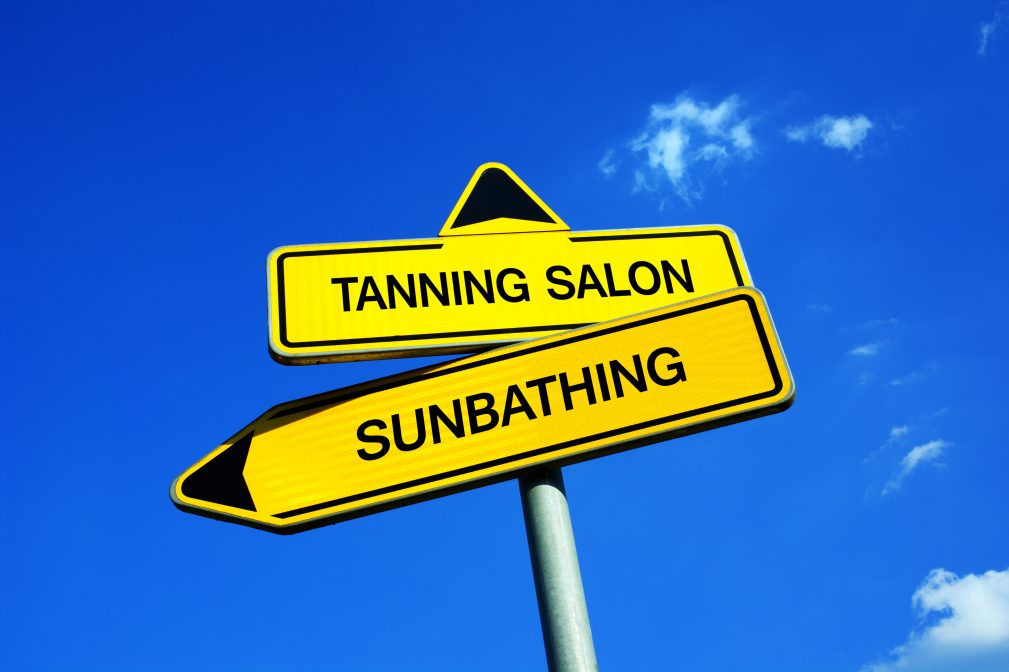
Vitamin D is the only nutrient produced when the skin is exposed to sunlight, and it’s vital to understand that using tanning beds won’t raise vitamin D levels but may increase your risk of developing skin cancer.
Learn why tanning beds don’t boost vitamin D and what steps you can take to promote healthy vitamin D levels.
How your body gets vitamin D from the sun
Vitamin D, the sunshine vitamin, is produced when the skin is exposed to ultraviolet B (UVB) radiation from sunlight. UVB rays permeate into the epidermal layer of the skin and trigger vitamin D synthesis.
This complex biochemical pathway transforms stored previtamin D3 into vitamin D3, which is transported to the liver and kidneys and converted into an active form.
“Natural sunlight comprises different types of UV radiation, including UVA, UVB, and UVC light,” explains Dr. Berg. “However, vitamin D production can only be activated by UVB rays.”
How much vitamin D your body can produce depends on factors including your average UVB light exposure, age, skin tone, body weight, health status, and geographical location.
Watch the video below to learn why artificial UV radiation doesn’t promote vitamin D production.
Do you get vitamin D when you use a tanning bed?
Getting enough vitamin D from using tanning beds to maintain healthy vitamin D levels is impossible.
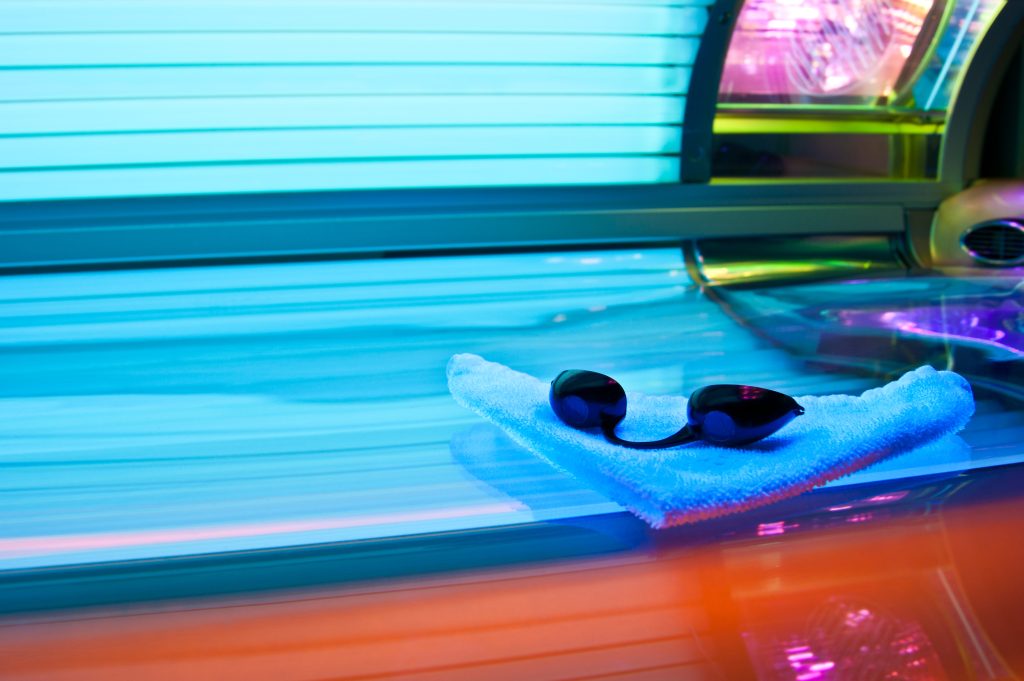
Indoor tanning equipment found in most tanning salons doesn’t emit the UVB radiation needed to trigger vitamin D production.
Tanning beds cause your skin to tan because they operate with UVA light that penetrates deeper into the skin compared to UVB light. While you may enjoy an even-looking tan, tanning lamps may increase your cancer risk.
The Skin Cancer Foundation issued a statement highlighting tanning beds’ ineffectiveness in raising vitamin D levels. This report also warned frequent tanners of skin damage linked to indoor tanning and the cancer-causing effects of artificial UVA radiation.
This has been confirmed by research published in the Journal of the American Academy of Dermatology reporting that visiting tanning salons significantly increases the risk of skin cancer, including basal cell carcinoma (BCC) and squamous cell carcinoma (SCC).
The authors summarize, “Indoor tanning was associated with a 69% increased risk of early-onset BCC. This association was stronger among women.”
In fact, a ten-minute tanning session can expose you to 12 times the annual UVA dose compared to the dose you obtain from natural sunlight exposure.
UVA radiation contains photons that can reach deep layers of skin and cause oxidative damage to cellular structures and DNA, significantly increasing the risk of carcinogenesis and skin cancer development.
How to replenish vitamin D in the winter
Most people live in regions with limited sunshine during the winter months, and it’s unsurprising that the risk of vitamin D deficiency is significantly greater during winter than in summer.
Vitamin D can be found in some foods, including oily fish, egg yolks, beef liver, and fortified milk. However, food sources typically contain minimal amounts, and it’s unlikely you will get enough vitamin D from dietary intake alone.
Vitamin D supplements and cod liver oil products are popular dietary supplements and offer an easy and convenient way to promote healthy vitamin D levels.
To get the most benefit from vitamin D supplementation, choose vitamin D3, which is the same active form of vitamin D produced in your skin.
In addition, it’s best to combine vitamin D3 supplementation with vitamin K2 to support calcium balance and promote healthy bones.
Key takeaways
- Tanning beds won’t raise vitamin D levels because they emit UVA, not UVB, radiation.
- Excessive UVA exposure from tanning beds increases the risk of oxidative damage and skin cancer.
- Natural sun exposure activates vitamin D3 production through UVB rays that penetrate the skin, triggering a biochemical chain reaction.
- Dietary vitamin D sources, vitamin D3 supplements, and cod liver oil offer a convenient way to support healthy levels, especially during winter months.
FAQ
- 1. How long do you have to be in a tanning bed for vitamin D?
- 2. How much vitamin D do you get from a sunbed?
- 3. Is there any benefit to tanning beds?
- 4. How can I get vitamin D without sunlight?
- 5. Can you get vitamin D from using a tanning bed?
Sources:
- https://www.skincancer.org/blog/sun-protection-and-vitamin-d/
- https://pmc.ncbi.nlm.nih.gov/articles/PMC3307842/
Related Articles
-
Vitamin D2 vs. D3 Supplements: What’s the Difference?
 Supplements
Vitamin D2 vs. D3 Supplements: What’s the Difference?
At a glance Vitamin D2 and vitamin D3 are two forms of supplemental vitamin D. Although both contribute to vitamin D intake, they differ in structure, stability, and effectiveness in…05/21/2026 -
Liquid vs. Capsule Vitamin D Supplements
 Nutrients
Liquid vs. Capsule Vitamin D Supplements
At a glance Vitamin D is a fat-soluble nutrient that functions more like a hormone than a traditional vitamin by regulating calcium absorption, supporting immune function, and influencing critical cellular…05/21/2026 -
Vitamin D Supplements: Forms and How to Choose
 Supplements
Vitamin D Supplements: Forms and How to Choose
At a glance Vitamin D supplements differ in form and formulation, which can influence how vitamin D is absorbed, metabolized, and retained in the body. Individual factors such as sun…05/14/2026 -
Cod Liver Oil – Benefits and Side Effects
 Nutrition
Cod Liver Oil – Benefits and Side Effects
At a glance Cod liver oil is a nutrient-dense oil derived from the livers of Atlantic codfish, valued for its rich content of omega-3 fatty acids such as EPA and…04/03/2026 13.6k views -
Can Low Vitamin D Cause Depression in Teenagers?
 Vitamins
Can Low Vitamin D Cause Depression in Teenagers?
At a glance Vitamin D is essential for brain health, and low levels in teenagers may increase the risk of depression. Insufficient sunlight exposure and poor dietary habits can contribute…02/26/2026 10.8k views -
Cholesterol and Vitamin D: How Are They Connected?
 Heart health
Cholesterol and Vitamin D: How Are They Connected?
At a glance Cholesterol and vitamin D are closely connected, as cholesterol is required to produce vitamin D, and vitamin D is needed to balance the body’s cholesterol pool. Understanding…02/20/2026 28.2k views -
The Connection Between Vitamin D and Gallbladder Health
 Health concerns
The Connection Between Vitamin D and Gallbladder Health
At a glance Vitamin D and gallbladder health are closely connected, as adequate bile flow is essential for the absorption of vitamin D. At the same time, low vitamin D…01/29/2026 10.7k views -
7 Common Signs of Vitamin Deficiencies in Nails
 Nutrition
7 Common Signs of Vitamin Deficiencies in Nails
At a glance Nails can serve as a biological record of your health, as changes in nail strength, shape, color, or texture may signal nutrient deficiencies. Supporting optimal nutrient levels…01/23/2026 33.4k views -
Osteoporosis and Osteopenia: How to Support Strong Bones
 Health concerns
Osteoporosis and Osteopenia: How to Support Strong Bones
At a glance Osteopenia and osteoporosis are age-related conditions marked by gradual bone density loss that often develops without clear symptoms. Changes in bone strength can increase fracture risk and…01/08/2026 5.9k views -
Can Vitamin D Help You Sleep Better?
 Vitamins
Can Vitamin D Help You Sleep Better?
At a glance Vitamin D supports hormonal balance and may help promote melatonin production, both of which are essential for healthy sleep. Supporting optimal vitamin D levels through sunlight, diet,…01/08/2026 8.4k views


