


At a glance
Vitamin D is essential for brain health, and low levels in teenagers may increase the risk of depression. Insufficient sunlight exposure and poor dietary habits can contribute to a deficiency. Maintaining healthy vitamin D levels can support emotional wellness and help reduce depressive symptoms in teens.
Vitamin D plays an essential role in maintaining brain function and neurotransmitter balance, and low vitamin D levels may trigger depressive symptoms in teenagers.
While vitamin D is produced when sunlight hits the skin, more than 40 percent of children and teens don’t get enough sunlight exposure, increasing their risk of low moods and depression.
Learn why vitamin D promotes brain health and discover how to maintain healthy levels to lower your teen’s risk of developing depressive symptoms.
Teenagers, vitamin D, and depression
Vitamin D is an essential nutrient that plays a vital role in bone health, immune function, cellular integrity, and normal blood pressure regulation.
In addition, this fat-soluble vitamin is crucial for maintaining optimal central nervous system functions and supporting neurotransmitter balance, two vital aspects of emotional wellness.
Research published in MedRxiv investigated the link between vitamin D status and mental health in teenagers, reporting that deficiency appears to increase the risk of depressive disorders.
The authors summarize, “Our research indicates that vitamin D deficiency is associated with depression among adolescents and young adults.”
Vitamin D, also known as the sunshine vitamin, is produced in the skin in response to ultraviolet B (UVB) radiation in sunlight.
However, most teenagers spend a lot of their time indoors behind computer screens, which is directly linked to low vitamin D levels, leaving teens at increased risk of developing depression.
Vitamin D has potent neurotrophic properties that help promote normal brain functions and regulate neurotransmitter balance.
The production of serotonin, a neurotransmitter that regulates moods, requires adequate vitamin D levels, and research published in Molecular Psychiatry suggests that imbalanced serotonin is a main risk factor for depression, anxiety disorders, and low moods.
The role of vitamin D in supporting brain health and overall emotional well-being isn’t limited to maintaining neurotransmitter balance.
A study published in the International Journal of Molecular Sciences summarizes that vitamin D has potent anti-inflammatory properties that have been shown to reduce inflammation and neuronal damage in the brain.
While inflammation is a natural response to injury or infection, common dietary and lifestyle behaviors of teenagers, such as a poor diet, high sugar and carb consumption, alcohol or drug use, and lack of physical activity, can lead to chronic neuroinflammation of brain tissue.
Because vitamin D is fat-soluble, it can enter fatty tissue such as the brain, where it can help protect from neuroinflammation that has been directly linked to the development of depression.
Watch the video below to learn more about low vitamin D levels and depression in teens.
Signs of vitamin D deficiency
Vitamin D deficiency can be challenging to diagnose, leaving many unaware that they may be affected by low levels of this essential nutrient.
However, if your teenager experiences muscle weakness, fatigue, bone pain, hair loss, insomnia, depression, and anxiety, it’s best to consult a healthcare provider to perform a simple blood test to assess vitamin D status.
A lack of adequate sunlight exposure isn’t the only risk factor for inadequate vitamin D levels in teens.
“Individuals with darker skin tones produce less vitamin D in response to sunlight exposure than people with lighter skin, making dark-skinned teens more susceptible to low vitamin D levels,” says Dr. Berg.
You may be surprised that your teen can still be vitamin D-deficient despite regular sun exposure.
Vitamin D production is triggered by UVB radiation, and only areas close to the equator benefit from year-round UVB rays, increasing the risk of severe vitamin D deficiency in populations living north of the equator.

How to increase vitamin D levels
Regular sunlight exposure is the most effective way to maintain healthy vitamin D levels. Short periods of sun on bare skin several times per week can help the body produce adequate vitamin D.
Dietary sources, such as fatty fish, cod livers with the oil, egg yolks, and organ meat, can provide additional support, though they typically contain only small amounts and should be combined with adequate sunlight exposure.
If you are concerned about your teen’s vitamin D status, it’s important to consult a healthcare provider.
Regular blood tests can assess levels and guide safe, effective strategies to ensure adequate vitamin D levels, particularly for those at higher risk of deficiency.
It’s important to remember that vitamin D deficiency is just one potential cause of depression. If your teen shows any signs of depressive symptoms, consult with a healthcare provider to determine all possible underlying causes and formulate an appropriate treatment plan.
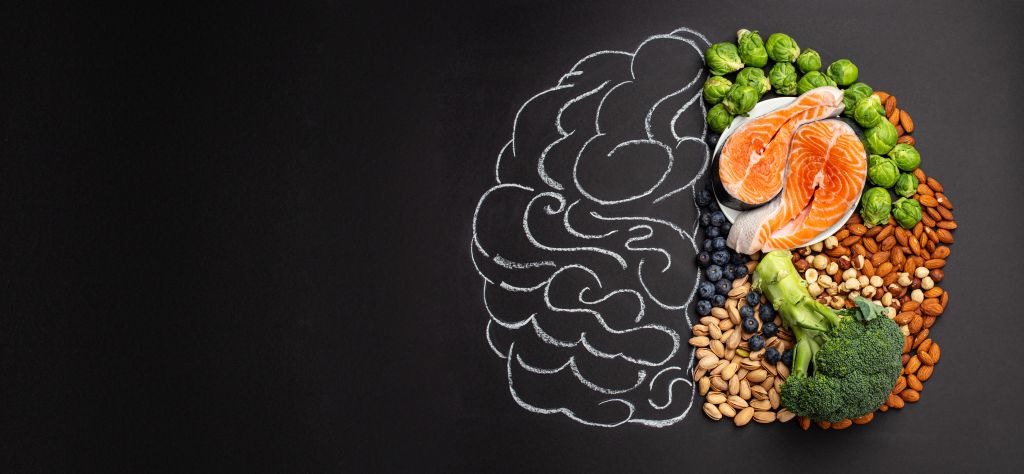
Other possible nutritional causes of depression
Vitamin D isn’t the only nutrient that supports brain function, and maintaining optimal mental health depends on a wide range of vitamins, minerals, and fatty acids.
This has been confirmed by a study published in Advances in Nutrition, which suggests nutritional deficiencies can significantly increase the risk of depression in teenagers.
Here are three nutritional factors that may increase the risk of depression in teenagers.
1. Low omega-3 fatty acid intake
Regular consumption of marine omega-3 fats has been found to lower the risk of developing depression in teenagers and adults.
Seafood, such as salmon, tuna, sardines, shellfish, and herring, is a rich source of eicosapentaenoic acid (EPA) and docosahexaenoic acid (DHA), two potent anti-inflammatory omega-3 fatty acids.
Both EPA and DHA can enter the brain and reduce the risk of neuroinflammation, which may help prevent the development of depressive symptoms.
In addition, 25 percent of brain tissue is composed of DHA, and adequate dietary intake is crucial to support normal brain development and function.
This may explain why teens with the lowest intake of oily fish are at significantly greater risk of depression than teens who consume dietary sources of omega-3 fatty acids frequently.
2. Lack of vitamin B12
Vitamin B12 is an essential vitamin found mainly in animal sources such as meat, dairy, fish, and eggs.
This B vitamin is a crucial cofactor for the production of neurotransmitters. Inadequate vitamin B12 levels can result in low serotonin concentrations, which are linked to a lack of interest, irritability, and mood disorders.
Fast foods and heavily processed foods often lack vitamin B12. Unfortunately, these foods are often a preferred choice of teenagers, leaving them at increased risk of low vitamin B12 levels and depression.
3. High intake of sugars and refined carbs
A diet high in sugar and refined carbs can worsen depressive symptoms in children and teens.
Excessive and regular intake of sugar and carbs can cause the cells in the brain to become resistant to insulin, the key metabolic hormone that regulates blood sugar balance.
Insulin resistance is a major risk factor for depression and has been found to disrupt neuronal signaling, imbalances neurotransmitter levels, and cause neuroinflammation.
Interestingly, eating sugar depletes vitamin B1, a crucial B vitamin that protects the central nervous system from the impacts of stress and supports the growth and renewal of neurons.
Many teenagers consume sugary foods, sodas, processed snack foods, and refined carbohydrates, which can adversely affect their brain health and contribute to depression.
Key takeaways
- Vitamin D deficiency in teenagers is linked to an increased risk of depression and mood disorders.
- Maintaining adequate vitamin D levels supports neurotransmitter balance, brain function, and reduces neuroinflammation.
- Regular sun exposure and prioritizing vitamin D-rich foods are effective strategies to support healthy levels.
- Lack of omega-3 fatty acids and vitamin B12, as well as excessive sugar intake, may also worsen or contribute to depressive symptoms.
- Ensuring a balanced diet and regular sun exposure can protect brain health and promote emotional well-being in teens.
FAQ
- 1. Can vitamin D deficiency affect mental health?
- 2. Can low vitamin D cause depression in a teenager?
- 3. What are the signs of low vitamin D in adolescents?
- 4. How can I increase my child’s vitamin D level?
- 5. Can depression be caused by low vitamin D?
Sources:
- Joseph P. Nano, William A. Catterall, Violet Filer, Salar Khaleghzadegan, Ricardo Almazan, Heather B. Blunt, et al. Vitamin D deficiency and depressive episodes in adolescents and young adults: systematic review and meta-analysis. medRxiv. 2025:2025.02.11.25321917. doi:10.1101/2025.02.11.25321917 https://www.medrxiv.org/content/10.1101/2025.02.11.25321917v1.full
- “The serotonin theory of depression: a systematic umbrella review of the evidence | Molecular Psychiatry.” nature.com. https://www.nature.com/articles/s41380-022-01661-0
- Di Somma C, Scarano E, Barrea L, Zhukouskaya VV, Savastano S, Mele C, et al. Vitamin D and Neurological Diseases: An Endocrine View. Int J Mol Sci. 2017;18(11). doi:10.3390/ijms18112482 https://pubmed.ncbi.nlm.nih.gov/29160835/
- Campisi SC, Zasowski C, Shah S, Shah A, Bradley-Ridout G, Korczak DJ, et al. Assessing the Evidence of Micronutrients on Depression among Children and Adolescents: An Evidence Gap Map. Adv Nutr. 2020;11(4):908-927. doi:10.1093/advances/nmaa021 https://pmc.ncbi.nlm.nih.gov/articles/PMC7360446/
Related Articles
-
What Is the Best Time to Take Magnesium?
 Supplements
What Is the Best Time to Take Magnesium?
At a glance The best time to take magnesium depends on your primary health goals and daily routine. Morning magnesium intake can support daytime stress management and energy production, while…08/31/2026 -
Vitamin D2 vs. D3 Supplements: What’s the Difference?
 Supplements
Vitamin D2 vs. D3 Supplements: What’s the Difference?
At a glance Vitamin D2 and vitamin D3 are two forms of supplemental vitamin D. Although both contribute to vitamin D intake, they differ in structure, stability, and effectiveness in…05/21/2026 -
Liquid vs. Capsule Vitamin D Supplements
 Nutrients
Liquid vs. Capsule Vitamin D Supplements
At a glance Vitamin D is a fat-soluble nutrient that functions more like a hormone than a traditional vitamin by regulating calcium absorption, supporting immune function, and influencing critical cellular…05/21/2026 -
Vitamin D Supplements: Forms and How to Choose
 Supplements
Vitamin D Supplements: Forms and How to Choose
At a glance Vitamin D supplements differ in form and formulation, which can influence how vitamin D is absorbed, metabolized, and retained in the body. Individual factors such as sun…05/14/2026 -
Cod Liver Oil – Benefits and Side Effects
 Nutrition
Cod Liver Oil – Benefits and Side Effects
At a glance Cod liver oil is a nutrient-dense oil derived from the livers of Atlantic codfish, valued for its rich content of omega-3 fatty acids such as EPA and…04/03/2026 13.6k views -
Cholesterol and Vitamin D: How Are They Connected?
 Heart health
Cholesterol and Vitamin D: How Are They Connected?
At a glance Cholesterol and vitamin D are closely connected, as cholesterol is required to produce vitamin D, and vitamin D is needed to balance the body’s cholesterol pool. Understanding…02/20/2026 28.2k views -
The Connection Between Vitamin D and Gallbladder Health
 Health concerns
The Connection Between Vitamin D and Gallbladder Health
At a glance Vitamin D and gallbladder health are closely connected, as adequate bile flow is essential for the absorption of vitamin D. At the same time, low vitamin D…01/29/2026 10.7k views -
7 Nail Changes That May Be Linked to Nutrient Deficiencies
 Nutrition
7 Nail Changes That May Be Linked to Nutrient Deficiencies
At a glance Nails can serve as a biological record of your health, as changes in nail strength, shape, color, or texture may signal nutrient deficiencies. Supporting optimal nutrient levels…01/23/2026 33.4k views -
Osteoporosis and Osteopenia: How to Support Strong Bones
 Health concerns
Osteoporosis and Osteopenia: How to Support Strong Bones
At a glance Osteopenia and osteoporosis are age-related conditions marked by gradual bone density loss that often develops without clear symptoms. Changes in bone strength can increase fracture risk and…01/08/2026 5.9k views -
Can Vitamin D Help You Sleep Better?
 Vitamins
Can Vitamin D Help You Sleep Better?
At a glance Vitamin D supports hormonal balance and may help promote melatonin production, both of which are essential for healthy sleep. Supporting optimal vitamin D levels through sunlight, diet,…01/08/2026 8.4k views