

At a glance
Gallbladder flushes are promoted as natural methods to clear gallstones and thick bile, but they can trigger significant digestive distress and may impair normal gallbladder function. Emphasizing diet and lifestyle habits offers a safer and more reliable way to support gallbladder health and lower the risk of gallstone formation.
Some claim a gallbladder flush helps dissolve gallstones and bile sludge using extra-virgin olive oil, Epsom salt, fruit juices, and other natural ingredients.
However, there’s limited evidence to support the efficacy of gallbladder flushes, and many of these practices can be harmful, contributing to abdominal pain, vomiting, and diarrhea.
Find out why you shouldn’t perform gallbladder flushes and discover safe alternatives to support gallbladder health naturally.
Understanding gallstones
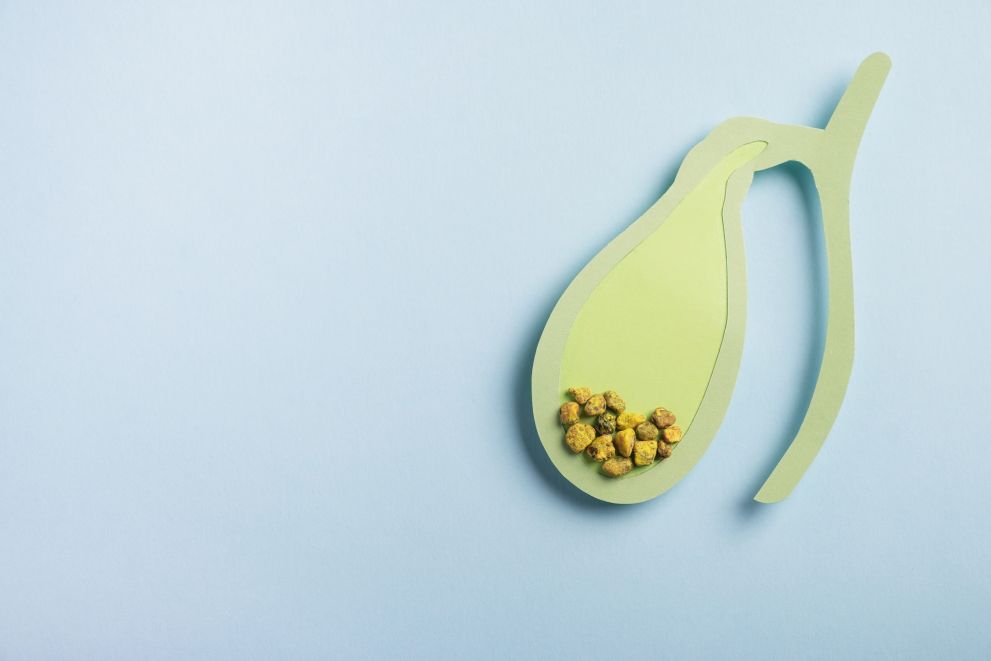
The gallbladder is a small, pear-shaped organ that stores and concentrates bile, a digestive fluid produced by the liver that helps metabolize fats and fat-soluble nutrients, including vitamins A, D, E, and K.
Gallstones are hardened deposits that can form in the gallbladder, causing symptoms such as abdominal pain, nausea, indigestion, and other digestive problems, especially if they block the bile ducts.
There are two broad classifications of gallstones: cholesterol and pigment stones. Cholesterol stones are the most prevalent, typically yellow-green in color, and primarily composed of hardened cholesterol.
In contrast, pigment stones are usually black or brown and made of bilirubin, a waste product of red blood cell metabolism that is excreted via bile.
Most gallstones range from 5 to 10 millimeters in diameter, but larger stones can exceed 10 millimeters and may require surgical removal due to the increased risk of complications.
Watch the video below to learn more about gallbladder flushes.
What is a gallbladder flush?
A gallbladder flush, also known as a gallbladder cleanse or liver flush, is an alternative medicine practice that claims to remove or prevent gallstones from forming to avoid medical treatments or surgery.
Proponents of gallbladder cleanses ingest a combination of extra-virgin olive oil, Epsom salt, apple juice, lemon juice, grapefruit juice, apple cider vinegar, and herbs to trigger gallbladder contractions, believing this releases gallbladder stones through stool.
However, there isn’t a single recipe for gallbladder flushes, and the ingredients vary widely, and some formulations may even be harmful, especially when consumed in large amounts or without medical supervision.
Gallbladder flush myths
Gallbladder flushes are believed to improve gallbladder and liver function by eliminating impurities and removing sludge and stones.
However, there’s little scientific evidence supporting the claim that a gallbladder cleanse can treat or prevent gallstones.
In fact, gallbladder flushes may interrupt digestive functions and overwhelm the gallbladder, potentially causing it to purge bile, undigested oils, and other materials into the intestines.
“Some people report seeing floating stones in stool after a gallbladder flush, but this is likely just expelled oil or concentrated bile salts,” explains Dr. Berg. “Because bile deficiency is a primary cause of gallstones, these flushes can increase the risk of sludge and stones.”
Additionally, taking in large amounts of olive oil often has a laxative effect, which can create the illusion of the gallbladder or intestines cleansing themselves.
Is it safe to do a gallbladder flush?
While individual components of gallbladder cleanses, such as olive oil and fruit juice, aren’t inherently dangerous, the large amounts often utilized during these extreme cleanses may have health risks.
Consuming several ounces of olive oil can trigger significant digestive issues, including stomach pain, nausea, and diarrhea that can last for days.
Furthermore, ingesting Epsom salts for extended periods has been linked to liver damage in those attempting to pass gallstones, highlighting the risks of using this method without medical guidance.
A study published in BMJ Case Reports discovered severe liver injury in a man with gallstone disease after implementing Epsom salt naturopathy for stone dissolution.
Additionally, a gallbladder cleanse typically requires several days of fasting leading up to the flush, which can be detrimental to those managing certain health conditions, including type 2 diabetes, hypoglycemia, or low blood pressure.
Pregnant and breastfeeding women should also avoid gallbladder cleanses and prolonged fasting, as this may lead to adverse effects and contribute to nutrient deficiencies.
Natural ways to support a healthy gallbladder
Although many find gallbladder flushes appealing, adopting long-term healthy lifestyle habits is a more reliable way to support gallbladder function and reduce the risk of gallstone formation.
Here are five natural ways to support the gallbladder function and bile flow.
1. Eat healthy fats and protein
Dietary fats, particularly saturated fat from red meat, butter, cheese, and tropical oils, such as coconut oil, stimulate the gallbladder to contract and empty bile into the small intestine.
This explains why a low-fat diet decreases the demand for bile, which can cause it to thicken and stagnate in the gallbladder, significantly increasing the risk of sludge and gallstones.
2. Practice intermittent fasting
Intermittent fasting involves time-restricted periods of eating and fasting, which may support gallbladder health by lowering insulin levels. Insulin, a glucose-regulating hormone, is released by the pancreas to regulate blood sugar levels after a meal.
A high-carb diet, as well as constant grazing and snacking, can lead to insulin resistance, a metabolic imbalance linked to several conditions, including type 2 diabetes and gallstones.
A study published in the Journal of Korean Medical Science found a link between biliary cholesterol saturation and insulin levels. The researchers believe that insulin may disrupt cholesterol metabolism by altering its synthesis and reducing its absorption.
3. Prioritize non-starchy vegetables
Women are twice as likely as men to develop gallstones, likely due to the role estrogen plays in increasing the hepatic secretion of biliary cholesterol.
Cruciferous vegetables, such as artichoke, broccoli, and Brussels sprouts, contain the potent phytochemical diindolylmethane (DIM), which helps the liver metabolize and excrete excess estrogen, thereby reducing cholesterol saturation of bile.
Additionally, these vegetables are rich sources of fiber, which is needed to feed beneficial gut microbes that recycle bile and support lipid digestion and cholesterol metabolism.
Broccoli and Brussels sprouts also offer moderate amounts of choline, which has been shown to promote optimal liver and gallbladder health and support proper bile flow.
A study published in the Current Opinion in Gastroenterology found that choline plays a vital role in maintaining the solubility of bile salts, highlighting its importance for gallbladder health.
4. Limit refined carbohydrates and sugars
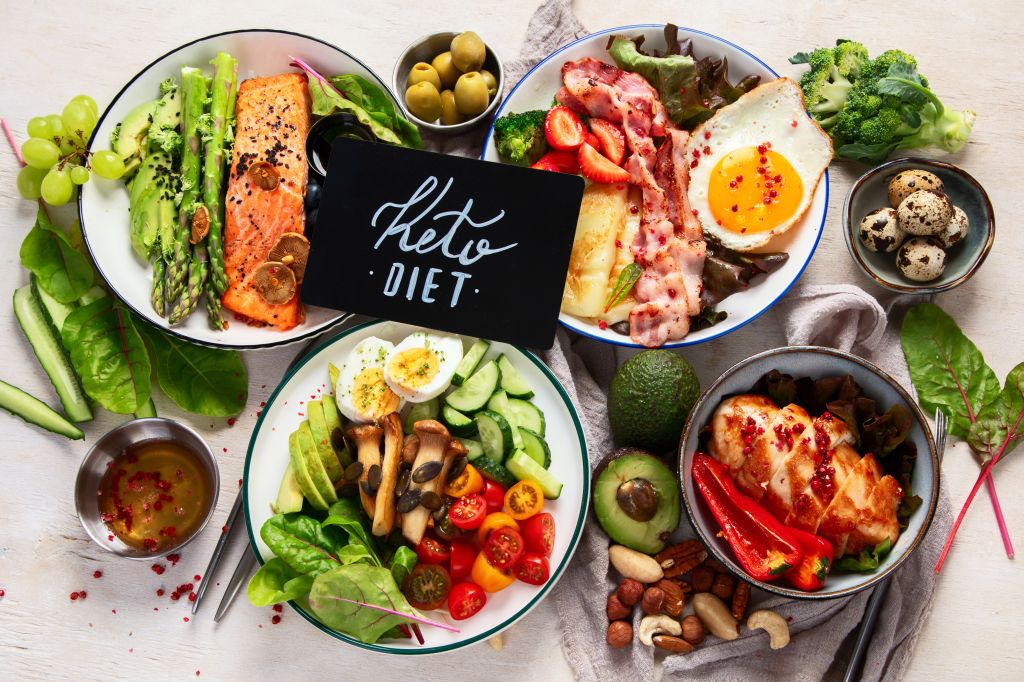
Following a nutritious, low-carb diet, such as Healthy Keto®, is an excellent strategy to support balanced insulin levels and reduce gallstone risk.
Diets high in refined carbohydrates and sugars lead to rapid elevations in blood sugar levels, which trigger insulin release and contribute to insulin resistance, a key factor in gallstone formation.
The ketogenic diet involves reducing carbohydrates to fewer than 50 grams of net carbs daily to support regular blood sugar and insulin levels, thereby lowering the risk of cholesterol buildup in bile and helping to prevent gallstone formation.
5. Stay hydrated
Staying hydrated and drinking plenty of fluids promotes optimal bile flow and reduces the risk of sludge crystallization and stone formation.
In addition to thinning bile, staying hydrated supports proper blood flow, which is vital for eliminating waste and cholesterol buildup in the body.
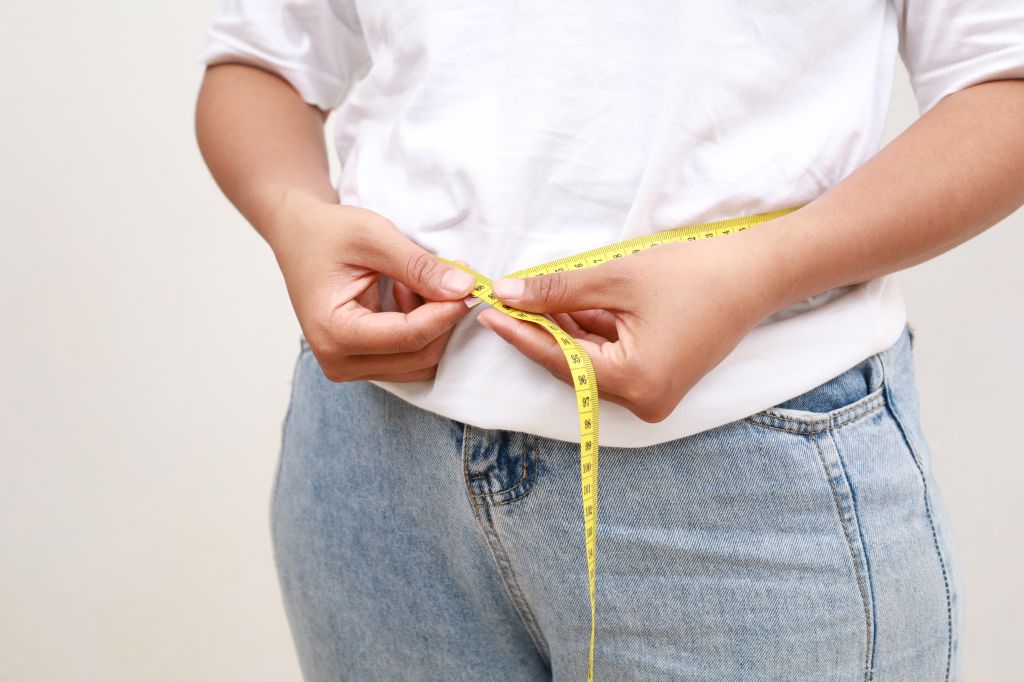
Tips for gallstone prevention
In addition to nutritional approaches, certain lifestyle habits can help reduce the risk of gallstones.
It’s recommended that those who are overweight lose weight steadily, as rapid weight loss, often linked to bariatric surgery, increases the risk of developing gallstones.
This is likely because the liver metabolizes larger amounts of fat, releasing excess cholesterol into the bile. This change in bile composition can promote cholesterol crystallization and increase the risk of gallstone formation.
Managing stress is also vital, as high concentrations of the stress hormone cortisol increase cholesterol levels and disrupt bile acid recycling, which can alter the consistency of bile and contribute to gallstone disease.
Additionally, regular exercise has been found to improve bile flow and digestive processes and can help maintain balanced insulin and cholesterol levels, all key factors in reducing the risk of stone formation.

When to talk to your doctor
If you experience bloating, gas, nausea, or abdominal pain after fatty meals, consult your doctor to evaluate gallbladder health.
Your healthcare provider may order blood panels and imaging tests to confirm the presence of gallbladder stones and gallbladder inflammation.
Additionally, gallstones can grow and become very painful, potentially requiring treatment with ursodeoxycholic acid (UDCA), a bile acid that can help dissolve certain types of gallstones. Surgical removal may even be required if symptoms persist or complications arise.
Seek medical care immediately if you develop signs of gallstone disease, such as:
- Intense upper abdominal pain
- Vomiting
- Fever and chills
- Jaundice (yellowing of the skin and eyes)
- Dark urine
- Pale stools
These symptoms may signal a serious gallbladder condition, and if left untreated, can lead to complications that require a cholecystectomy, a surgical removal of the gallbladder, to prevent potentially life-threatening outcomes such as severe infection or rupture.
Key takeaways
- A gallbladder flush is a holistic practice that uses ingredients such as olive oil, Epsom salt, and fruit juices to cleanse stones from the gallbladder. However, this practice isn’t supported by scientific evidence and can be dangerous.
- Gallbladder flushes may provoke nausea, vomiting, diarrhea, abdominal pain, and, in some cases, more serious complications such as liver strain.
- Long-term gallbladder support is better achieved through habits such as consuming healthy fats, prioritizing non-starchy vegetables, limiting refined carbohydrates, staying hydrated, and practicing intermittent fasting.
- Individuals experiencing symptoms of gallstones or digestive discomfort after fatty meals should seek medical evaluation rather than attempting a cleanse.
FAQ
- 1. What is a gallbladder flush?
- 2. Do gallbladder flushes really work?
- 3. Is a gallbladder flush safe?
- 4. What is the best way to get rid of gallbladder sludge?
- 5. What foods detox your gallbladder?
Sources
- Philips CA, Paramaguru R, Mahadevan P, Augustine P. Severe liver injury due to Epsom salt naturopathy. BMJ Case Rep. 2017;2017:bcr2017221718. https://pmc.ncbi.nlm.nih.gov/articles/PMC5652881/
- Chang Y, Sung E, Ryu S, Park YW, Jang YM, Park M. Insulin resistance is associated with gallstones even in non-obese, non-diabetic Korean men. J Korean Med Sci. 2008;23(4):644-50. https://pmc.ncbi.nlm.nih.gov/articles/PMC2526403/
- Corbin KD, Zeisel SH. Choline metabolism provides novel insights into nonalcoholic fatty liver disease and its progression. Curr Opin Gastroenterol. 2012;28(2):159-65. https://pmc.ncbi.nlm.nih.gov/articles/PMC3601486/
Related Articles
-
Best Cooking Oils: Healthy Options for High-Heat Cooking
 Food and Drink
Best Cooking Oils: Healthy Options for High-Heat Cooking
At a glance The best cooking oils offer different advantages depending on how they are used in the kitchen. Factors such as smoke point, fatty acid composition, flavor, and processing…08/20/2026 -
What Is the Difference Between Virgin and Extra Virgin Olive Oil?
 Superfoods
What Is the Difference Between Virgin and Extra Virgin Olive Oil?
At a glance Virgin and extra virgin olive oils are both extracted from olives using mechanical methods, but extra virgin olive oil (EVOO) meets stricter quality standards. EVOO contains higher…03/06/2026 8.5k views -
Natural Pain Relief: Lifestyle and Nutrition Tips
 Health concerns
Natural Pain Relief: Lifestyle and Nutrition Tips
At a glance Natural pain relief focuses on dietary and lifestyle strategies that help manage discomfort and pain. Factors such as a poor diet, stress, and sedentary habits can worsen…02/26/2026 3.9k views -
7 Healthiest Foods and Why Your Body Needs Them
 Nutrition
7 Healthiest Foods and Why Your Body Needs Them
At a glance Eating nutrient-dense, minimally processed foods is crucial for maintaining long-term health, as they support digestion, cardiovascular function, energy production, and immune balance. Discover seven of the healthiest…01/08/2026 41.6k views -
Real vs. Fake Olive Oil: How to Tell the Difference
 Nutrition
Real vs. Fake Olive Oil: How to Tell the Difference
At a glance There are several ways to determine if olive oil is truly olive oil, including checking its labeling, packaging, aroma, and taste. Fake olive oil is blended with…12/04/2025 17.4k views -
Coconut Oil vs. Olive Oil
 Nutrition
Coconut Oil vs. Olive Oil
At a glance Coconut oil and olive oil are two heart-healthy, keto-friendly fats that each offer unique benefits. While coconut oil provides medium-chain triglycerides (MCTs) for quick energy and antimicrobial…04/09/2025 30.6k views -
Six Fascinating Benefits of Ozonated Olive Oil
 Nutrition
Six Fascinating Benefits of Ozonated Olive Oil
At a glance Ozonated olive oil provides strong antibacterial, antiviral, and antifungal effects that promote wound healing, reduce infection naturally, and lower inflammation. It’s typically applied topically once or twice…04/09/2025 17.7k views -
Are Olives Keto-Friendly?
 Keto
KetoAre Olives Keto-Friendly?
At a glance Olives can easily fit into a ketogenic diet due to their low carbohydrate content and abundance of healthy fats. This unique fruit also delivers a rich profile…04/08/2025 2.6k views


