


At a glance
Pink eye, or conjunctivitis, occurs when the thin membrane covering the eye and eyelid becomes inflamed due to viral, bacterial, or allergic causes. It leads to redness, swelling, itching, and watery or yellow discharge. Colloidal silver, known for its antimicrobial properties, has long been used to help manage bacterial and viral eye infections when applied properly.
Colloidal silver has potent antimicrobial and anti-inflammatory properties and has been used as antibiotic eye drops to treat pink eye for over 100 years.
Using colloidal silver for pink eye is an effective remedy to help reduce inflammation, irritation, and swelling in the affected eye.
Learn how to use colloidal silver to manage viral or bacterial infection and discover why it’s one of the best home remedies for pink eye relief.
What is pink eye?
Pink eye, or conjunctivitis, is an inflammation of the conjunctiva, the thin membrane that covers the inside of the eyelids and the white part of the eyeball.
Pink eye can have several causes, including:
- Viral infection: Viral conjunctivitis is typically linked to adenovirus, a viral strain associated with the common cold. Viral pink eye is highly contagious and can easily spread through touching contaminated surfaces and close contact with an infected person.
- Bacterial infection: Bacterial conjunctivitis is caused by bacterial strains, such as Staphylococcus aureus or Streptococcus pneumoniae, and typically spreads through contact with infected hands, contact lenses, or eye makeup.
- Allergic reaction: Allergic pink eye is often caused by exposure to allergens, such as pollen, dust mites, pet dander, or certain chemicals that can accumulate in the body.
While most cases of pink eye are triggered by a bacterial or viral infection, individuals with a weakened immune system and those with seasonal allergies are at increased risk of allergic conjunctivitis.
Symptoms of pink eye
When the conjunctiva becomes inflamed, the small blood vessels in the eye become dilated, which causes the characteristic pink or reddish color in the infected eye.
Here are common symptoms of pink eye:
- Redness in the white of the eye
- Blurred vision
- Swollen and inflamed eyelids
- Itching or burning sensations
- Watery eyes or yellow discharge
- Sensitivity to light
What is colloidal silver?
Colloidal silver is a suspension of microscopic silver particles in a liquid, typically water.
Colloidal silver has potent antimicrobial effects and has been used to treat a wide range of bacterial infections for centuries.
Research published in Antibiotics confirms that silver can inhibit and eliminate pathogens, including bacteria, viruses, and yeasts, by interfering with their cellular respiration and energy-making processes.1
Because of its ability to eliminate infectious microbes, colloidal silver is one of the most popular natural remedies for conjunctivitis and has been used as antibiotic drops in traditional medicine practices for more than 100 years.

How to use colloidal silver for pink eye
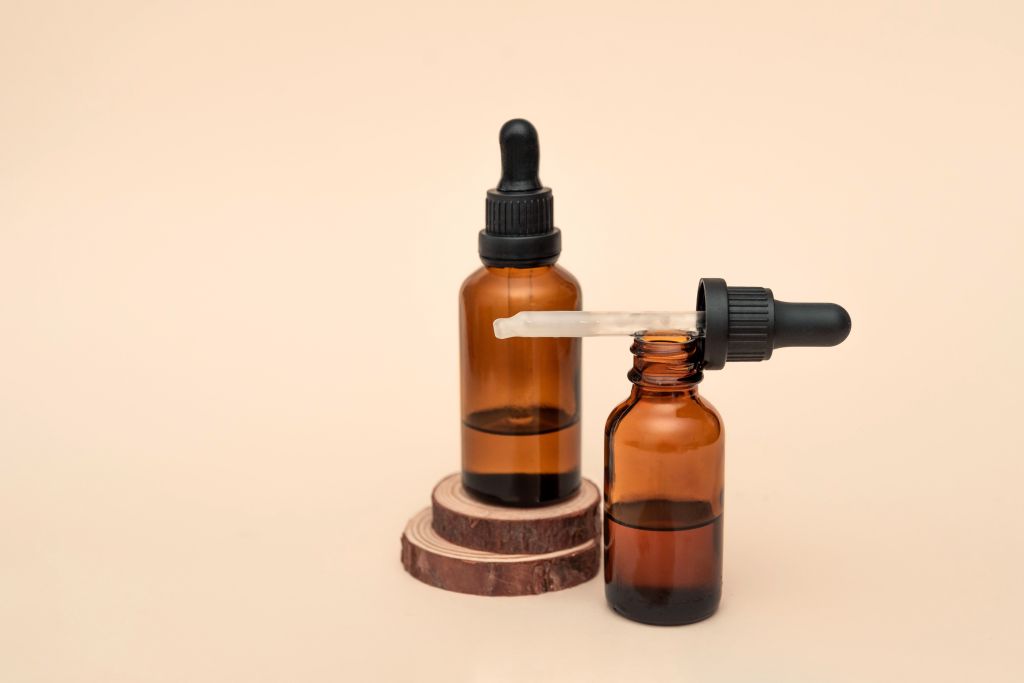
To manage pink eye symptoms, it’s best to choose a colloidal silver suspension with a dropper and carefully read the product label for instructions.
The exact dosage depends on the silver particle concentration of the product you plan to use. However, it’s generally recommended to apply two drops of colloidal silver suspension into the affected eye and always treat both eyes, even if only one eye is infected.
Research published in Coatings found that colloidal silver containing 20 to 30 parts per million (ppm) of silver particles was effective in treating bacterial conjunctivitis.2
While colloidal silver can help to manage eye infections, it shouldn’t be applied to the eyes for more than two consecutive days.
If symptoms don’t improve, it’s important to seek medical advice to evaluate the exact cause of conjunctivitis and formulate an appropriate treatment plan.
Are there risks to using colloidal silver?
Colloidal silver is generally well tolerated and has minimal side effects if used as instructed.
You may have heard that colloidal silver can turn your skin blue. However, this is extremely rare and typically linked to excessive and prolonged use of highly-concentrated colloidal silver, causing the accumulation of silver particles in the skin, which can lead to a bluish-gray skin tone.
Colloidal silver can be toxic if taken in large amounts or over a long period and can lead to neurological problems, kidney issues, and liver damage.
How long does it take to get rid of pink eye?
The duration of pink eye can vary depending on the underlying cause, the type of pathogen, and the severity of the infection.
“While bacterial conjunctivitis typically clears up within a few days, viral eye infections can take up to ten days to resolve,” explains Dr. Berg. “Using colloidal silver for a couple of days can significantly speed up the healing process.”
Administering artificial tears, cleaning your eyelids with a cotton ball, and avoiding wearing contact lenses and eye makeup can also help reduce dry and burning eyes caused by microbial infection.
In addition, taking zinc is a natural pink eye remedy that’s especially beneficial for viral conjunctivitis. Zinc has been found to inhibit the replication and proliferation of viruses linked to viral eye infections.
Key takeaways
- Pink eye, or conjunctivitis, is the inflammation of the conjunctiva, often caused by viral, bacterial, or allergic triggers.
- Common symptoms include eye redness, swelling, itching, burning, blurred vision, and watery or yellow discharge.
- Colloidal silver, known for its antimicrobial properties, has been traditionally used to help manage bacterial and viral eye infections.
- While generally well tolerated, colloidal silver should be used as directed and not applied to the eyes for more than two consecutive days.
FAQ
- 1. How do I use colloidal silver for pink eye?
- 2. Can you put colloidal silver in your eyes?
- 3. What is the fastest way to stop pink eye?
- 4. Is there a way to get rid of pink eye overnight?
- 5. What is the best homeopathic remedy for pink eye?
- 6. Will colloidal silver turn my skin blue?
- 7. What does viral pink eye look like?
- 8. How long does it take for colloidal silver to get rid of pink eye?
Sources
Related Articles
-
What Is Vitamin A and What Does It Do?
 Nutrition
What Is Vitamin A and What Does It Do?
At a glance Vitamin A is a fat-soluble nutrient that supports vision, immune balance, and overall cellular health. Found in animal foods such as eggs, dairy products, and organ meats,…02/13/2026 10.1k views -
What Causes Inflamed Eyelids?
 Health concerns
What Causes Inflamed Eyelids?
At a glance Inflamed eyelids can develop when the structures that protect, lubricate, and support the eyes are disrupted. Common contributors include blocked oil glands, allergies, infections, or trauma to…02/13/2026 10.3k views -
Eye Twitching: Causes, Solutions, and Prevention
 Health concerns
Eye Twitching: Causes, Solutions, and Prevention
At a glance Eye twitching is often a result of mineral or hormone imbalances, alkalosis, or stress. Supportive dietary and lifestyle changes may help support healthy nerve and muscle function…04/09/2025 50.3k views -
Dark Circles Under Eyes: Causes and Natural Remedies
 Health concerns
Dark Circles Under Eyes: Causes and Natural Remedies
At a glance Dark circles under the eyes can be more than a cosmetic issue, and may reflect physiological imbalances linked to diet and lifestyle. Incorporating natural remedies that support…04/09/2025 18.1k views -
Natural Remedies for Glaucoma
 Health concerns
Natural Remedies for Glaucoma
At a glance Glaucoma is a progressive eye condition that can lead to vision loss. Adopting a beneficial diet and lifestyle strategies can help support eye health. Additionally, prioritizing key…04/09/2025 20.3k views -
7 Important Vitamins and Nutrients for Eye Health
 Health concerns
7 Important Vitamins and Nutrients for Eye Health
At a glance Good vision depends on proper nutrition, and several key vitamins and nutrients play vital roles in supporting eye health. Nutrients such as vitamins A, C, D, and…04/09/2025 23.3k views -
How to Reduce Floaters in Eyes Naturally
 Health concerns
How to Reduce Floaters in Eyes Naturally
At a glance Eye floaters are tiny collagen clumps that cast small shadows on the retina. Factors such as age, metabolic issues, eye injuries, and inflammation can contribute to their…04/09/2025 39.3k views -
How Much Krill Oil Should You Take Per Day?
 Health concerns
How Much Krill Oil Should You Take Per Day?
At a glance Are you wondering how much krill oil you should take per day? Krill oil is a rich source of omega-3 fatty acids and astaxanthin, which have been…04/08/2025 12.7k views


