

At a glance
Vitamin C plays a critical role in maintaining healthy gums by supporting collagen synthesis and strengthening connective tissue. Inadequate vitamin C intake can weaken gum structure and increase the risk of gum recession. Consuming vitamin C–rich foods and addressing lifestyle factors can help support long-term oral and periodontal health.
Vitamin C is an important nutrient for healthy gums as it supports collagen production, strengthens connective tissue, and helps reduce inflammation that can lead to gum recession.
Discover what causes receding gums and learn how to support overall oral health with vitamin C-rich foods.
What are receding gums?
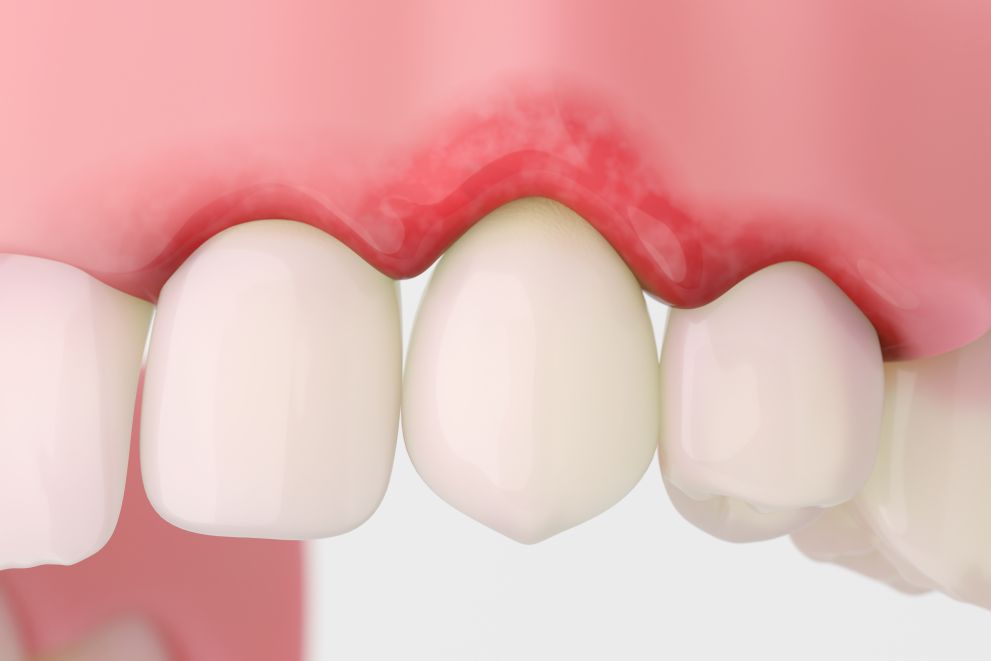
Receding gums occur when the gum tissue around the teeth pulls back or wears away, which can be a sign of gum disease or periodontal disease, both of which can be linked to vitamin C deficiency.
Gums that are losing strength and integrity, a condition known as gingival recession, can make it harder to keep teeth firmly in place and, if left untreated, may lead to tooth loss.
Receding gums also increase dental sensitivities and the risk of tooth decay, as exposed tooth roots are more vulnerable to structural damage, enamel erosion, and bacterial infections.
The integrity of gum tissue is typically assessed using the gingival index, which helps identify structural changes and monitor oral health before more serious issues develop.
While some individuals are at increased risk of receding gums due to a genetic predisposition, factors such as oral hygiene, as well as dietary and lifestyle habits, play a critical role in maintaining healthy gum tissue.
Watch the video below to learn about the link between receding gums and vitamin C deficiency.
Signs of receding gums
Receding gums are among the most common dental disorders, affecting millions of people. It’s believed that more than 40 percent of adults experience some degree of gum recession during their lifetime, with men being more commonly affected than women.
Common signs and symptoms of receding gums include:
- Red, tender, or swollen gums
- Gum bleeding
- Loose teeth
- Teeth that appear longer
- Sensitivity to hot or cold foods and drinks
- Dental plaque buildup along the gumline
- Bad breath
According to research published by the Journal of the American Dental Association, if left unaddressed, gingival recession can lead to more severe periodontal disease, tooth loss, and even jawbone loss.
Why vitamin C may help with receding gums
Vitamin C, also known as ascorbic acid, is critical for keeping gums healthy due to its role in collagen production, which supports the structure of connective tissue in the gums.
Collagen is an important protein that helps keep gum tissues strong and resilient, allowing teeth to remain firmly supported.
Vitamin C also supports healthy blood vessels, which are essential for delivering oxygen and nutrients to the gums and help maintain tissue integrity and repair.
“Supporting optimal vitamin C levels not only helps minimize gingival recession but also promotes the body’s natural healing processes, including wound healing within gum tissue,” explains Dr. Berg.
The importance of vitamin C for gum health has been studied extensively, and evidence published in the International Journal of Environmental Research and Public Health highlights the critical role of this essential nutrient for gum tissue integrity.
The authors discuss that a lack of vitamin C can weaken connective tissue, impair collagen production, and slow healing, increasing the risk of gum damage and recession.
Furthermore, vitamin C is a crucial cellular antioxidant that helps protect gum tissues from oxidative stress and inflammation, both of which can contribute to tissue breakdown and impaired healing in receding gums.
While severe vitamin C deficiency is rare, many people don’t consume enough vitamin C to maintain healthy levels. This leaves a large proportion of the population at risk of gum issues and poor dental health.
Best sources of vitamin C
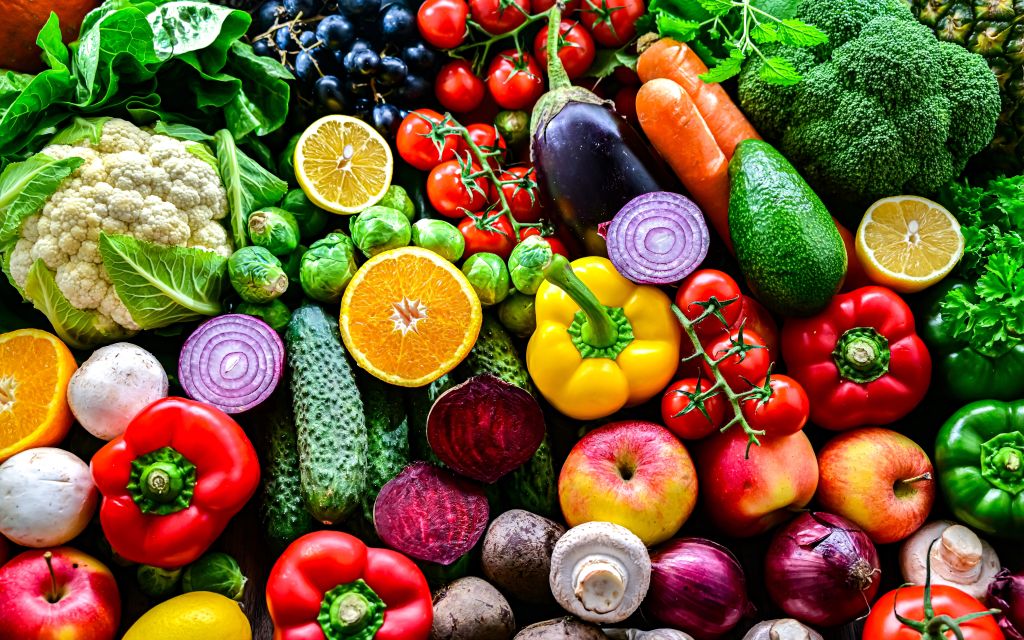
While fresh fruits are often promoted as the best sources of vitamin C, many varieties are also high in natural sugars and acids, which may increase the risk of tooth enamel erosion, dental caries, and other oral health concerns when consumed frequently.
Some of the best low-sugar sources of vitamin C include:
- Lemons and limes
- Sauerkraut
- Bell peppers
- Berries
- Kale
- Broccoli
- Brussels sprouts
- Tomatoes
- Spinach
Vitamin C is a water-soluble nutrient, meaning that it can quickly degrade if foods are extensively processed or boiled.
This explains why consuming vitamin C-rich foods raw, lightly steamed, or sautéed is generally recommended, as this helps preserve vitamin C content and maximize its potential health benefits.

Other potential causes of receding gums
In addition to vitamin C deficiency, various other dietary and lifestyle risk factors can impact gum tissue integrity and increase the risk of dental disorders.
Here are five potential risk factors for receding gums.
1. Poor dietary habits
A diet high in refined carbs, added sugars, and processed foods can contribute to inflammation and weaken gum tissues. This explains why following a nutritious, low-carb ketogenic diet such as Healthy Keto® can help improve and preserve gum health.
This has been confirmed by evidence published in Current Oral Health Reports, summarizing, “Ketogenic diets, through various mechanisms, reduce inflammation, mitigate oxidative stress, improve metabolic health, and can be used as a therapeutic tool for periodontal inflammation.”
2. Improper dental hygiene
Poor dental hygiene, as well as aggressive brushing or flossing, can cause gum damage over time.
While dental health professionals highlight the importance of regular brushing and flossing, using hard-bristle brushes or flossing too aggressively can irritate the gums, erode tissue, and gradually contribute to gum recession along the gumline.
3. Imbalanced oral microbiome
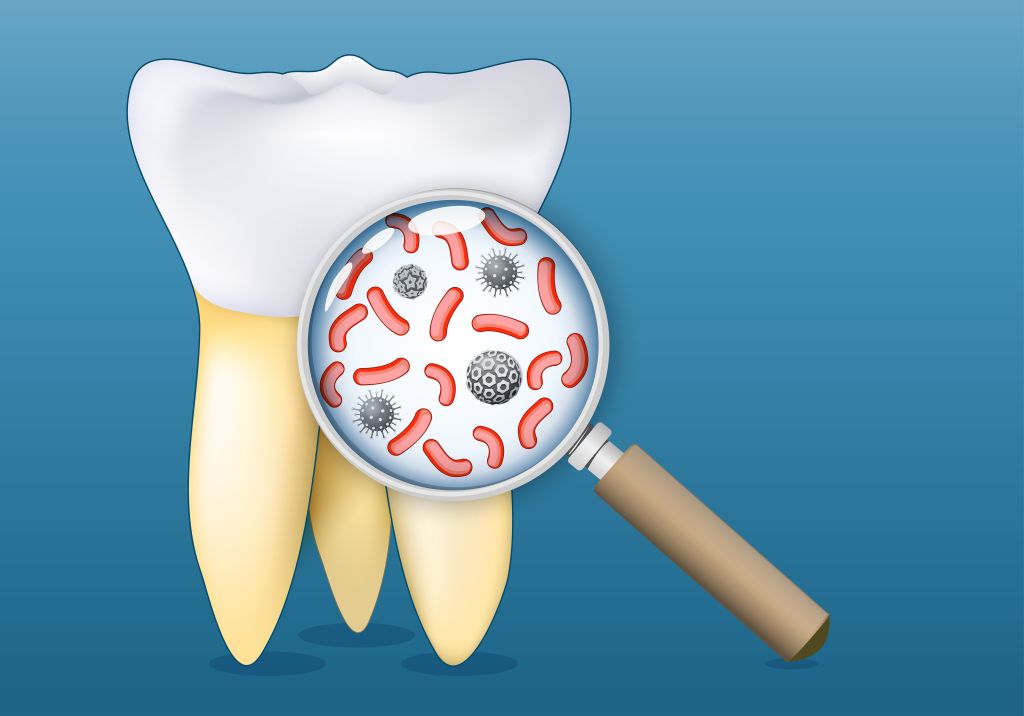
Individuals with a poor immune system may be more susceptible to an overgrowth of harmful bacteria within the dental cavity, increasing the likelihood of gum infections and gingivitis.
An imbalance in oral microbes, often linked to frequent sugar intake, chronic inflammation, or reduced saliva flow, can disrupt the protective bacterial balance within the mouth and contribute to gum irritation and tissue breakdown.
4. Smoking
According to data released by the Centers for Disease Control (CDC), smoking is a major cause of poor gum health and periodontal disease.
Smoking impairs the immune system and contributes to inflammation and oral microbiome imbalances, which can accelerate the weakening of gum tissue, slow healing, and increase the risk of gum recession and tooth loss.
5. Underlying medical conditions
Bleeding and receding gums may also be linked to underlying circulatory or metabolic conditions, such as diabetes or cardiovascular disease, which can reduce blood flow to the gums and impair healing.
Early detection of underlying causes and professional care are essential for preventing long-term gum damage. It is critical to consult a dentist if you notice signs of receding gums or experience recurrent gum infections.
Key takeaways
- Vitamin C is essential for gum tissue integrity due to its role in collagen production, blood vessel support, and tissue repair.
- A lower dietary intake of vitamin C is associated with weakened connective tissue, impaired healing, and an increased risk of gum recession.
- Poor oral hygiene, imbalanced nutrition, and underlying health issues can contribute to gum bleeding, oral sensitivities, loose teeth, and even tooth loss.
- Prioritizing vitamin C-rich foods, such as bell peppers, berries, sauerkraut, lemons, and limes, can help protect gum health and reduce the risk of further tissue recession.
FAQ
- 1. What are the benefits of vitamin C for receding gums?
- 2. Can vitamin C stop gums from receding?
- 3. How long does it take to see gum changes with better vitamin C intake?
- 4. Can bleeding gums be a sign of low vitamin C?
- 5. What foods are best for supporting gum health naturally?
- 6. Can brushing or flossing habits affect gum recession?
Sources
- https://jada.ada.org/article/S0002-8177%2814%2963227-X/fulltext. jada.ada.org. Accessed 2026. https://jada.ada.org/article/S0002-8177%2814%2963227-X/fulltext
- Tada A, Miura H. The Relationship between Vitamin C and Periodontal Diseases: A Systematic Review. Int J Environ Res Public Health. 2019;16(14):2472. https://pmc.ncbi.nlm.nih.gov/articles/PMC6678404/
- https://link.springer.com/article/10.1007/s40496-024-00376-1
- Prevalence of Periodontitis in Adults in the United States: 2009 and 2010. Centers for Disease Control and Prevention. Accessed 2026. https://www.cdc.gov/tobacco/campaign/tips/diseases/periodontal-gum-disease.html
Related Articles
-
Chewable vs. Capsule Vitamin C Supplements
 Nutrition
Chewable vs. Capsule Vitamin C Supplements
At a glance Vitamin C is an essential vitamin that supports collagen production and immune defenses, and strengthens the body’s antioxidant activity. Both chewable and capsule supplements can deliver vitamin…05/07/2026 -
Whole-Food vs. Synthetic Vitamin C Supplements
 Nutrients
Whole-Food vs. Synthetic Vitamin C Supplements
At a glance Whole-food-based and synthetic vitamin C supplements both provide vitamin C, but they differ in their overall nutrient profile and how they affect the body. Whole-food formulas supply…04/10/2026 -
Vitamin C Supplements: Forms and How to Choose
 Vitamins
Vitamin C Supplements: Forms and How to Choose
At a glance Vitamin C, an antioxidant nutrient involved in immune function and tissue integrity, can be obtained naturally through food or as a dietary supplement. Vitamin C supplements are…03/13/2026 -
How to Bulletproof Your Immune System
 Health concerns
How to Bulletproof Your Immune System
At a glance The immune system defends the body against infection and disease. Weak immunity can cause fatigue, frequent illness, and overall poor health. Healthy habits such as following a…12/30/2025 20k views -
5 Supplements That Actually Work
 Nutrition
5 Supplements That Actually Work
At a glance Choosing the right supplements is crucial because the quality and bioavailability of nutrients significantly impact how well they support energy production, metabolic health, and immune balance. Many…12/19/2025 3.1k views -
Does Lemon Juice Have Vitamin C?
 Nutrition
Does Lemon Juice Have Vitamin C?
At a glance Lemon juice is a natural source of vitamin C and several beneficial plant compounds, but its nutritional value depends heavily on freshness and how it’s processed. It…11/13/2025 13.1k views -
Nightshade Vegetables Explained: Benefits and Downsides
 Nutrition
Nightshade Vegetables Explained: Benefits and Downsides
At a glance Nightshade vegetables are packed with nutrients, and most are low in carbs, making them a great fit for many Healthy Keto meals. However, they may trigger discomfort…11/07/2025 -
Vitamin C Basics: Functions, Benefits, and Natural Sources
 Nutrition
Vitamin C Basics: Functions, Benefits, and Natural Sources
At a glance Vitamin C is an essential water-soluble nutrient that supports immune function, collagen production, bone health, and cardiovascular wellness. Because the body cannot produce or store vitamin C…04/09/2025 74.1k views -
Are Lemons Keto-Friendly? – Nutrition & Benefits
 Keto
KetoAre Lemons Keto-Friendly? – Nutrition & Benefits
At a glance Lemons are naturally low in carbs and can fit easily into a nutritious keto diet when used in moderation. Their nutrients and plant compounds support several aspects…04/09/2025 32k views -
10 Foods High in Vitamin C – The Best Natural Sources
 Nutrition
10 Foods High in Vitamin C – The Best Natural Sources
At a glance Vitamin C is a powerful antioxidant nutrient that supports immune function, collagen production, and cellular protection against oxidative stress. Because the body can’t produce or store vitamin…04/09/2025 29.9k views


