


At a glance
Magnesium is an essential mineral that helps maintain healthy nerve signaling and supports normal brain activity. Low magnesium levels have been associated with an increased likelihood of migraines, making it important to get enough of this mineral through your diet. While clinical studies suggest potential benefits for migraine prevention, results remain mixed and may differ among individuals.
Migraines are more than just headaches, often causing severe pain, nausea, and sensitivity to light and sound.
Magnesium is an essential mineral that supports healthy nervous system function and may help reduce migraine frequency.
Let’s learn what research reveals about the connection between magnesium and migraines.
What are migraines?
Migraines are a neurological condition characterized by recurring episodes of moderate-to-severe headaches, often accompanied by throbbing or pulsating pain on one or both sides of the head.
“Unlike tension headaches, migraine pain typically worsens with physical activity and can last anywhere from 4 to 72 hours if left untreated,” explains Dr. Berg.
Migraine attacks involve changes in brain activity, including altered nerve signaling and the release of chemicals that influence pain pathways.
According to the National Institute of Neurological Disorders and Stroke (NINDS), migraine attacks can progress through several distinct phases, although not everyone experiences every stage.
Migraine headache symptoms
Some individuals experience warning signs before an episode, such as fatigue, mood changes, food cravings, or difficulty concentrating.
Others may develop a migraine aura, which causes temporary visual issues, such as flashing lights, blind spots, or zigzag patterns. Aura can also involve tingling sensations or difficulty speaking.
Migraine symptoms differ between individuals, and some people experience lingering fatigue or mental fog even after the headache subsides.
Watch the video below to learn about potential warning signs that you need more magnesium.
What causes migraines?
The exact cause of migraines isn’t fully understood, but they are thought to involve a combination of genetic and neurological factors, with environmental conditions potentially contributing to attacks.
Genetics plays an important role in migraine susceptibility, while changes in brain activity can activate the trigeminal nerve pathways, which carry pain signals from the head and face to the brain.
The activation of the trigeminal nerve pathways can lead to the release of calcitonin gene-related peptide (CGRP), a chemical messenger involved in pain transmission and blood vessel dilation, which can affect blood flow.
A review published in the Journal of Neurology highlights the importance of these neurological processes in the development of migraine symptoms.
Beyond these underlying mechanisms, several factors may trigger migraine episodes, including stress, hormonal fluctuations, sleep disturbances, dehydration, dietary factors, and environmental stimuli.
However, triggers differ among migraine patients, and certain changes commonly considered contributing factors may actually be early signs of an approaching migraine headache.
Magnesium levels may also influence migraine susceptibility, as this essential mineral helps regulate nerve activity and supports normal nervous system function.
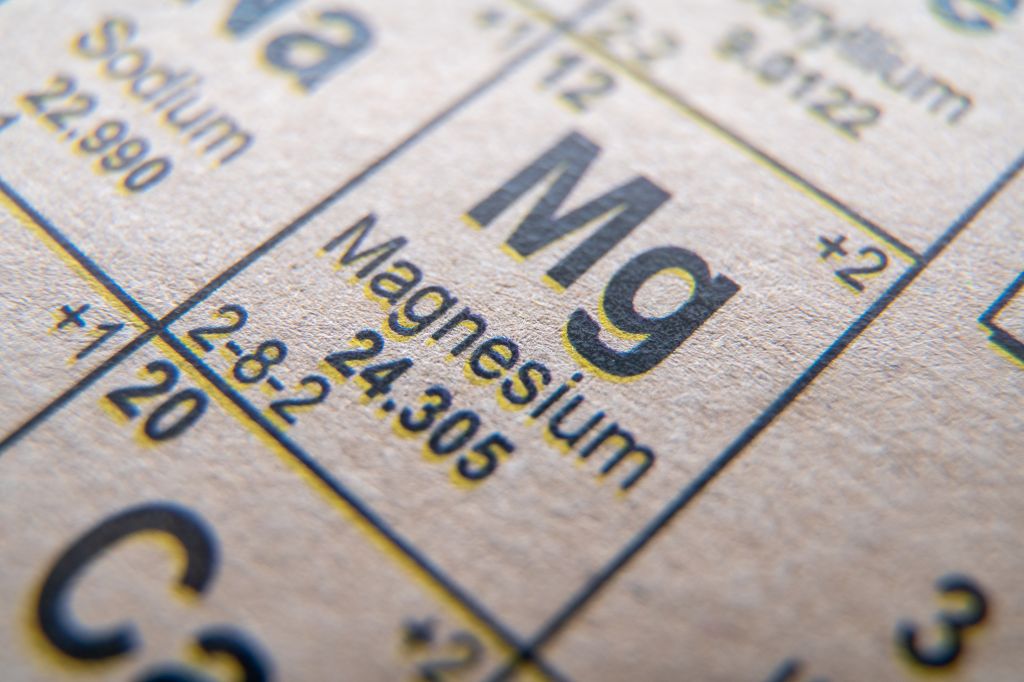
Magnesium deficiency and potential migraine connections
Magnesium deficiency can develop when dietary intake is consistently inadequate or when certain health conditions, medications, or digestive disorders interfere with magnesium absorption or increase its loss from the body.
Mild deficiencies may go unnoticed initially, while more pronounced magnesium depletion can lead to symptoms affecting muscle function, energy levels, and heart rhythm.
Potential signs of magnesium deficiency may include the following:
- Unusual tiredness or reduced energy levels
- Involuntary muscle contractions or spasms
- Reduced strength or difficulty performing physical activities
- Decreased interest in food
- Digestive discomfort, sometimes accompanied by vomiting
- Abnormal heart rhythms in more serious cases
Beyond these symptoms, insufficient magnesium may increase susceptibility to migraines because low levels can make nerve cells more sensitive to stimulation, potentially contributing to the development of migraine attacks.
Research on using magnesium for migraines
Evidence published in Nutrients explains that magnesium helps regulate brain activity and may influence neurological processes linked to migraines, including changes in electrical activity associated with migraine aura.
Clinical studies have also examined whether increasing magnesium intake can reduce migraine frequency.
One study published in Cephalalgia involved 81 adults with migraines who received either 600 mg of magnesium daily or a placebo for 12 weeks. During the final four weeks, researchers found that migraine frequency decreased by 41.6 percent in the magnesium group and by 15.8 percent in the placebo group.
Participants taking magnesium also experienced fewer migraine days and used less medication to manage their symptoms.
While study participants took higher amounts, it is important to note that according to the NIH Office of Dietary Supplements, the adult upper limit for supplemental magnesium is 350 mg daily. Higher doses used for migraine prevention should only be taken under medical supervision.
Although these findings are promising, not all studies have shown consistent results, and more evidence is needed to determine the effectiveness of magnesium for migraine prevention.

Best dietary sources of magnesium
Regularly including magnesium-rich foods in your diet can help maintain healthy magnesium levels while providing other essential nutrients.
The following are some of the best dietary sources of magnesium:
- Pumpkin seeds
- Spinach and Swiss chard
- Almonds and cashews
- Avocados
- Wild-caught salmon and mackerel
- Dark chocolate
- Chia seeds

When to see a healthcare provider
Although occasional migraines may be manageable with lifestyle adjustments, headaches that become more frequent or interfere with everyday activities should be evaluated by a doctor.
Medical evaluation is particularly important if headache patterns change significantly or treatments that previously provided relief are no longer effective.
While most migraines aren’t associated with serious underlying conditions, certain symptoms require immediate medical attention.
These include headaches that develop suddenly and become extremely painful within seconds or minutes, particularly when accompanied by confusion, sudden vision loss, difficulty speaking, or weakness on one side of the body.
Similarly, headaches accompanied by fever and a stiff neck, or those that develop after a head injury, may signal a serious medical condition requiring emergency evaluation.
Key takeaways
- Low magnesium levels may contribute to migraine susceptibility, as this mineral helps regulate nerve signaling and normal brain activity.
- Scientific findings suggest that magnesium may reduce migraine frequency, though results vary across clinical trials.
- Eating magnesium-rich foods, such as pumpkin seeds, avocados, and leafy greens, supports daily nutritional needs.
FAQ
- 1. What is the research on the effects of magnesium on migraines?
- 2. Does magnesium actually help migraine patients?
- 3. Is magnesium chloride the best type of magnesium?
- 4. What is your body lacking when you have a migraine?