


At a glance
Consuming electrolytes after workout sessions can help replace those electrolytes lost through sweat, support fluid balance and blood volume, and promote muscle comfort, energy levels, and mental clarity after intense exercise. Incorporating electrolyte intake alongside a healthy diet can help you stay hydrated, maintain normal muscle function, and support overall exercise performance and recovery.
Electrolytes are essential minerals that help power every workout—supporting hydration, muscle contractions, nerve function, and energy production.
Discover how maintaining healthy electrolyte levels after a workout can support recovery and overall health, and learn simple ways to replace electrolytes and maintain fluid balance before, during, and after exercise.
What are electrolytes?
Electrolytes are essential minerals that carry a small electrical charge when dissolved in the body’s fluids.
This charge enables them to generate the electrical activity that many core physiological processes depend on, including nerve signaling, muscle contractions, and normal cellular function.
The body relies on a few primary electrolytes, which include:
Electrolytes also help regulate blood flow and blood volume, support nutrient transport, and facilitate waste removal. All of these functions are essential for safe, effective workouts and muscle recovery. They are also vital for maintaining fluid balance within and around cells, which directly influences hydration levels, blood pressure, and energy levels.
This is why electrolytes are common ingredients in sports drinks and are often recommended before, during, and after activities that increase your sweat rate, when both fluids and minerals can be rapidly depleted.
Watch the video to learn why drinking plain water isn’t the best way to stay hydrated.
Why do post-workout electrolytes matter?
When you sweat during hot weather or high-intensity workouts, you lose electrolytes along with fluid. During an intense workout, your sweat rate increases to help keep you cool. This is especially relevant knowledge for elite athletes and those in physically demanding occupations who are active for long stretches throughout the day.
According to a review published in the Journal of the American College of Nutrition, heavy sweating driven by heat combined with intense physical activity can lead to fluid deficits of roughly 1 to 8 percent of body mass.
This is significant, given that a study published in the British Journal of Nutrition notes that even mild dehydration is associated with undesirable outcomes, such as low energy, mood changes, and reduced mental performance, including working memory.
Moreover, for every liter of sweat that evaporates during intense exercise, athletes may lose several hundred to more than 1000 mg of sodium, along with smaller amounts of other electrolytes such as potassium, magnesium, and calcium.
This is why even if you drink plain water, you may not be fully rehydrated, as proper fluid balance depends on both fluid intake and electrolyte balance.
In fact, drinking large amounts of water without replacing sodium can dilute blood sodium levels. During prolonged exercise, loss of sodium may even contribute to exercise‑associated hyponatremia—a dangerous drop in blood sodium linked to drinking more fluid than you lose through sweat and urine.
Common symptoms of an electrolyte imbalance include:
- Muscle cramps or twitching
- Low energy levels
- Brain fog and reduced mental clarity
- Headaches or lightheadedness
- Reduced muscle function
- Reduced overall performance
How many electrolytes do you need?
Electrolyte intake after exercise can vary widely based on your sweat rate, workout intensity, duration, and environmental conditions such as heat and humidity. Some individuals, often called salty sweaters, lose noticeably more sodium through sweat and may need more than the average person to maintain electrolyte balance.
While all electrolytes are important for supporting energy levels, physical performance, and hydration, sodium and potassium are the two you typically need the most of.
It’s recommended to maintain a daily sodium-to-potassium ratio of around 1:1 to 1:2, and a daily intake goal of around 2300 mg of sodium and 4700 mg of potassium.
However, electrolyte products formulated for use during or after exercise contain more sodium than those intended for everyday use, because sodium losses through sweat can be substantial during intense workouts. These higher‑sodium formulas help support blood volume, blood pressure, and hydration levels when sweat losses are high.
In contrast, lower-sodium, higher-potassium formulas may be better suited for non‑exercise days or low‑intensity activity, since most people regularly consume sodium in their diet.
If you use a lower‑sodium electrolyte blend after a heavy sweat session, adding a bit of extra sea salt to your food that day may help account for higher sodium sweat losses, but it’s important not to add more sodium than your body needs.
A registered dietitian or healthcare provider can help you estimate your electrolyte requirements based on your activity level, diet, and health history, particularly if you train for more than an hour at a time or prepare for race day events.

When to drink electrolytes
Generally, a good rule of thumb is to keep fluids and electrolytes balanced throughout the day, rather than only topping up after physical activity.
Your body performs best when its fluids and electrolytes are consistently balanced, rather than fluctuating between under- and overhydration. Getting adequate electrolytes and water throughout the day helps support hydration, performance, and muscle comfort, especially around your workouts.
That said, intense workouts or extreme temperatures significantly increase electrolyte demands, and a review published in Performance Nutrition highlights the benefits of replenishing electrolytes—particularly sodium—before, during, and after exercise.
Here are the benefits of drinking electrolytes at different times.
Before exercise
Consuming adequate amounts of sodium and water 1 to 4 hours before training in the heat or during heavy sweating can help the body retain fluid and may reduce excessive pre-workout urination.
This pre-workout hydration strategy also supports cardiovascular function by maintaining healthy blood plasma volume during intense exertion.
During exercise
For intense sessions, especially those lasting longer than 60 to 90 minutes, replacing electrolytes along with fluids can support muscle comfort and performance. This can also help prevent diluted blood sodium levels, often caused by drinking large amounts of plain water while sweating.
After exercise
Targeted post-workout electrolytes help support cellular rehydration and efficient fluid restoration after heavy losses through sweat.
While consuming plain water alone after intense exercise may trigger rapid urination before full rehydration occurs, combining water with sodium and complementary minerals helps your body retain fluid and replenish essential mineral stores.
How to replenish electrolytes
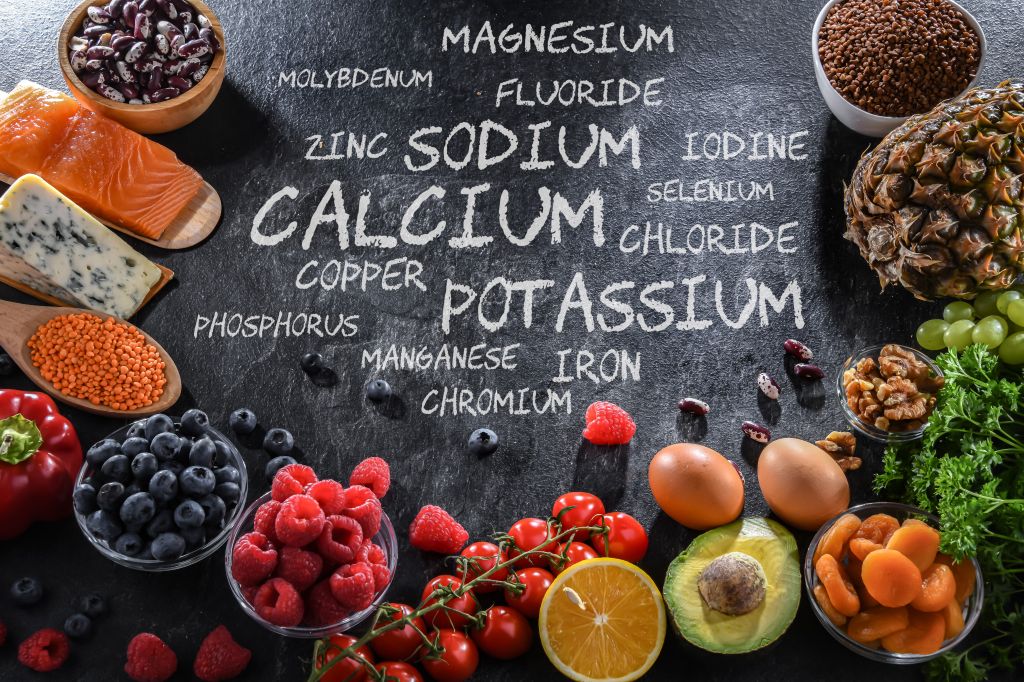
There are three practical ways to replace electrolytes: whole foods, electrolyte beverages, and electrolyte supplements. The right choice for you depends on your workout length, intensity, and personal preference.
1. Nutritious whole foods
A healthy diet built around whole foods is the foundation for meeting most of your daily electrolyte needs, including on workout days.
Adding sea salt to your meals can help maintain sodium levels, while regularly incorporating a variety of mineral-rich foods, such as broths, grass-fed beef, leafy greens, avocados, sprouted pumpkin seeds, and dairy, can help support other levels.
Whole foods also help provide additional nutrients that can benefit your workouts and support muscle recovery, such as protein, fats, and antioxidants.
2. Electrolyte beverages
Sports drinks and other electrolyte drinks often combine water with large amounts of sodium and carbohydrates, which may seem convenient if you don’t have time for a mineral-rich meal. However, they often contain artificial ingredients and added sweeteners, which may not align with your nutritional goals.
Coconut water is a natural alternative that’s rich in potassium, though it also carries significant amounts of natural sugar and typically has less sodium than most sports drinks.
It can be challenging to find a premade electrolyte drink that contains an adequate balance of electrolytes and quality ingredients, but if you’re able to find one, it can be an excellent option when you’re on the go.
3. Electrolyte supplements
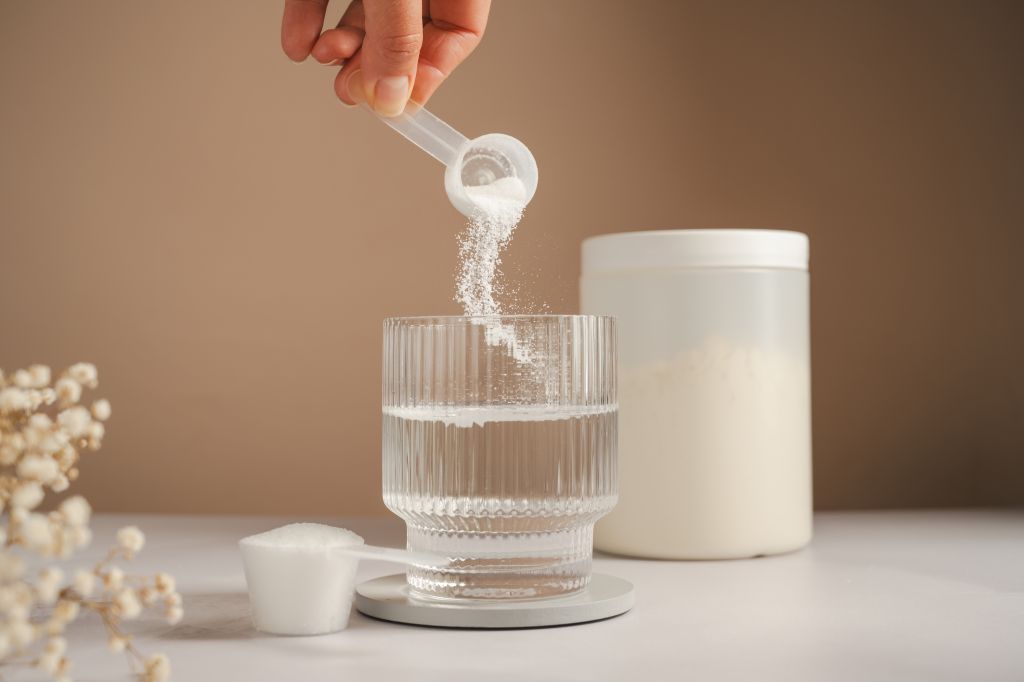
Electrolyte powders and tablets are a concentrated, portable way to add more sodium or other minerals to your water, which can be convenient on a race day or during long, hot training blocks.
Formulas vary widely by brand, so it’s important to check the ingredients to ensure a product will meet your needs and dietary preferences.
If you have kidney disease, high blood pressure, are pregnant, or take medications that affect electrolyte balance, check with a healthcare provider or registered dietitian before starting a new supplement, since your safe range can vary based on personal factors.
Key takeaways
- Taking electrolytes after workouts can help replace minerals lost through sweat and support fluid balance, blood volume, nerve signaling, energy levels, and mental clarity following intense physical activity.
- Sodium and potassium are among the most important electrolytes for supporting fluid balance.
- Other electrolytes crucial for supporting physical performance and overall health include magnesium, calcium, and chloride.
- Combining targeted electrolyte intake with a healthy diet can help support efficient hydration, energy levels, long-term muscle recovery, and physical performance.
FAQ
- 1. Can you drink too many electrolytes?
- 2. Can electrolyte levels influence blood pressure?
- 3. Can coconut water replenish electrolytes after a workout?