


At a glance
Sugar is a carbohydrate that the digestive system breaks down into simple molecules for absorption and energy use. While this is a normal part of metabolism, sugar intake can affect digestive balance depending on the amount consumed, the type of sugar, and the overall quality of the diet.
Sugar and digestion are often discussed in relation to one another because sugar can influence gastrointestinal function and overall gut health.
Digestive comfort, cravings, microbial balance, and appetite signals can all be affected by sugar intake.
Discover how sugar affects digestion and which dietary habits can help support a healthier gut.
What is sugar?
Sugar is a type of simple carbohydrate found naturally in some foods and added to many processed foods, sugary drinks, desserts, sauces, and packaged snacks.
Simple sugars include glucose, fructose, and galactose. Such sugars can combine to form other carbohydrates, including sucrose, lactose, and maltose. These differ from complex carbohydrates, which are longer chains of sugar molecules found in starches and fibers.
Sugar can appear on nutrition labels under many names, including corn syrup, high-fructose corn syrup, dextrose, glucose syrup, fruit juice concentrate, and maltodextrin.
Unlike minimally processed foods that contain protein, healthy fats, minerals, and dietary fiber, added sugars and refined starches are concentrated sources of simple carbohydrates. These foods digest quickly and can affect blood sugar, cravings, gut bacteria, and overall digestive health.
Watch the video below to learn more about how sugar affects the body.
How sugar is digested
Added sugars and refined starches break down fast and are digested quickly, while minimally processed foods that contain protein, healthy fats, and dietary fiber are digested more gradually.
This difference in speed of digestion helps explain why sugar from processed foods can have a stronger impact on blood sugar, cravings, gut bacteria, and digestive comfort than carbohydrates found in nutrient-dense foods.
Digestive enzymes help break carbohydrates into sugars like glucose, fructose, and galactose. This process allows sugar to move from the digestive tract into circulation, where it can influence blood glucose levels and energy availability.
When glucose enters the bloodstream, it can cause blood sugar levels to rise. In response, the body releases insulin, a hormone that helps move glucose from the blood into cells.
Fructose goes through a different process than glucose, as it is absorbed through the small intestine and is primarily processed by the liver. Unlike glucose, fructose has a more direct effect on liver metabolism. This is one reason concentrated sources such as high-fructose corn syrup, fruit juice concentrate, and sugary drinks can be especially impactful on liver health.
4 ways sugar can affect digestion
Sugar can affect how the digestive system feels and functions, particularly when it is consumed in concentrated or highly processed forms.
Here are four ways sugars can affect digestion.
1. Disrupts gut bacteria balance
The gut microbiome helps support digestion, nutrient absorption, immune defenses, and the integrity of the gut lining.
Excessive sugar intake can shift the microbial balance in the gut by increasing sugar-utilizing microbes and reducing beneficial bacteria that produce short-chain fatty acids.
A review published in Gut Microbes found that added sugar intake may disrupt key microbial processes involved in gut barrier function and digestive balance.
The authors stated that “Added sugars, including glucose, fructose, and sucrose, can alter gut microbial diversity, enrich sugar-utilizing taxa, and deplete short-chain fatty acid-producing bacteria.”
Short-chain fatty acids help nourish the cells lining the digestive tract and support immune system balance.
When sugar intake repeatedly disrupts the bacteria in the gut, it may contribute to gut dysbiosis, which refers to an imbalance in the gut microbiome.
2. Contributes to bloating and gas
Some sugars can contribute to bloating and gas when they aren’t fully absorbed in the small intestine.
Fructose is one example. When fructose intake exceeds the intestine’s absorption capacity, unabsorbed fructose can move into the colon, where gut bacteria ferment it. This process can produce gas and draw water into the intestines.
This may lead to bloating, abdominal pressure, loose stools, or digestive discomfort in sensitive individuals.
Fructose is commonly found in sugary drinks, fruit juice concentrate, syrups, desserts, and ultra-processed foods. These concentrated sources are more likely to overwhelm digestive tolerance than sugars naturally found in whole foods.
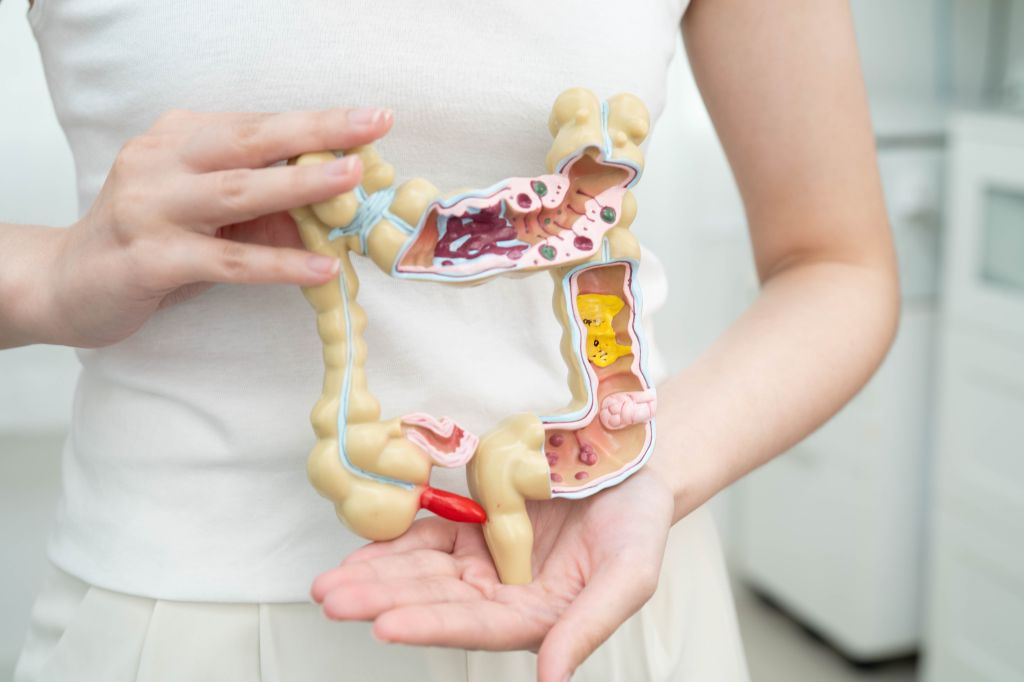
3. Affects the gut lining
The gut lining helps regulate what passes from the digestive tract into the bloodstream. This protective barrier depends on balanced gut bacteria, a healthy mucus layer, and tight junctions between intestinal cells.
Regular intake of added sugars and refined carbohydrates may contribute to microbial shifts and inflammatory signaling that affect this barrier.
Research published in Nutrients reports that high sugar intake may increase pro-inflammatory gut bacteria while reducing microbes associated with gut barrier function and immune balance, a pattern also observed in inflammatory bowel disease.
This may reduce the gut’s ability to maintain epithelial integrity, which refers to the strength and stability of the intestinal lining. Over time, these shifts may affect gut permeability, increasing the ease with which substances pass through the intestinal barrier.
4. Triggers cravings and blood sugar fluctuations
Sugar and refined carbohydrates are digested quickly, making blood sugar levels rise rapidly after consumption.
In response, the body releases insulin to help move glucose from the bloodstream into cells. When this pattern repeats frequently, blood sugar may rise and fall more sharply, which can contribute to energy fluctuations and cravings for more fast-digesting carbohydrates. In addition, when your body is forced to release insulin too often, cells often stop responding as well to this hormone, leading to a condition known as insulin resistance.
Sugar intake may also influence cravings through the gut microbiome. Beneficial gut bacteria produce short-chain fatty acids, which help support gut-brain communication and normal appetite signaling.
When added sugar intake disrupts microbial balance, appetite signals may become less stable. This can make cravings harder to manage and create a cycle of repeated sugar consumption.
Signs that sugar intake may be affecting digestion
Digestive symptoms can have many causes, but recognizing patterns can be helpful.
If bloating, gas, cravings, or digestive discomfort occur regularly after sweetened foods, sugary drinks, or refined carbohydrates, sugar intake may be contributing to gut irritation or poor digestive tolerance.
Common signs sugar may be affecting digestion include:
- Bloating
- Gas
- Abdominal pressure
- Loose stools
- Digestive discomfort after sweetened foods
- Cravings after meals
- Irregular bowel movements
Persistent digestive issues, severe abdominal pain, unexplained weight loss, blood in stool, or any ongoing health problems with bowel habits should be discussed with a healthcare provider.

Tips to support digestion
Digestive health is influenced by the quality of the foods eaten consistently. For this reason, supporting the gut often begins with daily habits that reduce digestive stress and help maintain a healthier gastrointestinal environment.
Here are four tips to support digestion.
1. Avoid processed foods
Processed foods and sugary foods are often made with hidden sugars, refined carbohydrates, seed oils, artificial sweeteners, and other additives that can be hard on the gut.
These foods may encourage less favorable shifts in gut bacteria, reduce beneficial microbes, and irritate the gut lining. Common examples include candy, pastries, sugary drinks, sweetened cereals, flavored yogurt, white bread, sauces, and packaged snacks.
2. Focus on low-carbohydrate, whole foods
Meals built around high-quality protein, healthy fats, and non-starchy vegetables can help support satiety, blood sugar balance, and digestive comfort.
“Cutting out sugar and starches is only part of the solution,” explains Dr. Berg. “Replacing them with high-quality protein and healthy fats can help reduce cravings and support satiety.”
Good options include pasture-raised eggs, grass-fed meats, wild-caught fish, avocados, olives, organic leafy greens, cruciferous vegetables, and full-fat dairy if tolerated.
A Healthy Keto® diet naturally limits added sugars and refined carbohydrates while prioritizing foods that support metabolic and digestive health.
3. Incorporate fermented foods
Fermented foods provide beneficial microbes that may help support microbial balance and overall digestive function. These foods support a healthy microbiome that can aid carbohydrate absorption.
Keto-friendly options include sauerkraut, kimchi, kefir, and plain full-fat yogurt if tolerated. These foods may help support the gut microbiome, especially when paired with a nutrient-dense, low-carb diet.
Start fermented foods in small amounts, especially if bloating or digestive discomfort is already an issue.
4. Stay physically active
Regular movement supports gut motility, bowel regularity, and microbial diversity.
Activities such as walking, biking, swimming, gardening, or household chores can help stimulate digestive function without placing excessive stress on the body.
A short walk after meals may also support steadier blood glucose levels by helping muscles use circulating glucose more efficiently.
Key takeaways
- Sugar is a type of carbohydrate that breaks down into simple sugars, including glucose, fructose, and galactose.
- Added sugars and refined carbohydrates digest quickly and can affect blood sugar levels, cravings, gut bacteria, and digestive comfort.
- High sugar intake may disrupt the gut microbiome, contribute to bloating and gas, and affect the integrity of the gut lining.
- Avoiding processed and sugary foods while prioritizing low-carbohydrate whole foods, fermented foods, and regular movement can help support digestive health and help prevent high blood sugar levels.
FAQ
- 1. How does sugar affect digestion?
- 2. Can sugar cause bloating and gas?
- 3. Can sugar affect gut bacteria?
- 4. Is sugar bad for gut health?


