


At a glance
Different carbonated waters vary in their ingredients and acidity, which can influence their potential effects on tooth enamel. Understanding the different types of carbonated water and the factors that affect enamel exposure helps you make more informed beverage choices while supporting good oral health.
Carbonated water has become a popular alternative to sugary beverages because it provides the fizz of soft drinks without the added sugars.
However, because carbonation creates a mildly acidic environment, questions often arise about its potential effects on dental health.
Let’s explore whether carbonated water can affect your teeth and what factors may influence its impact.
What is carbonated water?
Carbonated water, also known as sparkling water, is a beverage made by dissolving carbon dioxide gas into water under pressure.
This process creates the characteristic bubbles and effervescence that distinguish it from still water. As carbon dioxide dissolves, it forms a weak acid called carbonic acid, which gives carbonated water its slightly tangy taste.
Carbonated water can range from plain sparkling water with no added ingredients to flavored varieties that contain natural flavors, minerals, sweeteners, or other additives, depending on the product.
Watch the video below to learn about the potential benefits of drinking carbonated water.
Four types of carbonated water
While carbonated water contains dissolved carbon dioxide, the water’s source and any added ingredients can influence its flavor, mineral content, acidity, and potential effects on dental health.
Here are four common types of carbonated water:
1. Seltzer water
Seltzer water is purified water that has been carbonated by injecting carbon dioxide gas under pressure, creating its characteristic bubbles and crisp, refreshing taste.
Traditional seltzer contains only two ingredients, water and carbon dioxide, making it one of the simplest forms of carbonated water.
This simple ingredient profile means its acidity is primarily related to carbonation rather than additional flavoring ingredients.
2. Club soda
Club soda is distinguished by the minerals added during manufacturing, including sodium bicarbonate, sodium citrate, potassium bicarbonate, or potassium sulfate.
These ingredients give club soda its mild mineral-like flavor and slightly different mouthfeel compared with seltzer water.
Because of its balanced taste, club soda is commonly enjoyed on its own or used as a mixer.
When consumed as a mixer, however, its potential effects on oral health depend largely on the ingredients in the beverage it’s combined with rather than the club soda itself.
3. Sparkling mineral water
Sparkling mineral water originates from underground aquifers and protected natural springs.
As water flows through rock formations, it dissolves minerals, creating a unique profile that varies by geographic source and contributes to its distinctive taste. Many sparkling mineral waters are even bottled at the source to preserve their original composition.
If carbonation is lost during processing, manufacturers may add carbon dioxide to restore the beverage’s characteristic bubbles.
Because each spring has a unique mineral composition, the taste and acidity of sparkling mineral waters can vary slightly from one brand to another.
4. Tonic water
Although tonic water is a carbonated beverage, it’s formulated differently from other sparkling waters.
Its defining ingredient is quinine, a naturally bitter compound derived from the bark of the cinchona tree, which gives tonic water its distinctive flavor.
To offset quinine’s bitterness, manufacturers typically add sweeteners, making tonic water higher in sugar and calories than plain carbonated waters.
This may increase its potential to contribute to tooth decay and cavities compared with unsweetened varieties.

Does carbonated water damage your teeth?
Plain carbonated water is generally considered much less erosive to tooth enamel than sugary drinks.
Although carbonation creates a weak form of carbonic acid, making the beverage slightly acidic, its acidity is typically much lower than that of sodas, sports drinks, fruit juices, and many flavored beverages. Flavored varieties containing added acids (e.g., citric or phosphoric acid) generally have greater erosive potential.
Even so, research published in Nutrients also found that frequent consumption of acidic carbonated drinks can increase the risk of dental erosion, which gradually weakens and roughens tooth enamel.
As enamel becomes rougher, plaque may accumulate more easily on a tooth, potentially increasing the risk of cavities.
Choosing plain carbonated water, limiting exposure to acidic flavored varieties, and practicing good oral hygiene can help support long-term tooth enamel health when drinking carbonated beverages.
Ingredients that may increase acidity
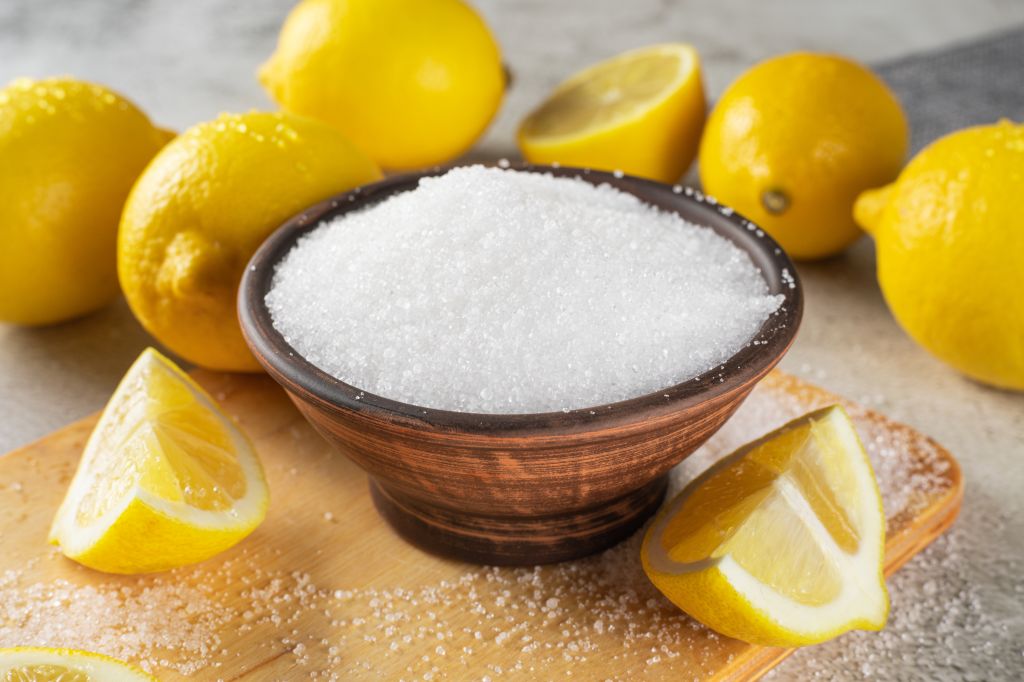
Some carbonated waters contain ingredients other than water and carbon dioxide that can increase the beverage’s acidity.
While additional ingredients are often included to enhance flavor, improve shelf life, or create a more refreshing taste, they may also increase the potential for enamel erosion when consumed frequently.
When comparing carbonated waters, look for ingredients such as:
- Citric acid
- Phosphoric acid
- Malic acid
- Fruit juice concentrates
- Added sugars
- Artificial flavors with added acids

Five tips to protect your teeth when drinking carbonated water
The choices you make when consuming carbonated water can influence how severely your teeth are affected.
Making a few simple adjustments may help minimize enamel exposure.
1. Drink using a straw
Using a straw may help reduce the amount of carbonated water that comes into direct contact with your teeth.
Research published in the British Dental Journal found that “drinking through a straw positioned toward the back of the mouth may reduce the erosive potential of soft drinks.”
By shortening the time acidic beverages remain in contact with the tooth surface, this approach may help reduce repeated acid exposure, particularly when drinking flavored carbonated beverages.
2. Choose plain carbonated water
Plain carbonated water is often the simplest option because it typically contains only water and carbon dioxide.
Choosing unflavored varieties may help reduce your teeth’s exposure to added acids, fruit juice concentrates, and sweeteners commonly found in flavored carbonated beverages, which can increase their erosive potential.

3. Enjoy carbonated water with meals
Drinking carbonated water alongside a meal, rather than on its own, may reduce its potential effect on tooth enamel.
Eating stimulates saliva production, which helps neutralize acids, clear away food particles, and restore minerals that support the natural repair of tooth enamel after acidic foods and beverages.
This increase in saliva also reduces the time acids remain in contact with your teeth when compared with drinking carbonated beverages between meals.
4. Rinse your mouth with water
After finishing a carbonated beverage, rinse your mouth with plain water instead of immediately reaching for another drink or snack.
“Water helps rinse away residual acids and beverage ingredients that can remain on the teeth, reducing how long they stay in contact with tooth enamel,” explains Dr. Berg. “This also helps saliva restore the mouth’s pH, which is a measure of acidity or alkalinity, toward its normal near-neutral range after exposure to acidic foods and beverages.”
5. Wait before brushing your teeth
Avoid brushing your teeth immediately after drinking carbonated water, especially flavored varieties that contain additional acids.
Acidic beverages can temporarily soften the outer surface of tooth enamel, and brushing too soon may increase enamel wear.
Waiting about 30 to 60 minutes allows saliva time to help neutralize acids and begin the natural remineralization process before brushing.
Key takeaways
- Flavored carbonated waters may contain ingredients, such as citric acid, fruit juice concentrates, and added sugars, that can increase their erosive potential.
- The acidity of a beverage and how long it remains in contact with your teeth both influence the likelihood of enamel erosion.
- Choosing plain carbonated water and following simple oral hygiene habits, such as drinking with meals, rinsing with water, and waiting to brush, may help protect tooth enamel.
FAQ
- 1. What are the downsides of drinking carbonated water?
- 2. Is sparkling water bad for your teeth after brushing?
- 3. What will happen if I drink carbonated water daily?
- 4. What destroys tooth enamel over time?