


At a glance
Restaurant food often differs from home-prepared meals in its ingredients, cooking methods, and nutritional balance. These differences can matter when dining out becomes a regular part of a person’s eating pattern. Meal composition, portion size, and frequency help determine how restaurant dining relates to metabolic, digestive, cardiovascular, and nutritional health.
The answer to why restaurant food tastes better than home-cooked meals to some people may lie in the hidden ingredients that many dishes include, which can affect your health over time. These hidden ingredients can make it feel impossible to eat out and stay healthy.
Large portions, refined carbohydrates, excessive sodium, added sugars, and highly processed cooking oils can make dining out less nutritious than it appears.
Understanding these hidden health costs can help you make more informed choices when ordering restaurant food.
What makes restaurant food unhealthy?
For many people, the idea of dining out is appealing because it offers easy access to a variety of meals, attractive presentation, and a social atmosphere that the whole family can enjoy.
Restaurant food isn’t inherently unhealthy, but many meals are prepared to maximize flavor combinations, rather than nutritional balance.
Restaurants may use larger amounts of salt, breading, and rich sauces than are typically used in home cooking, increasing the calorie content of the meal. Even foods marketed as grilled, fresh, or healthy can contain substantial amounts of added fat, sodium, or sugar from marinades, glazes, toppings, and condiments.
These differences can become more significant when dining out frequently. Research published in the European Journal of Clinical Nutrition found that on days when adults ate fast-food or full-service restaurant food, their total daily intake increased. Fast-food consumption was associated with an increase of approximately 190 calories and 297 milligrams of sodium, while full-service restaurant consumption was associated with an increase of approximately 187 calories and 412 milligrams of sodium.
An occasional restaurant meal is unlikely to determine a person’s overall health, but eating large, energy-dense meals regularly can make portion control and balanced nutrient intake more difficult.
Watch the video below to learn about the most dangerous restaurant meals.
Hidden ingredients in restaurant meals
Restaurant dishes may add ingredients that aren’t obvious from the menu description, especially in sauces, dressings, marinades, soups, and side dishes.
The type and amount of these hidden additions present in a dish are important factors in determining a meal’s overall nutritional value. Some common added ingredients that should be avoided include:
- High-fructose corn syrup
- Cane sugar
- Maltodextrin
- Modified food starch
- Seed oils
- Monosodium glutamate (MSG)
- Hydrolyzed vegetable protein
- Potassium sorbate
- Artificial food coloring and flavors
- Carrageenan

Five ways restaurant food can affect your health
Some people choose to eat at restaurants for convenience, variety, or social reasons, and the experience and effects of these meals can differ widely.
Here are five ways some restaurant meals may affect your health.
1. Potential to disrupt blood sugar and insulin regulation
Frequent fast-food intake has been associated with changes in insulin sensitivity, although broader dietary and lifestyle patterns may also influence this relationship.
Evidence published in The Lancet found that participants who ate fast food more than two times a week had twice the increase in insulin resistance compared with those who ate it less than once per week.
These findings suggest that frequent fast-food consumption may be linked to less favorable metabolic changes over time.
2. May increase appetite and affect body weight
Restaurant meals are often eaten quickly and may combine several highly palatable flavor profiles and textures, making it harder to recognize fullness cues during the meal. When happy memories are associated with a certain food, an individual might be more likely to eat out of emotion than out of actual hunger.
Over time, frequently eating beyond comfortable fullness may make body-weight management more challenging.
Some dishes also contain limited protein and fiber, two nutrients that can help support satiety and reduce the likelihood of hunger returning soon after eating.
However, appetite and weight are also influenced by a complex set of factors, including sleep, stress, physical activity, metabolism, and overall food choices.
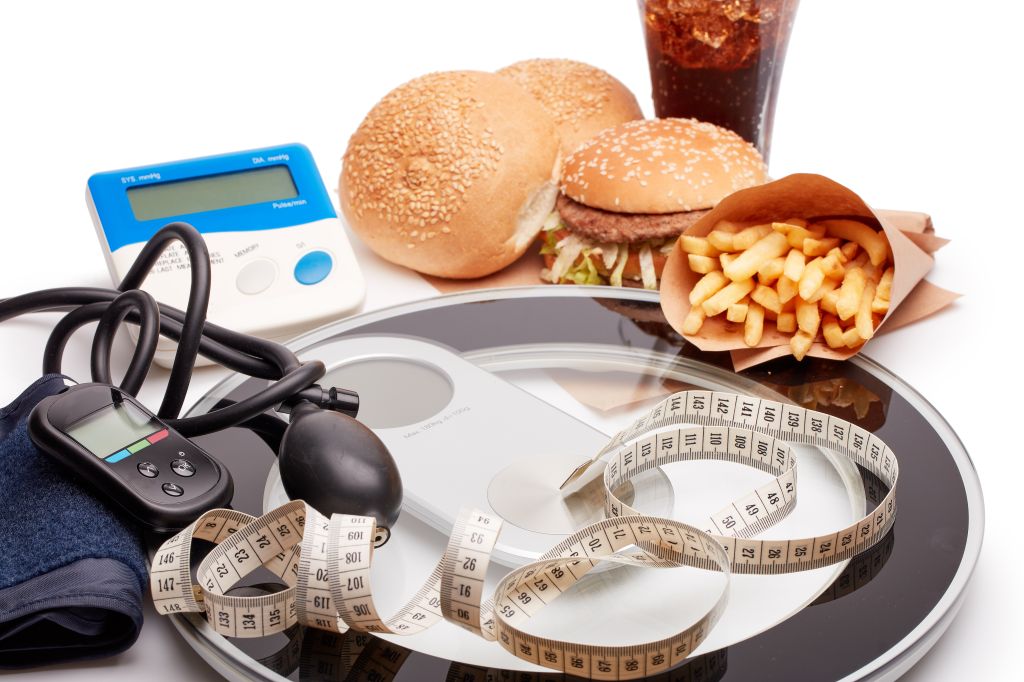
3. Raises blood pressure concerns
According to the Centers for Disease Control and Prevention (CDC), consuming too much sodium and too little potassium can raise blood pressure. Packaged and restaurant foods provide much of the sodium in the average American diet.
Sodium can be hidden in bread, cheese, sauces, soups, seasonings, and cured meats, even when a meal doesn’t taste especially salty.
This may make blood pressure management more difficult, particularly for salt-sensitive individuals or those with hypertension.
4. Contributes to digestive discomfort
Fried, high-fat, or spicy restaurant meals may be associated with heartburn, acid regurgitation, or prolonged fullness in some individuals.
Eating large portions, eating quickly, or having a meal shortly before bedtime may also coincide with more noticeable reflux symptoms.
Evidence published in Preventive Nutrition and Food Science found associations between gastroesophageal reflux disease (GERD) and high-fat, fried, spicy, and salty foods.
Persistent or worsening reflux symptoms should be discussed with a healthcare provider, as they may require further evaluation.
5. May reduce micronutrient intake
“Some restaurant meals contain limited amounts of vegetables and other whole foods that naturally provide essential vitamins and minerals,” explains Dr. Berg. “When these dishes regularly replace more varied meals, the diet may provide lower amounts of nutrients such as vitamin C, calcium, magnesium, and iron.”
Because nutritional quality varies widely between restaurants, meal composition plays an important role. Choosing dishes with vegetables, high-quality protein, and minimally processed ingredients can help provide a broader range of essential nutrients.

How to make healthier choices when eating out
When cooking food at home isn’t an option, eating out still doesn’t have to interfere with a balanced eating pattern. Small adjustments to entrées, sides, beverages, and condiments can make a meaningful difference while still allowing for a large selection of delicious dishes.
Here are a few ways to make healthier choices when eating out.
- Review the menu before arriving at the restaurant
- Choose grilled, roasted, baked, or steamed chicken or beef
- For breakfast, eggs are often a healthy choice, depending on their source
- Replace fries with salad or non-starchy vegetables
- Request sauces and dressings on the side
- Avoid breaded, battered, and deep-fried menu items
- Choose meals without sugary glazes or marinades
- Select water, sparkling water, or unsweetened beverages
- Stop eating when comfortably satisfied, not overly full
Key takeaways
- Restaurant meals can contain hidden sugars, refined starches, seed oils, sodium, and additives that aren’t obvious from the menu.
- Frequent consumption of heavily processed restaurant food may be associated with changes in blood sugar, appetite, digestion, blood pressure, and body weight.
- The potential health impact of dining out depends on meal composition, portion size, frequency, and a person’s overall eating habits.
- Choosing grilled proteins, non-starchy vegetables, unsweetened drinks, and sauces on the side can help improve meal quality.
FAQ
- 1. Why is eating at restaurants unhealthy?
- 2. What is the unhealthiest restaurant to eat at?
- 3. What are the disadvantages of eating at restaurants?
- 4. What should I avoid eating at restaurants?
- 5. Why does restaurant food taste better than home-cooked meals?