

At a glance
Learning how to stop hitting snooze begins with recognizing why mornings can feel difficult. Sleep quality, caffeine timing, bedtime habits, and your alarm setup can all affect how alert you feel when you wake up and how easily you get out of bed.
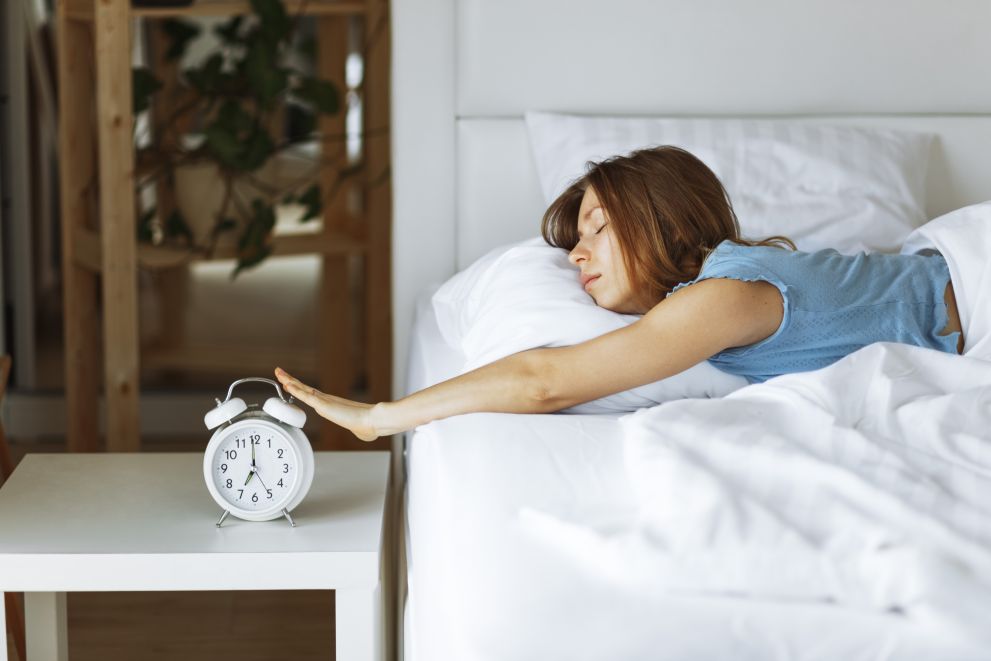
Hitting the snooze button may seem like a harmless way to get a few extra minutes of rest, but repeatedly waking and falling back asleep can leave you feeling groggy, less focused, and more rushed.
This habit often develops when your sleep schedule, evening routine, or morning motivation isn’t aligned with your body’s natural wake cycle.
Learning how to stop hitting snooze starts with improving sleep quality, creating a realistic wake-up plan, and making it easier to get out of bed when your alarm first goes off.
How hitting snooze affects your morning
Hitting snooze can disrupt the transition from sleep to wakefulness, especially when the extra minutes are too short to provide meaningful rest.
“Instead of helping you feel more refreshed, repeated alarms can interrupt light sleep or REM sleep, which is more common in the later part of the sleep cycle,” explains Dr. Berg. “This can make it harder for your brain and body to fully wake up.”
A groggy feeling is often linked to sleep inertia, which is the temporary period of reduced alertness and slower reaction time that can occur after waking.
When you press snooze several times, you may extend this sluggish state rather than giving yourself a clear wake-up signal.
Snoozing can also make your morning feel more stressful by cutting into the time you need to get ready, eat, hydrate, or ease into the day.
Over time, relying on the snooze button may reinforce an inconsistent wake-up pattern, making it harder to get out of bed when your alarm first goes off.
Watch the video below to learn how to fix terrible sleep.
Common reasons you keep hitting snooze
If you regularly hit snooze, it may be a sign that your body isn’t getting enough restorative sleep or that your wake-up time doesn’t match your natural rhythm.
Poor sleep hygiene, sleep disruptions, and environmental factors can make it harder to feel alert when your alarm first goes off.
Common reasons include the following:
- Not getting enough sleep each night
- Following an inconsistent sleep schedule
- Experiencing poor sleep quality overnight
- Setting your alarm too early
- Drinking caffeine too late in the day
- Using screens too close to bedtime
- Feeling stressed or mentally overstimulated
- Sleeping in a warm or bright room
- Lacking a clear morning routine
- Keeping your alarm within arm’s reach

Five tips to stop snoozing your alarm
Stopping the urge to hit snooze starts with understanding that waking up on time depends on more than willpower.
Your sleep timing, bedroom environment, and first few minutes after the alarm can all affect how alert you feel.
The following strategies can help make getting out of bed feel more manageable and consistent.
1. Set a consistent wake-up time
A consistent wake-up time helps train your body to expect sleep and wakefulness at predictable times.
This supports your circadian rhythm, which is the internal clock that helps regulate alertness, energy, and sleepiness throughout the day.
When your schedule shifts often, especially between weekdays and weekends, your body may have a harder time feeling ready to get up when the alarm goes off.
The snooze button can become more tempting when your brain is still adjusting from sleep mode to daytime alertness. Research published in Applied Physiology, Nutrition, and Metabolism supports this idea, finding that later sleep schedules and irregular sleep patterns were generally linked to poorer health outcomes.
The findings further suggest that going to bed and waking up at consistent times may better support overall health.
If your current schedule is far from your ideal routine, adjust gradually by waking up 15 to 30 minutes earlier every few days rather than making a sudden change.
2. Move your alarm away from your bed
Moving your alarm across the room adds a physical requirement that forces you to sit up, stand, and engage with your environment instead of turning the alarm off automatically.
Place your alarm somewhere you can clearly hear it, but far enough away that you have to get out of bed to shut it off.
Avoid putting it on your nightstand, under your pillow, or next to your phone charger if those spots make snoozing too easy.
Once you’re up, try to move directly into a simple morning routine, such as turning on a light, opening the curtains, or drinking water.
This helps create a clearer break between sleep and the start of your day, making it less tempting to climb back into bed.
3. Avoid staying up late
Staying up late can contribute to sleep debt by reducing the amount of sleep your body gets before the alarm goes off, especially if your wake-up time stays the same.
Evidence published in Sleep found that “Adults should sleep 7 or more hours per night on a regular basis to promote optimal health.”
Regularly getting less sleep than your body needs can make mornings feel harder and leave you less ready to get out of bed.
To make waking up easier, choose a bedtime that gives you enough time to rest before your alarm goes off.
If you tend to stay up too late, set a realistic evening cutoff for work, chores, scrolling, or TV so your body has time to wind down before sleep.

4. Create a relaxing bedtime routine
A relaxing bedtime routine helps signal to your body that it’s time to shift from daytime activity to sleep.
Repeating the same calming habits each night can make it easier to settle down and may improve sleep quality over time.
Keep your routine simple and realistic, such as making the room dark, using a white noise machine, light stretching, or preparing your clothes for the next morning.
Try to avoid activities that keep your mind alert, such as checking emails, scrolling on your phone, or starting stressful conversations close to bedtime.
The Centers for Disease Control and Prevention (CDC) recommends turning off electronic devices 30 minutes before bed and keeping the bedroom quiet, relaxing, and cool.
These habits can help create a more sleep-friendly environment, making it easier to wake up when your alarm goes off the next morning.
5. Avoid caffeine late in the day
Caffeine can make it harder to fall asleep by blocking adenosine, a chemical that builds up throughout the day and helps promote sleepiness.
Even if you can fall asleep after drinking caffeine, having it too late may still affect sleep quality and make it harder to feel rested in the morning.
Because caffeine can stay in the body for several hours, consider limiting coffee, energy drinks, caffeinated sodas, black tea, and green tea in the afternoon or evening.
Some people are more sensitive to caffeine than others, so your ideal cutoff time may depend on how quickly your body processes it.
If you notice that you wake up groggy or snooze your alarm more after drinking caffeine later in the day, try moving your last serving to an earlier time.
Choosing water, herbal tea, or another caffeine-free drink later in the evening can help support a smoother transition into sleep.

When difficulty waking up may signal a sleep problem
Occasional trouble waking up is common, especially after a late night or a stressful week.
However, if you regularly struggle to get out of bed despite allowing enough time to sleep, it may indicate poor sleep quality or an underlying sleep issue.
Signs to pay attention to include the following:
- Loud snoring during sleep
- Waking often during the night
- Gasping for air while sleeping
- Morning headaches or dry mouth
- Frequent nighttime urination
Keeping a sleep diary can help you track patterns such as bedtime, wake time, caffeine intake, nighttime awakenings, and how rested you feel in the morning.
If the problem continues or affects your focus, mood, safety, or daily routine, consider speaking with a healthcare professional to rule out conditions such as insomnia, sleep apnea, or other sleep disorders.
Key takeaways
- Hitting snooze can prolong grogginess by disrupting the brain’s transition from deeper sleep to wakefulness.
- Snoozing often may be linked to poor sleep quality, inconsistent sleep timing, late caffeine intake, or an unrealistic wake-up schedule.
- A consistent wake-up time, earlier bedtime, calming nighttime routine, and alarm clock placement can make mornings easier.
- Ongoing trouble waking up despite getting enough sleep may signal a sleep problem that should be discussed with a healthcare provider.
FAQ
- 1. How can I stop hitting the snooze button?
- 2. Is hitting snooze unhealthy?
- 3. What does hitting snooze do to your brain?


