


At a glance
Working out at night can be a good fit for many people, especially when there is enough time to recover before bed. Evening workouts temporarily raise heart rate, cortisol, and body temperature, but these changes don’t always interfere with sleep. Understanding how nighttime exercise affects sleep can help clarify when evening workouts are supportive and when they may be too stimulating.
Is working out at night bad for sleep? Not necessarily, as many healthy adults can exercise in the evening without disrupting sleep quality.
The effects of nighttime exercise depend mostly on workout intensity, timing, and how well the body winds down afterward.
Discover how working out at night affects sleep and how to exercise in the evening while still supporting a good night’s rest.
How exercise affects the body
Exercise activates several systems that regulate energy, stress, body temperature, and nervous system activity.
During a workout, heart rate and breathing rate increase to deliver oxygen and nutrients to working muscles. Core body temperature also rises as the body produces heat during physical activity.
Exercise can temporarily increase cortisol, a hormone involved in the stress response and energy mobilization. This isn’t necessarily harmful, as cortisol helps the body meet the demands of exercise.
After exercise, the body gradually returns toward baseline. Heart rate slows, breathing steadies, body temperature begins to decline, and the nervous system shifts away from high effort protocols.
Research published in the Journal of Sports Science & Medicine notes that exercise performance often peaks in the early evening, when core body temperature is higher.
The authors state, “The increase in core body temperature has been found to increase energy metabolism, improve muscle compliance and facilitate actin-myosin crossbridging.”
Evening workouts don’t need to be avoided solely because they occur later in the day. The key is allowing enough time for these exercise-related changes to reverse before bed, especially after strenuous physical activity.
Watch the video below to learn about the best time to exercise.
Can working out at night interfere with sleep?
Working out at night isn’t automatically bad for sleep. In many healthy adults, evening exercise can be compatible with quality sleep when workouts end early enough for the body to recover.
A meta-analysis published in Nature and Science of Sleep found that acute evening exercise overall didn’t disrupt sleep in healthy young and middle-aged adults. Moderate-intensity evening exercise showed the strongest trend toward improving sleep efficiency, reducing wake time after falling asleep, and increasing deep sleep.
The main issue is not nighttime exercise itself, but the intensity of the workout and how close it is done to bedtime.
Strenuous physical activity can temporarily raise core body temperature, heart rate, cortisol, and nervous system activity, all of which need time to settle before the body can fall asleep efficiently. Sleep onset depends partly on a drop in alertness and body temperature, so workouts that keep the body activated near bedtime may delay the shift into sleep.
Caffeine, bright light, late meals, screen use, and work stress can also cause the nervous system to be more alert in the evening. When these factors are combined with a demanding workout, it may take longer to feel drowsy and fall asleep.
For most healthy adults, moderate exercise earlier in the evening is less likely to interfere with sleep than vigorous exercise performed shortly before bed.
Tips for exercising at night without disrupting sleep
Exercise at night can support an active routine without disrupting sleep when workout intensity, timing, and evening stimulation are managed well. The goal is to train in a way that gives the body enough time to shift from performing strenuous activities to a state of rest.
Here are four tips for exercising at night without disrupting sleep.
1. Choose the right intensity
Light activity, such as walking, gentle cycling, stretching, or mobility work, is less likely to interfere with sleep and may be better tolerated later in the evening.
Moderate-intensity aerobic exercise, such as brisk walking, steady cycling, or swimming laps, may also work well when performed earlier in the evening.
Strenuous exercise is more stimulating and typically requires more recovery time before bed.
2. Finish vigorous workouts several hours before bed
More intense workouts, including strength training, sprint intervals, and high-intensity interval training, are best completed several hours before bedtime.
This gives the body more time to lower heart rate, cool down, and shift out of a stimulated state before sleep. If evening is the only time available, choosing a shorter or less intense workout may be more practical than skipping exercise altogether.
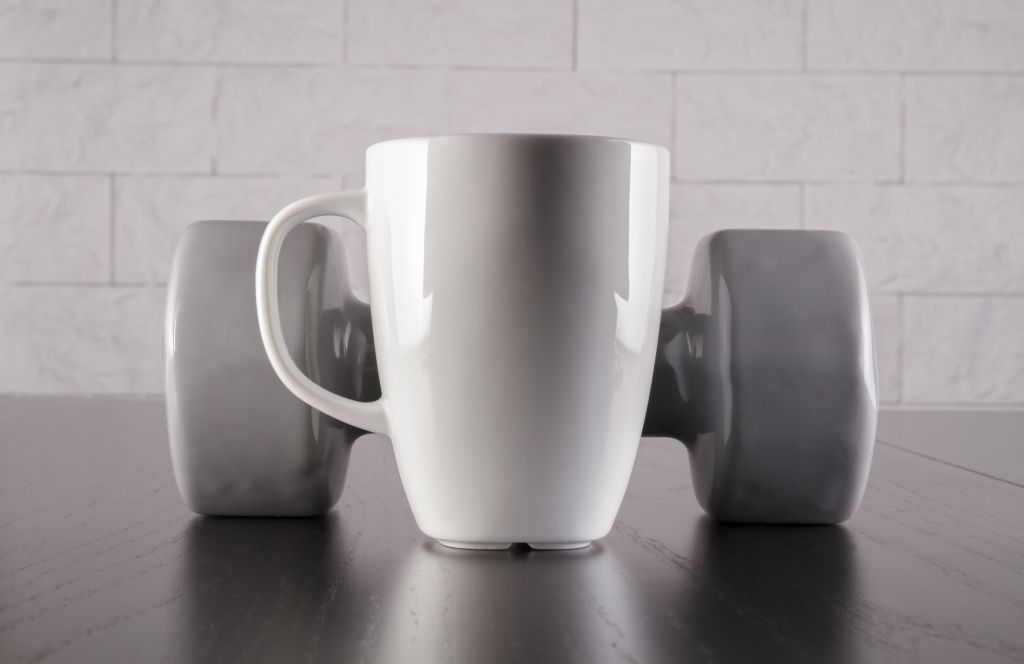
3. Avoid caffeine before evening workouts
Caffeine can stay active within the body for hours and may make it harder to fall asleep, especially when combined with exercise.
Pre-workout drinks, coffee, energy drinks, and some teas can stimulate the nervous system and raise alertness late in the day. This can make an evening workout feel more energizing than intended and delay the body’s natural wind-down process.
Avoiding caffeine before evening exercise can help reduce sleep disruption.
4. Wind down after your workout
A workout should be followed by a clear wind-down period.
Lower the lights, reduce screen use, take a warm bath or shower, and practice slow breathing to promote relaxation. These habits help signal that the workout is over and that the body can shift toward rest.
The right nighttime workout should leave the body calmer afterward, not overly energized, as this can disrupt the circadian rhythm and make it difficult to fall asleep.
Key takeaways
- Working out at night isn’t automatically bad for sleep, and many healthy adults tolerate evening exercise well.
- Late exercise is more likely to affect sleep when it is vigorous, ends too close to bedtime, or is combined with caffeine, bright light, stress, or screen exposure.
- Light or moderate exercise may be better tolerated later in the evening, while high-intensity exercise and heavy strength training are best completed several hours before bed.
- A relaxing bedtime routine can help shift the nervous system away from exercise mode and toward sleep.
FAQ
- 1. Is working out at night bad for sleep?
- 2. Can working out at night help you get a good night’s sleep?
- 3. Does exercise at night affect sleep quality?
- 4. How late is too late to exercise?
- 5. What is the best nighttime exercise for sleep?


