

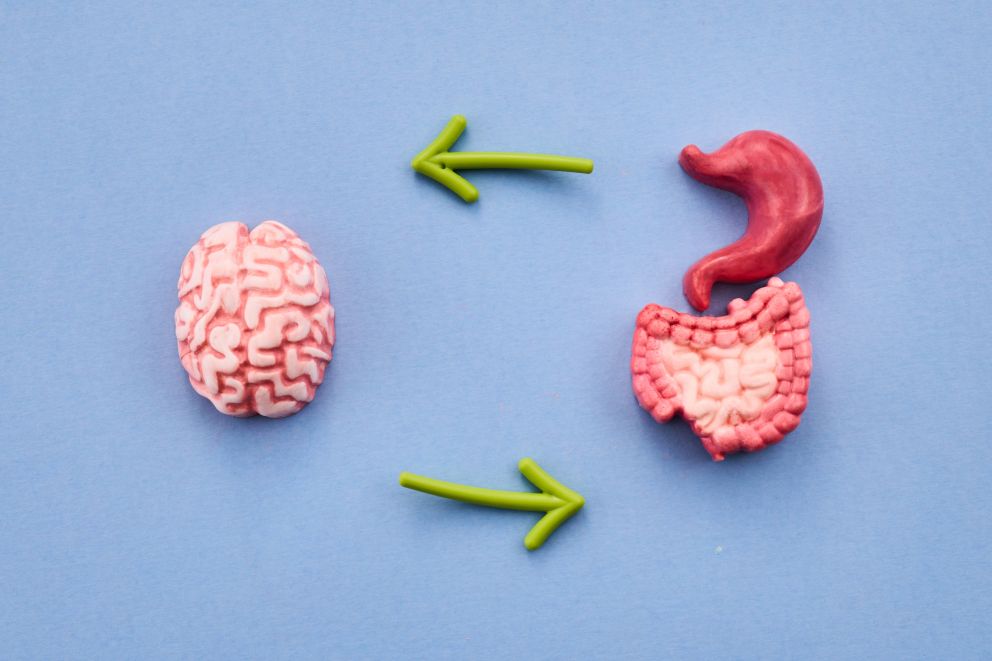
At a glance
Stress activates the body’s fight-or-flight response, which redirects energy and resources away from digestion. This shift can cause irregular gut motility, abdominal discomfort, alter your gut microbiome, and even influence your emotions. Reducing stress through relaxation techniques and healthy lifestyle choices may help support digestion and overall health.
Stress doesn’t just affect your mood—it has a direct, measurable impact on your digestive system. During stressful periods, it’s common to notice symptoms like abdominal tension, indigestion, sudden urgency, bloating, or changes in appetite.
Learn how stress and digestion are connected, why stress can lead to gastrointestinal (GI) issues, and which lifestyle and dietary strategies may help restore balance.
How the digestive tract operates
Under normal conditions, your digestive system runs on a predictable rhythm. Food enters the stomach and eventually moves into the intestines. Digestive fluids and enzymes help break it down, and nutrients are absorbed. Meanwhile, throughout the process, muscular contractions help move food through the digestive tract until it’s eventually expelled through the colon.
Most aspects of this digestive process are coordinated by the enteric nervous system (ENS), which is a dense web of over 500 million neurons embedded in the gut wall.
Thanks to its unique neuronal structure, the ENS can act semi-independently of the central nervous system, meaning it can perform most of these digestive functions without direct instructions from the brain or spinal cord. This is why it’s sometimes called the “second brain.”
The gut-brain connection
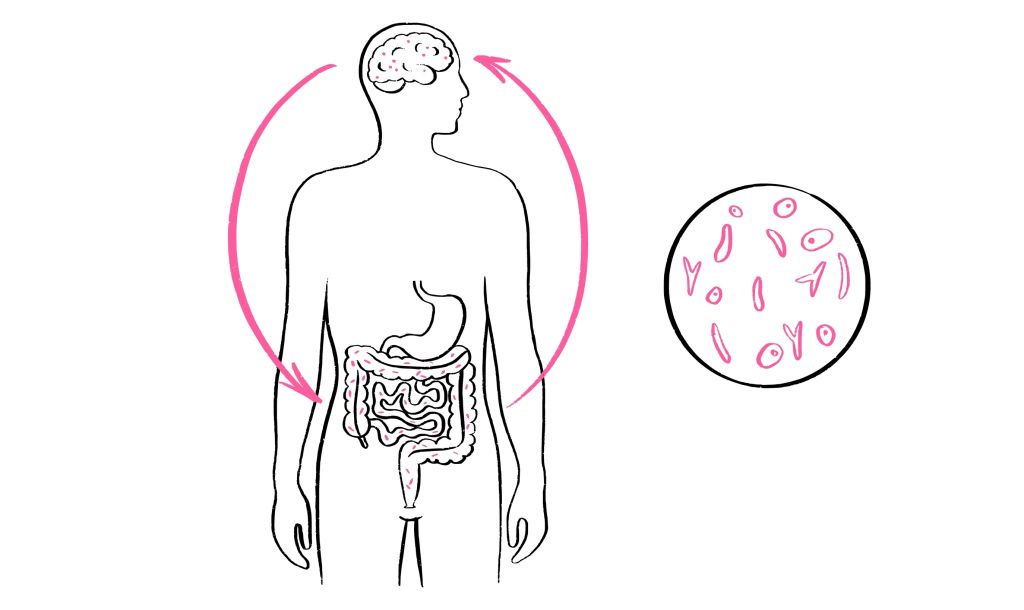
Although the ENS can operate many parts of digestion on its own, it still receives constant input from the brain through a multisystem network called the gut‑brain axis. This network links your digestive tract with the nervous, endocrine, and immune systems.
Communication between these systems is facilitated by signals such as nerve impulses, neurotransmitters, hormones, immune messengers, and other compounds produced by gut bacteria.
Because this network operates in both directions, what happens in your mind can quickly affect your digestive system, including how well food moves through the digestive tract, the secretion of digestive fluids, enzyme release, and inflammatory responses.
At the same time, what happens in your GI tract can have a significant impact on your mood, appetite, stress levels, and even how you perceive pain. This explains why so many people report having a “gut feeling” or stomach discomfort during emotional stress.
Research published in Microorganisms highlights that an important part of this communication involves the balance and activity of the bacteria naturally found in the digestive tract, collectively known as the gut microbiome.
While the primary physical connector between the head and the gut is the vagus nerve, its nerve fibers don’t actually make direct contact with your gut bacteria or the intestinal wall. Instead, the gut microbiome communicates across this gap by interacting with gut neurons.
It does this by releasing metabolic compounds such as short-chain fatty acids (SCFAs) and actively altering the creation and degradation of critical neurotransmitters in the digestive tract, including serotonin, dopamine, and gamma-aminobutyric acid (GABA). These chemical messengers are crucial for regulating appetite, gut motility, emotions, cognition, and sleep patterns.
“People don’t realize how heavily gut microbes influence the brain,” explains Dr. Berg. “If you don’t have the right balance of microbes, that can have a huge effect on your body’s ability to regulate neurotransmitters, which can directly affect your mood and how you handle stress.”
Watch the video below to learn more about the gut-brain connection.
How stress can influence digestive processes
For many people, chronic stress is one of the most overlooked drivers of digestive discomfort, bloating, acid reflux, and irregular bowel patterns.
When you encounter a stressor, whether physical or imagined, the brain activates some degree of a survival response. This triggers a chain reaction that starts in a small area of your brain called the hypothalamus, which then sends signals that ultimately flood your body with stress hormones, mainly cortisol and adrenaline.
At the same time, the sympathetic nervous system (SNS) is activated, which triggers the fight-or-flight response designed to help you escape danger quickly. This primarily increases heart rate, sends extra blood and oxygen to your muscles and brain, and releases stored sugar and fat for quick energy.
This process can also temporarily shut down or slow functions that aren’t needed for immediate survival, including digestion, which is one of the body’s biggest energy users.
Here are five primary ways the stress response can affect the digestive system.
1. Irregular gut motility
In both acute and chronic stress, the stomach may empty more slowly, while intestinal transit can speed up. This means that food sits in the stomach longer than it should, leading to bloating, indigestion, and stomach pain. Meanwhile, the colon contracts more rapidly, which can result in cramping, diarrhea, or urgent bowel movements.
2. Stomach acid balance shifts
Cortisol and other stress hormones can increase gastric acid secretion, often triggering acid reflux, heartburn, and indigestion.
To find relief, many turn to acid suppressants. While these manage symptoms, reduced stomach acid can create new digestive hurdles by throwing off microbial balance and diminishing gallbladder signaling, which can impair bile flow and, in turn, fat digestion.
3. May weaken gut lining
The inner wall of the digestive tract is sealed by tightly connected cells that help prevent GI contents from entering the bloodstream.
Chronic stress can weaken these tight junctions, increasing intestinal permeability and allowing bacteria and other particles to pass into the bloodstream. This breach triggers inflammation that can contribute to worsening digestive problems and mental health issues over time.
4. Nerve sensitivity increases
Stress can make the nerves lining the gut more sensitive to digestive sensations. This means that normal activities such as passing gas through the intestines or bowel stretching from passing stool can register as pain or significant discomfort rather than a slight dull pressure.
This can be particularly intense for those with preexisting GI conditions, such as irritable bowel syndrome (IBS) or Crohn’s disease, who may already be more sensitive.
5. Gut microbial imbalances
The gut microbiome, which is composed of trillions of bacteria and other microorganisms living in your digestive tract, is a crucial factor in maintaining homeostasis in the body.
In a healthy microbiome, beneficial bacteria play numerous important roles, including providing nutrients, breaking down dietary fibers, maintaining the integrity of the intestinal lining, supporting healthy brain development, and helping keep opportunistic microbial populations at bay.
Research published in Gut Microbes highlights that when stress hormones are released into the gut, they can drastically alter this microbial environment. In laboratory settings, certain pro-inflammatory bacteria have shown the capacity to use these hormones to accelerate their growth by up to 10,000 times, while beneficial bacteria, such as Lactobacilli, are suppressed.
Resulting microbial imbalances can weaken the gut barrier, increase inflammation, and promote stress responses—potentially contributing to a vicious cycle of psychological stress and digestive consequences.

Stress management techniques
Because stress and digestion are so deeply connected, managing stress is one of the most practical ways you can support gut health and reduce triggers that may disrupt digestion.
Stress management techniques can help activate the parasympathetic nervous system (PSNS), which is responsible for the rest-and-digest processes. The PSNS helps promote relaxation, stimulates the release of stomach acid and digestive enzymes, and supports coordinated gut motility.
Structured deep-breathing exercises can help engage the PSNS and lower cortisol levels. Techniques such as extended exhales, box breathing, and cyclic sighing can help shift the body out of a fight-or-flight state and may help reduce digestive symptoms linked to acute stress.
Progressive muscle relaxation may also help reduce physical tension associated with stress. This technique involves intentionally tightening and relaxing muscle groups to help calm the nervous system, improve body awareness, and promote more restful sleep.
Other beneficial habits include walking, improving sleep hygiene, getting regular sunlight exposure, limiting excessive screen time, and building consistent routines that reduce unnecessary stress triggers in daily life.
When to seek professional help
For some individuals, self-care strategies may not be enough. When stress becomes overwhelming, professional guidance can be an essential part of a comprehensive management plan.
Cognitive behavioral therapy or structured mindfulness-based stress reduction programs can be highly effective for developing healthier coping skills, calming the nervous system, and supporting long-term emotional resilience.

What to eat when stressed
During stressful periods, many people naturally reach for sugary, highly processed comfort foods. While these may provide short-term comfort, they can negatively affect the gut microbiome and contribute to unstable energy and cravings over time.
Instead, it’s recommended to focus on incorporating nutrient‑dense whole foods. Fiber‑rich foods, fermented foods, and healthy fats can be particularly beneficial.
However, fiber may cause digestive upset when introduced into the diet if not regularly consumed beforehand. Fiber should be added to the diet slowly, and consulting a healthcare professional is recommended if any issues arise.
Some people also benefit from less frequent snacking and allowing longer intervals between meals. This can give the digestive system time to rest and may support more efficient gut motility and microbial balance.
Key takeaways
- Stress and digestion are deeply connected through the nervous system and the gut-brain axis, allowing the brain and gut to continuously influence each other.
- Chronic stress activates the sympathetic nervous system and floods the body with stress hormones, which can disrupt gut motility, stomach acid balance, the gut lining, nerve sensitivity, and microbial balance.
- Calming practices such as deep breathing exercises and progressive muscle relaxation can help activate the calming parasympathetic nervous system and help improve digestion.
- A diet rich in fiber, fermented foods, and healthy fats may help nourish the gut microbiome and support overall well-being during stressful periods.
FAQ
- 1. What are the most common digestive symptoms of stress?
- 2. How do I know if my digestive issues are caused by stress?
- 3. What can I do to help manage stress and support digestive health?


