


At a glance
Vitamin D is a fat-soluble vitamin that supports bone mineralization, muscle function, calcium balance, nerve signaling, and immune defenses. Often called the sunshine vitamin, it’s produced in the skin through UVB light exposure and later activated by the liver and kidneys. Because many factors influence vitamin D levels, understanding how it works helps explain why deficiency is common and why balance matters for overall health.
Vitamin D plays a crucial role in maintaining bone health, muscle movement, brain function, and immune support.
Unfortunately, vitamin D deficiency is common and can impact a wide range of physiological functions and hormonal pathways.
Let’s look at common symptoms of vitamin D insufficiency and discover how to maintain optimal levels to promote a healthy body.
What is vitamin D?
Vitamin D is a fat-soluble vitamin that regulates various physiological functions, including bone mineralization, muscle function, calcium balance, nerve transmissions, and immune defenses.
Also known as the sunshine vitamin, the body produces vitamin D when the skin is exposed to ultraviolet B (UVB) radiation in sunlight.
Exposure to UVB rays initiates a series of biochemical reactions that transform previtamin D3 in the skin into vitamin D3, which is then further converted into its active form through enzymatic conversion in the liver and kidneys.
The rate of vitamin D production depends on several factors, including average UVB light exposure, age, skin tone, body weight, health status, and geographical location.
Because vitamin D is fat-soluble, it can be stored in fat cells and the liver for extended periods. However, inadequate sunlight exposure can lead to depleted vitamin D levels, thereby increasing the risk of deficiency.
Watch the video below to learn how vitamin D affects every organ and tissue in the body.
Benefits of vitamin D
“Almost every cell in the human body has a vitamin D receptor,” explains Dr. Berg. “This indicates that vitamin D may play a crucial role in maintaining normal cellular function.“
Research published by The American Journal of Clinical Nutrition supports the importance of a healthy vitamin D status for overall health.
Here are four health benefits of vitamin D.
1. Supports skeletal health
Vitamin D plays a key role in regulating the body’s natural process of absorbing calcium in the intestines.
Optimal intestinal calcium absorption is vital for promoting bone mineralization, supporting skeletal health, and maintaining muscle and nerve signal function.
2. Promotes immune support
Vitamin D has been found to be involved in the body’s natural processes that support the function of various immune cells, including macrophages, T-cells, and natural killer (NK) cells.
In addition, evidence published in The International Journal of Molecular Sciences highlights that vitamin D helps regulate genetic pathways involved in immune functions, stating, “Vitamin D target genes present a key role in the action of vitamin D in innate and adaptive immunity.”
3. Enhances mood regulation
Vitamin D has been found to support brain function and may influence the production of serotonin, a neurotransmitter associated with mood regulation and emotional balance.
4. Supports cardiovascular health
Vitamin D may play a role in promoting heart health by helping regulate calcium balance, supporting healthy blood vessel linings, and contributing toward a well-functioning cardiovascular system.
This fat-soluble vitamin also promotes balanced inflammatory responses and supports normal blood pressure regulation, thereby contributing to circulatory wellness.
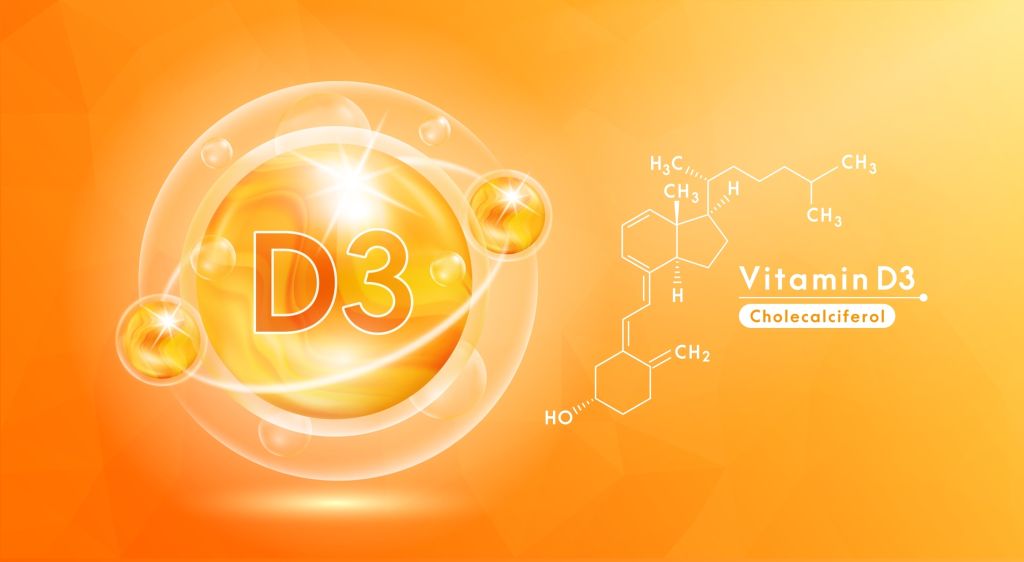
Vitamin D3 vs. D2
Vitamin D naturally occurs as vitamin D2 (ergocalciferol) and vitamin D3 (cholecalciferol). While these two forms of vitamin D have a similar chemical structure, vitamins D2 and D3 have profound differences.
Vitamin D3 is produced when skin is exposed to UVB radiation and can be found in a select number of foods, including egg yolks, oily fish, and organ meats.
In contrast, vitamin D2 is found in certain types of yeasts and wild mushrooms exposed to UVB radiation.
Vitamin D2 is inexpensive to manufacture and is commonly used in over-the-counter dietary supplements and fortified foods, such as breakfast cereals, milk, and orange juice.
In contrast, vitamin D3 is more readily absorbed and significantly more effective in maintaining optimal vitamin D levels than vitamin D2.
The importance of taking vitamin D with vitamin K2
It’s well known that taking vitamin D supplementation can support calcium absorption and healthy bones, but the importance of combining it with vitamin K2 for skeletal and cardiovascular health is often overlooked.
While vitamin D3 supports calcium absorption in the small intestines, vitamin K2 helps transport circulating calcium away from soft tissues and into bone and teeth, where it’s needed.
Combining vitamin D3 and K2 is crucial for promoting optimal bone tissue mineralization, skeletal integrity, and cardiovascular health.
Identifying and managing vitamin D deficiency
A study published in Frontiers of Nutrition estimates that almost half of all U.S. adults have low vitamin D levels or are at risk of deficiency.
Here are common causes and risk factors of vitamin D deficiency.
Causes and risk factors
Lack of adequate UVB exposure is a leading cause of low vitamin D status. People who live in regions with limited sunlight and those with an indoor lifestyle often don’t produce enough vitamin D to maintain healthy levels.
Because vitamin D is stored in fat tissue, excess body fat can sequester it in fat cells. This reduces circulating levels of active vitamin D and explains why overweight or obese individuals can develop low vitamin D status despite adequate sunshine exposure.
Additionally, darker skin contains higher levels of melanin, which naturally blocks UV rays and reduces the skin’s ability to produce vitamin D. As a result, people with darker skin tones are more likely to have lower vitamin D levels, particularly in areas with limited sunlight.
As you age, vitamin D metabolism slows down, which can significantly increase the risk of low vitamin D stores in older adults.
Furthermore, certain medical conditions, such as celiac disease, Crohn’s disease, and inflammatory bowel disease (IBD), can interfere with vitamin D absorption and metabolism.
This has been confirmed by research published in Nutrition Issues in Gastroenterology, which found a high prevalence of vitamin D deficiency among patients with gastrointestinal health issues.

Symptoms and diagnosis
Signs of low vitamin D can be subtle and nonspecific, making it challenging to identify and diagnose vitamin D deficiency based on clinical manifestations alone.
Fortunately, vitamin D status can easily be evaluated with a simple blood test that measures the concentration of active vitamin D in the blood.
Serum vitamin D levels below 20 ng/mL (50 nmol/L) indicate deficiency, levels between 20 to 30 ng/mL (50 to 75 nmol/L) are classified as insufficient, and levels above 50 ng/mL (125 nmol/L) are generally considered adequate for most healthy adults.
Here are common signs of vitamin D deficiency:
- Unexplained tiredness
- Muscle discomfort
- Thinning hair
- Mood changes
- Skin problems
- Poor recovery
- Weak nails prone to splitting
- Memory issues and brain fog
If you are concerned about your vitamin D levels or experience vitamin D deficiency-related symptoms, it’s crucial to consult a healthcare provider to evaluate your vitamin D blood levels and assess your overall health status.
Treatment and prevention
Vitamin D deficiency is most commonly managed with vitamin D3, which is the preferred supplemental form as it appears to be more effective than vitamin D2.
Depending on the severity of the deficiency and vitamin D dosage, levels typically improve within six to eight weeks of regular vitamin D3 intake.
A healthcare provider can recommend the appropriate dosage and duration of treatment based on individual needs, blood test results, and overall health status.
If deficiency is related to medication use or underlying medical issues such as malabsorption or liver or kidney problems, it’s essential to address and manage these underlying causes as part of a comprehensive treatment plan supervised by a medical professional.
Prevention measures to limit the risk of deficiency involve getting regular, safe sunlight exposure, consuming foods rich in vitamin D, and taking a vitamin D3 supplement if recommended by a healthcare provider.

Vitamin D dosage
The appropriate vitamin D dosage depends on several factors, including your vitamin D blood levels, sunlight exposure, skin tone, health status, and body weight.
A dose of 600 IU daily is typically suggested by most healthcare providers.
However, those who lack adequate sunlight exposure, as well as individuals who are overweight or obese, have a darker skin tone, or suffer from a gastrointestinal condition, may require more vitamin D3 to promote healthy levels.
In addition, a study published in Women’s Health suggests that pregnant and lactating women may require additional vitamin D to support their baby’s development and should consult with a healthcare provider to determine a safe and adequate vitamin D dosage.

Sources of vitamin D
The body produces vitamin D in response to sunlight and can absorb it via the intestines from foods and supplements.
While sunlight exposure is the body’s primary source of vitamin D, certain dietary sources, such as fatty fish, organ meat, and egg yolks, may also contribute to healthy levels.
Can you get enough vitamin D from food alone?
According to research published in The American Journal of Clinical Nutrition, relying on food sources to obtain the recommended dietary allowance of vitamin D isn’t adequate and can increase the risk of deficiency.
Not only is there a limited number of vitamin D-rich foods, but it’s also believed that only 50 percent of dietary vitamin D is absorbed into the bloodstream.
Vitamin D and sunlight: how much sun exposure do you need?
General guidelines suggest that between 10 and 30 minutes of midday sun exposure, several times a week, without sunscreen, can help maintain adequate vitamin D levels.
However, locations at latitudes greater than 42° north of the equator have lower UVB radiation, and significantly longer periods in sunlight may be needed to stimulate adequate vitamin D production.
In addition, older individuals and those with darker skin tones typically have a reduced rate of vitamin D production, which can make it challenging to get enough vitamin D from sunlight exposure alone.

How to choose a quality vitamin D supplement
While vitamin D supplements are widely available, the quality and effectiveness of vitamin D-containing supplements can differ significantly.
Vitamin D3 is a more potent form than vitamin D2 and is considered more effective in maintaining optimal levels.
It’s equally important to choose a vitamin D supplement with added vitamin K2. A ratio of around 10,000 IU of vitamin D3 to around 100 mcg of vitamin K2 is often recommended for daily use, although individual needs vary.
To gain the full health benefits of vitamin D3, it’s important to support proper absorption in the gut. Because vitamin D is fat-soluble, it requires dietary fats to be efficiently absorbed and transported into the bloodstream.
That explains why many individuals seeking to support optimal vitamin D levels combine supplementation with medium-chain triglycerides (MCTs) or take vitamin D with a meal containing healthy fats.

Vitamin D risks
Vitamin D supplementation is generally considered safe. However, compared to water-soluble vitamins that are readily excreted, fat-soluble vitamins such as vitamin D can accumulate in the body.
Here are potential risks associated with vitamin D supplementation.
Vitamin D toxicity
Vitamin D toxicity, also known as hypervitaminosis D, is characterized by an excessive buildup of vitamin D in the body.
Hypervitaminosis D can develop when excessive amounts of vitamin D are taken for prolonged periods or may be associated with certain medical conditions that impair the body’s ability to regulate vitamin D levels.
Common signs of vitamin D toxicity include:
- Nausea and vomiting
- Unexplained weight loss
- Gastrointestinal issues
- Confusion
- Kidney stones
- Elevated blood calcium levels

Vitamin D interactions
Taking vitamin D supplements may heighten the risk of side effects from certain medications, such as diuretics and anti-seizure drugs.
Vitamin D may also alter the metabolism of drugs used to treat cancer and can contribute to elevated blood calcium levels when combined with calcium supplementation.
It’s crucial to discuss potential drug interactions with a healthcare provider before starting vitamin D supplementation if you are taking prescription or over-the-counter medications to minimize the risk of side effects.
Potential side effects
Individuals with a sensitive digestive tract may experience gastrointestinal issues, such as nausea and stomach pain, after taking vitamin D.
It’s important to note that those with hyperparathyroidism and certain cancers, such as lymphoma or bone cancer, shouldn’t take extra vitamin D.
These conditions can cause elevated blood calcium levels, which may be exacerbated by vitamin D and lead to an increased risk of an imbalanced calcium distribution, contributing to various health issues.
Key takeaways
- Vitamin D is a fat-soluble vitamin that supports bone mineralization, muscle function, calcium balance, nerve signaling, and immune defense, with production initiated in the skin through exposure to UVB sunlight and further activated in the liver and kidneys.
- Vitamin D status depends on various factors, including sun exposure, age, skin tone, body weight, health conditions, and location. Inadequate sunlight can increase the risk of low vitamin D levels, despite the body’s ability to store vitamin D in fat tissue.
- Adequate vitamin D levels support skeletal strength, immune function, mood regulation, and cardiovascular health by promoting calcium absorption, balanced inflammatory responses, and normal cellular activity throughout the body.
- Vitamin D exists in two forms, D2 and D3, with vitamin D3 being more efficiently absorbed and more effective at maintaining healthy levels. However, deficiency remains common due to limited sun exposure, absorption issues, and lifestyle factors.
FAQ
- 1. What is vitamin D?
- 2. What does vitamin D do for the body?
- 3. What are the benefits of vitamin D?
- 4. How can I get vitamin D naturally?
- 5. Are vitamin D supplements safe?
- 6. How much vitamin D do I need daily?
- 7. Should I take vitamin D2 or vitamin D3?
- 8. What are the symptoms of vitamin D deficiency?
- 9. What causes vitamin D deficiency?
- 10. Can you get vitamin D from food?
- 11. What are the symptoms of vitamin D toxicity?
- 12. Does vitamin D interact with medications?
- 13. Why do I need to take vitamin K2 with vitamin D?
- 14. Can MCT oil increase vitamin D bioavailability?
Sources
- Shapses SA, Calvo MS. Health Benefits of Vitamin D Supplementation: Time to Move the Spotlight Away from Bone Health in Vitamin D-replete Individuals?. The American Journal of Clinical Nutrition. 2023;118(3):489-490. doi:10.1016/j.ajcnut.2023.06.017 https://ajcn.nutrition.org/article/S0002-9165(22)03766-2/fulltext
- Sîrbe C, Rednic S, Grama A, Pop TL. An Update on the Effects of Vitamin D on the Immune System and Autoimmune Diseases. International Journal of Molecular Sciences. 2022;23(17):9784. doi:10.3390/ijms23179784 https://www.mdpi.com/1422-0067/23/17/9784#:~:text=3.-,Vitamin%20D%20Effects%20on%20the%20Adaptive%20Immune%20System,synthesis%20with%20B%2Dcell%20apoptosis
- Cui A, Xiao P, Ma Y, et al. Prevalence, trend, and predictor analyses of vitamin D deficiency in the US population, 2001-2018. Frontiers in nutrition. 2022;9:965376. doi:10.3389/fnut.2022.965376 https://pmc.ncbi.nlm.nih.gov/articles/PMC9573946/
- “Bariatric Surgery and Vitamin Supplementation.” University of Virginia Health System. https://med.virginia.edu/ginutrition/wp-content/uploads/sites/199/2015/11/JavorskyArticle-March-06.pdf
- Wagner CL, Taylor SN, Johnson DD, et al. The role of vitamin D in pregnancy and lactation: emerging concepts. Women’s health (London, England). 2012;8(3):323-40. doi:10.2217/whe.12.17 https://pmc.ncbi.nlm.nih.gov/articles/PMC4365424/
- Holick MF, Chen TC. Vitamin D deficiency: a worldwide problem with health consequences. The American journal of clinical nutrition. 2008;87(4):1080S-6S. doi:10.1093/ajcn/87.4.1080S https://pubmed.ncbi.nlm.nih.gov/18400738/
Related Articles
-
What Is the Best Time to Take Magnesium?
 Supplements
What Is the Best Time to Take Magnesium?
At a glance The best time to take magnesium depends on your primary health goals and daily routine. Morning magnesium intake can support daytime stress management and energy production, while…08/31/2026 -
Vitamin D2 vs. D3 Supplements: What’s the Difference?
 Supplements
Vitamin D2 vs. D3 Supplements: What’s the Difference?
At a glance Vitamin D2 and vitamin D3 are two forms of supplemental vitamin D. Although both contribute to vitamin D intake, they differ in structure, stability, and effectiveness in…05/21/2026 -
Liquid vs. Capsule Vitamin D Supplements
 Nutrients
Liquid vs. Capsule Vitamin D Supplements
At a glance Vitamin D is a fat-soluble nutrient that functions more like a hormone than a traditional vitamin by regulating calcium absorption, supporting immune function, and influencing critical cellular…05/21/2026 -
Vitamin D Supplements: Forms and How to Choose
 Supplements
Vitamin D Supplements: Forms and How to Choose
At a glance Vitamin D supplements differ in form and formulation, which can influence how vitamin D is absorbed, metabolized, and retained in the body. Individual factors such as sun…05/14/2026 -
Cod Liver Oil – Benefits and Side Effects
 Nutrition
Cod Liver Oil – Benefits and Side Effects
At a glance Cod liver oil is a nutrient-dense oil derived from the livers of Atlantic codfish, valued for its rich content of omega-3 fatty acids such as EPA and…04/03/2026 13.6k views -
Can Low Vitamin D Cause Depression in Teenagers?
 Vitamins
Can Low Vitamin D Cause Depression in Teenagers?
At a glance Vitamin D is essential for brain health, and low levels in teenagers may increase the risk of depression. Insufficient sunlight exposure and poor dietary habits can contribute…02/26/2026 10.8k views -
Cholesterol and Vitamin D: How Are They Connected?
 Heart health
Cholesterol and Vitamin D: How Are They Connected?
At a glance Cholesterol and vitamin D are closely connected, as cholesterol is required to produce vitamin D, and vitamin D is needed to balance the body’s cholesterol pool. Understanding…02/20/2026 28.2k views -
The Connection Between Vitamin D and Gallbladder Health
 Health concerns
The Connection Between Vitamin D and Gallbladder Health
At a glance Vitamin D and gallbladder health are closely connected, as adequate bile flow is essential for the absorption of vitamin D. At the same time, low vitamin D…01/29/2026 10.7k views -
7 Nail Changes That May Be Linked to Nutrient Deficiencies
 Nutrition
7 Nail Changes That May Be Linked to Nutrient Deficiencies
At a glance Nails can serve as a biological record of your health, as changes in nail strength, shape, color, or texture may signal nutrient deficiencies. Supporting optimal nutrient levels…01/23/2026 33.4k views -
Osteoporosis and Osteopenia: How to Support Strong Bones
 Health concerns
Osteoporosis and Osteopenia: How to Support Strong Bones
At a glance Osteopenia and osteoporosis are age-related conditions marked by gradual bone density loss that often develops without clear symptoms. Changes in bone strength can increase fracture risk and…01/08/2026 5.9k views