

At a glance
Eating nutrient-dense, minimally processed foods is crucial for maintaining long-term health, as they support digestion, cardiovascular function, energy production, and immune balance. Discover seven of the healthiest foods you should be eating to promote a healthy body.
Eating nutritious foods is a crucial component of good health, providing benefits that impact digestion, heart health, energy metabolism, and immune functions.
Learn about seven of the healthiest foods to promote overall well-being, and discover practical tips on how to choose high-quality ingredients that support long-term wellness.
What makes food healthy?
Healthy foods are nutritious, meaning they offer essential nutrients that the body can easily absorb and readily use efficiently.
These foods provide natural vitamins, minerals, antioxidants, and dietary fiber that support vital physiological functions, including metabolic energy-making processes, hormone regulation, and cellular repair.
In contrast, highly processed products often contain refined starches, added sugars, harmful seed oils, and synthetic additives that provide calories but little to no nutritional value.
Even when processed foods are fortified with synthetic vitamins, these nutrients are typically less bioavailable than those found in whole foods, making it harder to maintain optimal nutrient status over time.
This has been confirmed by research published in the BMJ, which found that higher consumption of ultra-processed foods was consistently linked to a higher risk of poor overall health.
The author concluded that “greater exposure to ultra-processed food was associated with a higher risk of adverse health outcomes, especially cardiometabolic, common mental disorder, and mortality outcomes.”
This highlights the importance of choosing a variety of minimally processed whole foods, ideally from both plant and animal sources, to support the body’s natural repair mechanisms and promote long-term wellness.
Following the Healthy Keto® approach, which emphasizes nutrient-dense whole foods such as wild-caught fish, leafy greens, extra-virgin olive oil, and fermented vegetables, is an excellent strategy to ensure healthy eating.
Watch the video below to learn more about the healthy foods you should be eating.
7 healthiest foods and their top benefits
Choosing the right foods is essential for supporting digestion, promoting cardiovascular health, and enhancing metabolic balance.
Here are seven of the most nutrient-dense foods to support optimal wellness.
1. Sauerkraut
Sauerkraut, a fermented cabbage dish, is naturally low in carbohydrates and packed with vitamins, minerals, and antioxidants.
One cup of sauerkraut delivers a substantial amount of vitamin C, which supports collagen production, bone strength, immune defense, and cardiovascular protection.
As a cruciferous food, cabbage also provides sulfur-containing compounds that help protect cells and assist natural detoxification processes.
Sauerkraut’s fermentation process also produces high concentrations of beneficial bacteria that promote microbial gut balance linked to digestive comfort and overall health and well-being.
Research published in Nutrients highlights that fermented foods can help strengthen intestinal barrier function and improve microbial diversity, contributing to gut health and strong immune defenses.
2. Arugula
Arugula is a low-oxalate leafy green vegetable that’s high in fiber and a rich source of vitamins C and K, as well as beta-carotene, folate, calcium, and magnesium. These nutrients help counter oxidative stress and support bone integrity, vascular health, and immune functions.
Cruciferous vegetables such as arugula also contain glucosinolates, a group of bioactive plant compounds that aid detoxification pathways, thereby promoting liver health.
“The high nitrate content in arugula can be converted into nitric oxide,” explains Dr. Berg. “Nitric oxide is a potent vasodilator that supports healthy blood flow and can help maintain balanced blood pressure regulation.”
Arugula’s impressive nutrient profile not only supports metabolic efficiency but also plays a role in promoting heart health and cardiovascular resilience.
3. Wild-caught salmon
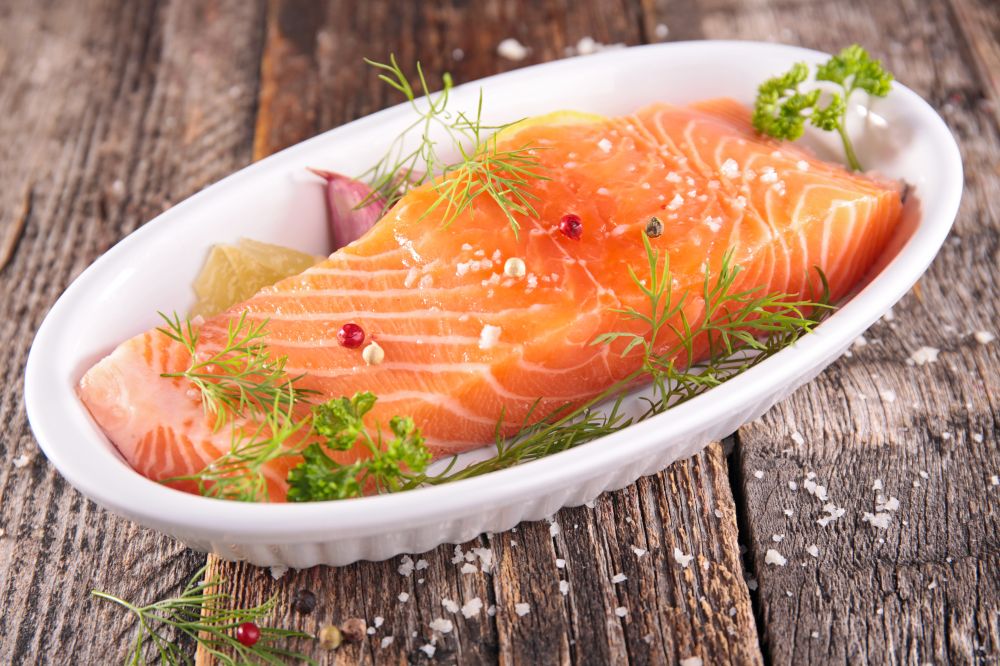
Wild-caught salmon is an excellent source of complete protein and omega-3 fatty acids, including eicosapentaenoic (EPA) and docosahexaenoic acid (DHA), which help regulate inflammation and support heart function and brain health.
Salmon also provides selenium, an essential trace mineral that contributes to thyroid balance and antioxidant activity.
A meta-analysis published in the Journal of the American Heart Association found that omega-3 fatty acids can support cardiovascular wellness, possibly due to their potential role in promoting balanced blood pressure control and supporting healthy blood vessel walls.
Although often discarded, the skin of salmon is a concentrated source of heart-healthy fats, offering additional nutritional value when included as part of the meal.
4. Cod liver
Fresh or canned cod livers, especially varieties that include the oil, are concentrated sources of vitamins A and D, as well as long-chain omega-3 fats that support metabolic and immune health.
Vitamin A plays a vital role in maintaining vision and liver function, while vitamin D supports calcium absorption and skeletal strength.
The naturally high fat-to-protein ratio of cod livers provides steady energy without affecting blood sugar or insulin levels, making it a highly nutritious option for fat-based diet approaches such as Healthy Keto.
Research published in the American Journal of Clinical Nutrition highlights that omega-3 fats derived from cod liver have been linked to improved cardiovascular function and may help balance inflammatory pathways.
5. Grass-fed beef
Grass-fed beef is a high-quality protein source that provides iron, zinc, and B vitamins in highly bioavailable forms. It also contains a balanced mix of saturated and unsaturated fats that support hormone production and energy metabolism.
Compared to grain-fed beef, grass-fed varieties tend to contain more health-promoting omega-3 fats, offering a better omega-6-to-omega-3 ratio.
A review in Nutrition Journal reports that grass-fed beef also contains higher concentrations of precursors for vitamin A and E, as well as potentially cancer-fighting antioxidants, than conventional beef products.
These nutrients support oxygen transport, muscle recovery, and overall metabolic function, all of which help maintain a healthy body weight and overall energy balance.

6. Lactobacillus reuteri yogurt
Lactobacillus reuteri (L.reuteri) yogurt is a probiotic-rich food that promotes microbial diversity and gut comfort.
This unique bacterial strain has been found to produce reuterin, a natural antimicrobial compound that may inhibit harmful microbes while supporting the growth of beneficial bacteria in the digestive system.
Evidence published in Frontiers in Microbiology found that L. reuteri has shown promising benefits for protecting the intestinal barrier and enhancing cellular antioxidant defenses.
Regular intake of L.reuteri yogurt has also been associated with strong immune and gut function, may enhance sleep quality, and promote balanced mood regulation.
7. Extra-virgin olive oil
Cold-pressed extra-virgin olive oil offers beneficial monounsaturated fats and various polyphenols that support the body’s ability to combat oxidative damage and promote cardiovascular and cognitive health.
Olive oil’s anti-inflammatory compounds may also promote arterial flexibility and have been linked with improved cholesterol balance.
Research published in Nutrients confirms these benefits, highlighting that olive oil polyphenols may help improve blood vessel function and reduce oxidative stress, both of which support heart health and may lower cardiovascular disease risk.

Tips for choosing healthy foods
Choosing high-quality and nutritious foods begins with understanding where they come from and how they’re produced.
Food quality has a direct impact on nutrient density, making it crucial to prioritize sourcing and processing methods that preserve natural nutrition while minimizing the presence of harmful ingredients or chemicals.
It’s recommended to opt for organic ingredients whenever possible to minimize exposure to pesticides, herbicides, and synthetic fertilizers.
For animal-based foods, select wild-caught seafood, grass-fed beef, and pasture-raised poultry or eggs to ensure higher levels of omega-3 fatty acids, conjugated linoleic acid (CLA), and fat-soluble vitamins such as A, D, and E.
In addition, reading food labels carefully is essential. Even products marketed as “healthy” or “keto-friendly” may contain hidden sugars, modified starches, refined seed oils, or artificial additives that undermine nutrient quality.
Choosing non-genetically modified (non-GMO) produce and shopping at local farmers’ markets are additional ways to find fresh, minimally processed foods with better flavor and nutritional value than mass-produced processed foods.
These practices support both your health and sustainable food production. When paired with the Healthy Keto approach, selecting high-quality ingredients ensures that your meals deliver the necessary nutrient density to maintain metabolic balance and long-term wellness.
Key takeaways
- The healthiest foods are minimally processed and nutrient-rich, delivering bioavailable vitamins, minerals, antioxidants, healthy fats, and fiber.
- Sauerkraut and L. reuteri yogurt support gut health and microbial balance.
- Arugula, wild-caught salmon, cod liver, and grass-fed beef support heart, metabolic, and immune functions.
- Extra-virgin olive oil offers anti-inflammatory fats and polyphenols, supporting cardiovascular and cognitive health.
- Prioritizing high-quality, organic, and non-GMO foods helps maximize the health benefits of a nutrient-dense diet and is linked to better long-term wellness.
FAQ
- 1. What are the healthiest foods?
- 2. Do organic foods make a big difference?
- 3. Is it better to focus on calorie count or nutrient density?
- 4. What are the top foods to avoid to live healthier?
Sources
- Lane MM, Gamage E, Du S, et al. Ultra-processed food exposure and adverse health outcomes: umbrella review of epidemiological meta-analyses. BMJ. 2024;384:e077310. https://pubmed.ncbi.nlm.nih.gov/38418082/
- Leeuwendaal NK, Stanton C, O’Toole PW, Beresford TP. Fermented Foods, Health and the Gut Microbiome. Nutrients. 2022;14(7):1527. https://pmc.ncbi.nlm.nih.gov/articles/PMC9003261/
- Hu Y, Hu FB, Manson JE. Marine Omega-3 Supplementation and Cardiovascular Disease: An Updated Meta-Analysis of 13 Randomized Controlled Trials Involving 127 477 Participants. J Am Heart Assoc. 2019;8(19):e013543. https://pmc.ncbi.nlm.nih.gov/articles/PMC6806028/
- Gebauer SK, Psota TL, Harris WS, Kris-Etherton PM. n−3 Fatty acid dietary recommendations and food sources to achieve essentiality and cardiovascular benefits. The American Journal of Clinical Nutrition. 2006;83(6):1526S-1535S. https://www.sciencedirect.com/science/article/pii/S0002916523294939
- Daley CA, Abbott A, Doyle PS, Nader GA, Larson S. A review of fatty acid profiles and antioxidant content in grass-fed and grain-fed beef. Nutr J. 2010;9(1):10. https://link.springer.com/article/10.1186/1475-2891-9-10?error=cookies_not_supported&code=b9d35198-24d9-4acf-8d65-a3db2939b93b
- Yu Z, Chen J, Liu Y, et al. The role of potential probiotic strains Lactobacillus reuteri in various intestinal diseases: New roles for an old player. Front Microbiol. 2023;14:1095555. https://pubmed.ncbi.nlm.nih.gov/36819028/
Related Articles
-
Wild-Caught vs. Farm-Raised Fish: What’s the Difference?
 Nutrition
Wild-Caught vs. Farm-Raised Fish: What’s the Difference?
At a glance Wild-caught and farm-raised fish differ in nutrient quality, sourcing methods, and overall eating experience. Wild-caught fish come from natural environments and support a more balanced fatty acid…07/09/2026 -
9 Keto Staples for Your Pantry and Fridge
 Nutrition
9 Keto Staples for Your Pantry and Fridge
At a glance Keeping the right foods on hand makes it easier to stay consistent on a ketogenic diet without relying on highly processed products. A well-stocked keto pantry focuses…06/19/2026 -
Does Fish Oil Benefit Cholesterol?
 Nutrition
Does Fish Oil Benefit Cholesterol?
At a glance Fish oil is a rich source of the omega-3 fatty acids EPA and DHA, which support heart health and metabolic wellness. While fish oil may help promote…02/12/2026 27.4k views -
What Are the Best Sources of Omega-3 Fatty Acids?
 Nutrition
What Are the Best Sources of Omega-3 Fatty Acids?
At a glance There are several essential omega-3 fatty acids, but not all food sources provide them in the same balance or bioactive form. The best sources of omega-3 fatty…11/06/2025 25k views -
Health Benefits of Sardines on Keto
 Diet
DietHealth Benefits of Sardines on Keto
At a glance Sardines are a carb-free, nutrient-dense food source packed with heart-healthy omega-3 fats, vitamins B12 and D, and minerals such as calcium and zinc. This oily fish variety…04/09/2025 14.6k views -
Cod vs. Salmon: Which Is Healthier?
 Nutrition
Cod vs. Salmon: Which Is Healthier?
At a glance Cod and salmon are both versatile and flavorful fish, but their nutrient density differs significantly. Cod is lean and low in calories, while salmon offers abundant omega-3…04/09/2025 7k views -
CoQ10 vs. Fish Oil: Health Benefits and Uses Compared
 Nutrition
CoQ10 vs. Fish Oil: Health Benefits and Uses Compared
At a glance CoQ10 and fish oil are two popular supplements with distinct potential health benefits. While CoQ10 supports cellular energy production and antioxidant defense, fish oil provides omega-3 fatty…04/08/2025 10k views -
How Much Krill Oil Should You Take Per Day?
 Health concerns
How Much Krill Oil Should You Take Per Day?
At a glance Are you wondering how much krill oil you should take per day? Krill oil is a rich source of omega-3 fatty acids and astaxanthin, which have been…04/08/2025 12.7k views -
6 Foods That Help You Sleep
 Healthy lifestyle
6 Foods That Help You Sleep
At a glance Restful sleep is essential for overall health, and certain foods can enhance your ability to fall asleep and stay asleep as they provide melatonin, minerals, and other…04/08/2025 2k views -
What Is a Pescatarian Diet and Can It Be Keto?
 Keto
KetoWhat Is a Pescatarian Diet and Can It Be Keto?
At a glance A pescatarian diet is the most diverse adaptation of the vegetarian diet. By adopting keto principles and carefully planning meals for optimal nutrient density, a pescatarian keto…04/08/2025 943 views