

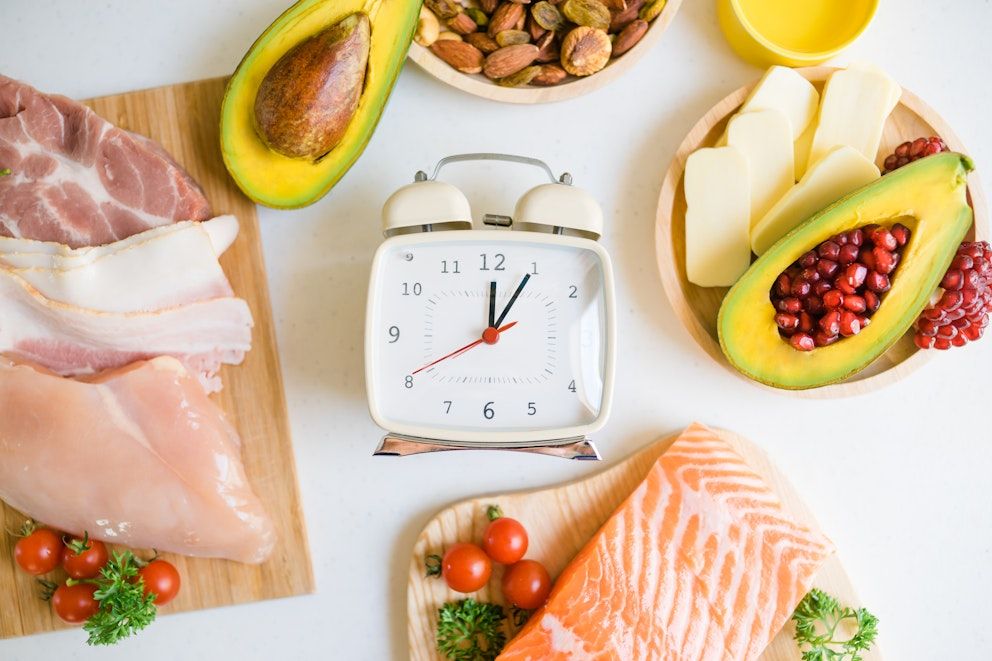
At a glance
One Meal a Day (OMAD) every other day combines a 23-hour fasting period with an alternate-day fasting schedule, allowing just one meal every two days. This prolonged fasting method can promote significant weight loss, improve insulin sensitivity, support liver and heart health, and reduce hunger and cravings.
One Meal a Day (OMAD) every other day combines a 23:1 intermittent fasting routine with alternate-day fasting.
Although it’s quite restrictive, this mealtime schedule can dramatically boost weight loss, support metabolic health, and promote healthy liver and heart function.
Discover if OMAD every other day is right for you, and learn how to get started with this prolonged fasting routine.
What is OMAD every other day?
Doing OMAD every other day combines the one meal-a-day intermittent fasting method with alternate-day fasting.
OMAD, widely known as the 23:1 method, consists of a 23-hour fasting period followed by a one-hour eating window.
Alternate-day fasting restricts calories on fasting days and resumes normal eating on non-fasting days.
However, OMAD every other day modifies alternate-day fasting, which results in one meal being eaten every two days. This method has significant weight loss benefits, especially for those with a slow metabolism and individuals with excessive body weight.
Watch the video below to learn more about the benefits of consuming only one meal every other day.
7 benefits of eating only one meal a day every other day
OMAD every other day is associated with various potential health benefits, including weight loss, improved heart health, and liver function.
Here are seven amazing benefits of only eating one meal every other day.
1. Improves insulin sensitivity
Insulin is released in response to consuming carbohydrates and sugars. This crucial metabolic hormone regulates blood sugar control and stimulates fat storage.
A diet high in carbohydrates can contribute to insulin resistance, which is a metabolic imbalance characterized by poor blood sugar control and weight gain. Both characteristics are primary risk factors for diabetes.
Research published in Cell Metabolism found that fasting improves insulin sensitivity in those with prediabetes, even without the participants losing weight.1
Prolonged periods of caloric restriction promote insulin sensitivity, which is linked to a lower risk of diabetes and metabolic syndrome.
2. Boosts weight loss
OMAD boosts fat burning and increases fat oxidation, the process of breaking down stored body fat for energy, which supports weight loss.
“Consuming only one meal every other day is beneficial for people who hit a weight loss plateau and those who have a lot of weight to lose and want to speed up the process,” explains Dr. Berg.
A study published in Obesity found that alternate-day fasting resulted in greater weight loss compared to the 5:2 diet, a popular fasting method where individuals consume regular meals for five days a week and fast for two days.2
3. Helps reduce liver fat
Though more research is needed, studies suggest that fasting may improve liver function by reducing liver fat, which is associated with various conditions, including non-alcoholic fatty liver disease (NAFLD).
Research published in Hepatology Communications found that alternate-day fasting lowered liver fat and promoted significant weight loss in adults.3
Prolonged periods of fasting force the liver to utilize stored body fat as an energy source, which explains why fasting is an excellent strategy to reduce liver fat and promote healthy liver cell function.

4. Supports heart health
Combining OMAD with alternate-day fasting may have cardiovascular benefits and can help lower the risk of heart disease.
One study published in The American Journal of Medicine concluded, “Intermittent fasting appears to positively impact multiple cardiovascular risk factors including obesity, hypertension, dyslipidemia, and diabetes.”4
In addition, researchers suggest that fasting has anti-inflammatory effects, which play a crucial role in maintaining a healthy circulatory system.
5. Reduces hunger
OMAD, especially when paired with a low-carb diet, can improve hunger by triggering ketosis. This metabolic state pushes the body to maintain burning fat as a fuel source even when you break your fast.
During ketosis, the body utilizes fat rather than sugar to generate energy. In contrast to fluctuating blood sugar, fat offers a steady and more reliable energy supply. This reduces cravings and hunger and helps avoid sugar and carbohydrate cravings.
A study published in Nutrients found that a low carbohydrate diet led to significant reductions in cravings and hunger, which resulted in greater dietary restraint and optimized weight maintenance in participants.5
6. Promotes cognitive function
Although more research is needed on humans, animal studies suggest that fasting can positively impact brain health by stimulating the growth of new brain cells, enhancing memory, and supporting cognitive function.
Fasting has also been shown to reduce inflammation and provide other neuroprotective effects, which may help prevent Alzheimer’s and Parkinson’s disease.
An animal study published in Nutrition Reviews found that intermittent fasting helps prevent vascular dysfunction and reduces the accumulation of beta-amyloid, both of which are leading risk factors in the development of Alzheimer’s disease.6
7. Strengthens immune functions
OMAD and alternate-day fasting have been shown to induce autophagy, which refers to the body’s mechanism of destroying damaged cells and recycling functional parts for cellular repair.
Autophagy may help prevent diseases linked to impaired cellular function, including cancer. A study published in Cell Metabolism found that fasting reduced the prevalence of cancer in animals.7
Autophagy also promotes xenophagy, a biochemical process that destroys pathogenic microbes, including bacteria, viruses, and fungi, which helps prevent infectious diseases.

How to start OMAD every other day
Although consuming only one meal every other day is considered one the most difficult intermittent fasting methods to sustain in the long term, many individuals have achieved their health and wellness goals with this form of fasting.
It’s generally advised to gradually introduce prolonged periods of fasting to avoid and minimize common side effects, including energy crashes, extreme hunger, and irritability.
Those new to fasting may benefit from starting with two meals daily, slowly prolonging their fasting periods to 23 hours as their body adjusts to using fat as a primary fuel source.
Following a 16:8 intermittent fasting schedule can help make the transition to OMAD easier. Once adapted, dieters can transition to eating one meal within a one-hour window a few days a week before switching to just one meal seven days a week.
Once you feel comfortable with consuming only one meal a day, reduce eating to once every other day.
What to eat on OMAD every other day
The health benefits of eating only once every other day can be enhanced with a nutritious, low-carb diet such as Healthy Keto®.
Restricting carbs while obtaining the majority of calories from healthy fats helps maintain ketosis during eating periods, greatly amplifying the positive effects of fasting for weight management, metabolic balance, and heart health.
In contrast, combining fasting with a high-carb diet will stop ketosis every time a meal is consumed, which can hinder weight loss and may lead to nutritional deficiencies.
Healthy Keto focuses on nutrient-rich non-GMO produce, grass-fed meats, wild-caught game meat, fish, seafood, and organic dairy, making it an excellent addition to an OMAD meal schedule.
Here are some nutritious foods to include in an OMAD diet:
- Oily fish
- Pasture-raised eggs
- Organic beef, chicken, and pork
- Grass-fed cheese
- High-fat dairy products
- Avocados
- Olive and coconut oil
- Nuts and seeds
- Leafy greens
- Cruciferous vegetables such as broccoli, cauliflower, and Brussels sprouts
While there are plenty of keto-approved options to choose from, considering the nutritional quality of the food consumed when eating only one meal a day every other day is crucial.
Conventional produce and meats often contain potentially harmful additives, preservatives, hormones, or antibiotics. Instead, opting for organic, whole foods can enhance the nutritional value and overall effectiveness of the alternate-day OMAD approach.

Possible risks
Though there are many potential benefits associated with OMAD on alternating days, significant calorie restriction may increase the risk of adverse health effects in some people.
Reducing food intake to once every two days can lead to nutrient deficiencies, especially when meals contain high-carb, sugary, or processed foods.
Pregnant women shouldn’t practice fasting as pregnancy and breastfeeding require higher daily calorie intake to support fetal growth and milk production.
In addition, combining alternate-day fasting with OMAD can lead to disordered eating in those with a history of binge eating, anorexia, or bulimia.
There is some evidence that fasting has blood pressure-lowering effects, which may increase the risk of dangerously low blood pressure in those who are taking anti-hypertensive drugs.
To minimize the risk of unwanted side effects, it’s crucial to consult a healthcare professional before starting OMAD or any other fasting routine.
Key takeaways
- OMAD every other day is a fasting approach that enhances fat burning and promotes significant weight loss.
- Fasting for extended periods can improve metabolic balance by supporting insulin sensitivity and stable blood sugar levels.
- Alternate-day OMAD can help reduce liver fat and protect cardiovascular health.
- Combining OMAD with nutrient-dense high-fat meals maximizes fasting benefits and helps prevent nutrient deficiencies.
- OMAD isn’t recommended for pregnant or breastfeeding women or those with a history of eating disorders.
FAQ
- 1. How many times a week should I do OMAD?
- 2. Can I eat one meal every other day?
- 3. Can you do OMAD and alternate-day fasting together?
- 4. What is OMAD every other day?
- 5. Who shouldn’t do OMAD?
Sources
- Sutton EF, Beyl R, Early KS, et al Early Time-Restricted Feeding Improves Insulin Sensitivity, Blood Pressure, and Oxidative Stress Even without Weight Loss in Men with Prediabetes. Cell metabolism. 2019;27(6):1212-1221.e3. doi:10.1016/j.cmet.2018.04.010 https://pubmed.ncbi.nlm.nih.gov/29754952/ ↩︎
- Elortegui Pascual P, Rolands MR, Eldridge AL, et al A meta-analysis comparing the effectiveness of alternate day fasting, the 5:2 diet, and time-restricted eating for weight loss. Obesity (Silver Spring, Md.). 2023;31 Suppl 1(Suppl 1):9-21. doi:10.1002/oby.23568 https://www.ncbi.nlm.nih.gov/pmc/articles/PMC10098946/ ↩︎
- Lange M, Nadkarni D, Martin L, et al Intermittent fasting improves hepatic end points in nonalcoholic fatty liver disease: A systematic review and meta-analysis. Hepatology communications. 2023;7(8). doi:10.1097/HC9.0000000000000212 https://pubmed.ncbi.nlm.nih.gov/37534936/ ↩︎
- Dong TA, Sandesara PB, Dhindsa DS, et al Intermittent Fasting: A Heart Healthy Dietary Pattern?. The American journal of medicine. 2020;133(8):901-907. doi:10.1016/j.amjmed.2020.03.030 https://www.ncbi.nlm.nih.gov/pmc/articles/PMC7415631/ ↩︎
- Anguah KO, Syed-Abdul MM, Hu Q, et al Changes in Food Cravings and Eating Behavior after a Dietary Carbohydrate Restriction Intervention Trial. Nutrients. 2020;12(1). doi:10.3390/nu12010052 https://www.ncbi.nlm.nih.gov/pmc/articles/PMC7019570/ ↩︎
- Elias A, Padinjakara N, Lautenschlager NT Effects of intermittent fasting on cognitive health and Alzheimer’s disease. Nutrition reviews. 2023;81(9):1225-1233. doi:10.1093/nutrit/nuad021 https://pubmed.ncbi.nlm.nih.gov/37043764/ ↩︎
- Brandhorst S, Choi IY, Wei M, et al A Periodic Diet that Mimics Fasting Promotes Multi-System Regeneration, Enhanced Cognitive Performance, and Healthspan. Cell metabolism. 2016;22(1):86-99. doi:10.1016/j.cmet.2015.05.012 https://pubmed.ncbi.nlm.nih.gov/26094889/ ↩︎
Related Articles
-
What to Eat After a 72-Hour Fast and What to Avoid
 Diet
DietWhat to Eat After a 72-Hour Fast and What to Avoid
At a glance A 72-hour fast shifts the body toward greater reliance on stored fat and changes how nutrients are handled when eating is resumed. Reintroducing food afterward can affect…09/18/2026 -
Fasting and Cancer: What to Know
 Fasting
Fasting and Cancer: What to Know
At a glance Fasting has been increasingly studied for its potential role in cancer prevention and support during treatment. By influencing cellular metabolism, promoting autophagy, and modulating immune function, fasting…07/16/2026 -
36-Hour Fasting: Benefits, Safety, and How It Works
 Diet
Diet36-Hour Fasting: Benefits, Safety, and How It Works
At a glance A 36-hour fast is a prolonged fasting strategy that shifts the body into ketosis, promoting fat burning, improved insulin sensitivity, and cellular repair through autophagy. These metabolic…06/25/2026 -
Does Fasting Help with Inflammation?
 Diet
DietDoes Fasting Help with Inflammation?
At a glance Fasting is a powerful tool for reducing inflammation and supporting overall health. By promoting fat burning and activating cellular repair processes, fasting can help lower pro-inflammatory markers.…06/05/2026 -
Fasting and Working Out: What You Should Know
 Fasting
Fasting and Working Out: What You Should Know
At a glance Fasting and working out can be beneficial for metabolic health. While fasted exercise may accelerate fat oxidation and improve insulin sensitivity, maintaining proper hydration and a healthy…05/07/2026 -
How Many Calories Break a Fast?
 Fasting
How Many Calories Break a Fast?
At a glance Fasting keeps insulin levels low, allowing the body to burn stored fat and activate cellular repair processes. While any amount of calories technically breaks a fast, different…04/16/2026 -
Do Vitamins Break a Fast? What to Take and What to Avoid
 Fasting
Do Vitamins Break a Fast? What to Take and What to Avoid
At a glance While it’s crucial to support nutrient balance during fasting, certain dietary supplements are formulated with ingredients that can trigger insulin release and break the metabolic fasting state.…04/10/2026 -
Does Bone Broth Break a Fast?
 Diet
DietDoes Bone Broth Break a Fast?
At a glance While bone broth is often considered fasting-friendly, it does contain calories and amino acids that can interrupt the metabolic state of fasting. While it’s rich in collagen,…03/27/2026 -
3 Tips to Avoid Overeating After Fasting
 Diet
Diet3 Tips to Avoid Overeating After Fasting
At a glance Overeating after fasting is a common rebound effect influenced by changes in hunger and satiety signaling. However, breaking a prolonged fast with the wrong foods may cause…03/20/2026 -
Do Artificial Sweeteners Break a Fast?
 Diet
DietDo Artificial Sweeteners Break a Fast?
At a glance Artificial sweeteners may seem like a convenient sugar substitute, especially during intermittent fasting. However, these synthetic, non-caloric sweeteners can disrupt the body’s fasting metabolism and may reduce…03/19/2026