


At a glance
Sunflower lecithin is a natural phospholipid derived from sunflower seeds, valued for its purity and versatility. Free from common allergens and typically processed without harsh chemicals, it’s a cleaner alternative to soy-based lecithin and a popular ingredient in both food and wellness products.
Lecithin is a fatty substance naturally found in many plant and animal products. It’s often used to emulsify and stabilize processed foods, pharmaceuticals, and beauty products.
Sunflower lecithin is gaining popularity as an alternative to egg and soy lecithin as it’s free from common allergens, contains no genetically modified organisms, and may provide a range of health benefits.
Discover how you can incorporate sunflower lecithin into your wellness routine.
What is sunflower lecithin?
Lecithin is a type of phospholipid found in many animal and plant tissues, including beef, egg yolk, organ meats, and sunflower seeds.
Because of its chemical structure, lecithin is a natural emulsifier that helps bind substances that normally don’t mix easily, such as oil and water.
Sunflower lecithin is derived from sunflower seed oil using a cold press extraction process that separates phospholipids, including lecithin, from the seed oil. The extracted lecithin is then dried and milled into a fine powder.
Sunflower lecithin powder is a natural form of lecithin commonly used by the food industry to maintain the texture and consistency of processed food products and to extend the shelf life of cosmetics and pharmaceuticals.
It’s considered a healthy alternative to soy lecithin, typically derived from genetically modified (GMO) crops.
Research published in Environmental Science Europe suggests that genetically modified soy may have potential adverse health implications, including digestive issues, chronic inflammation, and fertility issues.1
This highlights the potential advantages of choosing sunflower lecithin as a better option to support health while reducing exposure to possible harmful compounds associated with GMO soy products.
Watch the video below to discover how sunflower lecithin may benefit your well-being.
Is sunflower lecithin keto?
Sunflower lecithin is low-carb and suitable for keto. One tablespoon contains less than one gram of carbohydrates, making sunflower lecithin a keto-approved ingredient.
It’s important to note that lecithin is a stabilizer found in many processed food products, which are often high in sugar, carbohydrates, and other synthetic sweeteners.
While lecithin is keto-friendly, a product containing lecithin may not be safe on keto, and it’s crucial to carefully read labels and avoid products high in carbs that could kick you out of ketosis.
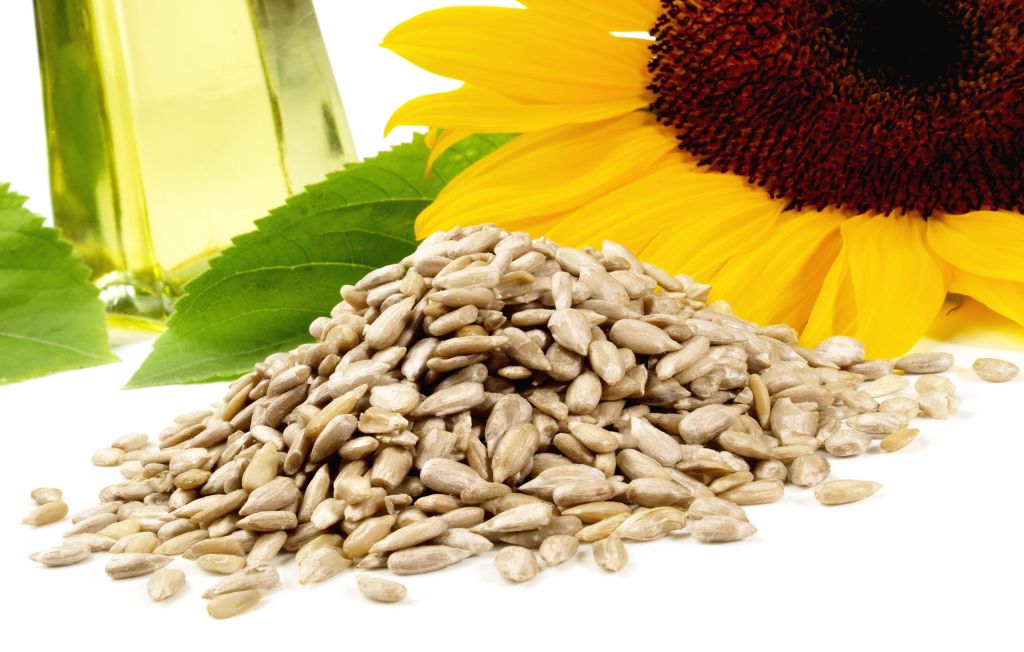
Health benefits of sunflower lecithin
Lecithin is a structural component of cell membranes and is involved in regulating many physiological functions, including bile flow, the metabolism and transport of fats, and the production of neurotransmitters.
Here are six potential health benefits of sunflower lecithin.
1. Supports brain function
Sunflower lecithin benefits brain health and cognitive function. It’s a rich source of choline, an essential nutrient required to produce the neurotransmitter acetylcholine, which regulates memory, mood, and nerve impulses.
This has been confirmed by research published in Scientific Reports, highlighting “Lecithin is a mixture of neutral lipids and phospholipids, which are significant constituents of the central nervous system (CNS).”2
Lack of adequate phospholipid intake may negatively impact the central nervous system, explaining why lecithin has been associated with neuroprotective effects that support cognitive function.
2. Enhances digestive health
Consuming lecithin-rich foods may support your digestive health and help improve fat digestion.
Lecithin supports the production and release of bile, a digestive fluid that aids the absorption of fats and fat-soluble vitamins and helps promote a diverse intestinal microflora.
Evidence published in Digestive Diseases suggests that lecithin may help support the integrity of the intestinal lining by forming a barrier, which may contribute to overall gut health and immune system balance.3
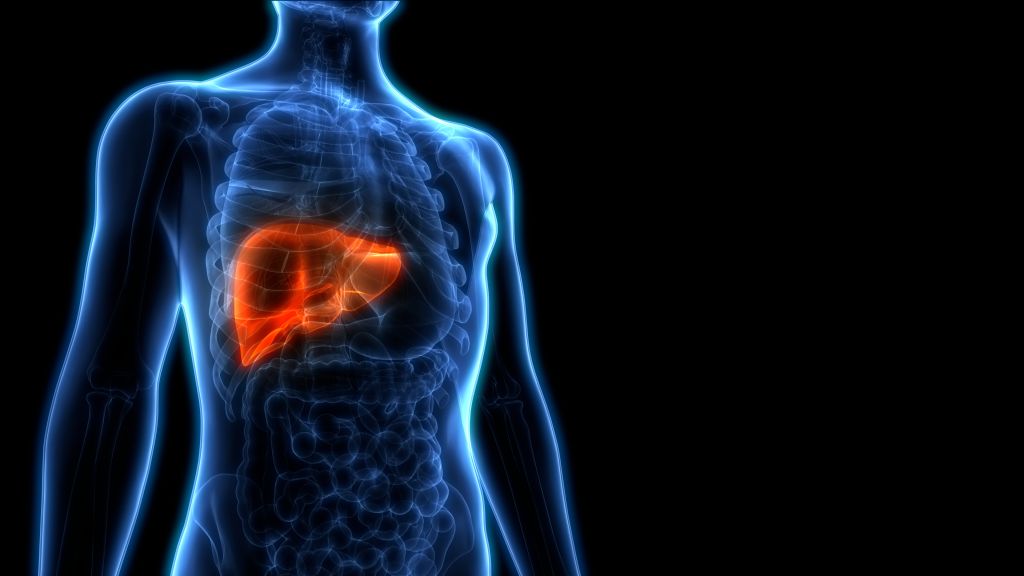
3. Supports liver health
Lecithin’s role in fat metabolism and lipid transport may benefit liver health.
“Lecithin and choline play a key role in transporting lipids and fatty acids from the liver to other cells and tissues, where they can be used or stored,” explains Dr. Berg. “This process supports normal liver function and helps maintain a healthy balance of fats in the body.”
In addition, lecithin may also play a role in the production of proteins that support the body’s ability to regulate inflammation within liver cells, a crucial aspect of maintaining healthy liver function.
4. May promote heart health
Sunflower lecithin may benefit heart health by supporting cholesterol balance.
Lecithin contains phosphatidylcholine, a type of phospholipid that promotes the activity of several enzymes regulating cholesterol production.
This may help lower potentially harmful low-density lipoprotein (LDL) cholesterol while promoting beneficial and heart-protective high-density lipoprotein (HDL) cholesterol.
5. Supports restful sleep
Sunflower lecithin supports the production of acetylcholine, which plays an essential role in sleep cycle regulation and appears to be most active during deep sleep phases.
In addition, lecithin may promote balanced melatonin, a pituitary hormone that induces sleepiness and supports healthy sleeping patterns.
By promoting neurotransmitter balance, sunflower lecithin can work alongside foods that help you sleep, enhancing overall rest quality.
6. Promotes skin health
Lecithin is a natural emulsifying agent found in many skin care products, and for good reason.
Sunflower lecithin has a moisturizing effect on the skin and is thought to have antioxidant properties that help protect the skin from sun damage.
Research published in Results in Surfaces and Interfaces reports that lecithin enhances the solubility and stability of active ingredients and aids in skin hydration and skin barrier integrity.4
Key takeaways
- Sunflower lecithin provides essential fats and nutrients that support cellular structure and promote healthy brain and liver function.
- It may contribute to cardiovascular wellness, balanced fat metabolism, bile flow, and cholesterol regulation while supporting skin hydration and barrier integrity.
- As a non-GMO, low allergen alternative, sunflower lecithin is ideal for those avoiding soy or synthetic additives.
- While naturally occurring lecithin through whole foods may be more beneficial, sunflower lecithin powders, capsules, and granules offer a convenient way to support overall wellness.
FAQ
- 1. What is sunflower lecithin?
- 2. Can I have sunflower lecithin on keto?
- 3. Is sunflower lecithin healthy?
- 4. How much lecithin can I have each day?
- 5. Does sunflower lecithin have side effects?
- 6. Does sunflower lecithin affect hormones?
- 7. Can sunflower lecithin reduce breast milk supply?
- 8. How do I take sunflower lecithin?
Sources
- https://enveurope.springeropen.com/articles/10.1186/s12302-021-00578-9 ↩︎
- https://pmc.ncbi.nlm.nih.gov/articles/PMC4882550/ ↩︎
- https://karger.com/ddi/article-abstract/31/3-4/388/95972/ ↩︎
- https://www.sciencedirect.com/science/article/pii/S2666845925001308 ↩︎
Related Articles
-
10 Delicious Keto Cauliflower Recipes
 Food and Drink
10 Delicious Keto Cauliflower Recipes
At a glance Cauliflower is a versatile cruciferous vegetable commonly used in keto cooking because it can serve as a delicious substitute for higher-carb ingredients in many popular dishes. From…09/18/2026 -
Simple Ways to Eat More Nutrient-Dense Foods
 Superfoods
Simple Ways to Eat More Nutrient-Dense Foods
At a glance Choosing nutrient-dense foods can help improve the quality of your meals while reducing reliance on ultra-processed products. Whole foods such as seafood, leafy greens, berries, and grass-fed…08/20/2026 -
Grass-Fed vs. Grain-Fed: What’s the Difference?
 Food and Drink
Grass-Fed vs. Grain-Fed: What’s the Difference?
At a glance Grass-fed and grain-fed beef differ in how cattle are raised and fed throughout their lives. These feeding practices can influence the nutritional characteristics, flavor, texture, and overall…07/30/2026 -
Wild-Caught vs. Farm-Raised Fish: What’s the Difference?
 Nutrition
Wild-Caught vs. Farm-Raised Fish: What’s the Difference?
At a glance Wild-caught and farm-raised fish differ in nutrient quality, sourcing methods, and overall eating experience. Wild-caught fish come from natural environments and support a more balanced fatty acid…07/09/2026 -
Eating Out on Keto: Simple Ordering Strategies
 Food and Drink
Eating Out on Keto: Simple Ordering Strategies
At a glance Restaurant meals are often centered around carbohydrate-rich foods, which can make low-carb dining more difficult. Hidden carbohydrates are also common in sauces, dressings, and other prepared ingredients.…06/25/2026 -
9 Keto Staples for Your Pantry and Fridge
 Nutrition
9 Keto Staples for Your Pantry and Fridge
At a glance Keeping the right foods on hand makes it easier to stay consistent on a ketogenic diet without relying on highly processed products. A well-stocked keto pantry focuses…06/19/2026 -
How to Spot Hidden Carbs
 Keto
KetoHow to Spot Hidden Carbs
At a glance Hidden carbs are found in many everyday foods that may not appear high in carbohydrates, including sauces, processed meats, dairy products, and salad dressings. These overlooked sources…06/05/2026 -
Keto-Friendly Sauces and Condiments
 Nutrition
Keto-Friendly Sauces and Condiments
At a glance Keto-friendly sauces and condiments can help support ketosis by keeping overall carbohydrate intake within the limit of 20 to 50 grams per day. Choosing options made with…06/01/2026 -
8 Unique Benefits of Turmeric Tea
 Nutrition
8 Unique Benefits of Turmeric Tea
At a glance Turmeric tea contains curcumin, a bioactive compound that offers anti-inflammatory and antioxidant effects that may support brain and heart health, improve digestion, help regulate weight, and strengthen…05/15/2026 4.4k views -
Keto on a Budget: Tips and Foods to Eat
 Diet
DietKeto on a Budget: Tips and Foods to Eat
At a glance A ketogenic diet can be maintained using simple, affordable whole foods rather than expensive specialty products. Prioritizing versatile ingredients and planning meals strategically can help reduce grocery…04/24/2026


