

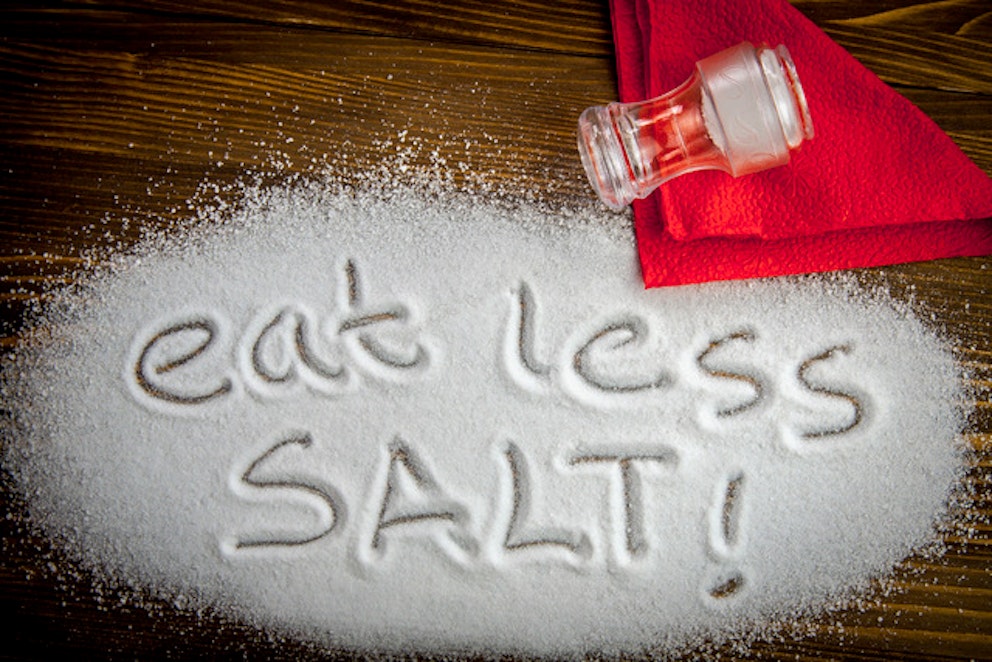
At a glance
Sodium plays a key role in fluid balance, nerve signaling, and muscle function, and its role in health is often misunderstood. Common sodium myths make intake confusing, including the belief that less salt is always better or that foods without a salty taste are low in sodium. Understanding how sodium functions helps clarify common misconceptions and guides a balanced mineral intake.
The sodium myth that everyone should limit or avoid salt has caused widespread confusion, often framing sodium as an ingredient to avoid rather than a nutrient the body requires for normal physiological function.
Sodium plays a key role in maintaining fluid balance, supporting nerve signaling, and enabling proper muscle contraction.
Understanding the difference between supporting balanced sodium levels and chronic overconsumption is crucial for making informed dietary choices.
——
Image: different-types-salt-sea-himalayan-kitchen-114512485 | Shutterstock
Alt tag: Different types of salt
——
What is sodium?
Sodium is an essential mineral and vital electrolyte that helps regulate fluid balance and various cellular processes throughout the body.
It also supports nerve signaling and helps ensure muscles work properly, allowing for smooth movement and coordinated muscle contractions.
Because of its role in fluid regulation, sodium also helps maintain normal blood volume and assists in moving nutrients into cells while carrying waste products out.
Additionally, sodium works in close balance with potassium, and together they help maintain proper fluid movement across cell membranes.
Most dietary sodium is consumed as sodium chloride, the primary component of regular table salt and sea salt varieties, which is typically used in everyday food preparation.
According to the Centers for Disease Control and Prevention (CDC), adults should limit sodium intake to no more than 2300 mg per day.
However, most Americans consume more than 3300 mg, primarily from packaged and canned foods.
Excess salt intake increases sodium levels and stimulates the body to retain more fluid, which can increase blood pressure in certain individuals.
Therefore, balancing sodium consumption is especially important for those at risk of hypertension or other cardiovascular issues.
Watch the video below to learn about sodium myths and why the body needs it.
Why the body needs sodium
Sodium helps the body respond quickly to everyday demands, such as physical activity, and temperature shifts.
This essential mineral enables cells to transmit electrical signals, helping maintain alertness, coordination, and normal neuromuscular function.
Sodium also plays a critical role in maintaining fluid balance and internal chemical stability, allowing bodily systems to operate smoothly. In addition, it supports digestion by contributing to stomach acid production and nutrient absorption in the intestines.
Together, these functions help the body remain responsive, balanced, and capable of meeting daily physiological demands.
——
Image: pile-salt-shaker-skull-concept-excessive | Shutterstock
Alt tag: Skull drawn with salt
——
Common sodium myths
Sodium is often misunderstood, as many people overlook its role in helping the body adapt to physical demands and maintain stable internal conditions.
Here are five common misconceptions about sodium.
1. Less sodium is always better
While low-sodium diets may be appropriate for some individuals, inadequate sodium intake can disrupt normal physiological processes.
Research published in The American Journal of Medicine suggests, “Low sodium diets may adversely affect insulin resistance, serum lipids, and neurohormonal pathways, leading to increases in the incidence of new cardiometabolic disease, the severity of existing cardiometabolic disease, and greater cardiovascular and all-cause mortality.”
This highlights that excessively restricting sodium may create unintended cardiometabolic and hormonal imbalances rather than universally supporting long-term health.
2. Sea salt is a healthier alternative
Sea salt is often marketed as a more natural option, but most varieties contain sodium levels comparable to regular table salt.
As a result, sea salt can still influence fluid balance and promote sodium retention in the body in a similar manner to conventional table salt.
However, certain salt varieties offer added value due to their natural mineral composition.
“There’s a distinction between refined table salt and high-quality, unprocessed sea salts, such as pink Himalayan sea salt and Baja gold sea salt. These unprocessed varieties naturally contain trace minerals and electrolytes that support nerve function, cellular hydration, and energy metabolism,” explains Dr. Berg.
In contrast, highly refined table salt often lacks these minerals and is often contaminated with microplastics.
——
Image: doctor-pours-table-salt-on-hand-2434277663 | Shutterstock
Alt tag: Doctor pours salt on hand
——
3. Sodium alone causes health issues
This myth frames sodium as the primary cause of health problems, even though it’s typically consumed alongside other dietary factors that influence outcomes.
Sodium is often paired with refined carbohydrates, added sugars, and unhealthy fats in packaged and restaurant foods, making it challenging to isolate the effects of sodium from the overall eating pattern.
In contrast, sodium consumed as part of a nutritious meal prioritizing whole foods, adequate protein, and essential minerals may interact with the body differently.
Focusing solely on sodium can therefore overlook how food quality, meal composition, and lifestyle habits collectively shape health over time.
4. If a food doesn’t taste salty, it’s low in sodium
Many people rely on taste as a guide for sodium intake, assuming foods that don’t taste salty must be low in sodium.
However, sodium is often used in processed foods for preservation, texture, and shelf stability rather than flavor, which means it can be present in large amounts without being obvious on the palate.
Everyday items such as breads, condiments, sauces, and packaged meals are often hidden sources of sodium, making total intake easy to underestimate even when foods don’t taste overly salty.
5. Active people don’t need to monitor sodium intake
Physical activity does increase sodium losses through sweat, but that doesn’t mean intake should go unchecked.
Sodium needs can vary based on exercise intensity, climate, hydration habits, and overall diet. Therefore, even physically active individuals can be at risk of excess salt intake and elevated sodium levels.
Balancing sodium intake with optimal hydration and replenishing key electrolytes such as potassium remains essential for maintaining normal fluid regulation and bodily function.
——
Image: woman-feeling-sick-refusing-more-salt-2593525669 | Shutterstock
Alt tag: Woman refusing salt
——
Signs of low and high sodium
Because sodium plays such a critical role in a wide range of physiological processes, both high and low sodium intake can lead to various signs and symptoms.
Common symptoms associated with low sodium levels (hyponatremia) include:
- Nausea
- Vomiting
- Headache
- Fatigue
- Confusion
- Weakness
- Muscle cramps or spasms
Common signs linked to high sodium levels (hypernatremia) include:
- Thirstiness
- Swelling in the extremities or face
- Weight gain
- High blood pressure
- Dry mouth and/or skin
——
Image: woman-adding-salt-tasty-dietary-soup-2121162380 | Shutterstock
Alt tag: Adding salt to dish
——
How to manage sodium in your diet
Managing sodium begins with being aware of its sources, as much is hidden in prepared and packaged foods rather than added to home-cooked meals.
Common processed goods that contribute significant sodium include canned soups, frozen meals, deli meats, sauces, dressings, and packaged breads.
Therefore, limiting these items and prioritizing cooking meals at home helps maintain better control with overall sodium intake.
When eating out, opting for less seasoned dishes and asking for sauces or toppings on the side can also help reduce hidden sodium.
Reading food labels is also essential, as it enables you to compare sodium content and select options with lower salt content.
Instead of eliminating sodium entirely, adjusting eating habits by seasoning your meals sparingly with a high-quality salt source can support normal bodily function.
Key takeaways
- Sodium is an essential electrolyte that supports fluid balance, nerve signaling, muscle function, and circulation.
- Most Americans consume more sodium than recommended, mainly due to packaged, canned, and restaurant foods rather than salt added to meals at the table.
- Common misconceptions about sodium oversimplify its role, overlooking differences in food quality, overall dietary patterns, and individual needs.
- Managing sodium begins with reading labels, limiting processed foods, and seasoning sparingly instead of eliminating salt altogether.
FAQ
1. Is salt bad for you?
Salt isn’t inherently bad, as the body requires sodium for proper physiological functions. However, eating too much salt causes imbalances and may lead to health problems, including an increased risk of developing high blood pressure and heart disease.
2. How much sodium do I need?
It’s recommended that adults limit their sodium intake to no more than 2300 mg per day, which translates to roughly one teaspoon of table salt.
3. What happens if my sodium is too low?
Low sodium levels, also known as hyponatremia, can disrupt the body’s fluid balance. Symptoms may include nausea, headaches, confusion, fatigue, muscle weakness, and, in severe cases, even seizures or coma. Hyponatremia is often caused by excessive water intake, certain medications, or underlying health conditions.
4. Are some types of salt healthier than others?
Unprocessed salt varieties such as Pink Himalayan Sea Salt and Baja Gold Sea Salt are considered better choices, as they contain trace minerals and are free from the anti-caking agents often found in regular table salt. However, all salts are predominantly sodium chloride and therefore should be consumed in moderation.
5. How can I balance my sodium intake?
To balance your sodium intake, focus on eating whole, unprocessed foods, such as vegetables and lean proteins, as they’re naturally low in sodium. When cooking, flavor your meals with herbs, spices, and citrus, rather than relying solely on salt.
It’s also vital to avoid processed foods, canned goods, and fast food meals, which are often high in sodium.
6. What is the sodium myth?
The sodium myth refers to the long-held belief that dietary sodium is inherently bad for everyone and should be drastically reduced. This oversimplified view has led to several misconceptions, including the notion that all salt is unhealthy or that avoiding it entirely is the best approach.
Sources
Related Articles
-
Is Your Sodium-Potassium Ratio Off? Why It Matters
 Nutrition
Is Your Sodium-Potassium Ratio Off? Why It Matters
At a glance Maintaining a healthy sodium-potassium ratio is crucial for supporting normal blood pressure, fluid balance, and muscle and nerve function. Most people consume far more sodium than potassium,…04/09/2025 17.6k views -
Himalayan Pink Salt vs. Sea Salt: Which Is Better?
 Nutrition
Himalayan Pink Salt vs. Sea Salt: Which Is Better?
At a glance Himalayan pink salt and sea salt both provide minerals that support health. However, Himalayan salt is sourced from ancient deposits, while sea salt is obtained from modern…04/09/2025 16.9k views -
Electrolyte Powder: Benefits, How to Use, and Signs of Imbalance
 Nutrition
Electrolyte Powder: Benefits, How to Use, and Signs of Imbalance
At a glance Electrolytes are essential minerals that regulate hydration, muscle and nerve function, and cellular energy. Diet, stress, and lifestyle factors can deplete these minerals, leading to fatigue and…04/08/2025 18.1k views -
Celtic Salt: Benefits You Can’t Ignore
 Health concerns
Celtic Salt: Benefits You Can’t Ignore
At a glance Celtic salt is a mineral-rich sea salt valued for its natural trace elements and lower processing compared to regular table salt. When used in moderation, it may…04/08/2025 17.6k views -
Does Salt Break a Fast? Benefits of Sodium While Fasting
 Diet
DietDoes Salt Break a Fast? Benefits of Sodium While Fasting
At a glance Does salt break a fast? No, salt doesn’t break a fast and is crucial for maintaining electrolyte and fluid balance, especially during fasting. Sodium helps minimize muscle…04/08/2025 13k views -
What Is Halotherapy? Uses, Benefits, and Risks
 Diet
DietWhat Is Halotherapy? Uses, Benefits, and Risks
At a glance Halotherapy is a traditional wellness practice that exposes the body to a mineral-rich salt environment to support relaxation, skin health, and respiratory function. Both dry and wet…04/08/2025 812 views


