

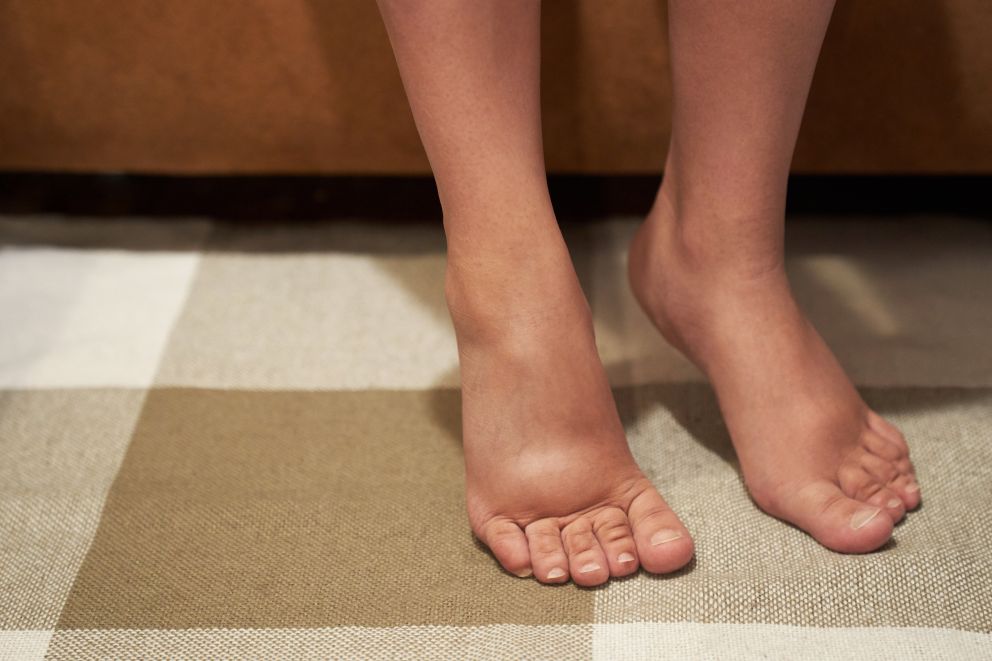
At a glance
Fluid retention, also known as edema, occurs when excess fluid accumulates in the body’s tissues, causing swelling and discomfort. Edema can be triggered by poor dietary habits, nutrient deficiencies, hormonal changes, medications, or underlying medical conditions. Lifestyle and dietary strategies, such as following a nutrient-rich low-carb keto plan, can help restore and maintain healthy fluid balance.
Occasional swelling may seem minor, but persistent fluid retention can signal more serious health concerns, including heart disease, poor kidney function, or circulatory issues.
Learn how to recognize the signs of fluid retention and the five main causes behind it, and discover practical lifestyle changes to restore the body’s fluid balance.
What is fluid retention?
Fluid retention, or edema, happens when excess interstitial fluid, which is the fluid surrounding the cells, builds up in body tissues.
This usually stems from disruptions in the fluid exchange between tiny blood vessels, known as capillaries, and surrounding tissues. When fluid leaks out more quickly than it’s reabsorbed or drained by the lymphatic system, swelling develops.
Swelling related to fluid retention can vary from mild to severe and, in some cases, may result in pitting edema, where pressing on the swollen area leaves a temporary indentation.
According to research published in Capillary Fluid Exchange: Regulation, Functions, and Pathology, edema can be damaging to tissues as it increases the distance oxygen and nutrients must travel to reach cells.
This not only reduces nutrient delivery but also slows the removal of cellular waste, which can impair metabolic pathways and tissue function.
Watch the video below to learn the causes of edema.
Symptoms of fluid retention
While swelling is the most obvious sign, fluid retention can manifest in several ways.
Common symptoms of fluid retention include:
- Swollen limbs, often the hands, feet, and lower legs
- Puffy face
- Shiny, stretched skin on swollen areas
- Indentations that remain after pressing
- Enlarged abdomen
- Stiff joints
- Unexplained weight changes
In severe cases, fluid retention can be debilitating, leading to difficulty walking, persistent discomfort, and reduced mobility.
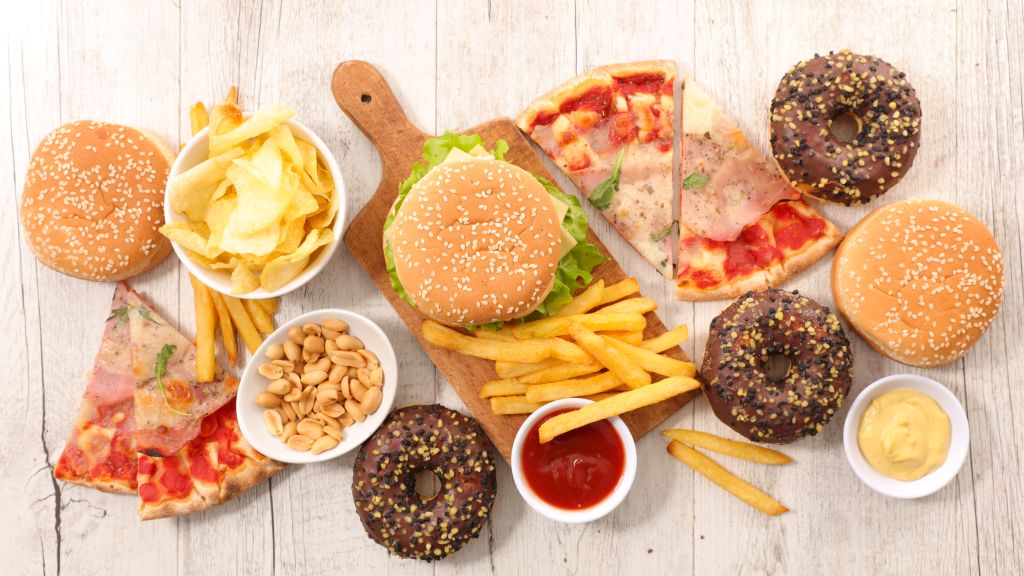
5 potential causes of fluid retention
Identifying the root causes of fluid retention is crucial for effective management.
Here are five common causes of fluid buildup in the body.
1. Poor dietary habits
Diets high in sugar and refined carbohydrates can trigger fluid retention by spiking insulin, promoting sodium retention, and reducing the kidney’s ability to excrete water.
Moreover, processed foods contain high levels of refined salt, which is often stripped of essential minerals and electrolytes needed for optimal fluid regulation.
Excess sodium consumption, especially when not balanced with adequate potassium intake, can cause the body to retain fluid in an effort to maintain electrolyte balance.
2. Insulin resistance and diabetes
Poor metabolic health, such as insulin resistance and diabetes, leads to persistently high insulin levels, which can contribute to ongoing fluid retention and related swelling.
Over time, chronically elevated blood sugar levels can damage the small blood vessels and nerves responsible for regulating fluid balance, often resulting in swelling in the lower legs and feet.
3. Nutrient deficiencies
Nutrient deficiencies, particularly in vitamin B1 and potassium, can contribute to fluid retention by impairing energy production and weakening the body’s ability to regulate fluid balance.
Potassium plays a crucial role in helping the body eliminate excess sodium. When potassium levels are low, sodium accumulates, prompting the body to hold on to water and causing swelling.
“Ideally, potassium intake should be much higher than sodium intake, but most people consume far more sodium than potassium,” explains Dr. Berg.” When you consume excessive sodium without enough potassium, your body retains fluid to compensate for the imbalance.”
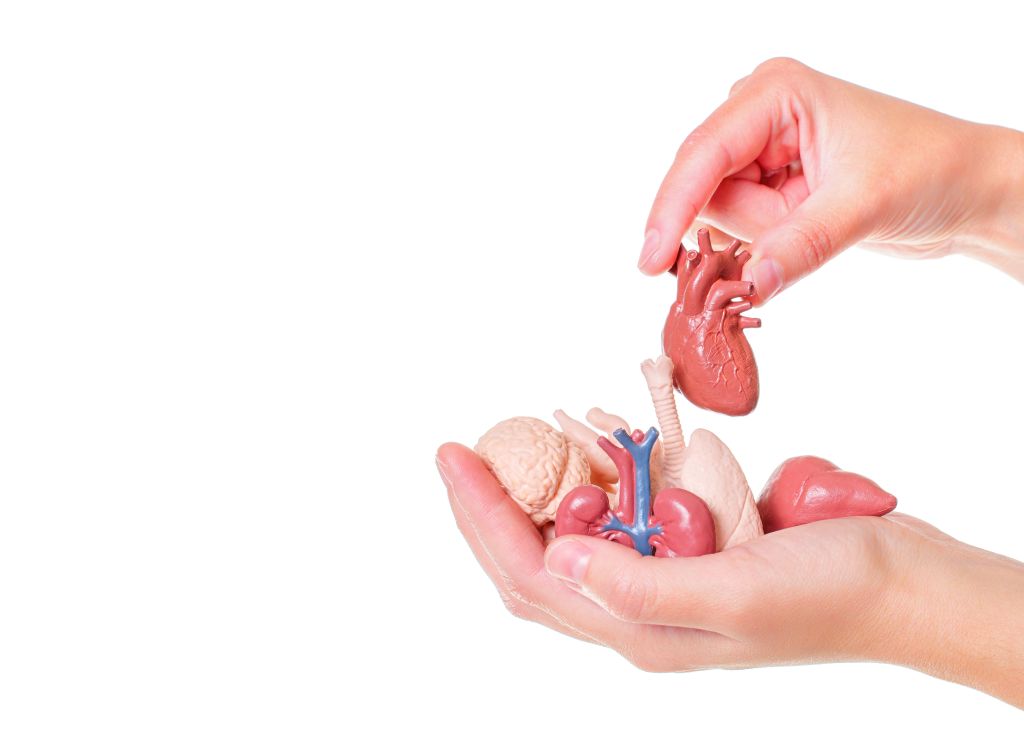
4. Organ dysfunction
Persistent fluid retention can also be caused by underlying organ dysfunction or chronic disease.
Liver conditions, such as cirrhosis, reduce the production of albumin, a key protein that helps retain fluid within blood vessels. When albumin levels drop, fluid can leak into surrounding tissues, leading to swelling in the abdomen and limbs.
Research published in QJM: An International Journal of Medicine explains, “Accumulation of fluid as ascites is the most common complication of cirrhosis and occurs in about 50 percent of patients within ten years of the diagnosis.”
Heart and kidney disease are other common causes of fluid retention, while hormonal imbalances such as hypothyroidism can also play a significant role.
5. Medications
Certain medications, including non-steroidal anti-inflammatory drugs (NSAIDs), steroids, diabetes drugs, and calcium channel blockers, can cause fluid retention by affecting kidney function, hormone balance, or blood vessel dilation.
Diuretics may also contribute by depleting essential minerals through excessive urination, leading to low potassium levels, which disrupts sodium balance and promotes fluid retention.
If you suspect medication is causing fluid retention, consult your healthcare provider before making any changes.

Diet and lifestyle changes
Strategic dietary and lifestyle adjustments can significantly reduce fluid retention and enhance overall health.
One of the most effective ways to restore fluid balance is by adopting a nutritious low-carb plan such as Healthy Keto®.
By eliminating processed foods that can disrupt electrolyte levels and instead prioritizing nutrient-dense whole foods, Healthy Keto supports blood sugar balance and promotes optimal cellular hydration.
While adopting a low-salt diet is commonly recommended, increasing potassium intake with potassium-rich foods may be more effective for managing fluid retention, as both minerals are essential for regulating fluid balance.
Vitamin B1 is essential for generating the cellular energy needed to maintain proper fluid balance. Including vitamin B1-rich foods such as nutritional yeast, meat, and sunflower seeds can help support this critical function.
Additionally, in some cases, your doctor may recommend that you wear compression socks to improve circulation and reduce swelling, especially in the lower legs.

When to talk to your doctor
While dietary and lifestyle changes can help manage fluid retention, some cases may require immediate medical attention.
Sudden and severe fluid buildup can signal serious conditions such as congestive heart failure, pulmonary edema, kidney failure, severe allergic reactions, chronic venous insufficiency, blood clots, and deep vein thrombosis.
You should seek medical care immediately if you notice any of the following:
- Sudden or severe swelling with pain or redness
- Swelling in one limb only
- Shortness of breath or difficulty breathing
- Fluid retention that doesn’t improve with lifestyle changes
- Swelling combined with fever or skin changes
It’s crucial to discuss fluid retention with a healthcare professional, especially if it coincides with other symptoms or health concerns, to determine the appropriate treatment for your condition.
Key takeaways
- Persistent fluid retention is often linked to a diet high in carbs or sodium, nutrient deficiencies, hormonal imbalances, medications, or organ dysfunction.
- Maintaining optimal potassium and vitamin B1 levels is crucial for supporting proper fluid balance and reducing swelling.
- Following a low-carb, nutrient-dense Healthy Keto diet can help stabilize blood sugar balance, improve kidney function, and support optimal hydration.
- Wearing compression socks may help reduce swelling in the feet, ankles, and legs.
- Sudden, severe, or persistent fluid retention warrants medical evaluation to rule out potentially serious underlying conditions.
FAQ
- 1. What is the top cause of fluid retention?
- 2. What foods cause water retention?
- 3. What diet changes help with fluid retention?
- 4. Can fluid retention be prevented?
Sources
- https://www.ncbi.nlm.nih.gov/books/NBK53445/
- https://academic.oup.com/qjmed/article-abstract/101/2/71/1601382
Related Articles
-
Does Water Have Electrolytes Naturally?
 Nutrition
Does Water Have Electrolytes Naturally?
At a glance Plain water contains only trace amounts of electrolytes, and most bottled or tap water won’t provide enough essential minerals to maintain electrolyte balance. Incorporating mineral-rich foods, bone…12/18/2025 4.6k views -
Does Alcohol Dehydrate You?
 Foods to avoid
Does Alcohol Dehydrate You?
At a glance Alcohol has diuretic properties, which means that even small amounts can lead to dehydration and electrolyte imbalances. Rehydrating with plenty of fluids and focusing on electrolytes helps…12/11/2025 3.2k views