

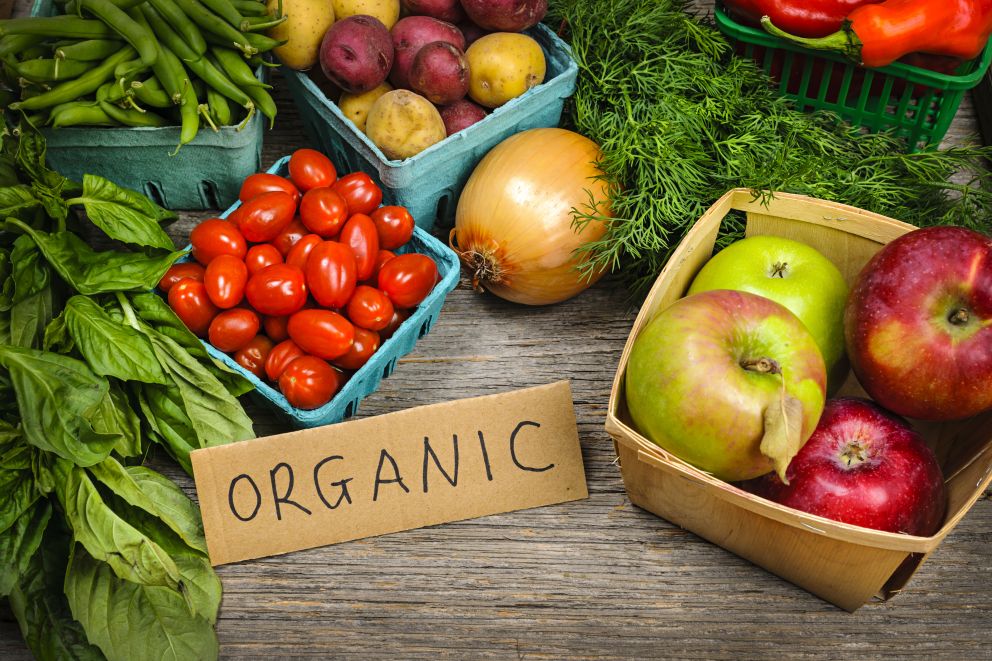
At a glance
Buying organic may be worth considering for foods that tend to contain higher pesticide residues or for those looking to reduce exposure to certain synthetic chemicals. Organic foods are produced under stricter farming standards and may also contain higher levels of some antioxidants and nutrients. Learning which foods to prioritize can help make organic shopping more practical and cost-effective.
Is organic worth it? Yes, purchasing organic foods is worthwhile, especially for foods that tend to contain higher pesticide residues.
Organic food is produced under standards that limit the use of synthetic pesticides and other artificial inputs commonly used in conventional farming.
Let’s explore what an organic label means, how to identify certified products, and when the higher price may be worth paying the extra cost.
What is organic food?
Organic food is grown and produced using farming methods that rely on fewer synthetic chemicals and emphasize natural growing practices.
Instead of relying on conventional farming practices, organic farming uses methods such as crop rotation, composting, and biological pest control to help support soil health and growing conditions for plants.
Organic certification also applies to meat, poultry products, dairy products, and processed foods, which must meet strict federal standards.
According to the U.S. Department of Agriculture (USDA), certified organic farms must meet standards such as:
- Avoiding prohibited chemicals for at least three years
- Limiting the use of synthetic pesticides and GMOs
- Feeding livestock 100 percent organic feed
- Providing animals with outdoor and pasture access
- Avoiding routine antibiotics and growth hormones
- Using at least 95 percent organic ingredients in USDA Organic products
Watch the video below to learn which organic foods may not be worth buying.
Are organic foods worth buying?
Yes, particularly for produce that tends to contain higher levels of pesticide residues or for those looking to reduce exposure to certain synthetic agricultural chemicals.
However, buying every organic product isn’t always realistic, especially because organic foods often cost more than conventional options.
Focusing organic purchases on higher-residue produce while choosing conventional versions of lower-residue foods can be a practical way to balance cost and food quality. Many foods have thick shells or peels that protect the edible parts from high levels of pesticides, making these types of produce a good place to save money.
Common foods that are often considered lower priorities for buying organic include:
- Avocados
- Cabbage
- Bananas
- Coconuts
- Walnuts
- Pecans
- Brazil nuts
- Macadamia nuts
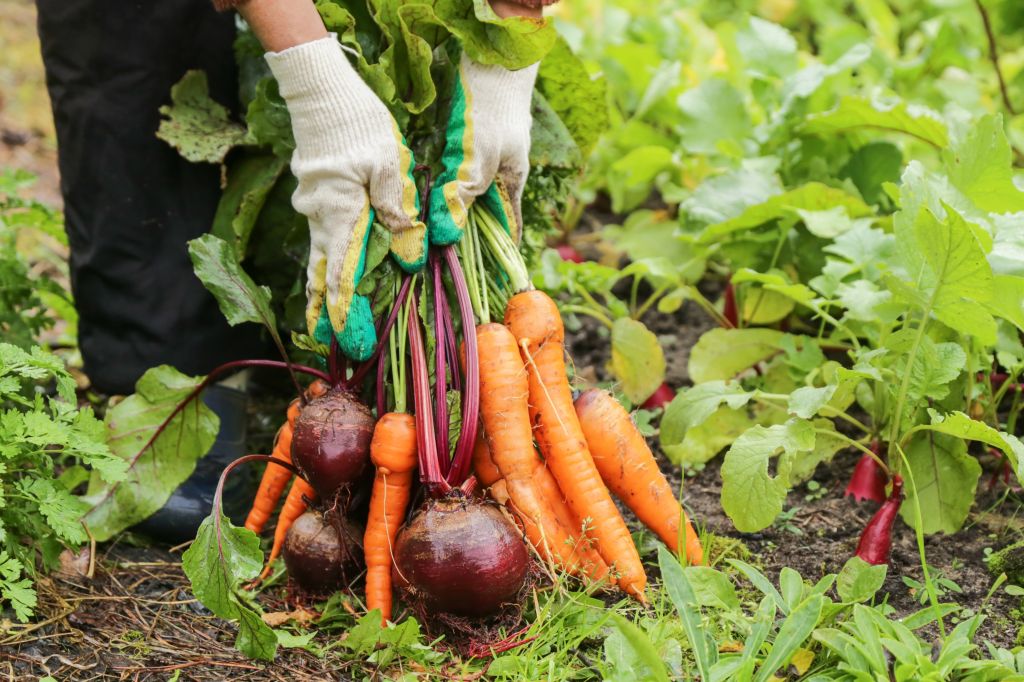
How to identify organic food
When shopping for organic food, look for the USDA Organic seal on packaging, which shows the product meets federal organic standards.
“Labels such as ‘100% organic’ and ‘organic’ indicate the product contains certified organic ingredients,” explains Dr. Berg. “However, products labeled ‘made with organic ingredients’ contain a lower percentage of organic ingredients and cannot use the USDA Organic seal.”
Fresh produce can also be identified through price look-up (PLU) codes, as organic fruits and vegetables often use a five-digit code beginning with nine.
While it is important to buy organic in many cases to reduce pesticide consumption, it is crucial to remember that not all organic products automatically align with health goals.
After confirming a product is organic, checking the ingredients list can help confirm whether the product is also nutritious. Organic products can still contain added sugars, refined starches, and other heavily processed ingredients. These ingredients may contribute to blood sugar spikes, increased cravings, and excess calorie intake.
Which foods should you buy organic?
It’s best to buy foods that contain higher levels of pesticide exposure, particularly fruits and vegetables with thin or edible skins.
To help consumers make more practical choices, the Environmental Working Group (EWG) created the “Dirty Dozen,” a list of produce that commonly exhibits higher pesticide residues.
These foods are often considered the highest priority for buying organic when possible.
Common foods included on the Dirty Dozen list are:
- Spinach
- Kale
- Collard and mustard greens
- Peaches
- Grapes
- Strawberries
- Blackberries
- Blueberries
Five health benefits of organic food
Organic foods are often associated with cleaner ingredient sourcing and fewer synthetic farming inputs.
As a result, choosing organic foods may support several areas of overall health.
1. Promotes heart health
Evidence published in the European Journal of Preventive Cardiology found that people who regularly consumed more organic foods had a slightly lower risk of atherosclerotic cardiovascular disease (ASCVD), a condition characterized by plaque buildup in the arteries.
The researchers also discovered that certain organic foods, including eggs, were associated with improved cardiovascular health outcomes.
2. Reduces chemical exposure
Organic foods are typically produced with fewer synthetic chemical treatments during growing and processing, which may help reduce exposure to certain agricultural substances.
This is confirmed by a study published in Environmental Health, which suggests that eating organic food may help reduce exposure to higher concentrations of pesticides, antibiotic-resistant bacteria, and certain toxic metals.

3. Enhances overall food quality
Organic food production often emphasizes less-processed ingredients, which may affect nutrient composition.
A study published in Foods reported that “organic food contained higher levels of iron, magnesium and vitamin C.” These nutrients play important roles in functions such as energy production, immune support, and overall cellular health.
4. Boosts antioxidant intake
Antioxidants may help protect the body from oxidative stress, a process linked to aging and the development of certain chronic diseases.
Research published in the British Journal of Nutrition found that organic crops generally contain higher levels of antioxidants than conventionally grown foods.
Antioxidants, including polyphenols and flavonoids, are commonly associated with cellular protection and overall wellness.
5. Encourages healthier eating habits
People who buy organic foods may place a greater focus on whole foods, vegetables, and nutrient-dense meals.
These eating habits are commonly associated with fewer processed foods and overall better diet quality.
In addition, combining organic foods with habits such as intermittent fasting (IF) may help support healthier long-term eating patterns.
Key takeaways
- Organic farming limits synthetic pesticides, GMOs, routine antibiotics, and other artificial inputs.
- Buying organic is often most beneficial for higher-residue produce such as strawberries, spinach, and apples.
- Organic foods may support lower chemical exposure while providing higher levels of certain nutrients and antioxidants.
- Overall diet quality still matters, since some organic produce can be heavily processed or contain added sugars.
FAQ
- 1. Does buying organic actually make a difference?
- 2. Is organic food healthier than conventional food?
- 3. What are the disadvantages of buying organic food?
- 4. What fruit should you absolutely buy organic?


