

At a glance
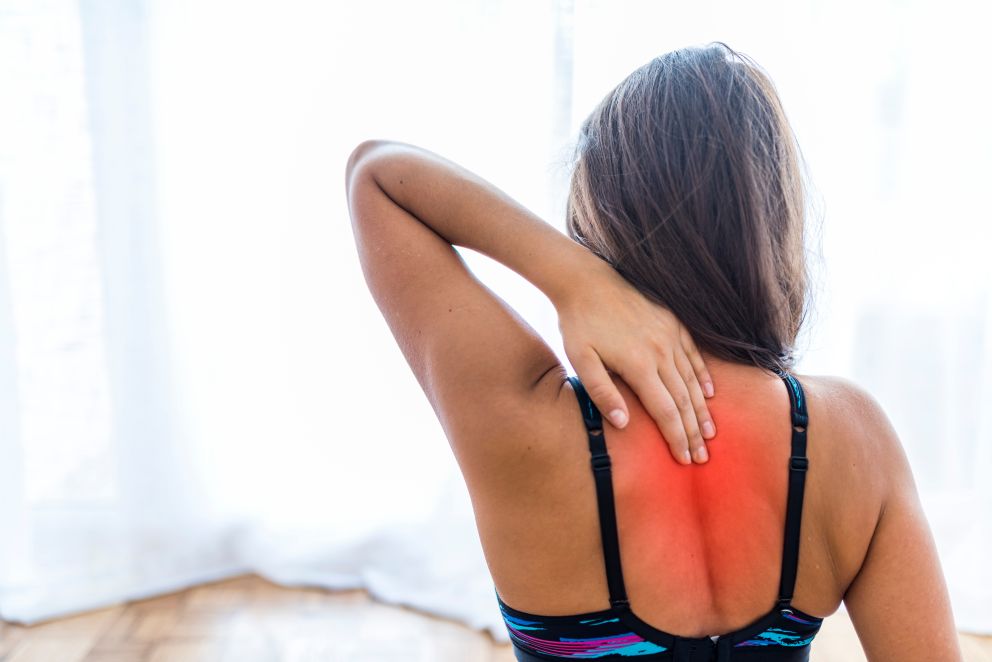
Right rhomboid muscle pain can feel like tightness or soreness between the shoulder blades and spine, and it may persist even with stretching or massage therapy. While overuse and posture can contribute, pain that appears only on the right side may be indicative of gallbladder issues.
Rhomboid muscle pain can be an uncomfortable nuisance. If you find that massage, physical therapy, and strengthening exercises aren’t improving your rhomboid pain, poor gallbladder function is an overlooked underlying cause for right shoulder discomfort.
Learn about the common causes of rhomboid muscle pain, and discover what you can do to restore comfort and ease pain.
What are the rhomboid muscles?
The rhomboid muscles are a small muscle group located in the upper back, consisting of the left and right rhomboid major and rhomboid minor.
The rhomboid muscles connect your shoulder blades to your thoracic spine, facilitating movements such as retracting and stabilizing the shoulder blades. They also help maintain proper posture during upper-body activities.
The right rhomboid major is a small muscle that sits between the right scapula and the thoracic vertebrae.
Next to the right rhomboid is the levator scapula muscle, which connects the top of the scapula to the neck, or cervical spine. When someone experiences chronic pain and tightness in their upper back, these two muscles are often involved.
Watch the video below to learn how to ease chronic right rhomboid muscle pain.
How to identify rhomboid muscle pain
Upper back pain, neck pain, and shoulder blade pain can all signify rhomboid muscle pain, which is usually felt in the lower neck and between the upper shoulder blades.
Rhomboid-related muscle tightness is often associated with increased pain when lifting heavy objects or breathing deeply. Tenderness and reduced range of motion are also common.
If you’re experiencing rhomboid muscle pain, consult with a healthcare professional to determine the exact underlying cause and develop a treatment plan that’s right for you.
What causes right rhomboid muscle pain and tightness?
Rhomboid muscle pain can be a result of muscle injury or excessive use of the rhomboid muscles.
It’s also common in people who have sedentary jobs or jobs that require continuous computer work, as this type of work can lead to poor posture and pain in the shoulder blade area.
Furthermore, tight muscles and shoulder pain on the right side are often related to referred pain, meaning that the root cause originates from another part of the body.
The gallbladder and liver refer pain through the phrenic nerve up to the rhomboid muscles and levator scapulae. This pain is typically felt in the shoulder blade area on the right side.
Research published in QJM: An International Journal of Medicine reports that the presence of a liver abscess was directly linked to right shoulder blade pain.
If self-massage or treatment from a physical therapist or chiropractor doesn’t improve the problem, the pain may be a symptom of an underlying gallbladder issue.
Muscle pain that only affects the right side of your upper back also signifies a potential gallbladder dysfunction rather than a problem with the rhomboid muscle itself.
“Gallbladder issues are a widespread problem, often caused by unhealthy fats such as corn oil, canola oil, soy oil, and cottonseed oil,” explains Dr. Berg. “Nuts, chemicals in food, and refined carbohydrates can also irritate the gallbladder.
How to check for referred gallbladder pain
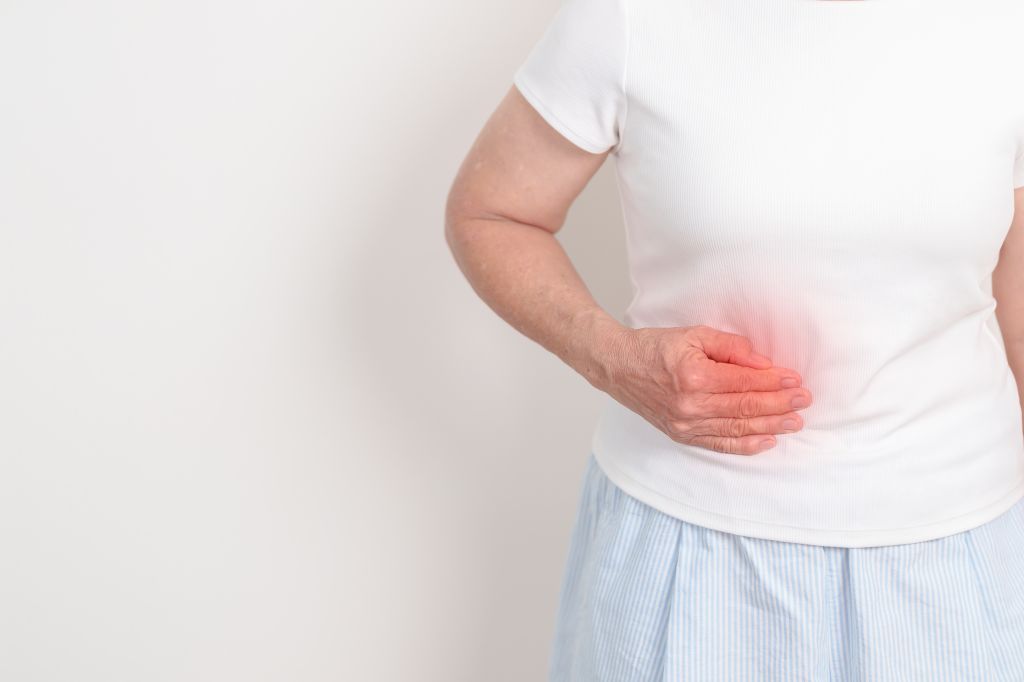
To check for referred gallbladder pain, apply gentle pressure to your gallbladder. To do this, press about two inches below your right rib cage and apply gentle pressure for 30 seconds.
After applying pressure to the gallbladder, check if your muscle pain persists. You may notice that your upper back pain and muscle tension have diminished, or you may even experience instant relief.
If this technique doesn’t eliminate your muscle discomfort, or the pain also affects your left shoulder, the issue is probably not with your gallbladder.
In this case, using a massage ball, foam roller, or heating pad can help relieve muscle discomfort by loosening tight fibers and improving blood flow.
Gentle self-massage or targeted pressure can reduce tension in the rhomboids, while heat therapy relaxes the muscles and eases stiffness.
How to get rid of rhomboid muscle pain and tightness
The most effective way to alleviate rhomboid muscle pain associated with a gallbladder issue is to implement beneficial dietary changes.
Start by removing foods from your diet that can aggravate the gallbladder and the liver, including sugar, grains, and nuts, all of which are common culprits of gallbladder pain.
Following a keto diet and practicing intermittent fasting can significantly improve gallbladder function by reducing insulin spikes and allowing the gallbladder ample time to concentrate bile.
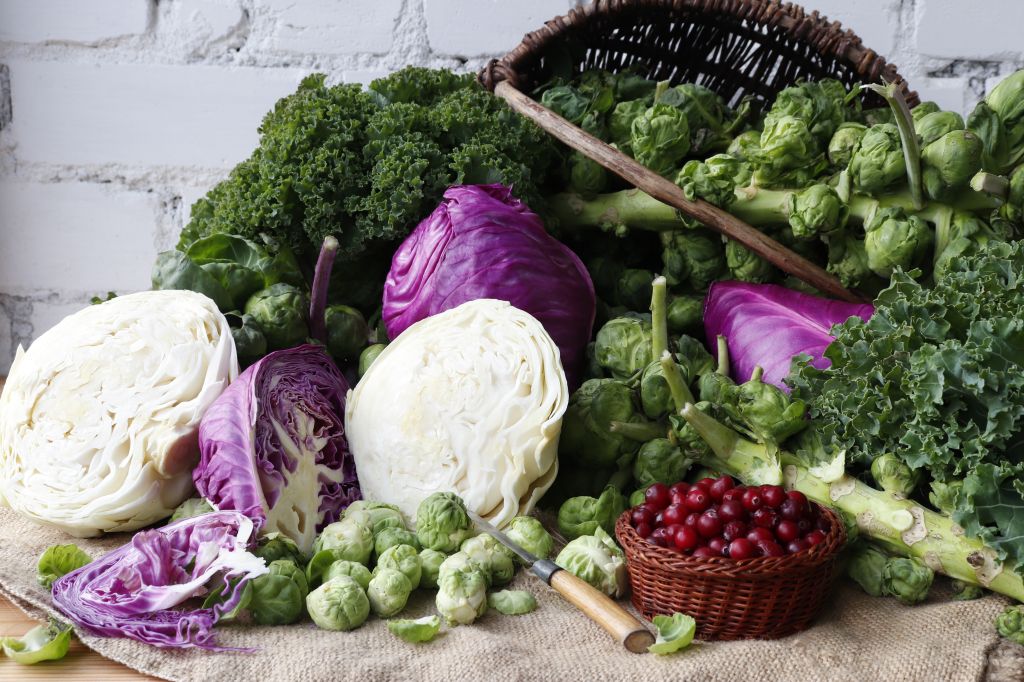
It’s also vital to prioritize foods that support the gallbladder, such as cruciferous vegetables, and increase your intake of choline.
Choline, found in egg yolks, beef liver, and organ meats, supports bile production and liver function, which in turn aids digestion and supports optimal gallbladder health.
Key takeaways
- Right-sided rhomboid pain may stem from referred gallbladder discomfort rather than a problem within the muscle itself.
- Poor gallbladder health can affect the rhomboid area through the phrenic nerve, leading to shoulder blade tightness and upper-back tension.
- Applying gentle pressure below the right rib cage can help check for referred gallbladder pain.
- Dietary changes that support the gallbladder may help reduce recurring right rhomboid tightness and discomfort.
- A nutritious keto diet, combined with intermittent fasting, is an excellent strategy to support gallbladder health further.
FAQ
- 1. How long does it take to recover from rhomboid muscle pain?
- 2. What is the cause of right rhomboid muscle pain and tightness?
- 3. How do I prevent right rhomboid muscle pain and tightness?
- 4. Should you massage a rhomboid strain?
- 5. What does a rhomboid strain feel like?
- 6. Why does my rhomboid muscle hurt?
- 7. Is rhomboid pain serious?
Sources:
Related Articles
-
6 Benefits of Vitamin E
 Nutrition
6 Benefits of Vitamin E
At a glance Vitamin E is a fat-soluble vitamin and a powerful antioxidant that protects cells against oxidative stress, free radical damage, and inflammation, all of which contribute to poor…07/03/2026 -
Nitric Oxide and Viagra: What’s the Connection?
 Health concerns
Nitric Oxide and Viagra: What’s the Connection?
At a glance Nitric oxide is a key signaling molecule that relaxes blood vessels, improves circulation, and supports sexual functions. Viagra works by prolonging the effects of nitric oxide, which…03/19/2026 5.9k views -
How to Get Rid of Toenail Fungus – 3 Natural Solutions
 Health concerns
How to Get Rid of Toenail Fungus – 3 Natural Solutions
At a glance Toenail fungus is a common nail infection often linked to environmental exposure to infectious microbes, nail injury, and poor metabolic or immune health. Natural topical solutions and…03/13/2026 33.6k views -
How to Kill Parasites: 7 Natural Tips
 Health concerns
How to Kill Parasites: 7 Natural Tips
At a glance Parasitic infections occur when worms or protozoa colonize the body, often through exposure to contaminated pets, food, or water. These organisms can interfere with digestion and other…03/13/2026 15.1k views -
HPV Skin Tags: Causes and What to Do
 Health concerns
HPV Skin Tags: Causes and What to Do
At a glance While both skin tags and warts can be linked to human papillomavirus (HPV), they differ in appearance and how they affect the body. Targeted dietary and lifestyle…03/13/2026 16.6k views -
4 Asthma Remedies to Try at Home
 Health concerns
4 Asthma Remedies to Try at Home
At a glance Asthma is a chronic inflammatory condition that narrows the airways and makes breathing difficult, especially during asthma attacks. While conventional care is often necessary, natural asthma remedies…03/06/2026 17.6k views -
Too Much Keto Weight Loss? What to Do If You’re Too Skinny
 Diet
DietToo Much Keto Weight Loss? What to Do If You’re Too Skinny
At a glance Keto weight loss often occurs rapidly during the early adaptation phase, primarily due to fluid loss rather than immediate fat reduction. While fat loss is expected, ongoing…03/06/2026 10.2k views -
How to Ease a Sore Throat Quickly Using Acupressure
 Health concerns
How to Ease a Sore Throat Quickly Using Acupressure
At a glance Acupressure offers a simple, hands-on approach to promoting physical comfort, which may help soothe sore throat pain. While it’s not a substitute for a medical evaluation, acupressure…02/27/2026 25.2k views -
What Causes Pale Colored Stool?
 Health concerns
What Causes Pale Colored Stool?
At a glance Pale-colored stool can be linked to low bile flow, low-fat diets, alcohol use, infections, or underlying liver, gallbladder, or pancreatic issues. Supporting gallbladder function through a nutritious…02/26/2026 14.9k views -
Can Low Vitamin D Cause Depression in Teenagers?
 Vitamins
Can Low Vitamin D Cause Depression in Teenagers?
At a glance Vitamin D is essential for brain health, and low levels in teenagers may increase the risk of depression. Insufficient sunlight exposure and poor dietary habits can contribute…02/26/2026 10.8k views


