


At a glance
Wine is high in carbohydrates, which can disrupt the ketosis process. Although low-carb alcoholic beverages exist, they still contain ethanol, which impairs liver function and diverts resources away from metabolic tasks like fat burning.
Can you drink wine on keto? In short, no. But the full answer isn’t as simple as you may have hoped.
Dry wine contains fewer carbs than sweet varieties, but that doesn’t mean it won’t interfere with ketosis. Whenever you consume alcoholic drinks, your liver prioritizes alcohol detoxification over other metabolic processes, including fat-burning.
Learn why drinking even low-carb alcoholic beverages can slow down keto success and why it’s best to avoid alcohol altogether.
Can you drink wine on keto?
Overall, it’s best to avoid wine on keto.
Whether you can drink wine on a ketogenic diet doesn’t just depend on its carb content.
All alcoholic beverages, including wine, contain ethanol produced by fermenting high-carb grains, sugar cane, or grape sugar. Not all carbohydrates are broken down during fermentation, leaving residual carbs in the final product.
Wines with a high residual sugar content, also called sweet wines, contain as much as 25 grams of carbs per 5-ounce serving (150 milliliters) and can quickly push you out of ketosis.
In contrast, dry wine contains significantly fewer carbs, typically around four grams per serving.
“It may seem that drinking low-carb wine on a ketogenic diet won’t interfere with ketosis as long as you monitor your net carb intake. However, this isn’t accurate,” says Dr. Berg.
Ethanol is a volatile organic compound that your body perceives as a toxin. Whenever ethanol enters your circulation, the liver prioritizes alcohol detoxification over most other metabolic processes, which interrupts fat-burning and ketone production.
Research published in The Journal of Hepatology found that drinking alcohol deactivates liver enzymes needed for the breakdown of fats, meaning that your liver can’t produce ketones as long as ethanol is present.1
This also explains why individuals who regularly consume alcohol are at increased risk of fatty liver disease.
Drinking even moderate amounts of low-carb alcohol can stop weight loss and ketosis and negate many of the metabolic benefits of a high-fat diet.
Watch the video below to learn more about the potentially harmful effects of alcohol.
White wine vs. red wine: which has fewer carbs?
While white wine tends to have slightly fewer carbs than red wine, it depends on the exact type of wine you are drinking.
Most dry red wines, such as cabernet sauvignon, pinot noir, and merlot, contain around 4 grams of carbs per 5-ounce serving, which is similar to the carb content of dry white wine varieties, including sauvignon blanc, pinot grigio, and pinot blanc.
Sparkling wine labeled “extra brut” contains around 2 grams of carbs per 5-ounce serving. However, it’s important to remember that this doesn’t mean it’s a keto-friendly wine due to its ethanol content and subsequent effects on fat burning.
Here are some high-carb wines that you should avoid on a keto diet:
- Ice wine
- Fortified wines
- Dessert wines
- Late-harvest wines such as Riesling and Gewurztraminer
- Port wines
- Wine coolers with added sugars
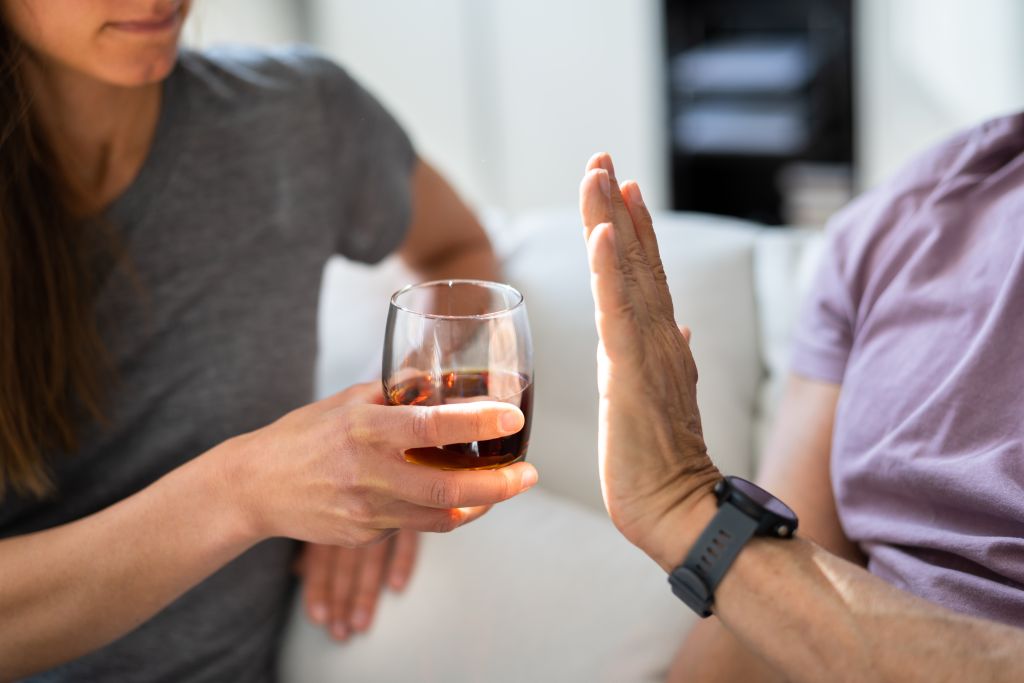
Are there health benefits to drinking wine?
Despite the alcohol industry’s substantial efforts to promote wine as a heart-healthy beverage, evidence published in the Journal of Internal Medicine overwhelmingly concludes that alcohol does not provide any health benefits.2
The author of this study highlights, “Alcohol is an organic solvent, which in high doses has both direct and indirect harmful influence on a large number of organs, and a high alcohol intake during a longer period of time implies an increased risk for developing alcohol dependence.”
If you have ever enjoyed too much alcohol, you may be familiar with the adverse effects of alcohol. Alcohol slows down your body’s ability to produce energy, causes dehydration, depletes nutrients, and impairs brain function.
Because alcohol suppresses fat burning, it significantly increases the risk of excess body weight, metabolic imbalances, and fatty liver disease, a primary risk factor for cirrhosis and liver failure.
What’s more, a significant percentage of people are sensitive to natural compounds and additives in wine that are associated with a wide range of health issues.
Both red and white wine contain sulfites, a common preservative used to extend wine’s shelf-life that can trigger symptoms such as headaches, vision problems, hives, dizziness, and nausea.
Alcohol consumption increases cancer risk and is a main contributing factor to premature death.
In fact, a study published in Nature found that individuals who abstained from alcohol lived, on average, seven years longer than regular drinkers.3

Can you drink low-carb alcohol on keto?
Alcohol isn’t considered keto-friendly. Dry wine, light beer, and hard liquor such as vodka, rum, tequila, and gin are generally low in carbohydrates. However, they all contain ethanol and, as such, can impact your metabolic state and slow down fat burning.
In addition, ethanol contains seven calories per gram, almost double the amount of one gram of carbs. If you are doing keto to lose weight, drinking alcohol can significantly interfere with your weight-loss goal.
Low-carb alcohols such as spirits are often served as mixed drinks and contain sugary sodas or fruit juices, making them some of the worst alcoholic drinks on the keto diet.
If you enjoy the occasional glass of wine, it’s best to choose low-carb options such as sauvignon blanc, pinot grigio, or pinot noir and avoid sweet wines high in carbs that quickly push you out of ketosis.
It’s also important to remember that alcohol can cause carb and sugar cravings. Given that ethanol also impairs self-control and judgment, drinking any alcoholic beverage can result in overeating high-carb foods and exceeding your daily net carb count.
Key takeaways
- Can you drink wine on keto? It’s best to avoid wine on keto. Sweet wines contain approximately 25 grams of carbs per 5-ounce serving.
- Dry wine has around four grams of carbs per serving, but it still contains ethanol, which can impair fat burning and interfere with ketosis.
- Alcohol increases the risk of obesity, metabolic imbalances, and fatty liver disease.
- Alcohol increases cancer risk and is a primary contributing factor to premature death.
- Individuals who abstain from alcohol live seven years longer than regular drinkers on average.
FAQ
- 1. What type of wine is keto-friendly?
- 2. How much wine can I drink on keto?
- 3. Will wine kick you out of ketosis?
- 4. Can I have two glasses of wine on keto?
- 5. How much alcohol can I drink on keto?
- 6. Is wine healthy?
- 7. Is white wine or red wine healthier on a keto diet?
- 8. Can I drink low-carb alcohol on a low-carb diet?
Sources
- https://www.sciencedirect.com/science/article/pii/S0168827818325212 ↩︎
- https://onlinelibrary.wiley.com/doi/full/10.1111/j.1365-2796.2009.02082.x ↩︎
- https://www.nature.com/articles/s41598-022-11427-x ↩︎
Related Articles
-
Net Carbs: How to Calculate Them and When It Matters
 Diet
DietNet Carbs: How to Calculate Them and When It Matters
At a glance Knowing how to calculate net carbs can be an excellent tool to increase healthy carb intake while staying in ketosis. Many ultra-processed foods have low net carbs…06/19/2026 -
How to Break a Weight Loss Plateau: 9 Simple Ways
 Keto
KetoHow to Break a Weight Loss Plateau: 9 Simple Ways
At a glance Weight loss plateaus typically occur when the body adapts to dietary and lifestyle changes, resulting in reduced energy requirements. Factors such as insulin resistance, poor sleep, and…05/08/2026 -
Keto on a Budget: Tips and Foods to Eat
 Diet
DietKeto on a Budget: Tips and Foods to Eat
At a glance A ketogenic diet can be maintained using simple, affordable whole foods rather than expensive specialty products. Prioritizing versatile ingredients and planning meals strategically can help reduce grocery…04/24/2026 -
Muscle Twitching on Keto: Causes and What to Do
 Diet
DietMuscle Twitching on Keto: Causes and What to Do
At a glance Muscle twitching is common when first starting keto and is often linked to shifts in fluid balance, electrolyte minerals, and digestive function as insulin levels remain steady.…03/19/2026 22.3k views -
Why You’re Not Losing Belly Fat on Keto
 Diet
DietWhy You’re Not Losing Belly Fat on Keto
At a glance Shedding stubborn belly fat may require more than cutting carbs. Insulin levels, stress hormones, liver function, and muscle mass all influence how efficiently your body can access…02/20/2026 13k views -
Keto Poop: How Keto Can Change Your Stool and Why
 Diet
DietKeto Poop: How Keto Can Change Your Stool and Why
At a glance Starting a ketogenic diet can alter stool consistency, frequency, and appearance, often referred to as keto poop. These effects are common and typically indicate that the digestive…02/06/2026 26.2k views -
How to Stop Cravings – 9 Strategies
 Diet
DietHow to Stop Cravings – 9 Strategies
At a glance Understanding how to stop cravings begins with identifying what triggers them. Blood sugar swings, insulin resistance, nutrient deficiencies, and gut imbalances can all contribute to persistent hunger…11/13/2025 -
Foods to Avoid on Keto – Foods That Stop Ketosis
 Diet
DietFoods to Avoid on Keto – Foods That Stop Ketosis
At a glance Many seemingly healthy foods can disrupt ketosis, and even low-carb options may contain ingredients that raise blood sugar, contribute to inflammation, or stall fat burning. Learning to…11/04/2025 25.6k views -
What Is Keto Rash?
 Diet
DietWhat Is Keto Rash?
At a glance Keto rash is an uncommon but temporary skin change that can appear as the body transitions into ketosis. Supporting digestion, easing into ketosis, and adjusting dietary habits…04/09/2025 73.4k views -
How to Get Back on Track after a Keto Cheat Day
 Diet
DietHow to Get Back on Track after a Keto Cheat Day
At a glance Keto cheat days can disrupt metabolic balance and may shift the body out of fat-burning mode for an extended period, depending on how your metabolism responds. While…04/09/2025 52.9k views


