

At a glance
Eggshell color doesn’t determine the nutritional value of eggs. Factors like the hen’s diet, living conditions, and freshness have a much greater impact on egg quality. Pasture-raised and organic eggs typically offer higher nutrient density, including omega-3 fatty acids and carotenoids, while minimizing exposure to synthetic additives.
Brown eggs vs. white eggs—is one healthier than the other?
It’s a debate that has stumped consumers for years. Are brown eggs healthier, or is it just a misconception?
Let’s uncover the truth about egg color and learn what you should look for when buying chicken eggs.
Are brown or white eggs healthier?
When it comes to chicken eggs, consumers often wonder whether brown or white eggs are better for their health.
A common assumption is that brown eggshells represent a higher quality egg, and some even claim that brown eggs taste better.
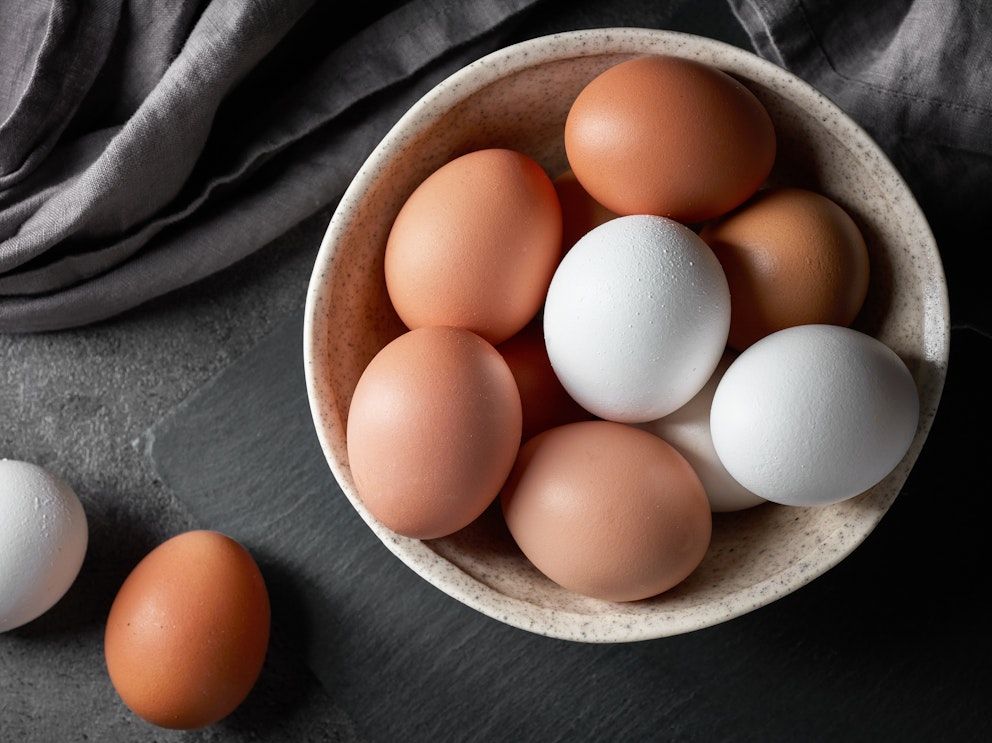
The truth is, the color of the eggshell doesn’t indicate much about quality or nutritional value but is determined by the breed of the hen.
Chicken breeds such as the White Leghorn lay white eggs, while breeds including the Rhode Island Red and the Plymouth Rock lay brown eggs. Some breeds, known as Easter Eggers, even produce eggs with blue or green shells.
It’s noteworthy that brown eggs cost more than white eggs in most places. However, this isn’t due to any nutritional difference but because the hens that lay brown eggs are typically larger breeds and require more feed, making these eggs more expensive to produce.
Watch this video to learn more about the differences between white eggs and brown eggs.
Does the color of the yolk matter?
The color of the egg yolk can vary from pale yellow to deep orange, and many believe this difference indicates nutritional value.
According to research published in Poultry Science, yolk color was reported as the most important egg characteristic for consumers, followed by shell quality and color.
Yolk color primarily reflects the hen’s diet. Darker, more vibrant egg yolks often result from hens raised on a varied diet rich in carotenoids, including lutein and zeaxanthin. This diet can also lead to higher levels of vitamins and omega-3 fatty acids in the eggs.
“Consuming adequate amounts of carotenoids is essential for eye health and promotes prostate health, heart function, and robust immune system defenses,” explains Dr.Berg.
However, while yolk color can indicate a higher-quality diet, it’s not necessarily a reliable way to determine the nutritional superiority of one egg over another.
Some egg producers manipulate yolk color by adding synthetic carotenoids to feed, making the yolks appear darker and more appealing to consumers.
This practice creates the illusion of better-quality eggs without actually improving the hens’ living conditions or increasing the egg yolks’ nutritional value.

What to look for when buying eggs
There are a few key things to look out for when buying eggs to ensure you’re getting the best quality and nutritional value.
Opt for eggs marked as pasture-raised, as these often have higher nutrient content, particularly carotenoids and omega-3 fatty acids.
Pasture-raised hens have outdoor access and can forage on diverse vegetation and insects, enhancing their eggs’ nutritional profile.
Additionally, choose eggs labeled certified organic, as these are produced by hens fed organic feed, free from synthetic pesticides and fertilizers. Organic certification also ensures that hens are raised without antibiotics or hormones.
Always inspect eggs for shell integrity, avoiding any cracks or abnormalities to reduce the risk of bacterial contamination.
Lastly, while shell color doesn’t indicate nutritional differences, shell density can.
Brittle shells can suggest that the hens’ diet was lacking in essential nutrients such as calcium. Thicker, more robust shells are generally a sign of healthier hens and better-quality eggs.

Benefits of consuming eggs
Eggs are a nutritional powerhouse, offering numerous health benefits that can support overall well-being.
Here are three health benefits of including eggs in your diet
1. High-quality protein and fat
Eggs are an excellent source of complete protein, containing all nine essential amino acids. This makes them a particularly valuable food for those looking to build or maintain muscle mass.
In addition to protein, eggs offer plenty of healthy fats, which play a crucial role in various bodily functions, including hormone production, nutrient absorption, and brain health.
Additionally, the combination of high-quality protein and essential fats in eggs supports metabolic health and keeps you feeling full longer, which promotes a healthy body weight.
2. Rich in vitamins and minerals
Eggs, particularly the yolks, are packed with fat-soluble vitamins, including vitamins A, D, E, and K2. These vitamins are essential for various bodily functions, including bone health, heart health, and calcium metabolism.
Specifically, egg yolks are also one of the best dietary sources of vitamin A in its active form, which is crucial for eye health, immune function, and skin integrity. Vitamin A also plays a role in thyroid hormone conversion and may help reduce the risk of certain cancers.
Additionally, eggs provide essential minerals such as selenium, crucial for detoxification processes in the body, and phosphorus, which is needed to maintain bone health and cellular function.

3. Support brain health
Egg yolks are one of the best dietary sources of choline, providing approximately 27 percent of the daily recommended value in just one egg.
Choline is an essential nutrient for neurological health as it promotes the production of neurotransmitters, which are chemicals that transmit signals across the central nervous system.
This includes acetylcholine, a neurotransmitter that plays a significant role in memory, learning, mood, muscle control, and other vital nervous system functions.
Research published in Acta Neuropathologica found that low circulating choline levels are associated with an increased risk of Alzheimer’s disease and other cognitive impairments.
In addition, pasture-raised eggs are an excellent source of omega-3 fatty acids, which are crucial for reducing the risk of neurodegenerative diseases and have been found to enhance mood and mental well-being.
Key takeaways
- Eggshell color is determined by chicken breed, not the diet of the hen.
- Darker yolks often indicate a diet rich in carotenoids, but color alone isn’t a reliable indicator of overall quality.
- Pasture-raised and organic eggs are the best choice for nutrient density.
- Eggs provide high-quality protein, essential fats, fat-soluble vitamins, and choline, supporting overall health, brain function, and metabolism.
FAQ
- 1. Are brown eggs better than white eggs?
- 2. Why are brown eggs more expensive?
- 3. What are the healthiest eggs to eat?
- 4. Are brown eggs organic?
- 5. Are cage-free eggs healthier?
- 6. Does the color of an egg yolk make a difference?
- 7. Do brown eggs have more protein?
Sources
- https://www.sciencedirect.com/science/article/pii/S0032579120304478
- https://pubmed.ncbi.nlm.nih.gov/37548694/
Related Articles
-
Simple Ways to Eat More Nutrient-Dense Foods
 Superfoods
Simple Ways to Eat More Nutrient-Dense Foods
At a glance Choosing nutrient-dense foods can help improve the quality of your meals while reducing reliance on ultra-processed products. Whole foods such as seafood, leafy greens, berries, and grass-fed…08/20/2026 -
Grass-Fed vs. Grain-Fed: What’s the Difference?
 Food and Drink
Grass-Fed vs. Grain-Fed: What’s the Difference?
At a glance Grass-fed and grain-fed beef differ in how cattle are raised and fed throughout their lives. These feeding practices can influence the nutritional characteristics, flavor, texture, and overall…07/30/2026 -
Wild-Caught vs. Farm-Raised Fish: What’s the Difference?
 Nutrition
Wild-Caught vs. Farm-Raised Fish: What’s the Difference?
At a glance Wild-caught and farm-raised fish differ in nutrient quality, sourcing methods, and overall eating experience. Wild-caught fish come from natural environments and support a more balanced fatty acid…07/09/2026 -
Eating Out on Keto: Simple Ordering Strategies
 Food and Drink
Eating Out on Keto: Simple Ordering Strategies
At a glance Restaurant meals are often centered around carbohydrate-rich foods, which can make low-carb dining more difficult. Hidden carbohydrates are also common in sauces, dressings, and other prepared ingredients.…06/25/2026 -
9 Keto Staples for Your Pantry and Fridge
 Nutrition
9 Keto Staples for Your Pantry and Fridge
At a glance Keeping the right foods on hand makes it easier to stay consistent on a ketogenic diet without relying on highly processed products. A well-stocked keto pantry focuses…06/19/2026 -
How to Spot Hidden Carbs
 Keto
KetoHow to Spot Hidden Carbs
At a glance Hidden carbs are found in many everyday foods that may not appear high in carbohydrates, including sauces, processed meats, dairy products, and salad dressings. These overlooked sources…06/05/2026 -
Keto-Friendly Sauces and Condiments
 Nutrition
Keto-Friendly Sauces and Condiments
At a glance Keto-friendly sauces and condiments can help support ketosis by keeping overall carbohydrate intake within the limit of 20 to 50 grams per day. Choosing options made with…06/01/2026 -
8 Unique Benefits of Turmeric Tea
 Nutrition
8 Unique Benefits of Turmeric Tea
At a glance Turmeric tea contains curcumin, a bioactive compound that offers anti-inflammatory and antioxidant effects that may support brain and heart health, improve digestion, help regulate weight, and strengthen…05/15/2026 4.4k views -
Keto on a Budget: Tips and Foods to Eat
 Diet
DietKeto on a Budget: Tips and Foods to Eat
At a glance A ketogenic diet can be maintained using simple, affordable whole foods rather than expensive specialty products. Prioritizing versatile ingredients and planning meals strategically can help reduce grocery…04/24/2026 -
What Foods Are High in Zinc?
 Minerals
What Foods Are High in Zinc?
At a glance Zinc is an essential trace mineral involved in immune defenses, metabolism, hormone production, and muscle repair. Because the body doesn’t store zinc efficiently, regular dietary intake is…03/06/2026 5.9k views


