

At a glance
Allulose and erythritol are natural, low-calorie sugar substitutes that provide sweetness without raising blood sugar or insulin. Allulose is ideal for baking and caramelizing, while erythritol works well in beverages and low-sugar recipes.
Allulose vs. erythritol–what’s the difference, and is one better than the other?
Allulose and erythritol are natural plant-derived sugar substitutes that have a similar sweetness to cane sugar but contain minimal carbohydrates and calories, making them suitable for low-carb diets.
Discover the nutrition facts and best uses of these alternative sweeteners and learn about their potential downsides.
What is allulose?
Allulose is a rare sugar found in figs, maple syrup, and raisins. It contains zero calories compared to regular sugar, which has four calories per one gram, making it one of the best natural low-calorie sweeteners for weight loss.
Unlike sugar, allulose can’t be metabolized by the body and has a glycemic index rating of zero, which indicates that it doesn’t affect blood sugar or insulin levels.
A study published in PLOS One also found that allulose can buffer the glycemic response of other sugars and carbohydrates.
High blood sugar and insulin levels have been linked to adverse health effects, including diabetes and heart disease. Consuming a low-carb diet and prioritizing foods with a low glycemic index is crucial to promoting metabolic health and reducing the risk of chronic health issues.
“Allulose inhibits the activity of enzymes needed to break down and digest sugars and carbohydrates, such as sucrase, maltase, and alpha-amylase,” explains Dr. Berg. “This means certain carbs and sugars won’t break down as fast, which helps prevent blood sugar and insulin spikes.”
Its glycemic and metabolic benefits make allulose an ideal sweetener for individuals with diabetes and those following a low-carb ketogenic diet.
Additionally, allulose resists bacterial fermentation, reducing the risk of common side effects of artificial sugar substitutes, such as gas, bloating, and abdominal discomfort.
Using allulose as a sugar substitute may also reduce the risk of non-alcoholic fatty liver disease (NAFLD).
A study published in the Journal of Food Science found that allulose consumption was associated with decreased liver fat and improved body weight without exercise or dietary changes.
Watch the video below to learn more about popular sugar substitutes suitable for a low-carb diet.
What is erythritol?
Erythritol is a sugar alcohol typically made by hydrolyzing and fermenting cornstarch, but it can also be found naturally in certain fermented foods, melons, and other fruits.
Sugar alcohols are a class of carbohydrates with a chemical makeup close to sugar and alcohol, though they have no ethanol content.
Erythritol has a glycemic index rating of zero and won’t raise blood sugar levels, making it a popular choice for those looking to manage diabetes or improve insulin sensitivity.
In addition, as a zero-calorie sweetener, erythritol may benefit individuals who limit their calorie intake to avoid weight gain.
Like allulose, intestinal gut bacteria don’t break down or ferment erythritol. Although this sugar alcohol is absorbed in the small intestine, erythritol isn’t metabolized and is excreted unchanged through the kidneys and urine, making it less likely to cause digestive discomfort.
Compared to sugar, which can cause tooth decay, research shows that erythritol use may reduce the risk of oral health issues more effectively than other sugar alternatives.
A study published in Advances in Dental Research found that “Erythritol can reduce dental plaque weight, reduce dental plaque acids, reduce counts of mutans streptococci in saliva and dental plaque, and reduce the risk of dental caries better than sorbitol and xylitol.”
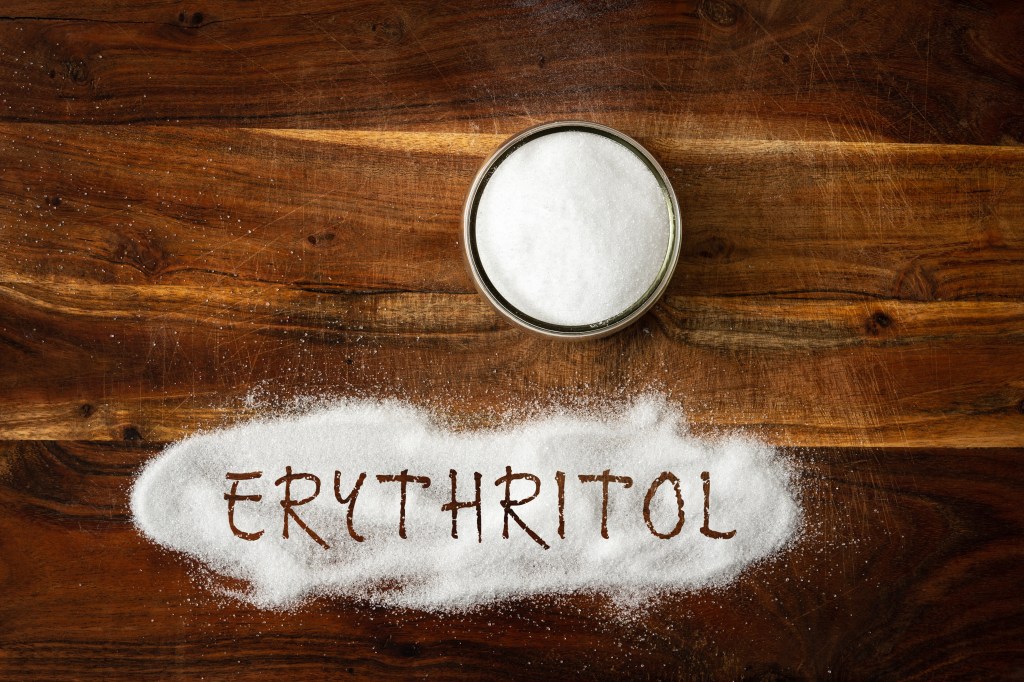
Allulose vs. erythritol
Both allulose and erythritol are promising sugar substitutes associated with a low risk of side effects if consumed in small quantities.
They both have a naturally sweet taste without the downsides of traditional sugar and other sugar substitutes, such as blood sugar spikes and weight gain.
Here’s a comparison between the taste, uses, and nutrition facts of allulose and erythritol.
Allulose
Granulated allulose resembles regular table sugar and offers around 70 percent of its sweetness, making it a convincing sugar substitute. In addition, allulose has a sweet taste without the chemical flavor profile of many artificial sweeteners.
Allulose can caramelize and crystallize like table sugar and is often used in baking to satisfy a sweet tooth without the need for regular sugar. Most recipes recommend using allulose at a one-to-one ratio for baked goods.
Because this low-calorie sweetener can replace sugar in most recipes, it can be used to make cookies, cakes, pies, jams, and jellies, helping reduce the overall calorie content of sweet treats.
According to the U.S Department of Agriculture (USDA), one teaspoon of allulose contains:
- 0 calories
- 0 g fat
- 0 g protein
- 5 g total carbs
- 0 g fiber
- 0 g net carbs
Erythritol
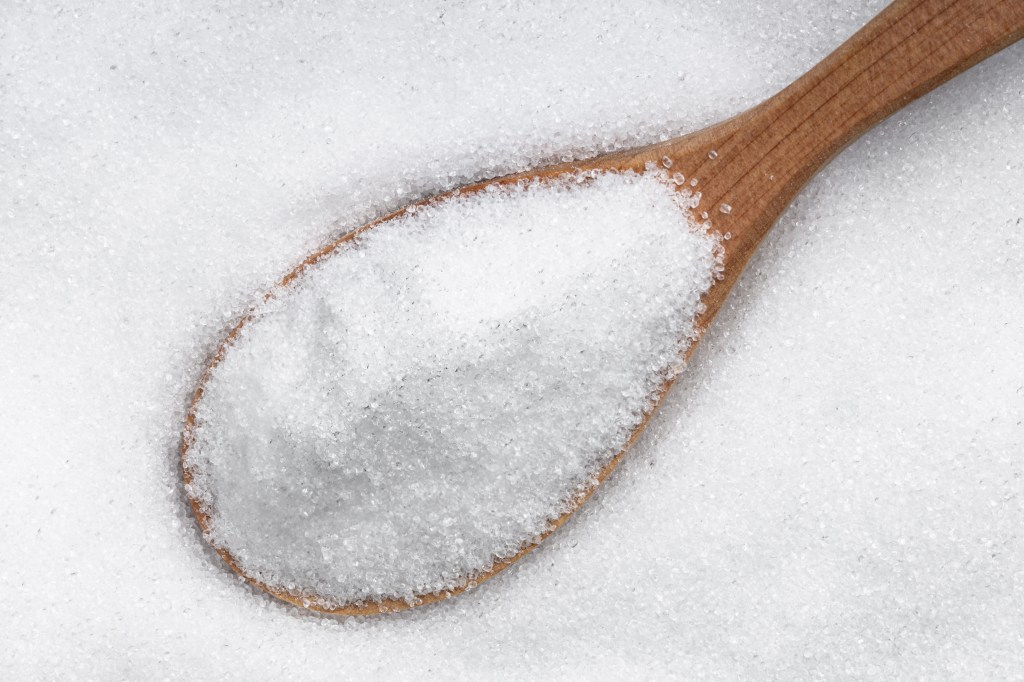
This natural sweetener is one of the most common traditional sugar substitutes with a similar look, texture, and sweetness to table sugar.
Compared to artificial sweeteners such as aspartame, sucralose, and saccharin, erythritol has no bitter aftertaste.
Erythritol is available in liquid, granular, and powder form and is mainly used as a sugar substitute in beverages like tea or coffee. However, it can also be used in various recipes despite not dissolving as effectively as allulose or cane sugar.
This sugar alcohol can be an alternative sweetener for low-sugar desserts and low-carb bread, but isn’t recommended for sweeter baked goods due to potentially laxative effects if consumed in large amounts.
Erythritol has a cooling effect when consumed, which can be off-putting when used in high quantities. Starting with less erythritol and adding more to taste can help avoid overpowering the recipe.
According to USDA data, one teaspoon of erythritol contains:
- 0 calories
- 0 g fat
- 0 g protein
- 5 g total carbs
- 0 g fiber
- 0 g net carbs
Though allulose and erythritol contain five grams of carbs, these carbohydrates aren’t metabolized and won’t raise blood sugar or insulin levels.
This also means that consuming erythritol or allulose doesn’t count towards daily net carb intake for those following a low-carb diet.

Are there downsides to using allulose or erythritol?
In small quantities, allulose and erythritol aren’t associated with any adverse health effects, and both sweeteners are generally regarded as safe (GRAS) for consumption by the Food and Drug Administration (FDA).
However, consuming large amounts of these popular sugar substitutes can have a laxative effect and lead to stomach problems, bloating, and gas. Allulose is generally better tolerated, while erythritol is more likely to cause digestive upset.
Additionally, erythritol is sometimes combined with inulin, a soluble fiber that’s digested and fermented by gut microbes. This may contribute to stomach discomfort, but checking the nutrition label of erythritol can help avoid inulin and minimize the risk of gastrointestinal issues.
It’s recommended to choose erythritol products certified as free of genetically modified organisms (GMOs).
Erythritol derived from GMO corn may contain traces of glyphosate, a chemical herbicide used for weed control. Glyphosate has been linked to digestive issues, reproductive harm, and cancer.
How to choose the best sugar substitute
The right sugar substitute for you primarily depends on taste preferences and desired uses.
Both erythritol and allulose have a taste profile similar to sugar without adverse effects on blood sugar and insulin balance. However, allulose has a milder flavor, making it preferable for baked goods, sauces, and dishes that require some sweetness.
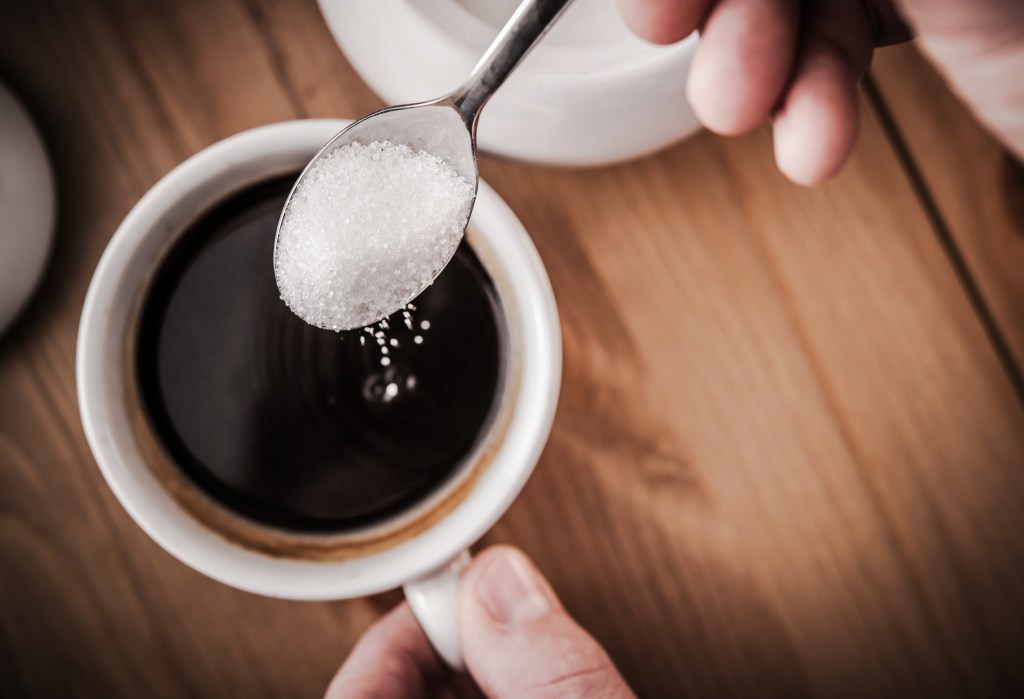
Erythritol has a noticeable sweetness and cooling effect that can be overwhelming in excess, which makes it a better sugar substitute for sweetening beverages and in low-sugar baking.
The texture of granulated erythritol and allulose is also similar to sugar and can be used for the same purposes. However, erythritol may not dissolve or caramelize as well as allulose.
Additionally, those sensitive to alternative sweeteners may benefit from choosing allulose, as it’s less likely to lead to intestinal issues such as diarrhea, stomach pain, or bloating.
Key takeaways
- Allulose and erythritol are natural sweeteners with minimal calories and zero glycemic impact.
- Allulose melts and caramelizes like sugar, making it ideal for baked goods.
- Erythritol is better suited for beverages or low-sugar recipes but can have a cooling effect.
- Both sweeteners can help reduce sugar intake, manage blood sugar, and support low-carb or diabetic diets.
- Large amounts of either sugar alternative may cause bloating, gas, or mild gastrointestinal upset.
FAQ
1. Is allulose better for you than erythritol?
No, allulose and erythritol are both good alternatives to table sugar. These natural sweeteners are rated zero on the glycemic index, which means they don’t spike blood sugar or insulin levels.
While erythritol can promote oral health, allulose may reduce the risk of fatty liver disease and buffer the effects of carbohydrates on blood sugar.
2. What is the downside of allulose?
Though it’s generally well tolerated, consuming large amounts of allulose can lead to gastrointestinal issues such as bloating, gas, and discomfort.
3. What is the downside of erythritol?
Erythritol can irritate the gastrointestinal tract when consumed in excessive amounts. Additionally, erythritol has a noticeable cooling effect, which may be off-putting or unsuitable for recipes that require a lot of sugar.
4. Is allulose hard on the liver?
No, allulose isn’t hard on the liver because it isn’t metabolized and is excreted in urine unchanged. Using allulose instead of sugar may lower the risk of fatty liver disease by reducing visceral and liver fat.
5. Which is better, erythritol or allulose?
Whether erythritol or allulose is better depends on the desired use. Erythritol has a stronger taste and cooling effect that can quickly overpower a sugary recipe. However, it’s a great sweetener for tea and coffee.
Allulose is generally recommended for baking as it melts and caramelizes similarly to sugar and can be used at a one-to-one ratio in most recipes.
6. Can I replace erythritol with allulose?
Yes, you can replace erythritol with allulose. However, allulose is slightly less sweet than erythritol, and you may have to adjust the quantity to achieve the desired sweetness.


