


At a glance
Nitric oxide is a key signaling molecule that relaxes blood vessels, improves circulation, and supports sexual functions. Viagra works by prolonging the effects of nitric oxide, which helps maintain an erection. Supporting nitric oxide naturally with a nutrient-rich diet, exercise, and healthy lifestyle choices may enhance Viagra’s effectiveness.
Nitric oxide and Viagra—what’s the connection?
Viagra and nitric oxide work together to promote erections by helping widen blood vessels and increasing blood flow to the penis.
Discover how supporting nitric oxide production through diet and lifestyle choices may support and potentially enhance the effects of Viagra.
What is nitric oxide?
Nitric oxide is a signalling molecule that plays a vital role in regulating blood vessel dilation, facilitating nerve impulse transmission, and maintaining circulatory health.
This critical compound is also found in certain immune cells, where it serves as a defense molecule against pathogens and triggers the death of cells displaying abnormal behavior.
The body produces nitric oxide by converting the amino acid L-arginine into nitric oxide with the help of the enzyme nitric oxide synthase.
The release of nitric oxide signals an enzyme called guanylate cyclase to produce cyclic guanosine monophosphate (cGMP), which helps smooth muscle cells relax. This allows blood vessels to widen and improves blood flow without requiring an increase in heart rate.
Because nitric oxide is a gaseous molecule, it reacts quickly with oxygen and other volatile compounds such as free radicals, which limits its lifespan to just a few seconds.
Dietary nitrates can also be converted into nitric oxide by probiotic bacteria residing in the mouth, which metabolize nitrates into nitrites that the body can then transform into nitric oxide.
Watch the video below to learn how to reverse erectile dysfunction naturally.
How nitric oxide affects blood flow
Nitric oxide is a potent vasodilator that helps relax the muscles in blood vessel walls, allowing them to widen. This widening improves blood flow throughout the body and helps regulate blood pressure.
Research published in Molecular Aspects of Medicine emphasizes the significance of nitric oxide in cardiovascular function, highlighting its role in protecting against hypertension, heart attacks, and coronary artery disease.
The authors summarize, “The cardioprotective roles of nitric oxide include regulation of blood pressure and vascular tone, inhibition of platelet aggregation, and prevention of smooth muscle cell proliferation.”
By dilating blood vessels and supporting overall circulatory health, nitric oxide enhances blood flow and oxygen delivery to tissues, including the penis, where increased circulation is crucial for achieving and maintaining an erection.
How Viagra works
Viagra is the brand name of the drug sildenafil, which has been approved by the Food and Drug Administration (FDA) to treat erectile dysfunction.
When a man becomes sexually aroused, the body naturally releases nitric oxide and subsequently cGMP, which relaxes blood vessels and increases blood flow to the penis in order to enable an erection.
Viagra and other erectile dysfunction medications, such as tadalafil, work by inhibiting the enzyme responsible for breaking down cGMP.
“By slowing this process, these medications allow cGMP to remain active longer,” explains Dr. Berg. “This keeps blood vessels relaxed, sustaining increased blood flow, and helping maintain an erection.”
Why nitric oxide levels decline with age
Nitric oxide production declines with age, often due to a combination of genetic predisposition, health status, and dietary and lifestyle factors.
The production of nitric oxide requires a range of nutrients, including the amino acid L-arginine, folate, and adequate amounts of dietary antioxidants.
As digestive functions often become less efficient with age, the absorption and utilization of these nutrients may decline, limiting the body’s ability to produce sufficient nitric oxide.
In addition, oxidative stress within the body appears to increase in older adults, which is believed to be linked to age-related metabolic changes and reduced cellular functions.
Because nitric oxide is a gaseous compound, its highly reactive and elevated levels of free radicals, a hallmark of increased oxidation within the body, can inactivate nitric oxide more quickly, reducing both its availability and effectiveness.
In addition, evidence published in the Journal of Geriatric Cardiology highlights that older adults are more likely to have health problems that can diminish nitric oxide production, such as dysfunctional blood vessel walls, metabolic imbalances, diabetes, and hypertension.

Lifestyle factors that influence nitric oxide
Lifestyle choices and dietary habits play a major role in the body’s ability to produce nitric oxide. Certain behaviors and nutrients support the production of this essential compound, while others interfere with its synthesis and reduce its overall availability.
Here are three lifestyle factors that influence nitric oxide.
1. Smoking
Smoking is a significant contributor to oxidative stress and the generation of free radicals due to the toxins and reactive chemicals in tobacco smoke.
These free radicals rapidly inactivate nitric oxide and can damage the endothelial cells responsible for its production, leading to impaired blood vessel function and reduced nitric oxide availability.
This likely explains why smokers are at a significantly increased risk of developing erectile dysfunction compared to non-smokers, as highlighted in a study published in Andrologia.
2. Dietary habits
A diet high in sugars, refined carbohydrates, and processed foods has been linked to an increased risk of impaired erectile function.
These foods contribute to inflammation and constant blood sugar fluctuation, which is linked to poor metabolic health and insulin resistance, characterized by the body’s inability to regulate glucose balance.
Insulin resistance often impairs nitric oxide release, as chronically elevated blood sugar levels can damage endothelial cells and reduce the activity of the enzyme needed to produce nitric oxide.
In contrast, a diet rich in minimally processed and nutritious whole foods provides essential nutrients and antioxidants that support optimal blood vessel function and nitric oxide production.
3. Activity levels
Evidence published in The Journal of Sexual Medicine found that active individuals are at a lower risk of erectile dysfunction than men with a sedentary lifestyle.
The authors discuss that exercise enhances the body’s capacity to produce nitric oxide and helps support blood vessel integrity, two critical factors in achieving and maintaining an erection.
The benefit for nitric oxide production is particularly linked to aerobic exercises, such as brisk walking, cycling, or swimming. These activities increase blood flow and promote endothelial health, thereby enhancing nitric oxide production throughout the vascular system.
Food sources that support nitric oxide production
Several foods can support nitric oxide production, either directly by supplying nitrates that the body converts into nitric oxide or indirectly by providing the amino acids and antioxidants necessary for its synthesis and effectiveness.
Here are the best foods to support nitric oxide production.
1. Nitrate-rich vegetables
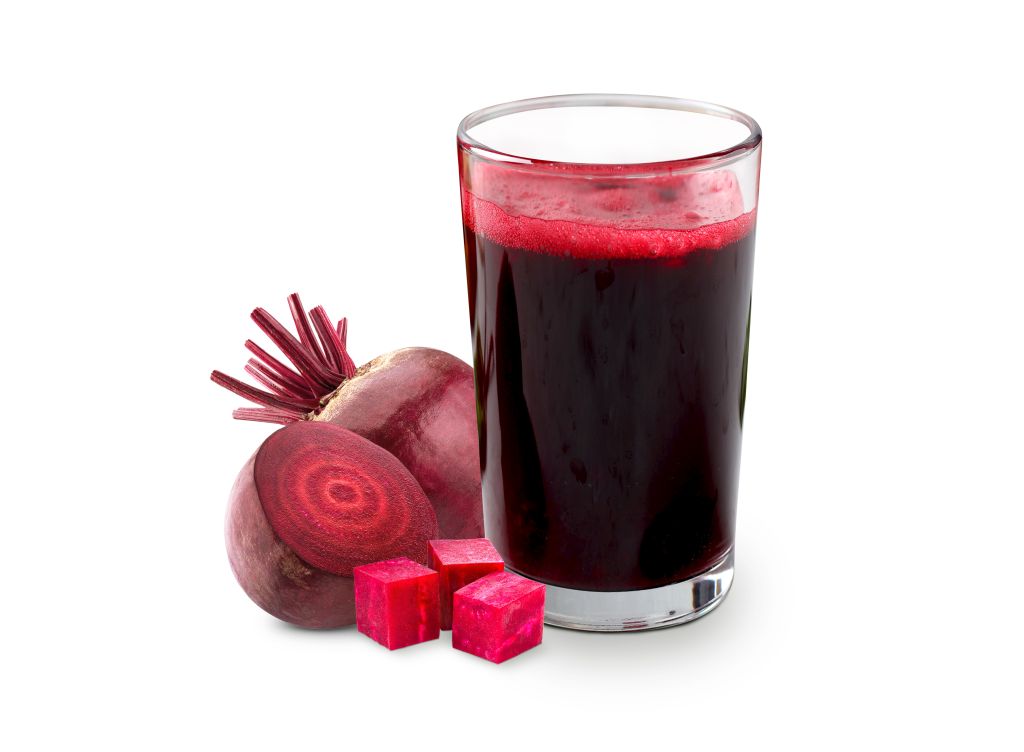
Beet root and beet juice are among the most concentrated sources of dietary nitrates, and research published in Critical Reviews in Food Science and Nutrition found that intake of beet root has been linked with a significant increase in nitric oxide levels.
Other nitrate-rich foods include:
- Green leafy vegetables, such as arugula, kale, and spinach
- Leeks
- Parsley
- Celery
- Radishes
- Fennel
- Cucumber
It’s important to note that certain processed meats, such as bacon, deli meats, and hot dogs, are often treated with nitrates to preserve color and prevent bacterial growth. However, these foods are associated with various health risks, making them an unsuitable option for supporting healthy nitric oxide levels.

2. Amino acid-rich foods
Effective nitric oxide production relies on adequate levels of the amino acid L-arginine found in a wide range of protein-rich foods.
Some of the best sources of L-arginine include:
- Red meat
- Poultry
- Fish and seafood
- “Best Dairy Products for Clean Keto Success | Dr. Berg.” drberg.com. https://www.drberg.com/blog/best-and-worst-dairy-milk-product
- Nuts and seeds
The relationship between amino acid availability and nitric oxide production may help explain why very low-protein diets have been linked to reduced nitric oxide levels and related health issues, as reported in a study published in Clinical and Experimental Nephrology.
3. Antioxidant-rich foods
Because nitric oxide is highly reactive and can be quickly inactivated by free radicals, maintaining adequate concentrations of cellular antioxidants is critical for supporting its effectiveness.
Nitric oxide operates both within cells and outside of cells and therefore depends on the presence of both water- and fat-soluble antioxidants, including vitamins C and E, as well as selenium, copper, manganese, flavonoids, and polyphenols.
This highlights the importance of consuming a wide variety of minimally processed foods to provide the nutrients that support antioxidant defenses and help preserve nitric oxide activity.
Some of the most concentrated sources of dietary antioxidants include:
- Leafy green vegetables
- Berries
- Lemons and limes
- Nuts and seeds
- “Turmeric and Ginger for Sexual Health | Dr. Berg.” drberg.com. https://www.drberg.com/blog/turmeric-and-ginger-benefits-sexually
- Onions and garlic
- Dark chocolate
- Green tea

Important safety considerations
Supporting optimal nitric oxide production through beneficial dietary and lifestyle choices can promote male sexual health and may help support the effects of Viagra and other erectile dysfunction drugs.
However, it’s vital to discuss significant dietary changes with a doctor, especially if you are taking nitrate medications, which are often prescribed for heart conditions, as this may increase the risk of side effects.
Combining excessive intake of dietary nitrates with Viagra can lead to overproduction of nitric oxide and dangerously low blood pressure.
It’s also important to seek medical care immediately if you experience severe dizziness, fainting, chest pain, or a prolonged and painful erection after taking Viagra, as these symptoms indicate serious complications.
Key takeaways
- Nitric oxide is a gaseous molecule that relaxes blood vessels and improves blood flow, two critical factors for achieving and maintaining erections.
- Viagra prolongs the effects of nitric oxide by blocking the breakdown of cGMP, a nitric oxide-related molecule, which helps sustain an erection.
- Nitric oxide production declines with age, often due to poor digestive functions, increased risk of nutrient deficiencies, oxidative stress, and vascular changes.
- Regular exercise, quitting smoking, and prioritizing nitrate-rich vegetables, high-quality protein, and antioxidants can support optimal nitric oxide production.
- Naturally boosting nitric oxide support may enhance erectile function, and can help support the benefits of Viagra for erectile function.
FAQ
- 1. Does Viagra increase nitric oxide?
- 2. Can lifestyle changes boost nitric oxide?
- 3. What foods help increase nitric oxide?
- 4. Does boosting nitric oxide have similar effects to Viagra?
Sources
- Naseem KM. The role of nitric oxide in cardiovascular diseases. Mol Aspects Med. 2005;26(1-2):33-65. doi:10.1016/j.mam.2004.09.003 https://pubmed.ncbi.nlm.nih.gov/15722114/
- Torregrossa AC, Aranke M, Bryan NS. Nitric oxide and geriatrics: Implications in diagnostics and treatment of the elderly. J Geriatr Cardiol. 2011;8(4):230-42. https://pmc.ncbi.nlm.nih.gov/articles/PMC3390088/#s6
- Kovac JR, Labbate C, Ramasamy R, Tang D, Lipshultz LI. Effects of cigarette smoking on erectile dysfunction. Andrologia. 2015;47(10):1087-92. https://pmc.ncbi.nlm.nih.gov/articles/PMC4485976/
- “404_PAGE.” academic.oup.com. https://academic.oup.com/jsm/article/20/12/1369/7301709
- “404_PAGE.” tandfonline.com. https://www.tandfonline.com/doi/full/10.1080/10408398.2020.1746629
- Kumagai H, Kikuchi Y, Kumeta N, Kimura M, Sakai T. Low protein diet exacerbates NO synthase inhibitor-induced hypertension in rats. Clinical and Experimental Nephrology. 1999;3(1):34-40. https://link.springer.com/article/10.1007/s101570050006?error=cookies_not_supported&code=821f190b-5d36-4445-b7a5-b05ae2531d9f
Related Articles
-
Fasting Hunger Waves: How to Ride Them Out
 Diet
DietFasting Hunger Waves: How to Ride Them Out
At a glance Intermittent fasting may support weight loss, fat burning, and metabolic health by lowering insulin levels and shifting the body toward using fat stores for fuel. Fasting hunger…09/10/2026 -
Why You Crave Carbs and How to Reduce Cravings
 Nutrition
Why You Crave Carbs and How to Reduce Cravings
At a glance Carb cravings are often influenced by blood sugar regulation, hormone activity, and nutrient status. These cravings are not always driven by hunger and may reflect underlying metabolic…07/16/2026 -
Why You Feel Hungry: The Role of Hunger Hormones
 Keto
KetoWhy You Feel Hungry: The Role of Hunger Hormones
At a glance Hormones are chemical messengers that regulate appetite, satiety, and energy homeostasis. Key hunger hormones, such as ghrelin, leptin, and insulin, signal when to eat and when to…05/15/2026 -
Craving Chocolate? Here’s What It Could Mean
 Deficiencies
Craving Chocolate? Here’s What It Could Mean
At a glance Regular chocolate cravings may signal estrogen imbalances, elevated cortisol levels, or depleted magnesium stores. Choosing organic dark chocolate with higher cacao content can help satisfy cravings while…04/03/2026 -
Why Am I Feeling Weak and Shaky? 7 Possible Causes
 Health concerns
Why Am I Feeling Weak and Shaky? 7 Possible Causes
At a glance Feeling weak and shaky can indicate poor blood sugar regulation, dehydration, electrolyte imbalances, or nutrient deficiencies, which can disrupt normal energy production, nervous system signaling, and muscle…03/12/2026 -
How Estrogen Levels Change During Menopause
 Health concerns
How Estrogen Levels Change During Menopause
At a glance Estrogen levels fluctuate before menopause and decline after a woman’s final period, shaping how the body functions during midlife and beyond. These changes can trigger common menopausal…03/06/2026 10.4k views -
What Is Polycystic Ovarian Syndrome (PCOS)?
 Health concerns
What Is Polycystic Ovarian Syndrome (PCOS)?
At a glance Polycystic ovarian syndrome (PCOS) is a hormonal condition characterized by immature ovarian follicles that can disrupt ovulation, menstrual cycles, and fertility. The condition is closely linked to…03/06/2026 42.3k views -
Iodine Deficiency and Ovarian Cysts: Is There a Connection?
 Health concerns
Iodine Deficiency and Ovarian Cysts: Is There a Connection?
At a glance Iodine deficiency has been linked to the development of ovarian cysts due to its effects on thyroid function, hormonal balance, and follicle development. Adequate iodine levels support…02/20/2026 52.6k views -
Dark Spots on Skin: Causes and Natural Remedies
 Health concerns
Dark Spots on Skin: Causes and Natural Remedies
At a glance While dark spots on skin are a normal part of aging, they may also reflect poor lifestyle and dietary habits, and can be improved with targeted changes.…01/22/2026 6.5k views -
The Best Tips for a Heavy Period or Menstrual Cycle
 Health concerns
The Best Tips for a Heavy Period or Menstrual Cycle
At a glance Painful, heavy menstrual periods are often linked to estrogen dominance influenced by high-carbohydrate diets, dairy intake, and hormonal contraceptives. Adopting a ketogenic diet, consuming targeted nutrients, and…01/16/2026 7.1k views


