

At a glance
The best cooking oils offer different advantages depending on how they are used in the kitchen. Factors such as smoke point, fatty acid composition, flavor, and processing method can all influence which oil is best suited for a particular recipe. Understanding these differences can help you choose cooking oils that align with your culinary needs and preferences.
When selecting an oil for cooking, there are a variety of factors that must be taken into consideration before a choice is made.
High-heat cooking methods such as deep frying, roasting, and searing require oils that remain stable when exposed to elevated temperatures. Oils with a higher smoke point and greater resistance to oxidation are generally better suited for these cooking techniques.
Let’s take a closer look at the best cooking oils for high-heat cooking when following a healthy diet, as well as how to choose the option that best fits your needs.
What are cooking oils?
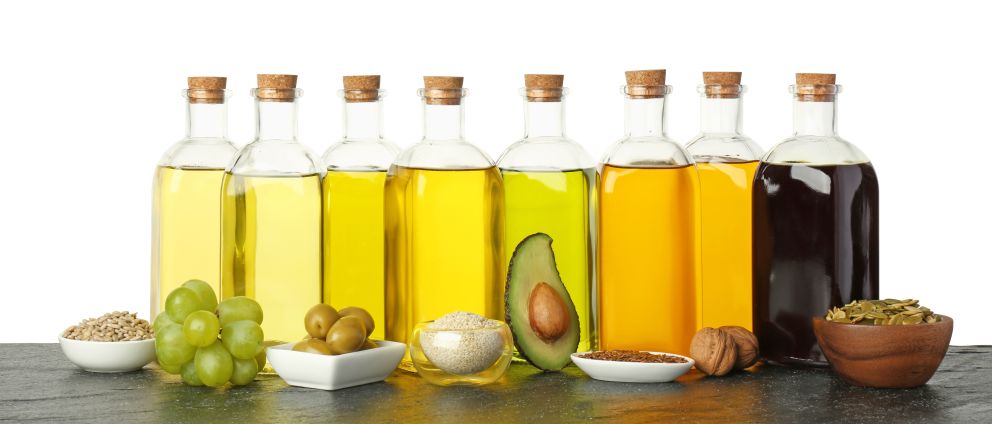
Cooking oils are fats extracted from plants, seeds, nuts, fruits, or sometimes animals, and are commonly used for roasting, sautéing, baking, and other food preparation.
Their composition varies considerably, with different oils containing different proportions of saturated, monounsaturated, and polyunsaturated fats.
Cooking oils also differ in their smoke points, the temperatures at which they begin to break down and produce visible smoke.
These characteristics can influence which oils are better suited for high-heat cooking methods, such as frying and searing, and which are more commonly used in dressings, marinades, and other low-heat applications.
Watch the video below to learn which cooking oil may be best to avoid.
Cold-pressed oils vs. refined oils
Cold-pressed oils are extracted without the use of excessive heat and often retain more of their natural pigments, aromatic compounds, and flavor characteristics.
As a result, they typically have a richer taste and more closely reflect the qualities of their original source.
While some cold-pressed oils are best suited for dressings and low-heat applications, others, such as avocado oil, can be used for higher-temperature cooking.
Refined oils undergo additional processing to create a more neutral flavor and longer shelf life, which is one reason they’re commonly used in commercial frying and large-scale food production.
However, this processing can reduce naturally occurring compounds such as antioxidants and plant pigments that contribute to the oil’s overall composition.
When reading labels, terms such as “cold-pressed,” “unrefined,” and “extra virgin” generally indicate less processing, while oils labeled simply as vegetable oil, soybean oil, corn oil, or canola oil are often refined unless otherwise specified.
Five best healthy cooking oils for high heat
The quality and composition of a cooking oil can affect how well it performs during food preparation, particularly at high temperatures.
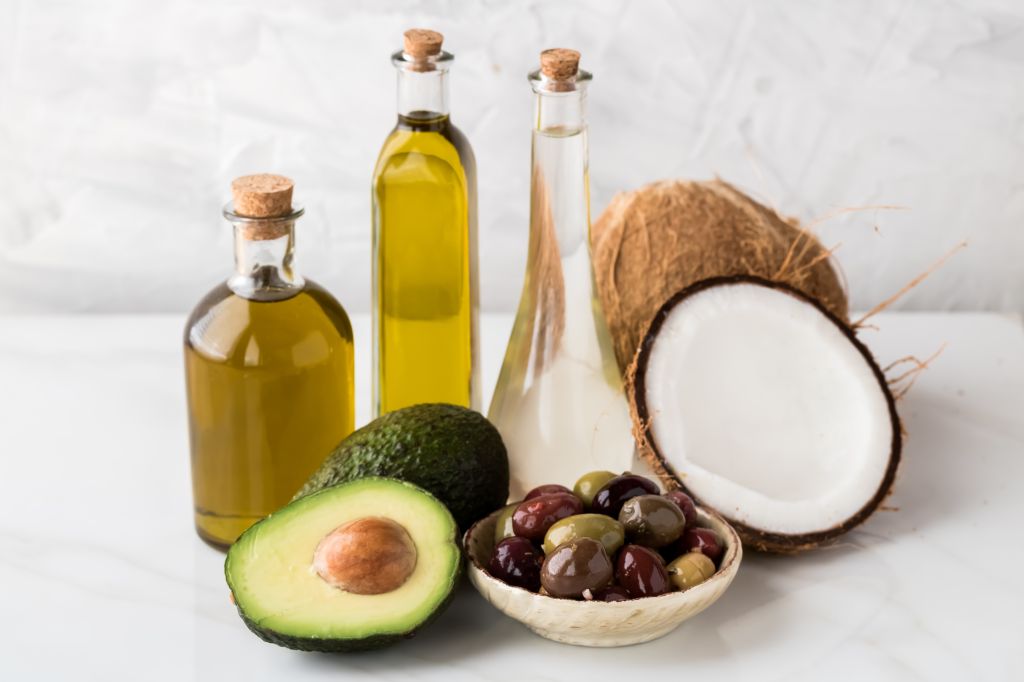
Let’s take a closer look at five of the best cooking oils and the unique characteristics that make them a healthier alternative.
1. Ghee
Ghee is a type of clarified butter made by slowly heating butter to remove most of its water and milk solids, leaving behind concentrated butterfat.
This process gives ghee a rich, nutty flavor and makes it more stable during cooking than regular butter. While butter has a relatively low smoke point and can be difficult to use in many kinds of cooking, ghee can serve as a great alternative.
“Because the milk solids have been removed, ghee has a high smoke point of approximately 250°C (482°F) and can be used for sautéing, roasting, pan-frying, and other high-heat cooking methods without burning as quickly,” explains Dr. Berg. “This cooking oil also contains naturally occurring fat-soluble vitamins, including vitamins A, D, E, and K.”
Ghee is commonly used in Indian and Middle Eastern cuisine, but its rich flavor pairs well with a wide variety of foods, including vegetables, eggs, seafood, and meat.
2. Avocado oil
Avocado oil is extracted from the flesh of avocados rather than the seed, giving it a fatty acid profile similar to that of olives. It’s particularly rich in monounsaturated fats, primarily oleic acid, and contains naturally occurring compounds such as vitamin E and plant sterols.
A study published in Foods found that “avocado oil has a characteristic flavor and a high smoke point that is above 250°C.”
This combination of taste and excellent heat tolerance makes avocado oil well-suited for cooking methods that involve elevated temperatures, including grilling and searing.
The avocado oil’s mild flavor also makes it a versatile option for marinades, salad dressings, and homemade sauces that won’t overpower other ingredients.

3. Beef tallow
Beef tallow is a rendered fat made from beef, typically sourced from the fatty tissue surrounding the kidneys and other cuts of cattle.
Its fatty acid composition includes a combination of saturated and monounsaturated fats, which help stabilize it during high-heat cooking methods such as roasting and frying.
Research published in Molecules determined that heating beef tallow to approximately 150°C (302°F) for about 32 minutes produced the most favorable flavor and aroma profile.
Beef tallow also contains naturally occurring fat-soluble vitamins and small amounts of conjugated linoleic acid (CLA), a fatty acid found in beef and other ruminant animal products.
Its robust, savory taste complements a variety of foods, including roasted vegetables, potatoes, burgers, and steaks.
4. Coconut oil
Derived from the meat of mature coconuts, coconut oil is widely used in both cooking and baking due to its distinctive flavor.
Unlike most plant-based oils, coconut oil is composed primarily of saturated fats, with medium-chain triglycerides (MCT) accounting for a significant portion of its fatty acids.
Its naturally high saturated fat content gives coconut oil a solid texture at room temperature and contributes to its heat tolerance during cooking.
A study published in Bioprocess and Biosystems Engineering found that “unrefined coconut oil reaches its smoking point at a temperature of 170°C while refined coconut oil reaches its smoking point at 232°C.”
This difference in smoke points is important to consider when selecting a coconut oil for cooking. Coconut oil is a great option for adding flavor to a variety of dishes.
5. Extra-virgin olive oil
Extra-virgin olive oil (EVOO) is obtained from fresh olives through mechanical extraction methods that preserve many of the naturally occurring compounds found in the fruit.
EVOO is rich in monounsaturated fats and contains polyphenols, a group of plant compounds that contribute to its characteristic peppery flavor and varying levels of bitterness.
According to the U.S. Department of Agriculture (USDA), olive oil has a smoke point of approximately 210°C (410°F), making it suitable for a variety of cooking methods.
Furthermore, EVOO’s distinctive flavor and versatility make it a popular choice for drizzling over vegetables and incorporating into dips and dressings.

Which option is best for you?
The best cooking oil ultimately depends on your preferred cooking methods, flavor preferences, and dietary goals.
While all five options can be used in the kitchen, each offers distinct characteristics that may make it more suitable for certain applications.
For high-heat cooking, avocado oil, ghee, beef tallow, and coconut oil are often favored for their stability at elevated temperatures.
Those looking for a neutral flavor may prefer avocado oil, while ghee and beef tallow can add a richer taste to savory dishes.
EVOO is an excellent choice for dressings, dips, marinades, and many everyday cooking applications, particularly for those who enjoy its distinctive flavor.
Coconut oil may be especially appealing in baked goods and recipes where the subtle coconut flavor can complement other ingredients.
Key takeaways
- Different cooking oils have distinct essential fatty acid profiles that can influence their stability, flavor, and suitability for various cooking methods.
- Minimally processed oils and fats often retain more of their natural characteristics than heavily refined alternatives.
- Avocado oil, ghee, beef tallow, coconut oil, and extra-virgin olive oil are versatile options for a wide range of culinary applications.
- Choosing the right oil depends on factors such as cooking temperature, flavor preferences, and the specific recipe, making it helpful to keep more than one option on hand.
FAQ
- 1. What is the healthiest oil for high-temperature cooking?
- 2. What is the unhealthiest oil to cook with?
- 3. What’s healthier, avocado oil or canola?
- 4. What oils should be used for baking?


