

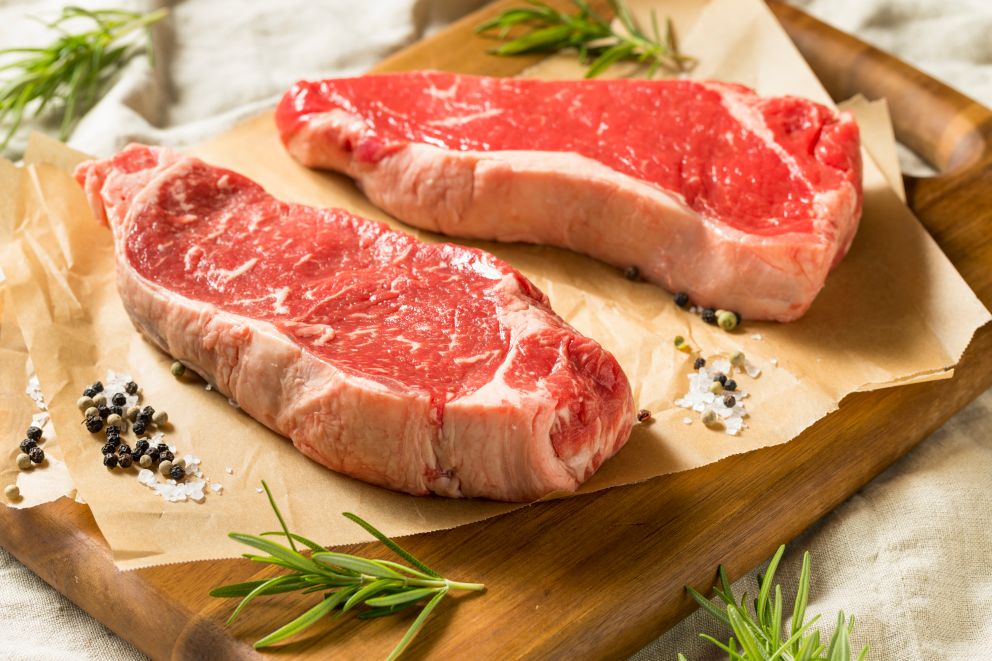
At a glance
Grass-fed and grain-fed beef differ in how cattle are raised and fed throughout their lives. These feeding practices can influence the nutritional characteristics, flavor, texture, and overall quality of the beef. Understanding these distinctions provides valuable context when comparing different beef products.
When it comes to choosing between grass-fed and grain-fed beef, price isn’t the only difference that should be taken into consideration.
The way cattle are raised and fed can influence the beef’s nutrient content, taste, texture, and the overall eating experience.
Understanding the key differences between grass-fed and grain-fed beef can help you make a more informed decision when shopping.
What is grass-fed beef?
Grass-fed beef comes from cattle that are raised primarily on grass, legumes like alfalfa and clovers, and other forage-based feeds rather than grain-based diets.
After weaning, these animals continue grazing on pasture and may also consume stored feeds such as hay during seasons when fresh grass is less available.
Because grass-fed cattle rely on a natural pasture diet and often spend more time outdoors, the beef develops characteristics that distinguish it from grain-fed beef.
Evidence published in Food Science of Animal Resources suggests that grass-fed beef is generally leaner than grain-fed beef and contains less total fat.
These differences in fat content can influence the types and amounts of fatty acids found in the meat.
Furthermore, products labeled “100% grass-fed” or “grass-finished” generally indicate that the cattle consumed only forage throughout their lives without being transitioned to grain during the finishing stage.
Watch the video below to learn more about the key differences between grass-fed and grain-fed beef.
What is grain-fed beef?
Grain-fed beef is sourced from cattle that are typically raised on pasture early in life before being transitioned to a grain-based diet during the finishing stage.
Grain-based feed often includes ingredients such as corn, wheat, soy, and other grains, some of which are genetically modified (GMO) and may be treated with herbicides during production.
Unlike grass and foraged food, grains aren’t a natural part of a cow’s diet.
Cattle that are fed grain in large amounts can end up producing beef with an altered fatty acid composition and may exhibit reduced levels of certain beneficial nutrients commonly found in grass-fed beef.
In addition, concerns have been raised about the widespread use of herbicides and pesticides in conventional grain production, as well as the environmental impact associated with intensive feedlot systems.
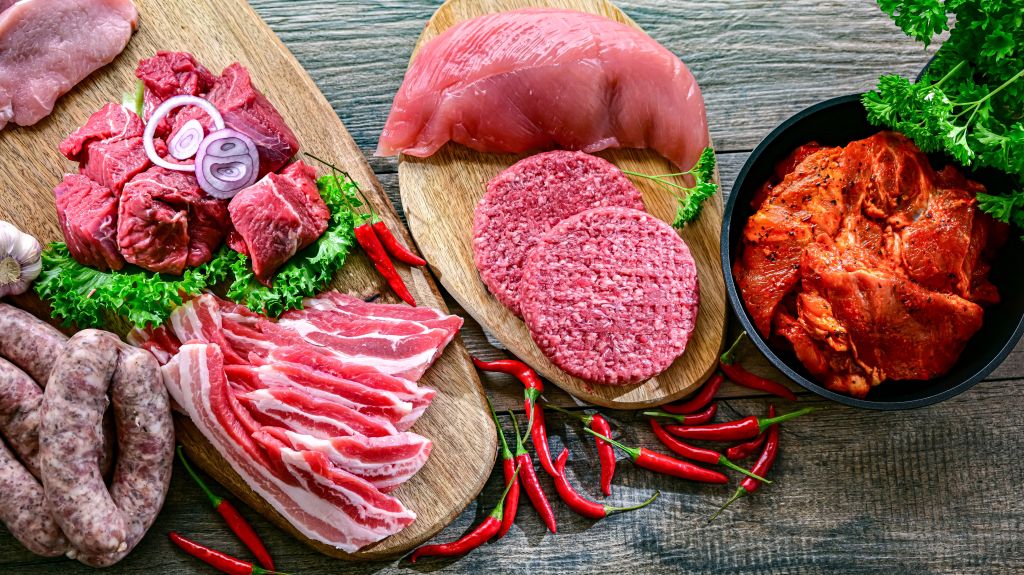
Grass-fed vs. grain-fed: what’s the difference?
The type of feed cattle consume can have widespread implications for the quality of their meat, including potential health benefits and nutritional profiles.
Let’s take a closer look at how feeding practices can shape beef’s overall characteristics.
Nutritional profile
Research published in the Nutrition Journal suggests that grass-fed beef may offer certain nutritional advantages compared to grain-fed beef.
Cattle raised on grass tend to produce beef with elevated levels of omega-3 fatty acids, conjugated linoleic acid (CLA), and antioxidants such as vitamin E and beta-carotene.
These nutrients support normal cellular function and help protect against oxidative stress. Grass-fed beef may also contain a more favorable fatty acid profile than grain-fed beef.
Grain-fed cattle are typically finished on concentrated feeds, which can alter the fatty acid composition of the red meat and reduce levels of certain nutrients.
Raising practices
Grass-fed and grain-fed cattle are often raised under different management systems.
Grass-fed cows typically spend more time grazing on pasture and getting exercise, which means they require a longer period to reach market weight.
On the other hand, grain-fed cattle are commonly finished in feedlots, where movement is restricted to prevent most physical activity, and concentrated feed promotes faster growth.
These differences can influence the amount of land, feed, and resources farmers require to produce beef, as well as factors like carcass size and meat quality.
For consumers who prioritize natural grazing practices and better quality of life for animals, these production methods may be an important consideration when evaluating beef quality.
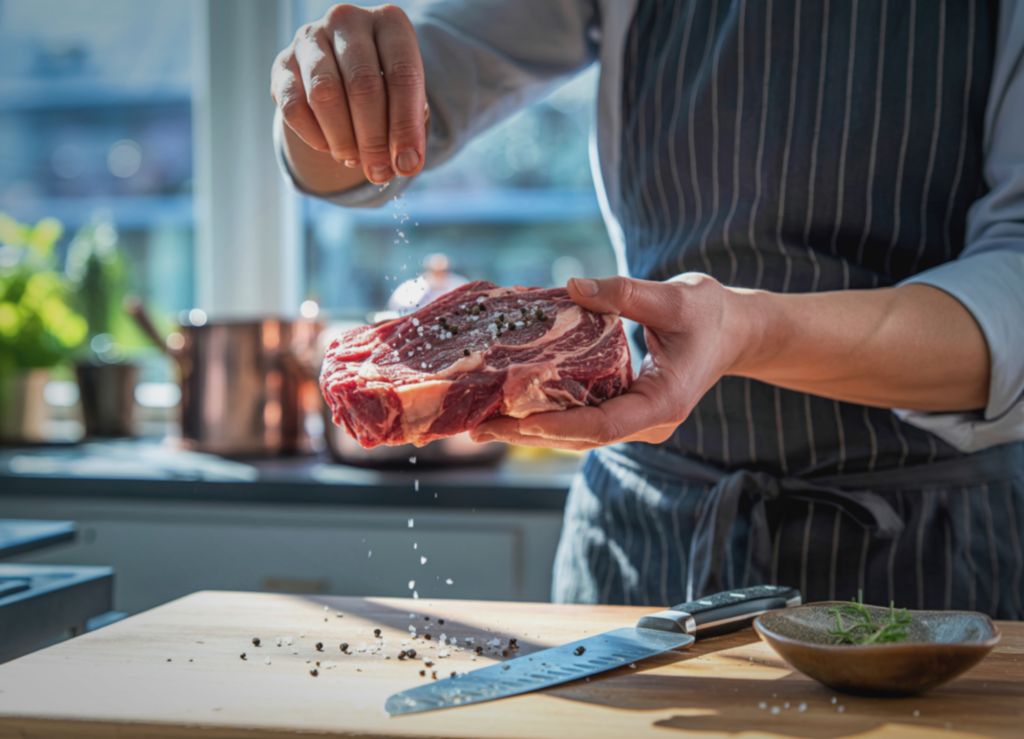
Taste and texture
Grass-fed and grain-fed beef differ noticeably in flavor and texture due to the animals’ diets.
Grass-fed beef, compared to grain-fed, is typically leaner and has a richer, more robust flavor. In contrast, grain-fed beef tends to be softer and milder in taste because of its higher fat content.
Raised on a grazing diet, grass-fed beef is often valued for its distinct flavor and firmer texture.
Cost and quality
Grass-fed beef is often more expensive than grain-fed beef because raising cattle on pasture requires more land and a longer production cycle.
In contrast, grain-finishing systems are designed to promote faster growth, helping lower production costs and retail prices.
Although grain-fed beef is typically more affordable, many consumers view grass-fed beef as the preferred choice.
For those who prioritize pasture-based farming practices and nutrient-dense foods, the added cost is often considered worthwhile.

How to choose quality beef
When shopping for beef, start by carefully reading the product label. Terms such as “100% grass-fed” or “grass-finished” indicate that cattle ate from a pasture and foraged for their entire lives.
Labels that simply say “grass-fed” do not guarantee that the animals were never transitioned to grain. Oftentimes, this label means the cattle were grass-fed early in their lives, but finished on grain-based feeds to fatten them up before slaughter.
It’s also helpful to evaluate the meat’s appearance. Fresh beef should have a vibrant color, a firm texture, and no signs of excessive liquid in the packaging.
Avoid heavily processed beef products that contain preservatives, artificial ingredients, added sugars, or other unnecessary additives.
Choosing minimally processed cuts allows you to better assess beef quality and omit ingredients that don’t contribute to its nutritional value.
Whenever possible, look for information about the farm or producer. Greater transparency about feeding practices, animal-raising methods, and sourcing can provide additional insight into the overall quality of beef.
Key takeaways
- Grass-fed beef comes from cattle raised primarily on pasture and foraged foods, while grain-fed cattle are typically finished on grain crops like corn, soy, and wheat.
- Compared to grain-fed beef, grass-fed beef tends to contain elevated levels of omega-3 fatty acids, CLA, and antioxidants, along with a more favorable fatty acid profile.
- Grass-fed beef is generally leaner and has a richer, more robust flavor, whereas grain-fed beef is often softer, milder, and higher in fat.
FAQ
- 1. Is grain-fed healthier than grass-fed?
- 2. Is grass-finished beef good for diabetics?
- 3. What are the top three healthiest meats to eat?
- 4. What are the unhealthiest types of meat to eat?


