

At a glance
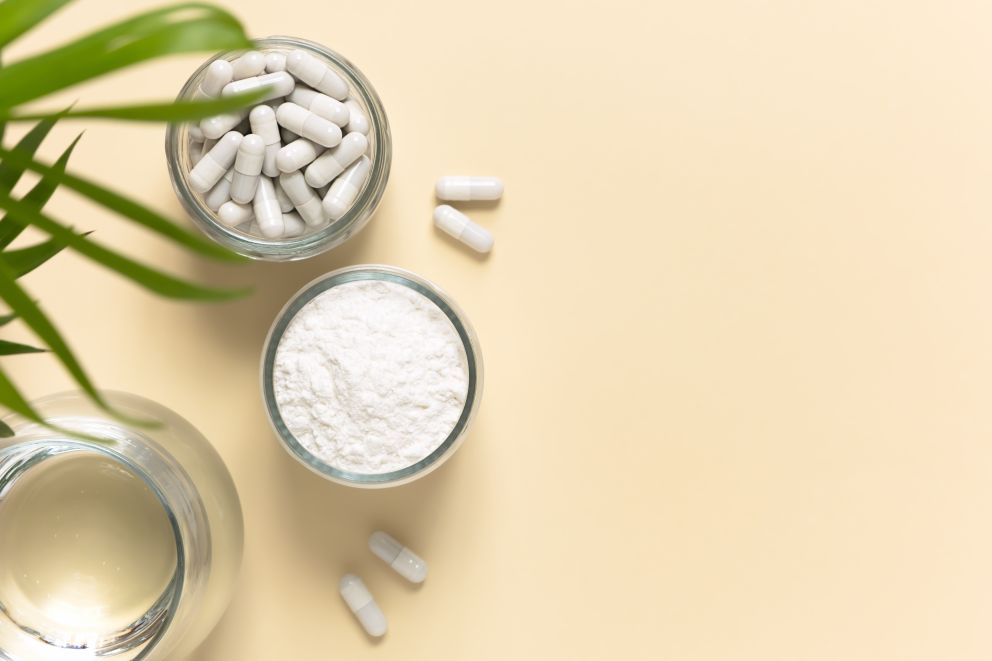
Electrolytes are essential minerals that support fluid balance, nerve and muscle function, and energy production. Electrolyte powders may be more efficient at supporting optimal mineral levels, while capsules are ideal options for convenience and portability. Knowing what to look for when choosing an electrolyte supplement can help you stay better aligned with your health and wellness goals.
Powder vs. capsule electrolyte supplements—what’s the difference, and is one better than the other?
Electrolytes are essential for fluid balance, muscle function, and electrical signaling throughout the body, and electrolyte supplements are widely used to support these physiological functions.
Discover key differences between electrolyte powders and capsules, and learn how to choose a product that best supports your goals.
What are electrolytes, and what do they do?
“Electrolytes are electrically charged minerals that facilitate nervous system functions, muscle contractions, and cellular energy generation,” explains Dr. Berg.
Essential electrolytes include sodium, potassium, magnesium, calcium, and chloride. These minerals help regulate the movement of fluids in and out of cells, support nerve signaling, and promote muscle functions.
Electrolyte depletion can increase with excessive sweating, which is common among endurance athletes or those who engage in frequent or intense exercise. This explains why maintaining optimal electrolyte levels is critical to support fluid balance and overall performance, particularly during hot weather or prolonged physical activity.
Electrolytes are naturally found in a variety of whole foods, including leafy green vegetables, avocados, nuts, seeds, wild-caught seafood, dairy, bone broth, and sea salt.
In addition, electrolyte capsules, powders, and sports drinks are widely available to support electrolyte intake and hydration when used in combination with a nutritious diet and adequate fluid intake.

What are powdered electrolyte supplements?
Powdered electrolyte supplements are designed to dissolve in water, creating a nutrient-rich beverage that helps support mineral balance.
They’re often sold in bulk containers or on-the-go single-serve packets that can be easily added to a water bottle for convenient electrolyte support on the go.
Because powder formulations aren’t limited by capsule size, they typically allow for higher mineral concentrations per serving, making them an efficient option for supporting fluid balance and electrolyte replacement.
These benefits help explain why electrolyte powders are a practical, easy-to-use option for supporting increased electrolyte needs and maintaining healthy hydration.
What are capsule electrolyte supplements?
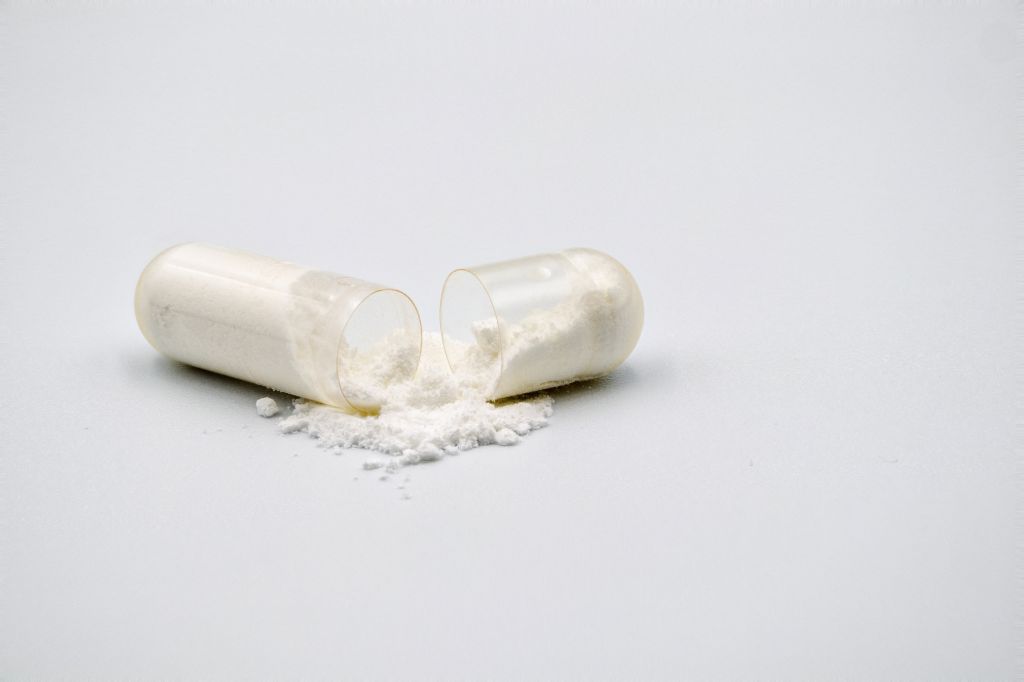
Capsule electrolyte supplements, also called electrolyte pills, typically contain a similar blend of minerals to powder formulations. However, they’re packaged in gelatin or plant-based capsules that are swallowed whole, usually with plain water.
Electrolyte pills are convenient, portable, and easy to take as they don’t require mixing or preparation. They also offer a convenient, pre-measured option for those who prefer not to mix electrolyte drinks or dislike their taste.
Because of their size, capsules typically contain smaller amounts of minerals per serving than powders. As a result, multiple capsules may be needed to match the mineral content of a single powder serving.

Powder vs. capsule electrolytes: how do they compare?
Both powdered and capsule electrolyte supplements can help support electrolyte balance, but each format offers distinct advantages.
Electrolyte powders are mixed directly into water, creating a mineral source that offers already dissolved nutrients at the time of consumption. This can support faster absorption and quicker benefits compared to capsules, which must first dissolve in the stomach before releasing their minerals.
Electrolyte pills offer a convenient way to obtain minerals, especially when traveling or a busy schedule makes mixing drinks impractical. They’re also excellent options for those who dislike the flavor of electrolyte drinks, which some may find too sweet or salty.
Regardless of the form, it’s important to consume enough water when taking electrolytes.
Research published in Pharmacy Practice suggests that when individuals take capsules or tablets, they may drink less water than recommended.
It’s also important to note that taking electrolyte capsules on an empty stomach or without adequate fluids may contribute to digestive discomfort and slower absorption.
In contrast, most powdered electrolytes are formulated to be mixed with a full serving of water. This helps ensure the minerals are evenly dispersed, supporting a more balanced intake of water and electrolytes.
Additionally, because electrolyte powders aren’t limited by capsule size, they often provide a higher mineral content per serving. This can make it easier, and potentially more cost-effective, to achieve your desired electrolyte intake than with capsules.
Overall, electrolyte powders may be better suited for those with higher electrolyte needs or a strong focus on hydration, while capsules may be more appealing for individuals who prioritize portability, simplicity, and taste neutrality.

How to choose an electrolyte supplement
Whether you opt for a powder or capsule format, it’s recommended to choose an electrolyte supplement that delivers high-quality ingredients and supports your lifestyle and hydration needs.
Here are three key factors to consider when selecting an electrolyte supplement.
1. Electrolyte concentrations
Many commercial sports drinks and electrolyte products are formulated to emphasize sodium while providing little to no potassium.
While maintaining healthy sodium levels is essential for supporting the body’s fluid balance, most diets already provide ample sodium while falling short of adequate potassium intake.
Research published in JAMA Internal Medicine revealed that, on average, restaurant meals provided 151 percent of the recommended daily sodium intake for adults, noting: “Only 1 percent of meals had less than 600 mg of sodium, the ‘healthy level’ for meals, according to the Food and Drug Administration (FDA).”
It’s especially important to maintain a balanced ratio of these minerals due to their core role in maintaining the sodium–potassium pump. This vital cellular mechanism supports nerve impulse transmission, muscle contraction, fluid balance, and nutrient absorption.
Therefore, it’s recommended to choose an electrolyte supplement with a potassium-to-sodium ratio around 1:1 to 4:1, depending on dietary sodium intake and activity level.
2. Nutrient bioavailability
Bioavailability refers to how easily a nutrient can be absorbed and utilized. Because pure elemental minerals are highly reactive, they’re typically bound to carrier molecules.
However, not all forms are equal, as many supplements use cheaper inorganic compounds that offer lower absorption rates and may cause digestive discomfort.
Therefore, it’s vital to choose an electrolyte supplement formulated with bioavailable mineral forms known for better absorption and tolerability.
Generally considered highly bioavailable and effective electrolyte minerals include:
- Magnesium glycinate
- Magnesium citrate
- Potassium citrate
- Calcium orotate
- Calcium citrate
- Calcium lactate
In addition, look for products that contain minimally processed sodium and chloride sources, such as Himalayan pink salt or sea salt.
This helps provide sodium chloride in its natural state while avoiding anti-caking agents and other synthetic additives commonly found in processed salts.

3. Avoid artificial ingredients and added sugars
Many electrolyte products, including most commercial sports drinks, contain added sugars, artificial ingredients, and unnecessary fillers such as dextrose, sucralose, aspartame, and maltodextrin.
These ingredients can spike blood sugar levels, disrupt microbial gut balance, and may negate the benefits of electrolyte supplementation by contributing to mineral depletion.
Additionally, preservatives such as sodium benzoate and potassium sorbate have been linked to potential side effects, including allergic reactions, impaired cognitive function, and possibly mutagenic effects on DNA.
It’s recommended to choose products that prioritize recognizable ingredients and are free from added sugars and artificial additives.
If you prefer sweetness, look for products that use natural sugar alternatives such as stevia, monk fruit, or allulose.
Key takeaways
- Electrolyte minerals support nerve signaling, muscle contraction, and fluid balance.
- Powdered electrolyte supplements dissolve in water and typically deliver higher mineral concentrations while naturally encouraging fluid intake.
- Capsule electrolytes offer portability and convenience but often contain smaller doses and require digestion before minerals are released.
- Choose electrolyte formulas with well-absorbed minerals that support normal hydration needs without added ingredients that may interfere with electrolyte utilization.
FAQ
- 1. What is the best form of electrolytes to take?
- 2. Do powder or capsule electrolyte supplements contain more sugar?
- 3. What is the main difference between powdered and capsule electrolytes?
- 4. Do capsule electrolytes require more servings?
- 5. Who should not use electrolyte powder?