

At a glance
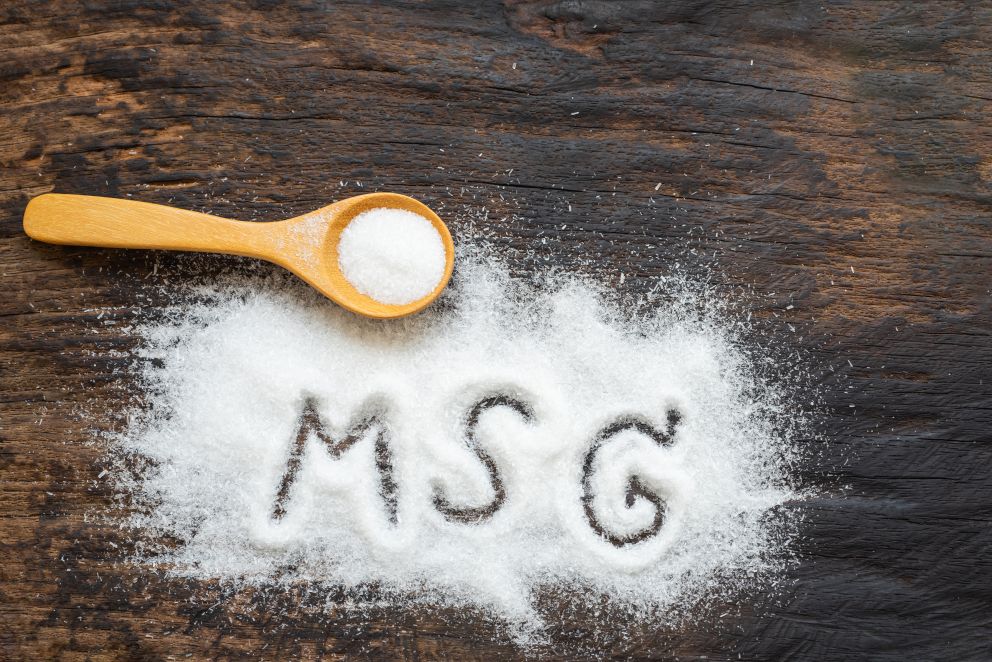
Monosodium glutamate (MSG) is a flavor enhancer that provides a distinct umami taste and is widely used in processed and restaurant foods. While generally recognized as safe, MSG can trigger symptoms such as headaches, flushing, heart palpitations, or nausea in sensitive individuals, and should best be avoided.
What is MSG, and is it harmful?
Monosodium glutamate (MSG) is a flavor enhancer that offers a distinct umami flavor. While widely used in processed and restaurant foods, it has been linked to symptoms such as headaches, flushing, or heart palpitations.
Learn why you should avoid MSG and discover natural alternatives that deliver rich, savory flavor without relying on added flavor enhancers.
What is MSG? (monosodium glutamate)
Monosodium glutamate, also known as monosodium l-glutamate, is a widely used additive that acts as a flavor enhancer, giving many foods a rich, savory taste known as umami.
MSG is derived from glutamic acid, a naturally occurring amino acid found in various vegetables and protein-rich foods, and is commonly added by food manufacturers to improve flavor in processed food products.
This common food additive is generally produced through a fermentation process in which bacteria convert sugars—often derived from sugar cane or sugar beets—into glutamic acid. The glutamic acid is then combined with sodium to form monosodium glutamate.
Additionally, glutamic acid can be obtained by breaking down and processing various protein isolates, such as those derived from soy or wheat.
The end result is a crystalline substance that can be directly added to foods, diluted into a liquid seasoning, or incorporated into processed products.
Watch the video below to discover the surprising health effects of MSG.
Where is MSG commonly found?
MSG is relatively inexpensive to produce and provides a strong umami flavor, which is often associated with Chinese food. Because of this intense flavor, MSG is commonly added to a wide range of packaged and processed foods.
Foods commonly seasoned with MSG include:
- Chinese and other Asian-style restaurant foods
- Ready-made soups, sauces, fried rice, and stir-fries
- Instant noodles and snack foods
- Frozen meals
- Plant-based meat alternatives
- Processed meats like sausages, hot dogs, and deli meats
- Salad dressings and condiments, including soy sauce, teriyaki, and oyster sauce

Potential health effects of MSG
Although the Food and Drug Administration (FDA) has declared MSG as a food additive that’s generally recognized as safe (GRAS), many individuals experience adverse effects when consuming this flavor enhancer.
This collection of symptoms is sometimes referred to as “Chinese restaurant syndrome” or “MSG symptom complex” and often includes headaches, migraines, flushing, heart palpitations, and high blood pressure.
These effects are largely linked to MSG’s high glutamic acid content. Glutamic acid acts as an excitatory neurotransmitter, meaning it can directly interact with receptors in the nervous system.
When consumed in large quantities, MSG can lead to overactivation of these receptors, increasing neuronal firing and contributing to symptoms such as headaches, tingling, and changes in body temperature.
In addition, MSG has been found to affect the hypothalamus, a brain region involved in appetite regulation and energy balance. Enhanced hypothalamic stimulation may promote increased food intake and cravings, which can lead to weight gain and associated health issues.
Furthermore, research published in the Journal of Experimental and Clinical Sciences evaluated various studies investigating potential health risks associated with frequent MSG intake.
The authors summarize, “The toxic effects of monosodium glutamate (MSG) include central nervous system disorder, obesity, disruptions in adipose tissue physiology, hepatic damage, and reproductive malfunctions.”
Because MSG is a flavor enhancer that makes foods highly palatable, it may also contribute to overconsumption of processed foods.
Because MSG adds strong flavor to foods, many people use it to reduce their sodium intake by using it instead of table salt. However, this can be misleading, as MSG is often added to highly processed foods that already contain significant amounts of sodium, potentially resulting in a higher overall sodium intake.
How MSG compares to naturally occurring glutamates
Industrially manufactured MSG contains the sodium salt of glutamic acid, a nonessential amino acid that also occurs naturally in many whole foods.
Foods naturally rich in glutamates include:
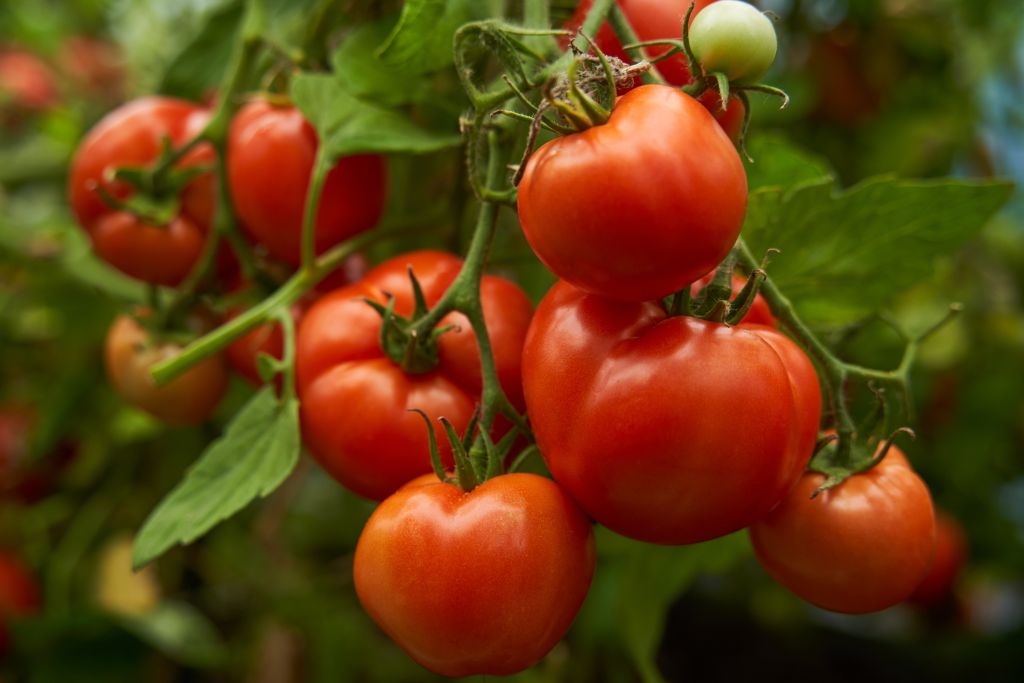
- Tomatoes
- Spinach
- Broccoli
- Mushrooms, such as shiitake and porcini
- Fish and seafood, especially anchovies and sardines
- Aged cheeses such as Parmesan, cheddar, and Swiss
- Seaweed
- Fermented soy sauce and miso
- Soybean sprouts
Compared to MSG, the glutamic acid in foods is bound to proteins and released gradually during digestion. This results in slower glutamate absorption and a more moderate physiological response, explaining why consuming even large amounts of these foods isn’t associated with the same effects as MSG.
In contrast, isolated MSG provides a concentrated source of free glutamic acid. This can cause rapid increases in plasma glutamate levels, which can quickly overstimulate glutamate receptors and trigger associated symptoms.
Whole food sources of glutamates also deliver a wide range of beneficial nutrients that support metabolic health, whereas processed foods formulated with MSG are often low in nutritional value and more likely to contain refined ingredients and synthetic additives.

Tips to avoid MSG
MSG is widely used as a flavor enhancer in many processed and restaurant foods, making it easy to consume this additive without realizing it.
Here are four practical tips to avoid MSG.
1. Carefully read product labels
Because consumers are increasingly aware of the potential health risks associated with MSG intake, the food industry has responded by making it harder to spot this ingredient.
This makes it crucial to carefully read ingredient lists as MSG may appear under different names such as monosodium glutamate, yeast extract, hydrolyzed proteins, glutamic acid (E620), sodium caseinate, calcium caseinate, or textured protein.
2. Prioritize whole foods
MSG is commonly found in a wide range of processed and packaged foods, which often contain not only this additive but also refined seed oils, added sugars, artificial colorings, and synthetic preservatives.
Therefore, focusing on minimally processed whole food options, such as leafy green vegetables, high-quality protein sources, nourishing fats, and organic dairy products, can significantly reduce your exposure to added MSG while providing essential nutrients that support overall health.

3. Cook at home
Preparing meals at home gives you full control over what goes into your dishes. Instead of relying on flavor enhancers, you can create satisfying flavors using herbs, spices, garlic, onions, and other whole ingredients.
If you enjoy umami—the fifth basic taste, alongside sweet, sour, salty, and bitter—you can naturally enhance it by incorporating mushrooms, tomatoes, aged cheeses, or seaweed into your meals.
Natural glutamate sources provide savory depth without the need for added MSG, making your meals both flavorful and nourishing.
4. Be prepared when eating out
If you enjoy eating Chinese food but want to avoid MSG, consider asking the restaurant whether their dishes contain added MSG or request that it be left out.
In addition, it’s best to opt for simpler preparation methods such as steamed, grilled, or stir-fried dishes with minimal sauces. You can also ask for sauces and seasonings on the side, giving you more control over the flavors while reducing exposure to additives.
Key takeaways
- MSG is a concentrated form of glutamic acid often used to enhance savory flavor in processed, packaged, and restaurant foods.
- Some individuals experience adverse reactions when consuming MSG, including headaches, flushing, sweating, or heart palpitations.
- Naturally occurring glutamates in whole foods are bound to proteins and released gradually, and aren’t associated with the same reactions as MSG.
- Avoiding processed foods, reading labels carefully, cooking at home, and making mindful choices when dining out can help significantly reduce MSG exposure.
FAQ
- 1. What does MSG stand for?
- 2. Does MSG occur naturally in foods?
- 3. Why do some people avoid MSG?
- 4. How can you identify MSG on food labels?