


At a glance
Urinary tract infections (UTIs) are common bacterial infections that can affect the bladder, urethra, or kidneys, often caused by E. coli entering the urinary tract. Factors such as poor hygiene, hormonal changes, and metabolic imbalance can increase risk. Many people turn to natural approaches, including hydration, probiotics, and dietary changes, to help maintain urinary health and microbial balance.
Urinary tract infections (UTIs) affect millions worldwide, with adult women being significantly more likely to develop these uncomfortable infections than men.
While conventional treatments often prescribe antibiotics, many people seek natural remedies for a UTI to support the body’s defenses without contributing to microbial imbalances.
Learn what causes a UTI and discover natural, food-based remedies that may help support urinary tract health and promote healing processes.
What is a UTI (urinary tract infection)?
A UTI is a common bacterial infection that can affect any part of the urinary system, including the kidneys, ureters, bladder, and urethra, impacting over 150 million people worldwide annually.
Most UTIs are caused by Escherichia coli (E. coli), a type of bacteria that normally resides in the gut. These bacteria can enter the urethra, which is the tube that carries urine out of the bladder, and travel upward into the bladder, where they can multiply and irritate the urinary lining.
Because women have a shorter urethra than men, bacteria have less distance to travel, making women more likely to develop UTIs.
While these infections often remain in the lower urinary tract, if left unaddressed or the body is unable to clear bacteria effectively, UTIs can worsen and affect the kidneys, potentially causing more serious health issues.
Watch the video below to discover the best natural remedy for a UTI.
UTI causes
Several lifestyle habits, hormonal fluctuations, and metabolic factors can increase the risk of a UTI by allowing infection-causing bacteria to enter or grow more easily within the urinary tract.
One of the most common risk factors is cross-contamination during sexual intercourse. The use of specific forms of birth control, such as diaphragms, cervical caps, or spermicides, can also increase susceptibility.
Poor hygiene habits, such as wiping from back to front after a bowel movement, can transfer fecal bacteria to the urethral opening, increasing the chance of infection.
In addition, wearing synthetic underwear made from nylon, polyester, or Lycra may trap moisture and heat, creating a warm, damp environment that supports bacterial growth. To help prevent moisture buildup, opt for breathable natural fabrics such as cotton.
Chronic conditions such as kidney stones, an enlarged prostate, or immune system challenges can interfere with normal urine flow or weaken the body’s natural defenses, potentially leading to more frequent UTIs.
Hormonal shifts also play a role, particularly for postmenopausal women, who often have lower levels of vaginal estrogen, which can thin the protective mucosa and alter the microbial environment.
Furthermore, evidence suggests that metabolic health can affect your likelihood of developing a UTI.
Research published in Cell Reports highlights that markers of poor metabolic health, such as high glucose levels and insulin resistance, are associated with an increased risk of UTIs and recurrent infections.
UTI symptoms
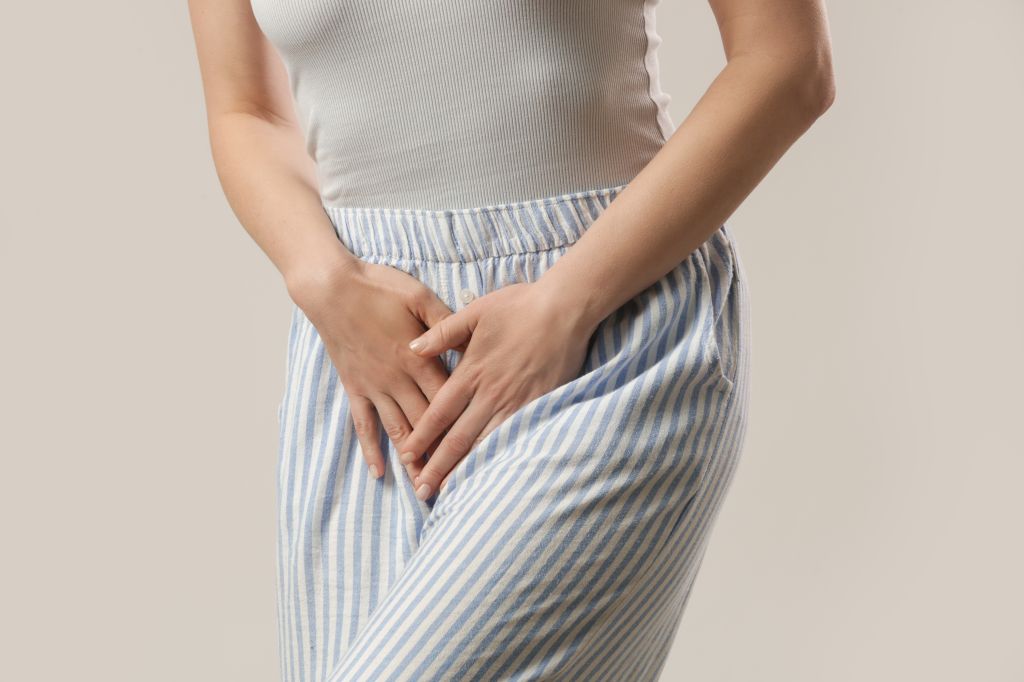
UTI symptoms can vary depending on which part of the urinary tract is affected, but several hallmark signs are commonly reported.
The most recognizable symptom is a burning sensation during urination, accompanied by frequent urges to urinate and discomfort in the lower abdomen and pelvic area.
Other symptoms of a UTI may include:
- Cloudy or strong-smelling urine
- Incomplete bladder emptying
- Fatigue
- An overactive bladder
- Lower back pain
In more complicated UTI cases, particularly if the infection spreads to the kidneys, symptoms may include blood in the urine, fever, chills, nausea, or vomiting. If any of these symptoms are present, seeking prompt medical care is crucial.

Natural remedies for a UTI
Evidence published in Nature Reviews Microbiology underscores that frequent antibiotic use may disrupt the body’s natural bacterial balance and contribute to resistant bacteria, making UTIs more challenging to treat and increasing the risk of frequent UTIs.
As a result, many people seek natural remedies for UTIs to ease symptoms while maintaining the body’s microbial balance.
Here are seven natural UTI remedies.
1. Prioritize hydration
Drinking plenty of fluids, particularly water, is fundamental for effective UTI management.
Increased urine flow helps flush away bacteria, prevent microbial bladder wall adherence, and dilute urine, making it less concentrated and irritating to inflamed tissues. This may help ease symptoms such as burning during urination.
2. Emphasize probiotic-rich foods
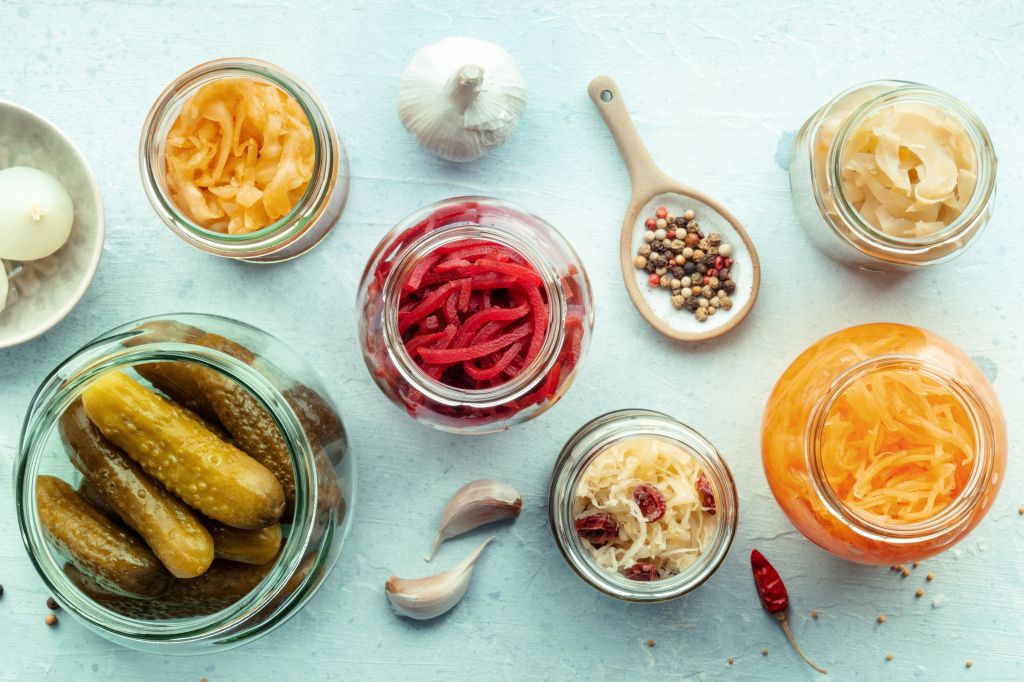
Consuming more fermented foods, such as kefir, yogurt, raw sauerkraut, and kimchi, may help promote microbial balance in those with UTIs.
According to research published in American Family Physician, consuming beneficial bacteria, especially Lactobacillus species, was associated with lower UTI recurrence in women prone to frequent UTIs.
3. Use natural diuretics
Certain foods naturally promote urine production, which may help the body flush out unwanted microbes through increased urinary flow.
These include foods such as cucumber, celery, asparagus, parsley, lemon or lime water, and dandelion greens.
Additionally, cranberries contain proanthocyanidins (PAC), which are anti-microbial compounds that can make it harder for certain bacteria, such as E. coli, to adhere to the bladder lining.
Making a natural immune-enhancing detox shot with water, lemon, ginger, apple cider vinegar, and unsweetened cranberry juice may help soothe bladder discomfort and speed up the body’s natural healing processes.
4. Incorporate apple cider vinegar
Apple cider vinegar (ACV) contains acetic acid, a natural organic acid that helps create a more inhospitable environment for gut bacteria.
This acidic environment particularly targets E. coli bacteria, which thrive in a more alkaline environment. Consuming two teaspoons of ACV in a glass of water with meals may help discourage bacterial imbalances and recurrent infections.

5. Practice fasting
Intermittent fasting can help redirect the body’s energy toward immune support and cellular repair, two critical factors when addressing urinary health.
Prolonged fasting triggers autophagy, a cellular repair mechanism that helps recycle old or damaged immune cells while supporting the elimination of potential harmful bacteria.
“Fasting can help your body reset digestive and immune functions,” Dr. Berg explains. “It also promotes ketone production, which can have antimicrobial effects, and help promote T and B cell regulation—essential for balanced immune responses.”
6. Avoid sugary and processed foods
Sugar and refined carbs can fuel the growth of harmful bacteria and alter the body’s natural pH balance. This can disrupt natural defenses by encouraging microbial imbalance and reducing immune efficiency.
Avoiding sweets and processed foods, especially during active infections, may help maintain a healthier urinary environment and support beneficial microbes.
7. Drink supportive herbal teas
Research published in the Journal of Natural Remedies demonstrates that certain herbal teas might be beneficial for supporting urinary tract health.
Teas made from dandelion, parsley, horsetail, buchu, chamomile, cranberry, marshmallow root, goldenseal, or uva ursi may help promote urine flow, dilute urine, and support microbial balance.
When consuming herbal teas for UTI support, choose high-quality, organic, loose-leaf herbal options to avoid contaminants, which may worsen inflammation and associated urinary discomfort.

When to talk to your doctor
Even if you’re trying home remedies, you should contact a healthcare provider if you suspect a UTI, especially if you don’t see improvement or your condition worsens.
To confirm the diagnosis, a doctor will typically obtain a urine culture to test for white blood cells, nitrites, or bacteria. In some cases, further tests such as a computed tomography (CT) scan may be necessary to rule out underlying structural problems.
If a urine sample confirms infection, conventional treatments usually include low-dose antibiotics for less complicated cases or a full course of antibiotics when necessary.
If you have a history of kidney problems, are pregnant, or are experiencing your first UTI, it’s essential to consult a healthcare provider for medical advice, as these situations may require specific treatment.
If you develop fever, chills, an upset stomach, vomiting, or back pain, it’s vital to seek treatment for a UTI quickly, as this may suggest a kidney infection. Intravenous (IV) antibiotics may be necessary as part of urgent care to help prevent further complications.
Key takeaways
- UTIs are common bacterial infections that affect parts of the urinary system, most often caused by E. coli entering the bladder and multiplying.
- Women are more prone to UTIs due to a shorter urethra, while lifestyle habits, hormone changes, and metabolic factors can further increase risk.
- Drinking water, consuming probiotic foods, and using natural diuretics may help promote urinary health and support the body’s natural defenses.
FAQ
- 1. What are the best remedies for a UTI?
- 2. What are the symptoms of a UTI?
- 3. Can a UTI go away on its own?
- 4. What are the signs that your UTI is healing?
- 5. How can you tell the difference between a urinary tract infection and a bladder infection?
Sources
- Schwartz L, Salamon K, Simoni A, et al. Insulin receptor signaling engages bladder urothelial defenses that limit urinary tract infection. Cell Rep 2024;43(4):114007. doi:10.1016/j.celrep.2024.114007. https://pmc.ncbi.nlm.nih.gov/articles/PMC11094371/
- Flores-Mireles AL, Walker JN, Caparon M, et al. Urinary tract infections: epidemiology, mechanisms of infection and treatment options. Nat Rev Microbiol 2015;13(5):269-84. doi:10.1038/nrmicro3432. https://pmc.ncbi.nlm.nih.gov/articles/PMC4457377/
- “Probiotics Uti Women.” American Academy of Family Physicians. https://www.aafp.org/pubs/afp/issues/2025/0100/poems-probiotics-uti-women.html
- “(PDF) Herbal Solutions for Urinary Tract Infections: A Literature Review.” academia.edu. https://www.academia.edu/124776698/Herbal_Solutions_for_Urinary_Tract_Infections_A_Literature_Review
Related Articles
-
Food Intolerance Symptoms and How to Identify Patterns
 Digestive health
Food Intolerance Symptoms and How to Identify Patterns
At a glance Food intolerance symptoms can be difficult to connect to a particular food because they don’t always happen immediately after eating. Reactions may depend on portion size, food…07/30/2026 -
Zinc Supplements: Forms and How to Choose
 Nutrition
Zinc Supplements: Forms and How to Choose
At a glance Zinc is an essential trace mineral involved in hundreds of enzymatic reactions that influence immune activity, cellular functions, and hormone regulation. Understanding the differences in formulation, dosage,…04/10/2026 -
How to Help Reduce Cancer Risk – 10 Natural Ways
 Health concerns
How to Help Reduce Cancer Risk – 10 Natural Ways
At a glance Cancer risk is strongly influenced by diet and lifestyle factors that affect inflammation, metabolic health, immune surveillance, and cellular repair. Strategies such as carbohydrate restriction, fasting, regular…04/03/2026 5.4k views -
How to Get Rid of Toenail Fungus – 3 Natural Solutions
 Health concerns
How to Get Rid of Toenail Fungus – 3 Natural Solutions
At a glance Toenail fungus is a common nail infection often linked to environmental exposure to infectious microbes, nail injury, and poor metabolic or immune health. Natural topical solutions and…03/13/2026 33.6k views -
HPV Skin Tags: Causes and What to Do
 Health concerns
HPV Skin Tags: Causes and What to Do
At a glance While both skin tags and warts can be linked to human papillomavirus (HPV), they differ in appearance and how they affect the body. Targeted dietary and lifestyle…03/13/2026 16.6k views -
How to Ease a Sore Throat Quickly Using Acupressure
 Health concerns
How to Ease a Sore Throat Quickly Using Acupressure
At a glance Acupressure offers a simple, hands-on approach to promoting physical comfort, which may help soothe sore throat pain. While it’s not a substitute for a medical evaluation, acupressure…02/27/2026 25.2k views -
Can Iron Tablets Make You Feel Sick?
 Nutrition
Can Iron Tablets Make You Feel Sick?
At a glance Iron tablets can make you feel sick by irritating the intestines, altering the gut microbiome, and potentially damaging intestinal cells. While iron is essential in trace amounts,…02/13/2026 6.5k views -
Benefits of Colostrum for Babies and Adults
 Nutrition
Benefits of Colostrum for Babies and Adults
At a glance Colostrum is the first milk produced after birth and delivers concentrated nutrients, immune factors, and growth compounds that support a newborn’s early development. This nutrient dense milk…02/13/2026 13.3k views -
What Are Viral and Bacterial Infections? Differences Explained
 Health concerns
What Are Viral and Bacterial Infections? Differences Explained
At a glance Viral and bacterial infections are caused by different pathogens and require distinct approaches for treatment and prevention. While viruses invade cells and typically resolve on their own,…02/12/2026 2.4k views -
Ear Infection Home Remedies: 8 Natural Solutions
 Immune health
Ear Infection Home Remedies: 8 Natural Solutions
At a glance Ear infections can cause pressure, discomfort, and temporary hearing changes, often triggered by viral or bacterial infections. Over-the-counter options may relieve symptoms, but often don’t address the…01/16/2026 26.9k views