

At a glance
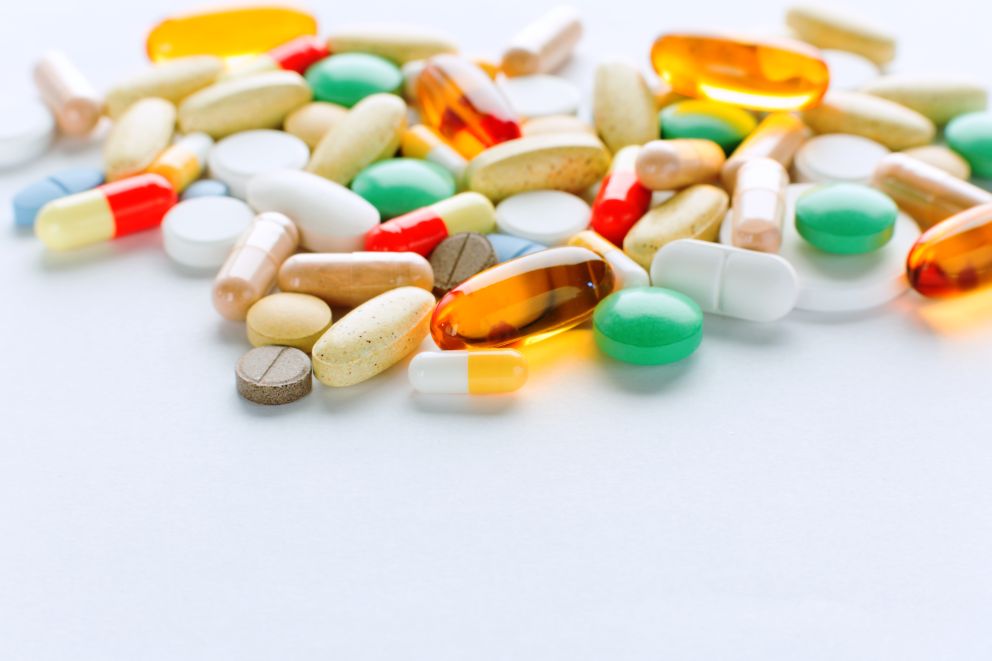
Many supplement products contain hidden additives or synthetic nutrients that can impact quality and nutrient absorption. Knowing how to identify low-quality ingredients can help you determine which vitamin brands to avoid and ensure you choose products that support your health goals.
Not all vitamin supplements are created equal. While some vitamin and mineral supplements use natural ingredients, others are made with synthetic nutrients that are poorly absorbed and may increase the risk of adverse health effects.
Here are the red flags to look for when choosing a dietary supplement and the vitamin brands to avoid.
Synthetic vs. natural
Natural vitamin and supplement brands contain essential vitamins, minerals, antioxidants, or other nutrients naturally occurring in whole foods.
They’re typically extracted from food sources such as plants or herbs by grinding or juicing, followed by dehydration to form a powdered substance that can be incorporated into pills or capsules.
In contrast, synthetic nutrients are created in laboratories using chemical processes to produce artificial compounds that mimic the chemical composition of naturally occurring nutrients.
Not only are synthetic vitamins less potent, but they may also pose potential health risks if taken for prolonged periods.
“Although synthetic vitamins are structurally similar to natural ones, they typically lack the cofactors and co-nutrients present in natural sources, which are important for optimal absorption and utilization,” explains Dr. Berg.
Artificial nutrients are cheap to produce, and almost all multivitamin and mineral supplements available in drug stores and supermarkets are made with synthetic ingredients.
In contrast, extracting vitamins from natural food sources is a laborious and expensive process, which is why supplement brands containing natural ingredients are often considerably more expensive.
Watch the video below to discover why you should avoid multivitamin brands containing synthetic nutrients.
8 vitamin brand red flags
According to a study published in the Journal of the American Geriatrics Society, more than 50 percent of adults in the U.S. take at least one dietary supplement.1
While dietary supplements may provide health benefits when combined with a healthy lifestyle, it’s crucial to choose high-quality products containing natural nutrients.
Here are eight red flags to watch out for when selecting supplements.
1. Vitamin D3 supplements without vitamin K2
It’s well known that vitamin D plays a crucial role in bone health, immune system function, and overall well-being.
A lesser-known fact is that vitamin D3, the natural form of this fat-soluble vitamin, should always be combined with vitamin K2.
Vitamin D3 plays a role in calcium balance in the body. When levels are high, it may affect how calcium is distributed, including in the blood, arteries, and soft tissues.
Vitamin K2 directs calcium from the blood into the bones and teeth, which explains why it’s crucial to always take vitamin D3 with vitamin K2.
Research published in BMJ Open supports the combination of vitamins D3 and K2, highlighting the potential benefits of these two fat-soluble vitamins for calcium metabolism and cardiovascular health.2
2. Products made with synthetic vitamins
Because synthetic vitamins are easy and cheap to produce, many supplement manufacturers opt for artificial forms over natural ones.
However, synthetic nutrients are less effective and often are produced using harsh chemicals deemed unsafe for human consumption.
According to a study published in Free Radical Research, certain synthetic supplement brands contain residues of pesticides, heavy metals, hexane, petroleum, and pharmacologically active ingredients.3
Prolonged low-dose exposure to such contaminants has been connected to various health issues, including neurological and hormonal issues, liver problems, and an increased risk of cancer.
It’s best to avoid supplement brands containing synthetic vitamins, such as:
- Retinol palmitate, a synthetic form of vitamin A
- Vitamin D2 or ergocalciferol, a synthetic form of vitamin D
- Dl-alpha-tocopherol, a synthetic form of vitamin E
- Vitamin K3, also known as menadione, a synthetic form of vitamin K
- Pyridoxine hydrochloride, a synthetic form of vitamin B6
- Cyanocobalamin, a synthetic form of vitamin B12
- Ascorbic acid, the synthetic form of vitamin C
It’s especially important to avoid prenatal vitamins containing ingredients such as retinol palmitate, the synthetic form of vitamin A, which has been linked to a higher risk of congenital disabilities.
In addition, pregnant women shouldn’t take a daily multivitamin with Dl-alpha-tocopherol and ascorbic acid, as these artificial nutrients can lead to blood clotting issues and other pregnancy-related complications.

3. Gummy vitamins
Many gummy vitamins are designed to appeal to children with their fruity flavors and chewable texture. However, these supplements are often laden with sugar, which can promote weight gain and dental decay.
These products are also typically made with synthetic vitamins, which are poorly absorbed and less effective.
In addition, some gummy vitamin brands are inaccurately labeled, and false claims about the nutrient dosages have been made.
Research published in the Journal of the American Medical Association found that the majority of melatonin gummy products tested contained between 17 and 470 percent of the melatonin dosage stated on the product label.4
4. Supplements containing megadoses
Synthetic vitamins tend to have lower absorption rates than naturally occurring vitamins found in food sources.
As a result, synthetic supplements are often formulated with extremely high nutrient concentrations of up to 400 percent of the recommended daily allowance (RDA) to compensate for a lower absorption rate.
However, nutrient absorption varies among individuals, and synthetic supplements can lead to excessive vitamin levels, a condition known as hypervitaminosis, linked to various health issues.
It’s essential to check the labels of the supplement you plan to use and avoid vitamin brands that contain megadoses of synthetic vitamins to minimize the risk of vitamin toxicity and associated health consequences.
5. Unpurified omega-3 fish oils
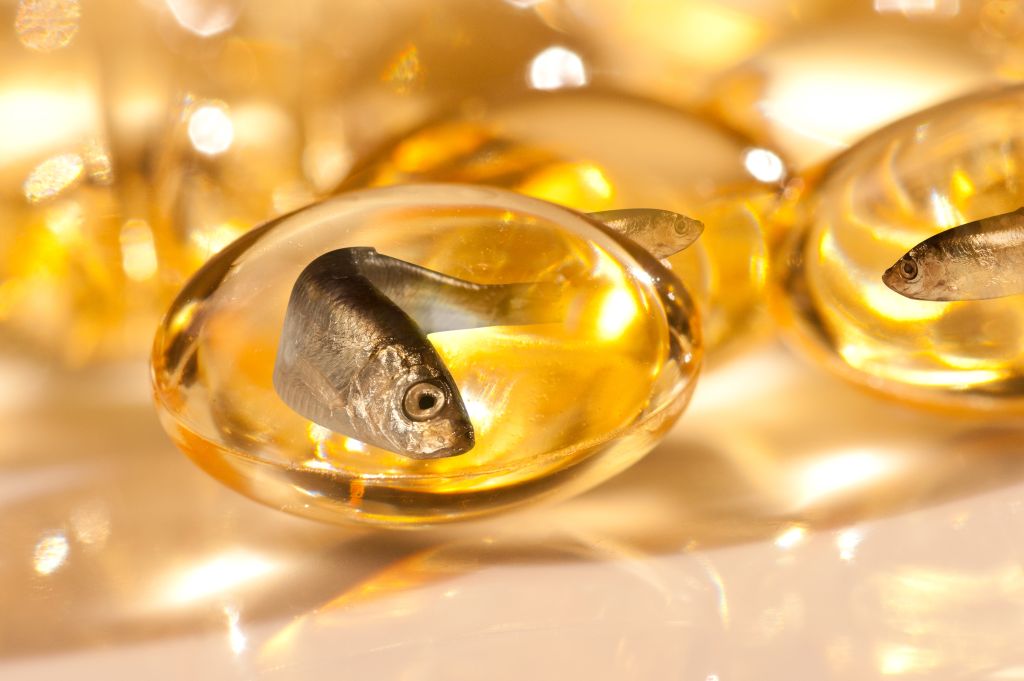
Adequate intake of omega-3 fatty acids has been linked to better cardiovascular health, and fish oil supplements are among the most popular dietary supplements in the United States.
However, the quality of fish oil supplements can vary significantly, and it’s essential to choose high-quality products to ensure safety.
Large predatory species of oily fish can accumulate mercury, lead, and other toxins, such as dioxins, via the food chain, which increases the risk of contaminated omega-3 fish oil.
A study published in Environmental Science and Pollution Research found that certain fish oil supplements regularly exceed safe limits of harmful pollutants, including lead.5
Long-term heavy metal exposure is associated with serious neurological issues, and it’s crucial to choose products that have undergone purification processes and third-party testing to ensure purity and the absence of contaminants.
6. Mineral complexes with inorganic chelators
Essential minerals such as iron, calcium, magnesium, manganese, and copper must be bound to an organic compound known as a chelator to be absorbed into the body.
Unfortunately, many cheap mineral supplements use inorganic chelators to bind minerals, including oxides, hydroxides, and phosphates. These chelators aren’t well absorbed and are more likely to cause digestive issues and side effects.
Avoid supplements containing inorganic mineral complexes such as:
- Magnesium oxide
- Magnesium hydroxide
- Magnesium sulfate
- Iron oxide
- Zinc sulfate
- Calcium carbonate
- Chromium picolinate
- Sodium selenite

7. Products with unnecessary fillers
Many supplement manufacturers use fillers, preservatives, flavorings, and dyes to enhance the appearance, taste, and shelf life of their products.
However, these ingredients may pose risks, including allergic reactions, gastrointestinal issues, and long-term health effects.
In addition, certain fillers are derived from genetically modified organisms (GMOs), which have been connected to fertility problems, neurological issues, and poor liver function.
Check supplement labels and avoid products made with unnecessary fillers, such as:
- Cornstarch
- Hydrogenated palm oil
- Soybean oil
- High-fructose corn syrup
- Artificial sweeteners
- Artificial food dye
- Magnesium stearate
- Sodium benzoate
- Titanium dioxide
8. Low-potency probiotics
Low-quality probiotic products may not deliver enough live bacteria into the intestinal tract to provide potential health benefits.
The harsh acidic conditions in the stomach typically lead to lower survival rates of probiotic bacteria, limiting their effectiveness.
It’s generally recommended to opt for probiotics with at least 60 billion colony-forming units (CFUs), a measure of how many viable microorganisms are present in a probiotic supplement.
Key takeaways
- Many supplement brands use synthetic vitamins and cheap fillers, which can interfere with nutrient absorption, reduce efficacy, and increase the risk of hypervitaminosis and heavy metal exposure.
- Knowing which vitamin brands to avoid helps protect against low-quality formulas made with unnecessary additives.
- Opting for supplements made with natural, food-based ingredients that include a proper ratio of natural cofactors can help provide better bioavailability and support nutrient balance.
- Read ingredient labels carefully and select trusted brands with transparent sourcing and third-party testing to support better nutrient utilization and overall wellness.
FAQ
- 1. What are the top vitamin brands to avoid?
- 2. What should I look for in a supplement brand?
- 3. What supplements should I avoid?
- 4. Are natural vitamins better than synthetic ones?
Sources
- https://agsjournals.onlinelibrary.wiley.com/doi/full/10.1111/jgs.18305 ↩︎
- https://www.ncbi.nlm.nih.gov/pmc/articles/PMC10351276/ ↩︎
- https://www.tandfonline.com/doi/full/10.1080/10715762.2019.1636045 ↩︎
- https://www.ncbi.nlm.nih.gov/pmc/articles/PMC10130950/ ↩︎
- https://link.springer.com/article/10.1007/s11356-021-17581-5 ↩︎
Related Articles
-
6 Benefits of Vitamin E
 Nutrition
6 Benefits of Vitamin E
At a glance Vitamin E is a fat-soluble vitamin and a powerful antioxidant that protects cells against oxidative stress, free radical damage, and inflammation, all of which contribute to poor…07/03/2026 -
Nitric Oxide and Viagra: What’s the Connection?
 Health concerns
Nitric Oxide and Viagra: What’s the Connection?
At a glance Nitric oxide is a key signaling molecule that relaxes blood vessels, improves circulation, and supports sexual functions. Viagra works by prolonging the effects of nitric oxide, which…03/19/2026 5.9k views -
How to Get Rid of Toenail Fungus – 3 Natural Solutions
 Health concerns
How to Get Rid of Toenail Fungus – 3 Natural Solutions
At a glance Toenail fungus is a common nail infection often linked to environmental exposure to infectious microbes, nail injury, and poor metabolic or immune health. Natural topical solutions and…03/13/2026 33.6k views -
How to Kill Parasites: 7 Natural Tips
 Health concerns
How to Kill Parasites: 7 Natural Tips
At a glance Parasitic infections occur when worms or protozoa colonize the body, often through exposure to contaminated pets, food, or water. These organisms can interfere with digestion and other…03/13/2026 15.1k views -
HPV Skin Tags: Causes and What to Do
 Health concerns
HPV Skin Tags: Causes and What to Do
At a glance While both skin tags and warts can be linked to human papillomavirus (HPV), they differ in appearance and how they affect the body. Targeted dietary and lifestyle…03/13/2026 16.6k views -
4 Asthma Remedies to Try at Home
 Health concerns
4 Asthma Remedies to Try at Home
At a glance Asthma is a chronic inflammatory condition that narrows the airways and makes breathing difficult, especially during asthma attacks. While conventional care is often necessary, natural asthma remedies…03/06/2026 17.6k views -
Too Much Keto Weight Loss? What to Do If You’re Too Skinny
 Diet
DietToo Much Keto Weight Loss? What to Do If You’re Too Skinny
At a glance Keto weight loss often occurs rapidly during the early adaptation phase, primarily due to fluid loss rather than immediate fat reduction. While fat loss is expected, ongoing…03/06/2026 10.2k views -
How to Ease a Sore Throat Quickly Using Acupressure
 Health concerns
How to Ease a Sore Throat Quickly Using Acupressure
At a glance Acupressure offers a simple, hands-on approach to promoting physical comfort, which may help soothe sore throat pain. While it’s not a substitute for a medical evaluation, acupressure…02/27/2026 25.2k views -
What Causes Pale Colored Stool?
 Health concerns
What Causes Pale Colored Stool?
At a glance Pale-colored stool can be linked to low bile flow, low-fat diets, alcohol use, infections, or underlying liver, gallbladder, or pancreatic issues. Supporting gallbladder function through a nutritious…02/26/2026 14.9k views -
Can Low Vitamin D Cause Depression in Teenagers?
 Vitamins
Can Low Vitamin D Cause Depression in Teenagers?
At a glance Vitamin D is essential for brain health, and low levels in teenagers may increase the risk of depression. Insufficient sunlight exposure and poor dietary habits can contribute…02/26/2026 10.8k views


