

At a glance
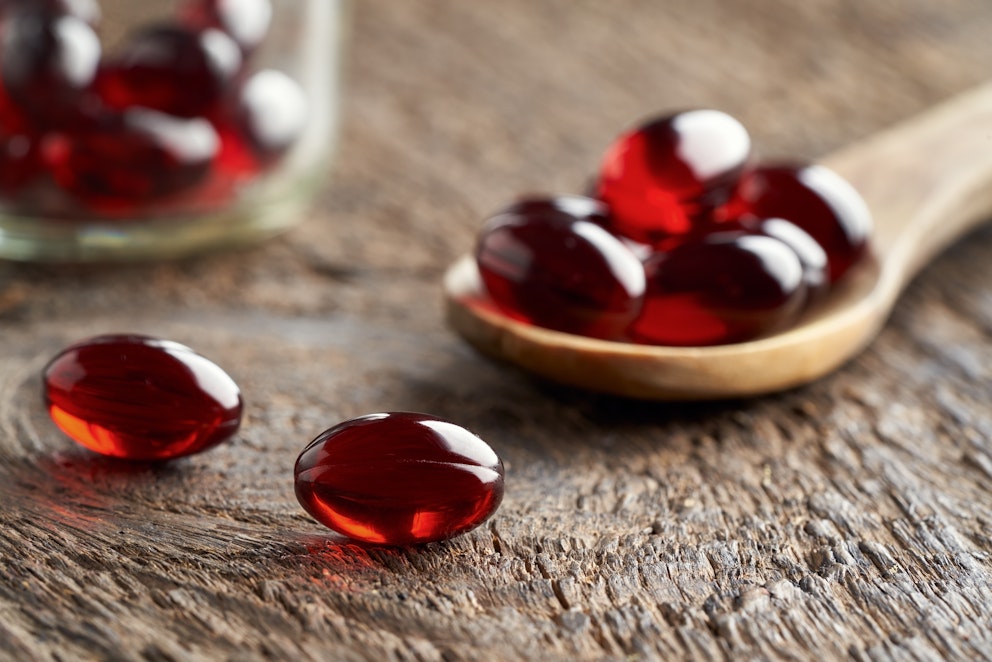
Are you wondering how much krill oil you should take per day? Krill oil is a rich source of omega-3 fatty acids and astaxanthin, which have been found to support various crucial physiological functions. Ideal daily dosages vary based on your health goals, overall omega-3 intake, and the krill oil supplement you choose.
Krill oil is packed with essential fatty acids that offer profound wellness benefits. Taking krill oil supplements can promote cardiovascular health and support brain function.
Discover how much krill oil per day you should be taking to promote a healthy body.
What is krill oil?
Krill oil is extracted from krill, which are small, shrimp-like crustaceans found in oceans worldwide.
The majority of krill oil supplements are derived from Antarctic krill, which is an incredibly rich source of eicosapentaenoic acid (EPA) and docosahexaenoic acid (DHA), two essential omega-3 fatty acids with various potential health benefits.
Krill oil has become a popular alternative to fish oil supplements as it contains the antioxidant astaxanthin, which helps minimize fatty acid oxidation, making krill oil more stable and less prone to turning rancid.
In contrast to marine omega-3 fish oils extracted from fatty fish, krill oil contains EPA and DHA in a phospholipid form, which is more bioavailable and significantly better absorbed than fish oil.
A study published in Vascular Health and Risk Management found that individuals taking a krill oil supplement had higher omega-3 fatty acid blood concentrations than those taking fish oil, despite both dietary supplements providing the same DHA and EPA dosage.1
Watch the video below to discover the best natural source of omega-3 fatty acids.
How much krill oil should you take per day?
The best krill oil dosage depends on your specific health goals, your overall omega-3 fat intake, and the EPA and DHA content of the krill oil supplement you plan to use.
To promote overall health, general recommendations suggest one gram of krill oil daily, which provides around 150 milligrams of EPA and 60 milligrams of DHA.
However, research published in Hospital Pharmacy suggests that higher dosages, up to four grams per day, may be considered for those seeking to support cardiovascular health, though individual needs can vary.2

When is the best time to take krill oil?
While krill oil supplementation can be taken at any time of the day, most people prefer taking krill oil with food.
“Taking krill oil in combination with healthy fats such as olive oil, avocados, or grass-fed butter can enhance the intestinal absorption of omega-3 fatty acids and help maximize the health benefits of krill oil,” explains Dr. Berg.
Although krill oil has a much less fishy aftertaste than fish oil, sensitive individuals may want to avoid taking krill oil before going to bed, as this can increase the risk of unpleasant burps or bad breath during sleep.

Benefits of krill oil
Krill oil is a rich source of EPA and DHA, two omega-3 fatty acids that have been linked to various health benefits.
A study published in Advances in Nutrition investigated the effects of omega-3 fatty acids and found that EPA and DHA play a role in cell membrane integrity, cognitive function, healthy vision, and musculoskeletal health.3
Krill oil also contains astaxanthin, a carotenoid pigment responsible for krill’s distinct red color.
Astaxanthin is an antioxidant that may help protect omega-3 fats from oxidation and support the body’s natural processes in managing oxidative stress.
In addition, astaxanthin intake has been associated with other health advantages, such as:
- Improved eye health
- Better exercise performance
- Enhanced circulatory health
- Healthy brain function
- “Three Vitamin D3 and K2 Benefits for Skin Health | Dr. Berg.” Dr. Berg. https://www.drberg.com/blog/uncovering-vitamin-d3-k2-benefits-for-skin
Risks and side effects
Krill oil supplements are considered safe and generally well tolerated by most people.
However, individuals with blood clotting disorders and those taking blood-thinning medication should avoid krill oil supplements.
EPA and DHA may impact blood clotting and augment the effects of anticoagulant drugs such as warfarin, which increases the risk of excessive bleeding.
While allergic reactions to krill oil are rare, individuals with a fish or shellfish allergy should be cautious with krill oil supplements and seek medical attention immediately if they develop breathing difficulties, hives, or rashes after krill oil use.
Key takeaways
- Krill oil contains omega-3 fatty acids in a phospholipid form, which is considered more bioavailable than fish oil.
- A standard daily dose of one gram supports general well-being, while higher dosages of up to four grams are often used to promote brain and cardiovascular health.
- Taking krill oil with meals, especially those rich in healthy fats, can enhance its absorption and overall effectiveness.
- Astaxanthin in krill oil protects omega-3 fats from oxidation and provides antioxidant benefits.
- Individuals with blood-thinning disorders or shellfish allergies should be cautious with krill oil products and consult a healthcare professional before use.
FAQ
1. How much krill oil per day for the most benefits?
2. Is 1,000 mg of krill oil too much?
3. How much krill oil can I take?
4. Should I take krill oil supplements in the morning or at night?
5. How long does it take for krill oil to start working?
6. What are the benefits of taking a krill oil supplement?
7. Is krill oil healthy?
8. Is krill oil better than fish oil?
Sources
- https://pmc.ncbi.nlm.nih.gov/articles/PMC4559234/ ↩︎
- https://pmc.ncbi.nlm.nih.gov/articles/PMC4252213/ ↩︎
- https://pmc.ncbi.nlm.nih.gov/articles/PMC3262608/ ↩︎
Related Articles
-
Can Fasting Lower Cholesterol?
 Fasting
Can Fasting Lower Cholesterol?
At a glance Fasting can help lower cholesterol levels by promoting the use of body fat for energy, supporting a healthy weight, reducing inflammation, and maintaining balanced insulin levels. Incorporating…05/01/2026 -
Can You Reverse Atherosclerosis?
 Health concerns
Can You Reverse Atherosclerosis?
At a glance Can you reverse atherosclerosis? While plaque may not fully disappear, the progression of atherosclerosis can be slowed and plaque stability may improve over time. Atherosclerosis develops gradually…03/06/2026 50.4k views -
Does Fish Oil Benefit Cholesterol?
 Nutrition
Does Fish Oil Benefit Cholesterol?
At a glance Fish oil is a rich source of the omega-3 fatty acids EPA and DHA, which support heart health and metabolic wellness. While fish oil may help promote…02/12/2026 27.4k views -
Osteoporosis and Osteopenia: How to Support Strong Bones
 Health concerns
Osteoporosis and Osteopenia: How to Support Strong Bones
At a glance Osteopenia and osteoporosis are age-related conditions marked by gradual bone density loss that often develops without clear symptoms. Changes in bone strength can increase fracture risk and…01/08/2026 5.9k views -
Can High Cholesterol Cause Headaches?
 Health concerns
Can High Cholesterol Cause Headaches?
At a glance High cholesterol doesn’t directly cause headaches, but cholesterol plaques in arteries can reduce blood flow to the brain, potentially triggering migraines or headache symptoms. Supporting healthy cholesterol…12/30/2025 -
How to Lower Cholesterol on Keto
 Diet
DietHow to Lower Cholesterol on Keto
At a glance While a nutrient-focused ketogenic diet is often associated with improved cholesterol balance, it’s not uncommon to see elevated cholesterol levels during the early stages of keto adaptation.…12/05/2025 13.1k views -
What Are the Best Sources of Omega-3 Fatty Acids?
 Nutrition
What Are the Best Sources of Omega-3 Fatty Acids?
At a glance There are several essential omega-3 fatty acids, but not all food sources provide them in the same balance or bioactive form. The best sources of omega-3 fatty…11/06/2025 25k views -
Understanding Cholesterol Levels and Numbers
 Health concerns
Understanding Cholesterol Levels and Numbers
At a glance While cholesterol is vital for hormone production and brain function, imbalanced levels can cause atherosclerosis and increase cardiovascular risk. Understanding your cholesterol numbers and how diet, exercise,…04/09/2025 118k views -
What Is LDL Cholesterol? Why It’s Not Always Bad
 Health concerns
What Is LDL Cholesterol? Why It’s Not Always Bad
At a glance LDL cholesterol is often linked to poor cardiovascular health, yet it also plays an important role in supporting cell structure, hormone production, and nerve function. Its impact…04/09/2025 33.4k views -
Is Saturated Fat Bad? Benefits and Risks of Saturated Fat
 Nutrition
Is Saturated Fat Bad? Benefits and Risks of Saturated Fat
At a glance The role of saturated fat has long been misunderstood due to outdated dietary theories, but whether saturated fat is bad depends largely on its source. Healthy, whole-food…04/09/2025 14k views


