

At a glance
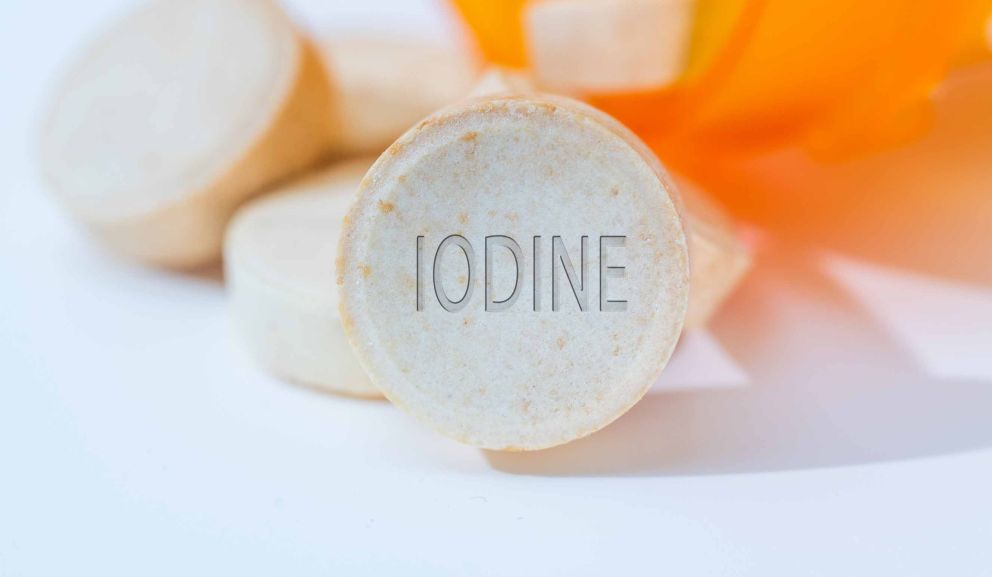
Iodine supports thyroid hormone balance needed to maintain metabolic processes, energy use, tissue growth, and cellular functions. Iodine supplements are available in several forms, each differing in absorption rate, stability, and dietary context. Understanding iodine requirements and how various forms of iodine are absorbed helps ensure consistent intake throughout different life stages and dietary habits.
Iodine is a vital mineral that supports the production of thyroid hormones, which regulate energy use, cellular activity, and overall metabolic balance.
Understanding the key differences of various forms of iodine supplementation can help support adequate intake and healthy thyroid function while minimizing the risk of adverse effects.
What is iodine, and what does it do?
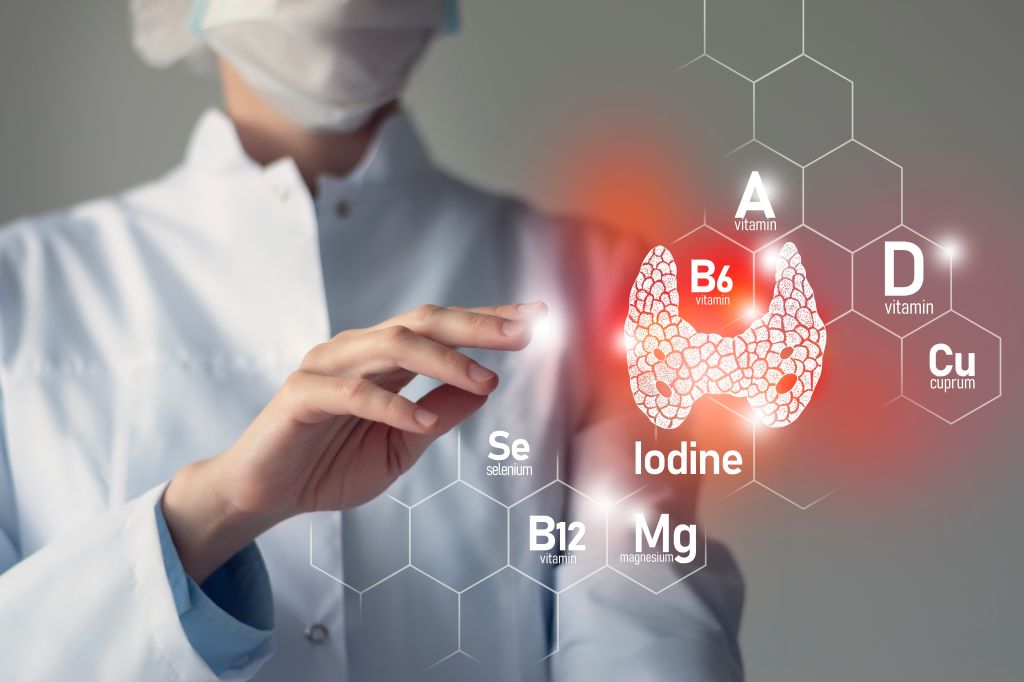
Iodine is an essential trace mineral that supports and facilitates the balanced production of thyroid hormones.
These hormones play a critical role in regulating the metabolism and converting food into energy, as well as supporting bone health and brain development.
A study published in Nutrients found that, beyond its role in hormone regulation, iodine supports cellular antioxidant activity, thereby strengthening the body’s ability to protect cells from oxidative stress.
Because the body can’t produce iodine, it relies on dietary intake. In addition to iodine-rich foods, iodine supplements deliver this essential mineral in standardized forms that the body can efficiently absorb.
After intestinal uptake, iodine enters the circulation and supports key tissues such as the thyroid to support normal hormone production, while any excess is excreted through urine.
What are the different forms of iodine?
Iodine is available in several chemical forms, each serving a distinct role in supporting nutritional balance as well as non-dietary applications.
Here are four common forms of iodine and their potential health benefits.
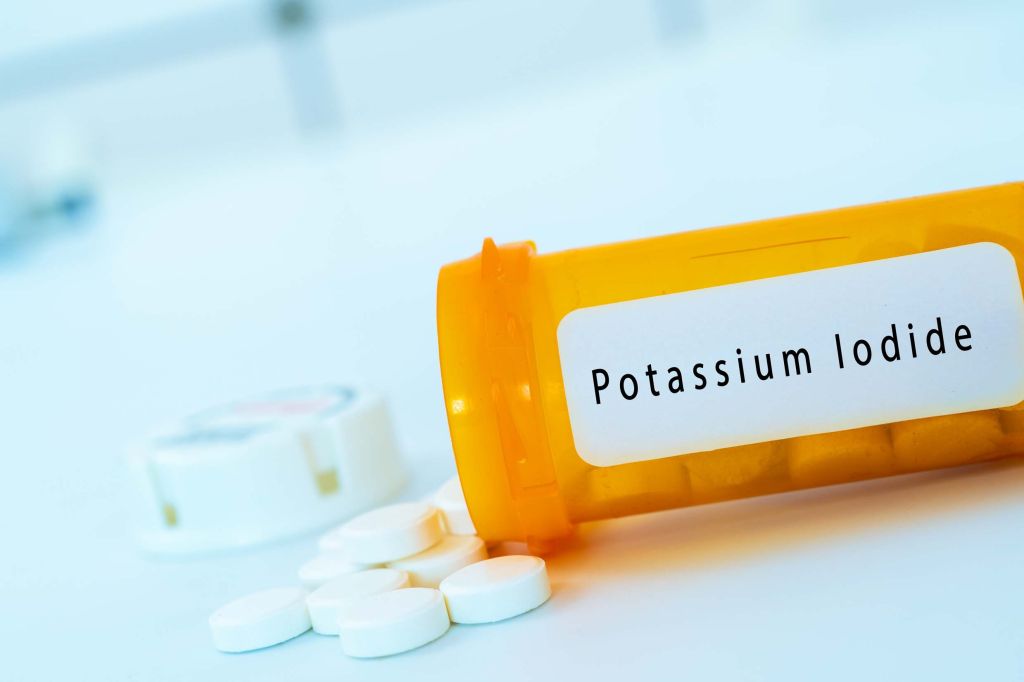
1. Potassium iodide
Potassium iodide (KI) is a stable, water-soluble form of iodine bound to potassium that’s commonly used in supplements to provide a precise and reliable source of iodine.
This form of potassium is typically taken orally as a tablet, capsule, or liquid. After intestinal uptake, iodine breaks apart from potassium, making it available for supporting physiological functions.
2. Molecular iodine
Molecular iodine (I₂) is the elemental form of iodine, composed of two bonded iodine atoms that give it unique chemical properties.
Unlike iodide, which is mainly absorbed by thyroid tissue, molecular iodine is more chemically reactive, meaning it can potentially support the body’s antioxidant and antimicrobial defenses.
Molecular iodine is typically ingested as liquid drops, often as part of Lugol’s solutions or blended iodine formulas, allowing iodine to be delivered in measured doses.
Due to its increased reactivity, molecular iodine is usually taken in small, carefully controlled amounts, typically diluted in water and under the guidance of a healthcare professional.
3. Sodium iodide
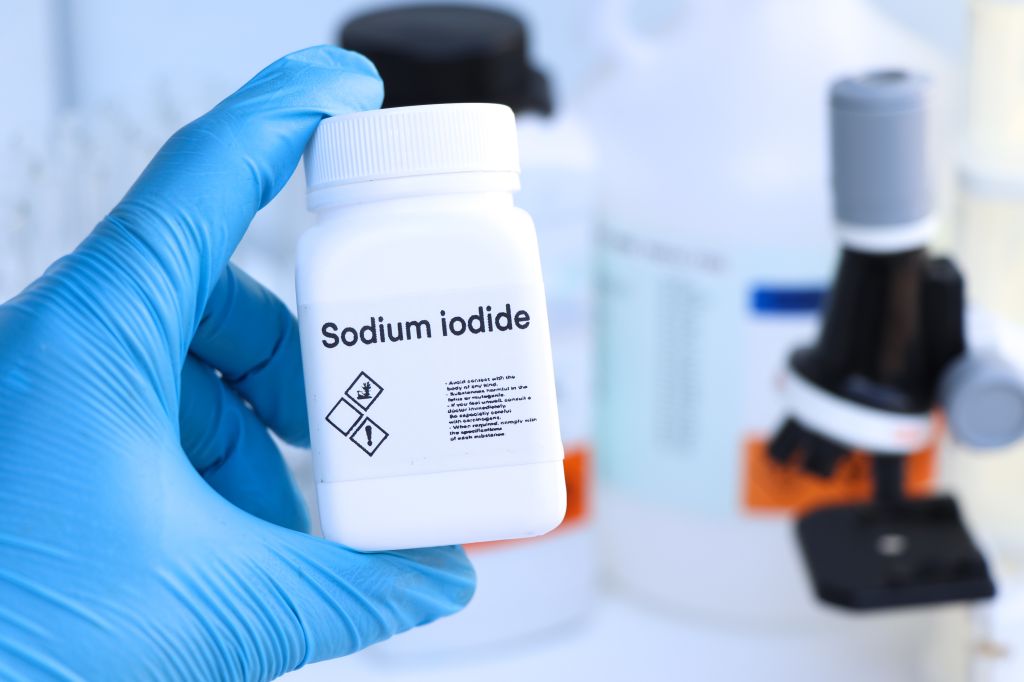
Sodium iodide (NaI) is an inorganic salt comprising sodium and iodine, offering a highly absorbable source of iodine.
Once consumed, sodium iodide is absorbed into the bloodstream and actively transported into thyroid cells.
There, it’s used to support hormone balance that regulates how the body utilizes nutrients and maintains metabolic balance.
Sodium iodide is generally taken as an oral solution or specific supplement formulation, though it’s less common than potassium iodide.
4. Sea kelp
Sea kelp supplements contain dried marine algae, which are rich sources of iodine alongside other naturally occurring minerals such as potassium, magnesium, calcium, iron, zinc, and small amounts of selenium.
These minerals work in combination to support normal metabolic processes and help maintain electrolyte balance.
“The iodine in sea kelp is bound within plant compounds, which helps release it gradually and support steady iodine availability to support normal hormone-related functions,” explains Dr. Berg.
Sea kelp supplements are widely available as capsules, tablets, or powders and are often chosen by those who prefer a whole-food-derived iodine source.
How much iodine do you need?
According to the National Institutes of Health (NIH), iodine requirements vary by age and life stage to support normal hormone production and metabolic function.
The recommended dietary allowances (RDAs) for iodine are:
- Birth to 6 months: 110 mcg
- Ages 7 to 12 months: 130 mcg
- Ages 1 to 8 years: 90 mcg
- Ages 9 to 13 years: 120 mcg
- Ages 14 and older: 150 mcg
During pregnancy and lactation, the body requires more iodine to meet increased nutritional demands. As a result, the recommended intake rises to about 220 mcg per day for pregnant women and 290 mcg per day for breastfeeding mothers.

Factors that can affect iodine needs
Iodine needs can shift based on life stage, dietary habits, metabolic demands, and environmental factors that influence nutrient use.
During pregnancy and breastfeeding, iodine requirements increase as iodine-dependent pathways support hormone production and normal developmental processes for both the mother and the child.
Dietary patterns also strongly influence intake, as diets low in iodine-rich foods or those that exclude iodized salt can increase the risk of mild iodine deficiency.
Vegan or vegetarian diets often provide less iodine unless meals are carefully planned to meet daily demands.
Moreover, periods of rapid growth, such as childhood and adolescence, increase demand for nutrients involved in energy regulation and cellular development, making consistent iodine intake especially important.
Geographic factors also play a role, as foods grown in iodine-poor soils naturally contain lower iodine levels, which can further affect overall intake.

How to choose an iodine supplement
Finding the right iodine supplement starts with choosing a reputable brand that uses third-party testing to ensure purity and safety.
Clear labeling indicating the exact iodine form and recommended dosage helps support accurate and consistent intake.
Paying attention to bioavailability is also crucial, as iodide products containing potassium iodide or sodium iodine are easily absorbed and can be efficiently used to support normal metabolic and hormonal processes.
Furthermore, it’s crucial to select iodine supplements free from artificial colors, synthetic sweeteners, or unnecessary preservatives to avoid adverse health effects associated with these additives.
Iodine liquid drops or capsules with clearly labeled ingredients tend to support consistent daily use while aligning with individual dietary preferences.
Who should avoid iodine supplementation?
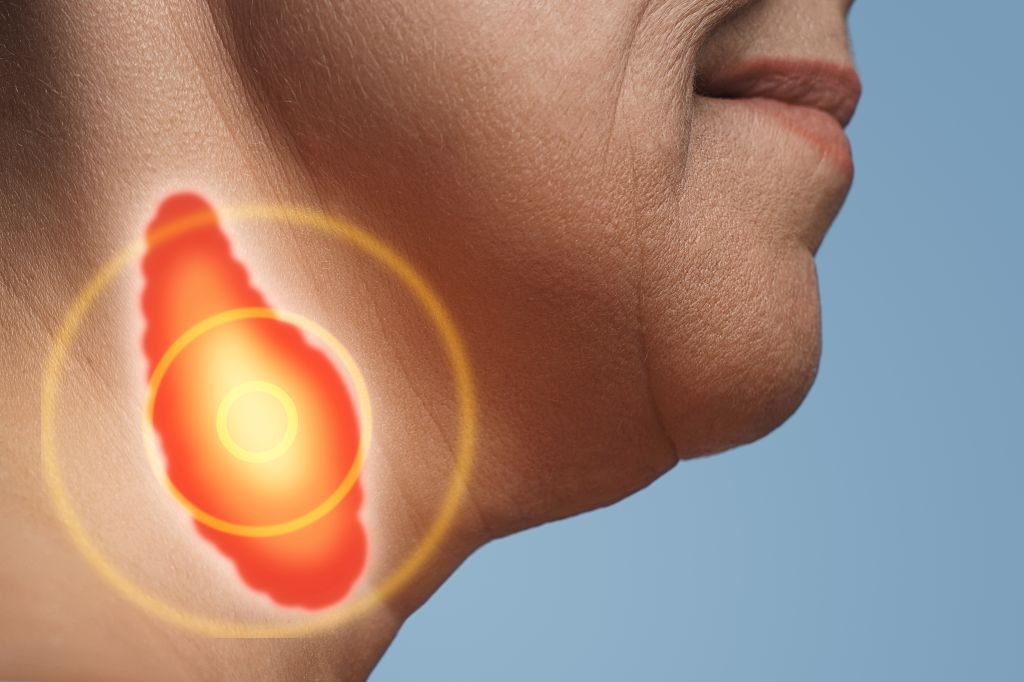
The American Thyroid Association (ATA) highlights that consuming more than 1100 mcg of iodine daily isn’t recommended, as this may disrupt normal thyroid function.
In addition, certain groups are especially sensitive to iodine intake and may be more likely to experience adverse effects from supplementation.
These include individuals with existing thyroid disorders, such as Hashimoto’s thyroiditis, Graves’ disease, or nodular goiter, as well as infants, young children, and older adults.
Certain medications, including pharmaceutical drugs that affect thyroid functions, lithium, and iodine-based radioiodine therapy, can alter how iodine is metabolized and regulated in the body.
Therefore, it’s vital to consult a healthcare professional before incorporating iodine supplements into your routine for guidance on the appropriate form, dosage, and overall safety.
Key takeaways
- Iodine supports hormone and cellular function, helping promote the body’s metabolism, energy use, growth, and antioxidant activity.
- The best available forms include potassium iodide, sodium iodide, and sea kelp-based options.
- Iodine requirements vary by life stage and dietary pattern, with higher needs during pregnancy and breastfeeding, during growth periods, and for those following a diet that excludes iodized salt or iodine-rich foods.
- Selecting a high-quality iodine supplement with clear labeling and third-party testing can help maintain balanced iodine status and support associated health benefits.
FAQ
- 1. What is the best form of iodine supplement?
- 2. What is the RDA for iodine?
- 3. Which is better, liquid or capsule iodine?
- 4. Can too much iodine cause problems?


