


At a glance
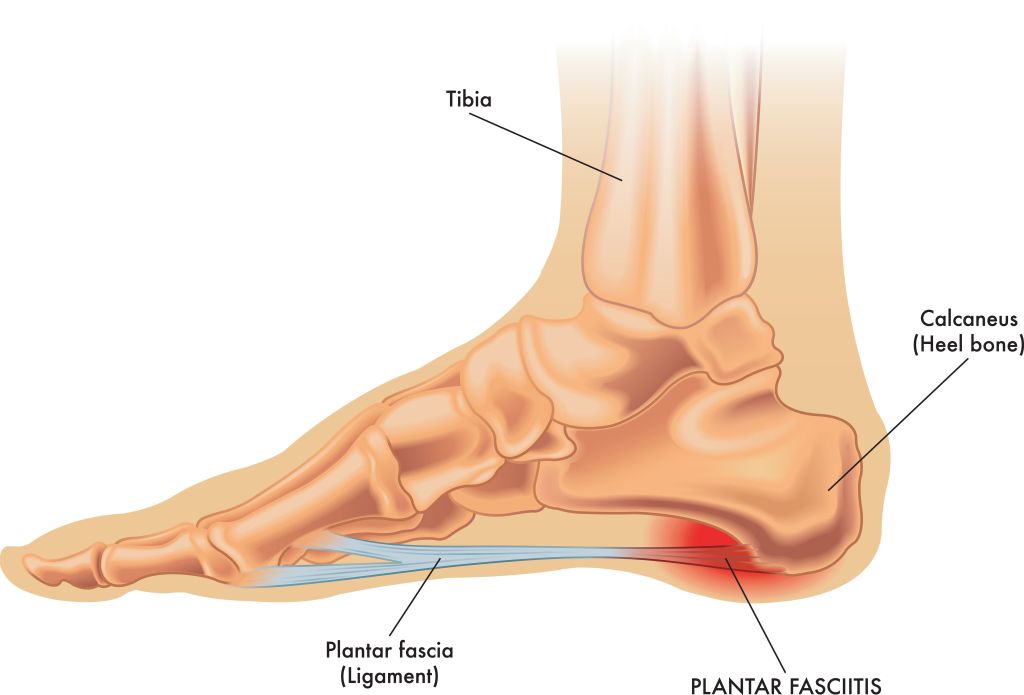
Plantar fasciitis is caused by micro-tears in the plantar fascia, a ligament supporting the arch of the foot. Plantar-related pain is often felt in the heel and can worsen in the morning or after prolonged periods of standing. A targeted stretch that relaxes the muscles opposite the plantar fascia, combined with reducing inflammation and supporting a healthy body weight, can help relieve pain quickly.
While stretching is one of the most effective methods to get rid of plantar fasciitis, you need to perform the correct stretches to avoid further injury to the plantar fascia.
Standard stretching of the plantar fascia and calf often falls short of quick relief, but with the right technique, you can significantly ease plantar fasciitis within a week.
What is plantar fasciitis?
Plantar fasciitis is a condition involving inflammation of the plantar fascia ligament, which is the sheath of connective tissue that connects the heel bone to the toes.
The plantar fascia acts as a shock absorber and plays an important role in providing arch support.
Plantar fasciitis is one of the most common causes of heel pain.
What causes plantar fasciitis?
Any activity that causes too much stress and tension to the plantar fascia can cause microtears in this tissue.
Repetitive tearing can lead to irritation, pain, and inflammation of the plantar fascia, resulting in plantar fasciitis.
The following risk factors can increase your chances of developing plantar fasciitis:
- Jobs that require long hours of walking or standing
- Obesity and excess weight
- Poor posture and foot mechanics
- Aging
- Poor dietary habits
- A tight calf muscle
- Achilles tendon tightness
- Elevated uric acid
- Long-distance running
According to research published in The Journal of Bone & Joint Surgery, reduced ankle dorsiflexion, obesity, and work-related weight-bearing were the most important risk factors for plantar fasciitis.1
What are the symptoms of plantar fasciitis?
The most common symptom of plantar fasciitis is foot pain, typically in the heel, but it can also extend up through the bottom of the foot.
Plantar fasciitis is often described as a stabbing pain and can be accompanied by stiffness or swelling. You may notice that the pain is worse upon waking up, after standing for long periods of time, or after exercise.
Untreated chronic heel pain can affect how you walk and lead to injury and pain in the back, hips, knees, and legs.
How is plantar fasciitis diagnosed?
If you’re experiencing symptoms of plantar fasciitis, consult a healthcare professional to determine the best mode of treatment.
Typically, a doctor will perform a physical exam to identify the exact location of the pain and evaluate your level of tenderness and discomfort.
They may also ask you to flex your foot while applying pressure to the plantar fascia to see if the pain worsens and check if the affected area shows signs of redness or swelling.
Furthermore, a doctor may evaluate the following:
- Balance
- Coordination
- Sense of touch
- Muscle tone
- Reflexes
Watch the video below to discover two simple stretches to manage plantar fasciitis at home.
How to cure plantar fasciitis in one week
Stretching can heal even the most severe cases of plantar fasciitis in one week!
Before performing this stretch, determine your current pain level so that you can compare it with your pain level after stretching.
“One of the biggest mistakes people make with plantar fasciitis is to stretch their calf or foot,” explains Dr. Berg.
It’s common to stretch the calf muscles and plantar fascia or massage the bottom of the foot in an attempt to relieve pain.
However, if you are suffering from plantar fasciitis, the plantar fascia is inflamed and has micro-tears. Stretching the plantar fascia can cause more strain and further injure this tissue.
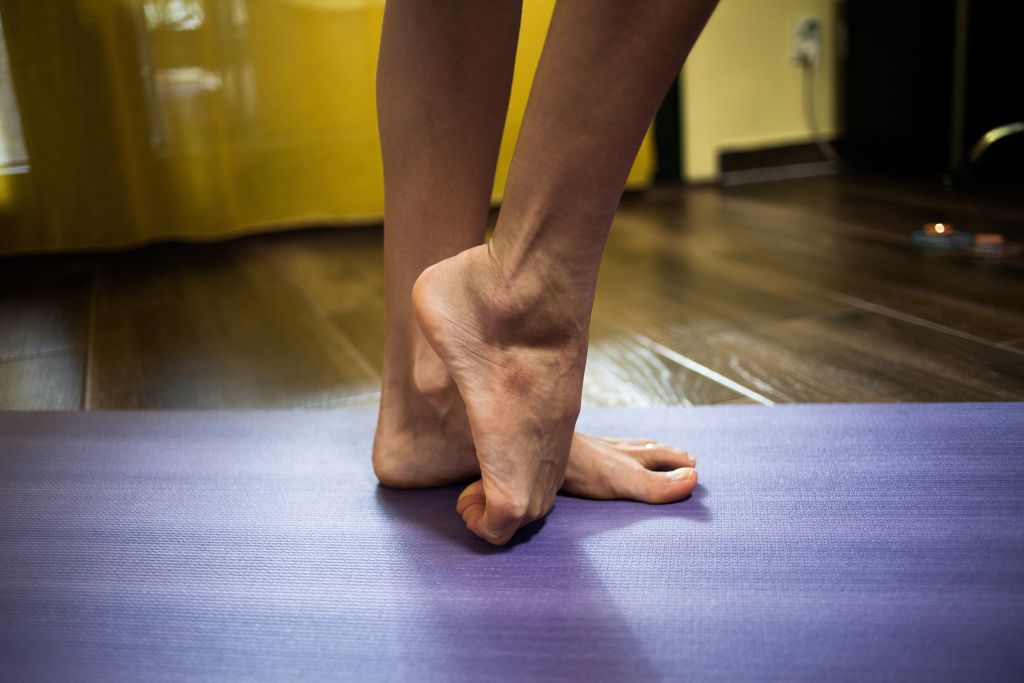
To help relieve pain, gently point your toes downward and relax. This targets the muscles and tendons across the top of your foot and stretches the anterior tibialis along your shin. Repeat this stretch ten times for best results.
Using this technique increases blood flow, reduces inflammation, and helps relax the plantar fascia.
This stretch can provide lasting relief, and you should notice significant pain improvement almost immediately.
Using this technique regularly can also help improve flat feet, reduce other types of foot pain, and lower your risk of developing plantar fasciitis again.
What if this plantar fasciitis home remedy doesn’t work?
According to evidence published in the American Family Physician, 90 percent of plantar fasciitis patients will improve with natural treatments, which include stretching, rest, activity modifications, and self-massage with ice.2
If you find that stretching doesn’t reduce pain, you may have an underlying condition such as arthritis or gout.
Plantar fasciitis is often treated with common approaches like steroid medications, injections, orthotic inserts, or even surgery.
However, these methods don’t always address the root cause and may come with unwanted side effects.
If stretching doesn’t bring relief, consider adjusting your diet as a natural alternative to support recovery and reduce reliance on conventional treatments.

How do you prevent plantar fasciitis?
Plantar fasciitis can be very painful, but there are several things that you can do to prevent it from recurring.
Try the following:
- Regularly perform leg and foot stretches
- Minimize high-impact activities
- Wear proper shoes
- Maintain a healthy body weight
In addition, following a low-carb ketogenic diet in combination with intermittent fasting can help reduce inflammation, support a healthy body weight, and promote overall musculoskeletal health.
Inflammatory foods such as carbs, sugars, and refined seed oils can contribute to inflammation in the body, which can exacerbate symptoms of plantar fasciitis.
Excess weight can place added stress on the feet, contributing to plantar fasciitis and heel pain. Supporting a healthy weight through proper nutrition and lifestyle habits can be an effective way to reduce strain and help manage or prevent this painful condition.
Physical therapy can also be helpful if your plantar fasciitis is related to an issue with your foot’s arch or structure. A physical therapist can also help if your foot pain is related to any foot injuries.
Key takeaways
- Plantar fasciitis is typically caused by repeatedly straining the plantar fascia, leading to heel pain, stiffness, and inflammation.
- Stretching the toes downward targets muscles opposite the plantar fascia, which helps promote blood flow, reduce inflammation, and relieve pain.
- Maintaining a healthy weight and avoiding inflammatory foods, such as refined carbs, sugars, and seed oils, helps support recovery from plantar-related issues.
- Most cases improve with targeted stretching, rest, adequate footwear, and low-impact exercise.
- Plantar fasciitis prevention includes regular foot and calf stretches, wearing supportive shoes, limiting high-impact activities, and following an anti-inflammatory diet.
FAQ
- 1. How can I cure plantar fasciitis in one week?
- 2. What is the quickest way to get rid of plantar fasciitis?
- 3. Can plantar fasciitis heal in a week?
- 4. What is the best painkiller for plantar fasciitis?
- 5. What should I avoid if I have plantar fasciitis?
- 6. What causes plantar fasciitis?
- 7. How do I know if I have plantar fasciitis?
- 8. How do I prevent plantar fasciitis?
- 9. Can your diet affect plantar fasciitis?


