

At a glance
Fasting during pregnancy can make it difficult to meet the increased energy and nutrient needs to support maternal health and fetal development. While intermittent fasting may be tolerated in some healthy pregnancies, it’s generally not recommended. Prioritizing nutrient-dense meals, adequate fluid intake, and nutritious whole foods supports steady energy, proper growth, and overall pregnancy outcomes.
Intermittent fasting is a popular health and wellness strategy, but is fasting while pregnant safe?
The nutritional needs of pregnant women increase to support both maternal health and optimal fetal growth and development, and fasting may make it difficult to meet these higher demands.
Here’s why a nutritious diet matters more than meal timing during pregnancy, and discover practical tips to support steady energy and optimal nutrient intake throughout each trimester.
What is fasting?
Fasting refers to the voluntary abstinence from all food and caloric beverages, and may be practiced for both health purposes and religious beliefs.
Intermittent fasting is a structured mealtime schedule that alternates between periods of eating and fasting. For example, the 16:8 method involves a 16-hour fast followed by an 8-hour eating window.
In contrast, prolonged fasting typically lasts 24 hours or longer and involves extended periods of caloric restriction.
Fasting has long been valued for its potential health benefits. During periods of caloric restriction, the body shifts from burning glucose to using stored fat for fuel, thereby supporting effective body weight management.
Calorie restriction also helps promote balanced blood sugar and insulin levels, activates cellular repair pathways, reduces inflammation, and supports hormonal balance.
This has been confirmed by research published in Microbial Physiology, summarizing that intermittent fasting has been linked to longevity, helps improve metabolic health, and positively influences hormonal changes while lowering the risk of cardiovascular disease and diabetes.
Watch the video below to learn if intermittent fasting is recommended for pregnant women.
How pregnancy changes nutritional needs
Pregnancy significantly alters a woman’s health status, increasing both metabolic demands and nutritional needs to support both maternal adaptation and the baby’s health.
While calorie needs may not increase substantially during the first trimester, early pregnancy is a critical period for central nervous system development. This makes adequate intake of key nutrients such as folate, choline, iodine, and vitamin B12 crucial.
As pregnancy progresses into the second and third trimesters, energy and protein demands increase more noticeably to support rapid fetal growth. Furthermore, calcium, vitamin D, and vitamin K needs rise to support fetal skeletal growth and maintain maternal bone health.
In addition, an increase in maternal blood volume elevates requirements for iron, B vitamins, and other nutrients involved in red blood cell production.
Meeting the specific nutritional demands of pregnancy is vital and has been found to improve maternal well-being, reduce the risk of complications, and support healthy fetal development.
Proper nourishment during each stage of pregnancy plays a critical role in influencing birth weight and long-term metabolic programming of the growing baby.
Evidence published in Epidemiologic Reviews investigated the importance of optimal nutrition on maternal and fetal outcomes, summarizing, “Maternal nutrition plays a crucial role in influencing fetal health, growth, and birth outcomes.”

How fasting affects pregnancy
While short intermittent fasting protocols may be tolerated in some healthy pregnancies, any form of caloric restriction should be approached cautiously and always under the close supervision of a healthcare provider.
Fasting triggers a range of metabolic changes that can impact blood sugar regulation, fluid and electrolyte balance, and cellular functions.
While these changes are generally considered beneficial and health-supporting, during pregnancy, they can alter the steady supply of energy and nutrients required to support fetal growth and maternal adaptation.
During the fasting period, the body is forced to utilize stored body fat as the primary fuel source, which explains why fasting is an excellent strategy for those seeking to lose weight.
However, pregnancy isn’t a time when fat loss is the goal. Instead, it’s a critical period of growth and physiological adaptation, characterized by increased energy storage and gradual, steady weight gain.
These changes help prepare the female body for labor and delivery, build nutrient reserves, support placental function, and ensure sufficient energy stores for adequate milk supply postpartum.

Concerns with fasting while pregnant
Pregnancy is a period of increased nutritional demands, and maternal fasting can make it difficult to meet the body’s energy, protein, vitamin, and mineral requirements.
Women with suboptimal dietary habits before pregnancy are at higher risk of nutrient deficiencies. Maternal intermittent fasting can compound deficiencies and may contribute to fetal growth restriction, increased pregnancy complications, and other adverse outcomes.
Due to ethical constraints in conducting research in pregnant women, there is insufficient data on the effects of fasting during pregnancy.
However, research examining pregnant women who fast during Ramadan, a religious practice, provides some insight, such as this study published in The British Journal of Nutrition reporting that Ramadan fasting during the first trimester was associated with a low birth weight.
“Pregnancy can be accompanied by morning sickness, nausea, and reduced appetite,” explains Dr. Berg. “Fasting may further limit calorie and nutrient intake, increasing the risk of dehydration, electrolyte imbalance, and inadequate weight gain.”
Even women who regularly practiced intermittent fasting before pregnancy and focused on nutrient-dense meals during the eating window can experience shifts in blood sugar balance once pregnant.
Research published in Diabetologia reports that pregnancy naturally alters glucose metabolism and insulin sensitivity to prioritize a steady nutrient supply to the developing fetus.
As a result, extended fasting periods can increase the risk of low blood sugar levels and associated issues such as dizziness, fatigue, or headaches, particularly as energy demands rise throughout gestation.
Healthy diet tips for pregnancy
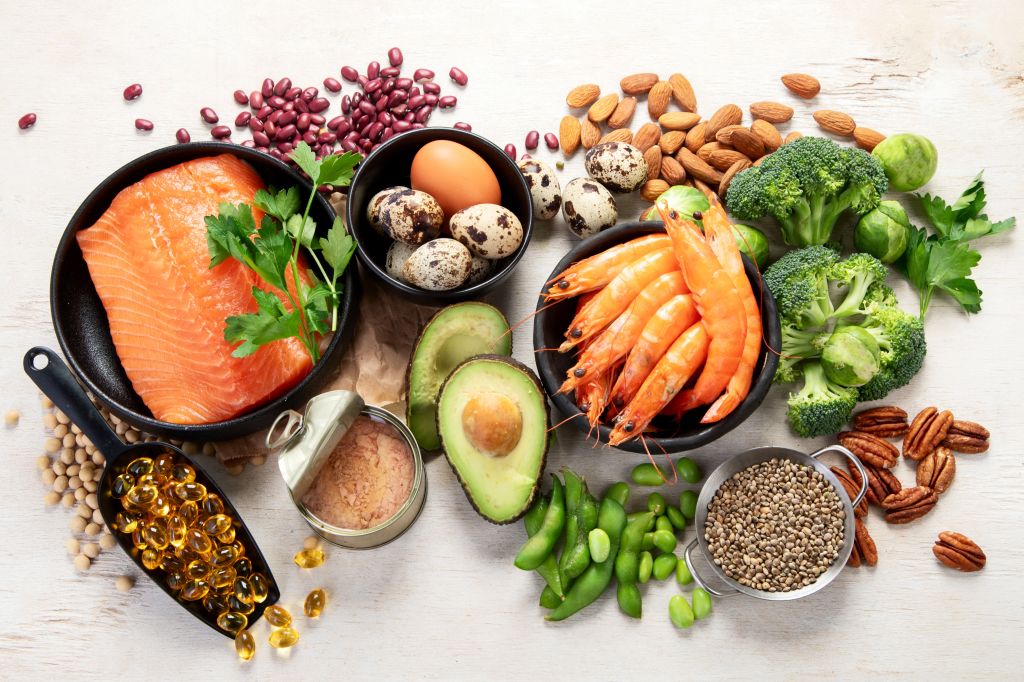
Prioritizing healthy foods, adequate fluid intake, and focusing on foods rich in key nutrients that support maternal well-being and fetal health are essential throughout pregnancy.
Here are three healthy diet tips for pregnancy.
1. Focus on minimally processed whole foods
Evidence published in BMC Pregnancy and Childbirth found a link between the consumption of ultra-processed foods and pregnancy-related complications, including impaired glucose tolerance, gestational diabetes mellitus, and preeclampsia.
The authors highlight that processed foods lack critical nutrients while contributing to hormonal and metabolic imbalances, making them a poor choice for pregnant mothers.
Instead, it’s crucial to choose minimally processed whole foods to ensure a steady supply of vitamins, minerals, fiber, high-quality protein, and healthy fats that support stable energy levels, balanced weight gain, and optimal fetal development.
These foods include non-genetically modified (non-GMO) vegetables, grass-fed meats, pasture-raised eggs, wild-caught fish, organic dairy products, and nutritious fats such as coconut or olive oil.

2. Limit refined carbohydrates and sugars
While it may be tempting to indulge in snacks, soda, and sugary foods during pregnancy, eating habits that include frequent consumption of refined carbohydrates and added sugars can lead to rapid spikes in blood sugar, increased cravings, and imbalanced energy levels.
In addition, these foods typically provide more energy than the body requires. This can lead to excessive weight gain during pregnancy, increasing the risk of gestational diabetes, hypertension, and complications during labor and delivery.
While it’s generally recommended to limit dietary carbohydrates through dietary approaches such as Healthy Keto®, drastic carb restriction during pregnancy isn’t advised.
Instead, it’s beneficial to focus on moderation and quality, choosing complex, fiber-rich carbohydrates such as whole grains, legumes, fruits, and vegetables.
Combining complex carbohydrates with protein and healthy fats helps stabilize blood sugar balance and provide sustained energy while supporting maternal well-being and optimal fetal growth.
3. Incorporate foods rich in key nutrients
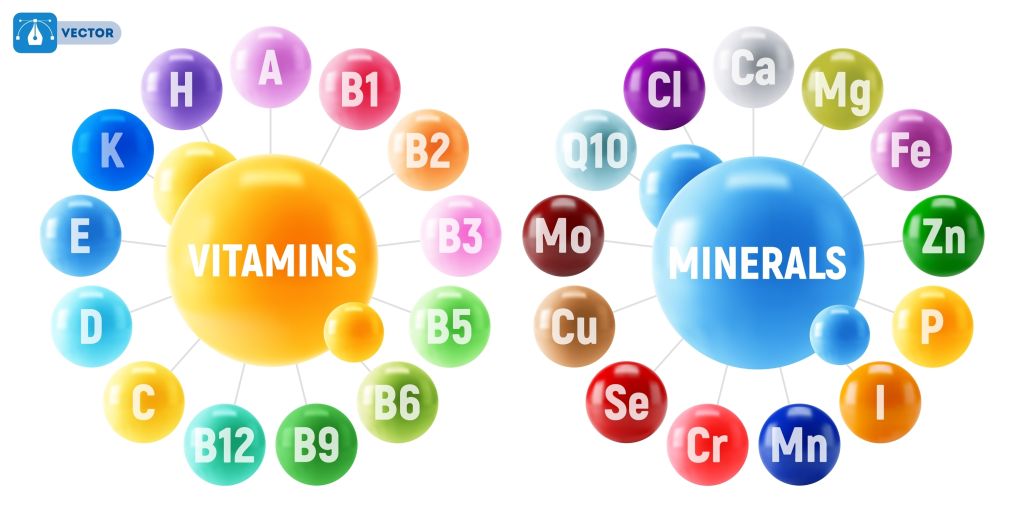
In addition to prioritizing nutritious, minimally processed whole foods to meet the energy needs of both mother and fetus, certain key nutrients play a vital role in promoting healthy pregnancy outcomes.
Here are key pregnancy nutrients and their top sources:
- Folate: Leafy green vegetables, citrus fruits, eggs, avocado, nuts
- Vitamin B12: Egg yolks, dairy products, beef, liver, fish
- Vitamin D: Sunlight, oily fish such as sardines, trout, salmon
- Choline: Beef liver, salmon, egg yolks
- Iron: Beef, organ meat, shellfish, clams
- Iodine: Seafood, dairy, sea vegetables
- Zinc: Seafood, meat, nuts, seeds
- Omega-3 fatty acids: Oily fish, chia seeds, flaxseeds, walnuts
Both vitamin B12 and folate, also known as vitamin B9, are critical for red blood cell formation, DNA synthesis, and healthy neurological development.
Iron supports oxygen transport and expanded blood volume requirements, while iodine and vitamin D promote thyroid function, bone development, and immune defenses.
Choline and omega-3 fatty acids promote brain and central nervous system development, and zinc supports cell growth, enzyme activity, and immune function in both the mother and developing child.
Key takeaways
- Intermittent fasting during pregnancy is generally not advised, as it can limit calorie and nutrient intake and negatively impact fetal and maternal health.
- Optimal maternal nutrition is critical for fetal growth, healthy neurological development, and maternal well-being.
- Key nutrients to prioritize during pregnancy include vitamins B9, B12, and D, as well as choline, iron, iodine, calcium, zinc, and omega-3 fatty acids.
- Whole, minimally processed foods provide steady energy and support stable weight gain during pregnancy.
FAQ
- 1. Can intermittent fasting be done during pregnancy?
- 2. Does fasting while pregnant affect nutrient intake?
- 3. Is time-restricted eating different from skipping meals during pregnancy?
- 4. What nutrients are most important during pregnancy?


