

At a glance
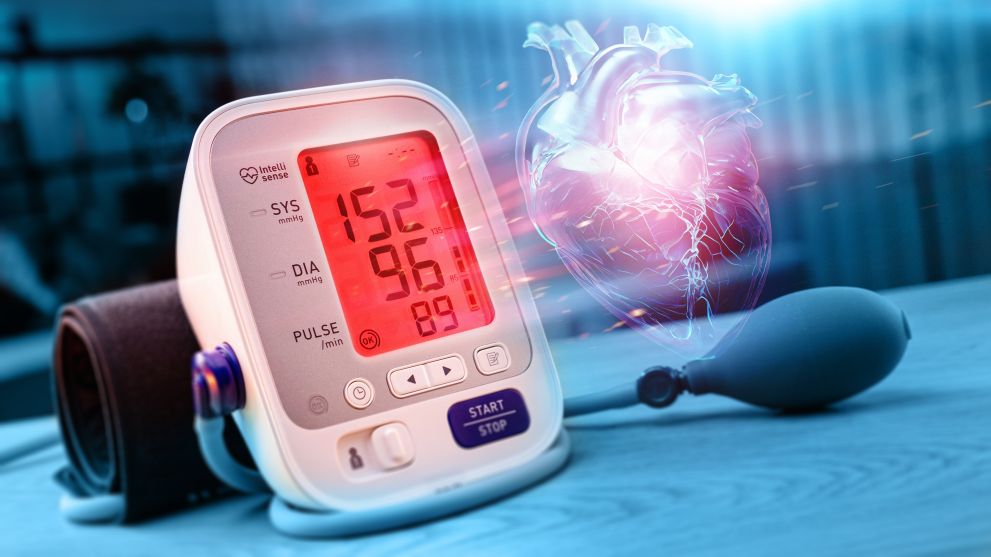
Hypertension, or high blood pressure, occurs when the force of blood against vessel walls remains too high and strains the circulatory system. It often develops without noticeable symptoms, yet it can affect the heart, kidneys, brain, and other organs over time. Understanding how blood pressure is measured and what influences it helps support long-term cardiovascular health.
Elevated blood pressure places significant strain on the cardiovascular system and is a leading cause of kidney disease and serious health problems, including stroke and heart attacks.
Discover how to beat hypertension with nine targeted dietary and lifestyle changes that support the body’s ability to control high blood pressure.
What is hypertension?
Blood pressure relates to the force of blood pushing against blood vessel walls as the heart pumps it through the body.
Hypertension, also known as high blood pressure, is a potentially serious cardiovascular condition that develops when the body is unable to effectively regulate the pressure within blood vessels.
Most cases of hypertension arise from increased blood volume that raises pressure within the circulatory system.
In addition, stiff arteries, often linked to aging, vascular calcification, and arterial plaque formation, can make it harder for blood vessels to expand, further impairing the body’s ability to regulate blood pressure effectively.
Blood pressure readings are expressed through systolic pressure, which reflects the force when the heart beats, and diastolic pressure, which shows the force when the heart rests between beats.
Blood pressure measurements are expressed by stating the systolic reading first, followed by the diastolic value.
According to data published by the Centers for Disease Control (CDC), blood pressure readings of
120/80 mmHg are considered normal, whereas readings that are consistently at or above 130/80 mmHg are indicative of hypertension.
Watch the video below to discover the most common cause of hypertension.
Why managing blood pressure matters
Elevated blood pressure places considerable strain on the circulatory system and negatively affects the kidneys, brain, and liver, which, over time, can lead to serious health problems.
Hypertension means the force of blood against vessel walls stays too high, which can damage and stiffen blood vessels, make the heart work harder, and interfere with the functioning of critical organs.
Research published in Preventing Chronic Diseases found that hypertension contributes to:
- Heart failure
- Heart attack
- Stroke
- Atherosclerosis
- Atrial fibrillation
- Kidney disease
- Dementia
Hypertension typically presents without obvious symptoms or warning signs, highlighting the importance of regular blood pressure checks to monitor cardiovascular health.
Annual check-ups or measuring your blood pressure at home with a blood pressure monitor allow for early detection and timely intervention, reducing the risk of long-term complications.
According to data published by the Centers for Disease Control (CDC), nearly 50 percent of U.S. adults have hypertension, but only about half of them are aware of it. This leaves many at risk of long-term health issues.

Common high blood pressure causes and risk factors
While some individuals are at a higher risk of hypertension due to a family history and genetic factors, most cases of high blood pressure are linked to poor dietary and lifestyle habits.
A diet high in processed foods, refined carbohydrates, sugars, and excessive salt is a significant risk factor in the development of hypertension.
Processed foods often contain excessive amounts of sodium, which directly stimulates fluid retention, causing increased blood volume and subsequently hypertension.
Poor dietary habits can also lead to deficiencies in key nutrients that help regulate blood pressure, including potassium, magnesium, and omega‑3 fatty acids.
Furthermore, a diet high in carbs and sugars is a primary cause of insulin resistance and obesity, both of which can raise blood pressure and negatively impact circulatory health.
“Insulin, the hormone that regulates blood sugar, prompts the kidneys to retain more fluid and sodium, which helps explain why people with diabetes or poor metabolic health often develop high blood pressure,” says Dr. Berg.
Other lifestyle factors that can increase the risk of hypertension include:
- Sedentary lifestyle
- Stress
- Lack of sleep
- Consuming too much alcohol
- Excessive caffeine use
- Smoking and vaping
Lifestyle strategies to support healthy blood pressure
Effectively managing blood pressure is vital to supporting long-term heart health, and while there are various blood pressure medicines available, these often have a long list of side effects.
Naturally, many people are adopting beneficial dietary and lifestyle strategies to support circulatory health.
Here are nine heart-healthy lifestyle changes that can help manage high blood pressure naturally.
1. Maintain a healthy weight
Losing weight is an important step to lower blood pressure, as excess body weight increases blood volume to meet the body’s demands, placing extra strain on the heart and arteries.
Research published in Nutrients summarizes, “It has been shown that moderate weight loss has a blood pressure-lowering effect in both hypertensive and non-hypertensive patients.”
Key strategies for effective weight loss include:
- Avoid processed foods, sugars, and refined carbohydrates
- Focus on a nutrient-dense low-carb diet
- Stay physically active
- Prioritize sleep and stress management
2. Reduce processed foods
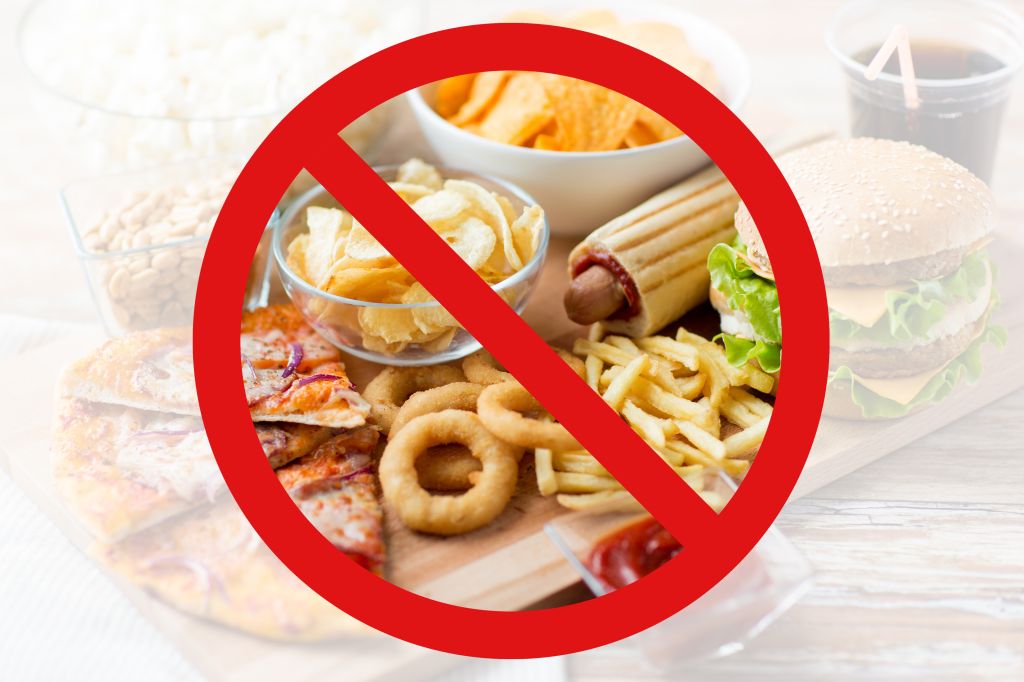
To support healthy blood pressure, it’s crucial to eat fewer processed foods or avoid them altogether.
These foods are packed with sodium, added sugars, refined carbohydrates, and unhealthy seed oils while lacking the nutrients your body needs to regulate blood pressure.
Regularly consuming processed foods can also lead to fluid retention, weight gain, and insulin resistance, all of which increase the risk of hypertension.
3. Follow a nutritious, low-carb diet
Adopting a nutritious low-carb diet such as Healthy Keto® can help control high blood pressure by supporting balanced blood sugar and insulin levels.
In fact, evidence published in Annals of Family Medicine found that a very low-carbohydrate diet appears more effective in improving blood pressure than Dietary Approaches to Stop Hypertension (DASH) diets, a widely recommended eating plan for lowering blood pressure.
Healthy Keto emphasizes organic produce, high-quality proteins, and nourishing fatty acids, providing heart-supporting nutrients such as potassium, magnesium, and omega-3 fats that help maintain circulatory functions and blood pressure control.
4. Practice intermittent fasting
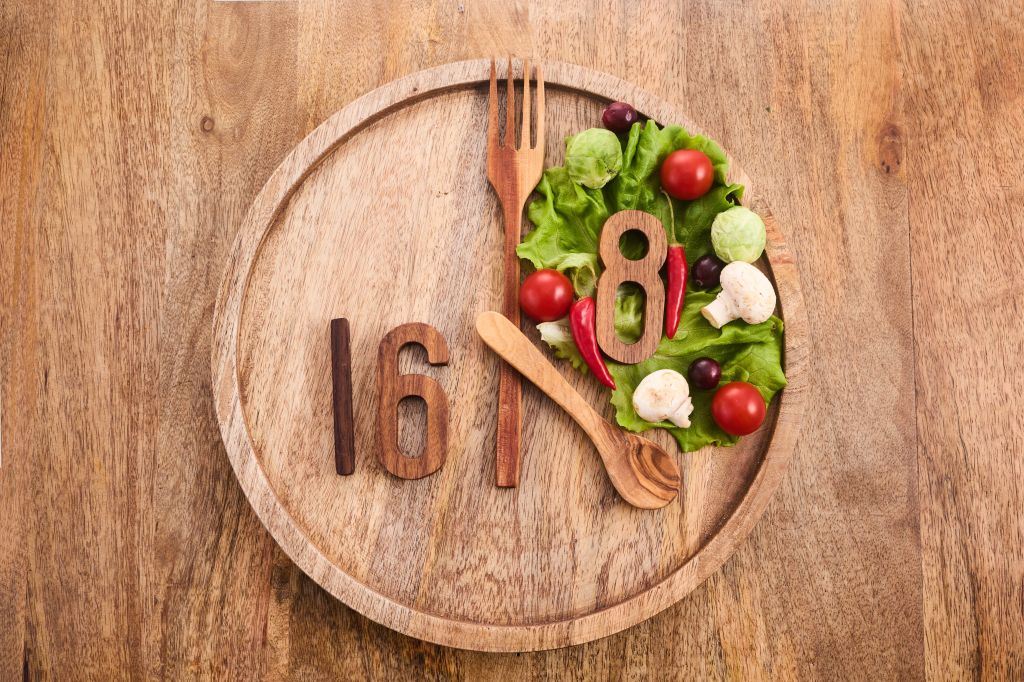
Intermittent fasting is a mealtime pattern that alternates between periods of caloric restriction and time-designated eating windows.
Combining intermittent fasting with a Healthy Keto diet is an excellent strategy to support cardiovascular health and better blood pressure control.
Intermittent fasting not only helps promote a healthy body weight but also supports balanced insulin levels. This can counteract the blood-pressure-raising effects of insulin and high blood sugar, which are typically caused by frequent snacking and a high-carb diet.
5. Increase potassium-rich foods
Ensuring a balanced intake ratio of sodium to potassium can play a crucial role in helping control blood pressure.
Potassium is a key electrolyte that counteracts sodium’s water-retaining effects, which supports the body’s fluid balance and reduces pressure within the circulatory system. Adequate potassium intake also supports normal heart rhythm and blood vessel relaxation.
Unfortunately, many people consume significantly more than the recommended 1200 mg of sodium while not obtaining the 4700 mg of potassium needed each day. This creates an imbalance in the sodium-to-potassium ratio, which is a well-known trigger for hypertension.
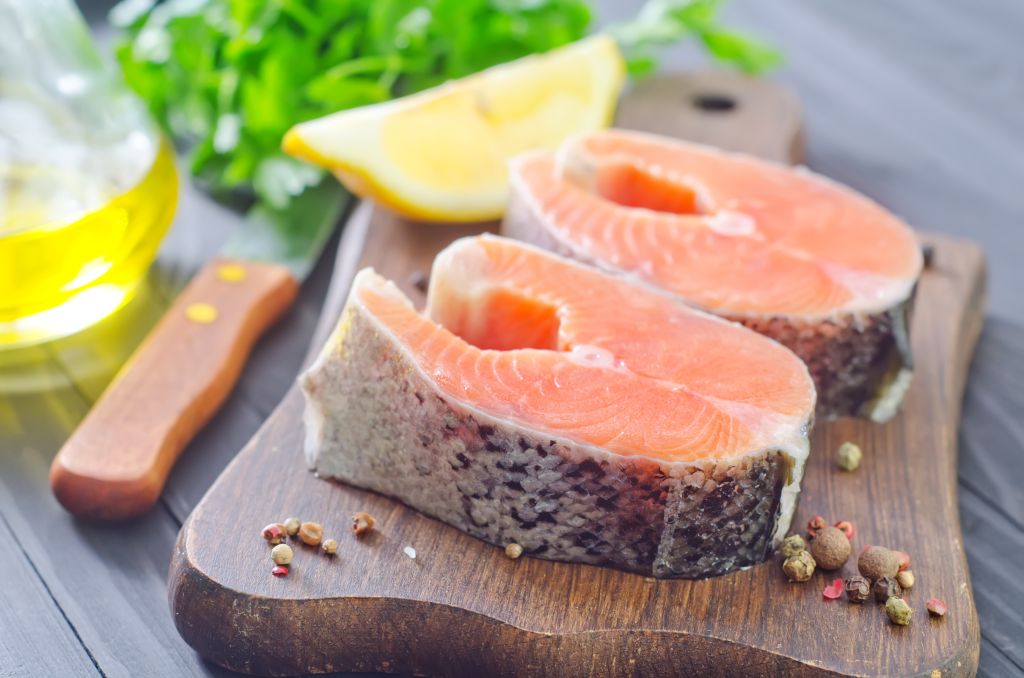
It’s important to carefully read food labels to identify products containing excessive amounts of salt and prioritize potassium-rich foods such as green leafy vegetables, beet tops, avocados, salmon, and pumpkin seeds.
6. Incorporate omega-3 fatty acids
Optimal blood pressure control requires well-functioning blood vessels that can relax and widen to regulate blood flow. When arteries are flexible, the heart doesn’t have to work as hard to pump blood, keeping pressure within a healthy range.
Omega-3 fatty acids, especially eicosapentaenoic acid (EPA) and docosahexaenoic acid (DHA), support blood vessel elasticity and enhance nitric oxide production, which signals vessels to relax.
Oily fish such as Atlantic mackerel, salmon, anchovies, and sardines are some of the best dietary sources of EPA and DHA, and should be included regularly in a heart-healthy diet.
7. Manage stress
Stress triggers a cascade of hormonal and metabolic changes that constrict blood vessels, increase fluid retention, and raise heart rate, all of which elevate blood pressure.
In addition, chronic stress can impact sleep and trigger cravings for unhealthy foods, which can further contribute to poor circulatory health.
This explains why effective stress management through engaging in hobbies, maintaining social connections, or spending time outdoors can play an important role in helping lower high blood pressure.

8. Prioritize sleep
Research published by the American Journal of Hypertension reports a clear link between sleep and blood pressure, showing that inadequate sleep is a significant risk factor for hypertension.
The study highlights that prioritizing sleep, alongside a healthy diet and regular exercise, can significantly support blood pressure control, improve heart health, and reduce the risk of long-term complications.
Maintaining a consistent sleep routine, aiming for 7 to 9 hours per night, and creating a calming and relaxing bedtime environment are key steps to supporting blood pressure.
9. Stay physically active
Regular physical activity helps keep blood vessels flexible and elastic, allowing them to widen and contract efficiently, which supports healthy blood pressure.
Exercise also strengthens the heart, improves circulation, and helps maintain a healthy body weight, all of which reduce strain on the cardiovascular system.
Aerobic activities such as walking, cycling, or swimming are especially beneficial for supporting optimal blood pressure control, while strength training helps promote overall cardiovascular wellness.

When to talk to your doctor
It’s essential to consult a health care professional if you are worried about your blood pressure or overall heart health.
It’s also vital to seek medical care if you notice consistently high blood pressure readings at home or are experiencing dizziness, headaches, chest pain, or shortness of breath.
Your doctor can help evaluate your symptoms, identify potential underlying health issues, and determine whether blood pressure medications are necessary.
Even if you are managing blood pressure through diet, exercise, or lifestyle changes, regular check-ups are essential, especially if you have health conditions such as diabetes, kidney disease, or heart problems.
Key takeaways
- Hypertension occurs when blood pressure remains too high, with 120/80 mmHg normal and 130/80 mmHg or higher indicating high blood pressure.
- Poor diet and lifestyle habits, including excess sodium and inactivity, raise the risk of hypertension.
- Healthy weight management, balanced eating, physical activity, stress control, and adequate sleep support normal blood pressure.
FAQ
- 1. Can lifestyle changes really help with hypertension?
- 2. What foods support healthy blood pressure?
- 3. Is exercise safe if I have high blood pressure?
- 4. How much salt is too much?
- 5. What are some natural ways to relax and reduce stress?
- 6. When should I see a doctor about my blood pressure?
- 7. Is keto good for blood pressure levels?
Sources
- “About High Blood Pressure.” Centers for Disease Control and Prevention. About High Blood Pressure | High Blood Pressure | CDC. cdc.gov.
- Ahuja R, Ayala C, Tong X, Wall HK, Fang J. Public Awareness of Health-Related Risks From Uncontrolled Hypertension. Preventing chronic disease. 2018;15:E40. doi:10.5888/pcd15.170362 Public Awareness of Health-Related Risks From Uncontrolled Hypertension. pmc.ncbi.nlm.nih.gov.
- “Products.” Centers for Disease Control and Prevention. Products – Data Briefs – Number 511 -October 2024. cdc.gov.
- Fantin F, Giani A, Zoico E, Rossi AP, Mazzali G, Zamboni M. Weight Loss and Hypertension in Obese Subjects. Nutrients. 2019;11(7). doi:10.3390/nu11071667 Weight Loss and Hypertension in Obese Subjects. pmc.ncbi.nlm.nih.gov.
- “Comparing Very Low-Carbohydrate vs DASH Diets for Overweight or Obese Adults With Hypertension and Prediabetes or Type 2 Diabetes: A Randomized Trial.” Annfammed. https://www.annfammed.org/content/21/3/256
- Bock JM, Vungarala S, Covassin N, Somers VK. Sleep Duration and Hypertension: Epidemiological Evidence and Underlying Mechanisms. American journal of hypertension. 2022;35(1):3-11. doi:10.1093/ajh/hpab146 Sleep Duration and Hypertension: Epidemiological Evidence and Underlying Mechanisms. pmc.ncbi.nlm.nih.gov.
Related Articles
-
What Is Caffeine Sensitivity? Symptoms and Causes
 Nervous system health
What Is Caffeine Sensitivity? Symptoms and Causes
At a glance Caffeine sensitivity occurs when small or moderate amounts of caffeine trigger an exaggerated stimulant response, such as jitters, anxiety, a rapid heartbeat, headaches, or poor sleep. Because…08/27/2026 -
Why You Crave Salt: 7 Causes
 Minerals
Why You Crave Salt: 7 Causes
At a glance Sodium is essential for supporting healthy nerve function, muscle contractions, and fluid balance. When sodium levels are imbalanced due to dietary, lifestyle, or other personal factors, it…06/11/2026 -
Can Fasting Lower Cholesterol?
 Fasting
Can Fasting Lower Cholesterol?
At a glance Fasting can help lower cholesterol levels by promoting the use of body fat for energy, supporting a healthy weight, reducing inflammation, and maintaining balanced insulin levels. Incorporating…05/01/2026 -
Why Am I Feeling Weak and Shaky? 7 Possible Causes
 Health concerns
Why Am I Feeling Weak and Shaky? 7 Possible Causes
At a glance Feeling weak and shaky can indicate poor blood sugar regulation, dehydration, electrolyte imbalances, or nutrient deficiencies, which can disrupt normal energy production, nervous system signaling, and muscle…03/12/2026 -
What Are the Best Foods to Eat While Taking Warfarin?
 Health concerns
What Are the Best Foods to Eat While Taking Warfarin?
At a glance Warfarin works by affecting the way the body utilizes vitamin K, which helps prevent blood clots. While some foods should be limited, individuals taking warfarin are encouraged…12/08/2025 45k views -
7 Benefits of Magnesium
 Nutrition
7 Benefits of Magnesium
At a glance The benefits of magnesium extend across many essential bodily functions, yet deficiency is common due to inadequate intake or reduced absorption. Because magnesium supports muscles, nerves, bones,…04/09/2025 24.8k views -
7 Foods High in Potassium
 Nutrition
7 Foods High in Potassium
At a glance Potassium is an essential electrolyte that supports muscle function, heart health, nerve signaling, and fluid balance. While bananas are often considered a good dietary source, several other…04/09/2025 70.5k views -
Four Powerful Vitamins (Nutrients) That Remove Plaque from Arteries
 Health concerns
Four Powerful Vitamins (Nutrients) That Remove Plaque from Arteries
At a glance Arterial plaque forms as a response to blood vessel damage, which can be influenced by various lifestyle habits. While reducing common stressors is essential, specific nutrients can…04/09/2025 61.6k views -
Health Benefits of Nattokinase
 Nutrition
Health Benefits of Nattokinase
At a glance Nattokinase is a natural enzyme found in natto, a traditional Japanese food made from fermented soybeans. It helps maintain healthy blood flow, supports normal cholesterol and blood…04/09/2025 16.5k views -
7 Tips to Lower Blood Pressure Naturally
 Health concerns
7 Tips to Lower Blood Pressure Naturally
At a glance Blood pressure reflects how forcefully blood moves through the arteries and is measured using systolic and diastolic values. Elevated levels can strain the heart and blood vessels,…04/09/2025 23.7k views


