

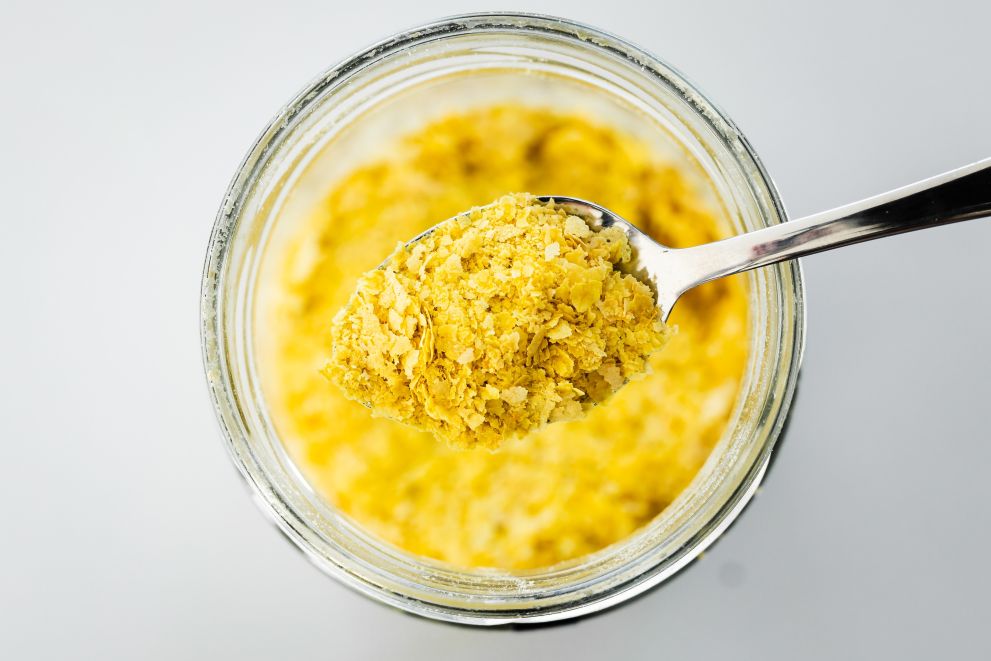
At a glance
Fortified and non-fortified nutritional yeast come from the same deactivated yeast but differ in whether synthetic vitamins are added after processing. Incorporating nutritional yeast into your meals is an excellent way to naturally support healthy nutrient intake, and the right choice between fortified and non-fortified nutritional yeast depends on your health goals, ingredient preferences, and manufacturing standards.
Fortified vs. non-fortified nutritional yeast: What’s the difference, and is one better than the other?
Nutritional yeast adds a nutrient-dense, savory flavor to many recipes, but not all nutritional yeast products offer the same nutritional properties.
Discover the key differences between fortified and non-fortified versions, the benefits of nutritional yeast, and learn what to look for when choosing a product.
What is fortified nutritional yeast?
Fortified nutritional yeast is a version of deactivated Saccharomyces cerevisiae yeast that’s been enriched with synthetic vitamins via the manufacturing process, in addition to the naturally occurring nutrients already produced by the yeast.
These include vitamins B1, B2, B3, B6, folic acid, and B12, raising the label values well above those provided naturally by unfortified yeast. Some fortified products are also enriched with minerals such as iron.
Because synthetic vitamins are inexpensive to produce, many nutritional yeast products available at the grocery store are fortified.
What is non-fortified nutritional yeast?
Non-fortified nutritional yeast, or unfortified nutritional yeast, is also a deactivated form of Saccharomyces cerevisiae, but it contains only the vitamins and minerals naturally synthesized by the yeast cells during growth, with no added vitamins or synthetic additives.
Unfortified nutritional yeast is naturally rich in several B vitamins, including B1, B2, B3, B6, and folate, along with minerals and beta-glucans—a type of fiber found in yeast cell walls. According to research published in Discover Food, beta-glucan supplementation in children shows immune system-supporting properties, adding to the nutritional benefits of non-fortified nutritional yeast.
Unfortified nutritional yeast also contains glutathione, which is often referred to as the master antioxidant. Glutathione is the most abundant antioxidant found in cells and plays a crucial role in recycling other antioxidants, supporting liver detoxification, and maintaining mitochondrial health.

Fortified vs. non-fortified nutritional yeast: how do they compare?
Fortified and non-fortified nutritional yeast—often nicknamed “nooch”—come from the same species of yeast, Saccharomyces cerevisiae, and undergo similar initial processing. As a result, both provide many of the same nutritional content, including several B vitamins, essential minerals, protein, and antioxidant compounds.
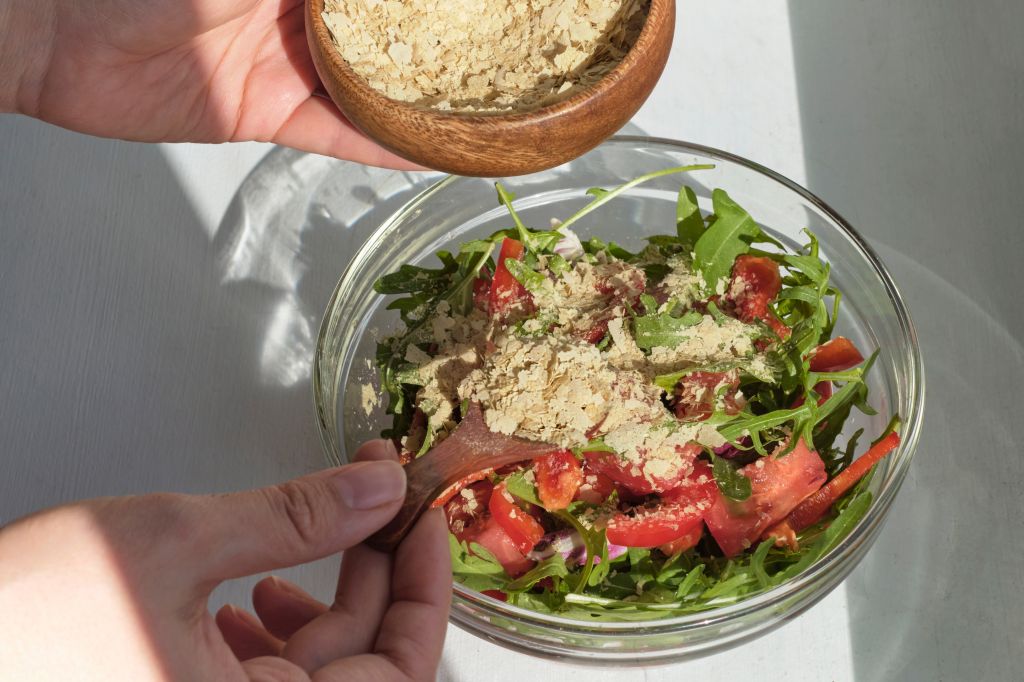
Most nutritional yeast products are sold as nutritional yeast flakes, granules, or powder. Typically, they supply all nine essential amino acids and are shelf-stable. The variety of forms and long shelf-life make nutritional yeast a popular pantry staple—especially for keto, vegan, and vegetarian diets.
Their main differences lie in the vitamin content and how those vitamins are delivered. Fortified nutritional yeast has synthetic vitamins added after processing to boost label values. The key distinction between synthetic and naturally occurring vitamins is not only their origin, but also how the body converts and utilizes them.
“Many people see the high vitamin levels on fortified products and assume they must be the better option,” explains Dr. Berg, “but a higher number on the label doesn’t necessarily mean the body will use those nutrients more effectively.”
For example, folic acid and cyanocobalamin—the synthetic forms of vitamins B9 and B12 commonly used in fortification—must first be converted by the body into their active forms before they can be used, and this conversion can be less effective in some individuals than others.
In contrast, many of the naturally occurring nutrients in unfortified nutritional yeast are already present in highly bioavailable forms.
Individuals who prioritize minimally processed foods and natural nutrient uptake often prefer to eat nutritional yeast that is non-fortified. However, because non-fortified nutritional yeast typically lacks vitamin B12, individuals looking to support B12 status will need to source it elsewhere.
Research published in Integrative Medicine suggests that naturally bioidentical forms of B12, such as methylcobalamin and hydroxocobalamin (which are generally more bioavailable), may be preferable to synthetic cyanocobalamin used in many fortified products.
Finally, taste and texture can also differ between fortified and non-fortified nutritional yeast. Many people find that non-fortified nutritional yeast has a cleaner, cheesy, umami flavor, making it a versatile ingredient and a great substitute for Parmesan cheese. Fortified versions are sometimes described as slightly bitter or metallic, likely due to their added synthetic components.
How to choose between fortified and non-fortified nutritional yeast
Choosing between fortified and non-fortified nutritional yeast depends on your dietary needs and priorities.
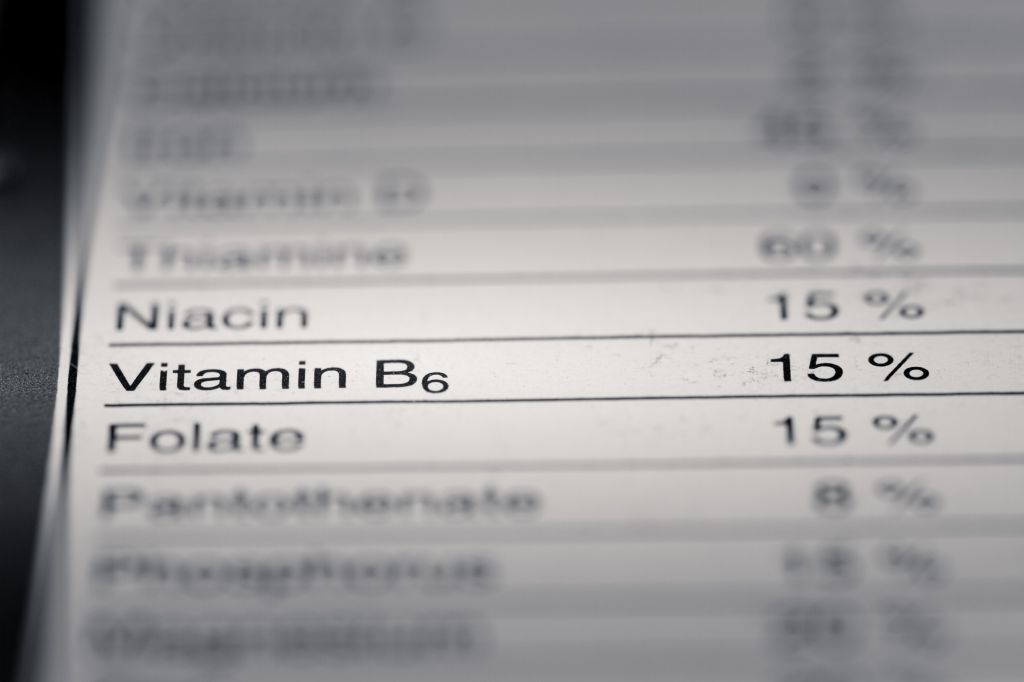
If you prefer nutrients in their naturally occurring forms and want to limit synthetic additives, non-fortified nutritional yeast may be the best choice. To identify it, check the ingredient list: if only yeast is listed and no separate vitamins are added, it’s typically non-fortified.
If you don’t obtain vitamin B12 from animal foods, a B12-fortified nutritional yeast can be useful as part of an overall strategy to support adequate intake. When considering fortified options, products that use naturally occurring forms of B12, such as methylcobalamin, rather than cyanocobalamin, may support better utilization.
It’s important to note that fortified products can deliver vitamin levels that significantly exceed daily requirements for some nutrients. Anyone with questions about which form or amount best fits their needs—especially individuals with conditions that affect vitamin conversion—should consult a healthcare professional before choosing a fortified product for regular use.
Regardless of the type you choose, it’s recommended to opt for products with high manufacturing standards. Certifications such as organic, non-GMO, and halal can reflect additional oversight in sourcing and production.
Key takeaways
- Fortified vs. non-fortified nutritional yeast refers to whether synthetic vitamins have been added after the yeast is deactivated and dried.
- Non-fortified nutritional yeast has a cheesy flavor and provides naturally occurring essential nutrients produced by the yeast cells, including B vitamins, essential amino acids, beta-glucans, and minerals.
- Fortified nutritional yeast products contain synthetic vitamins, some of which may be less bioavailable and require conversion before the body can fully utilize them.
- Unfortified nutritional yeast is generally recommended to support naturally occurring nutrient intake without synthetic additives.
FAQ
- 1. Which is better, fortified or unfortified nutritional yeast?
- 2. What does “fortified” mean on a nutritional yeast product?
- 3. Does non-fortified nutritional yeast contain B vitamins?
- 4. How can you tell if nutritional yeast is fortified?