

At a glance
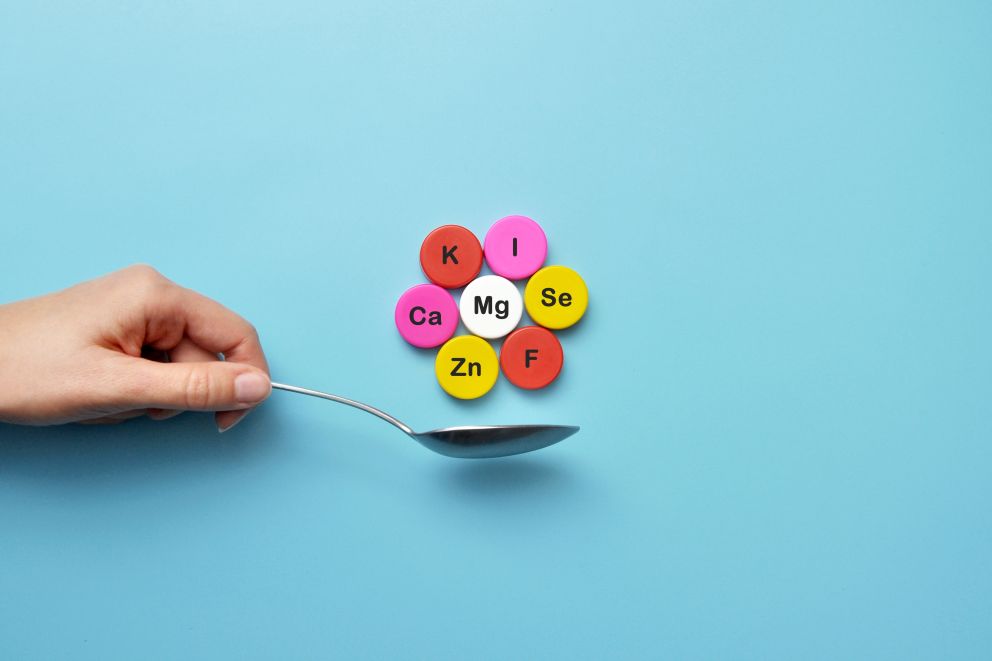
Mineral-rich foods contribute to many processes involved in cellular activity, tissue maintenance, nerve communication, and physical performance. Many foods, such as sardines, seaweed, Brazil nuts, and grass-fed beef, provide concentrated sources of minerals, including selenium, magnesium, and calcium. Eating a wider range of whole foods can help maintain sufficient mineral intake and support long-term nutritional health.
Minerals are essential nutrients that support important functions throughout the body, including energy production, muscle function, hydration, and bone health.
Since the body can’t produce minerals on its own, they must come from nutrient-dense foods such as seafood, leafy green vegetables, and quality protein.
Let’s explore seven foods high in minerals and how they can help support overall optimal health and well-being.
What are minerals?
Minerals are naturally occurring inorganic elements found in soil and water that the body needs to survive and maintain normal function.
Unlike vitamins, which are organic compounds, minerals originate in the earth and enter the food supply through plants, water, and animal products.
According to the National Center for Complementary and Integrative Health (NCCIH), the minerals that are essential for health include the following:
- Calcium
- Phosphorus
- Potassium
- Sodium
- Chloride
- Magnesium
- Iron
- Zinc
- Iodine
- Sulfur
- Cobalt
- Copper
- Fluoride
- Manganese
- Selenium
Minerals are commonly divided into two groups: macrominerals and trace minerals.
Macrominerals, including calcium, potassium, magnesium, phosphorus, sodium, and chloride, are needed in larger amounts to help maintain bone structure, fluid balance, muscle contractions, and nerve communication.
Trace minerals are required in smaller amounts but remain important for many biological functions.
For example, iron assists with oxygen transport through the bloodstream, zinc contributes to immune and tissue function, and iodine supports thyroid hormone production.
Although dietary supplements are available, many minerals can be naturally obtained through whole foods commonly included in a nutritious diet.
Watch the video below to learn which foods may deplete important nutrients.
Why does mineral diversity in foods matter?
“Minerals support important parts of the immune system and help regulate inflammation throughout the body,” explains Dr. Berg. “They also help support the body’s short-term defenses against harmful pathogens and longer-term immune responses that help maintain a healthy balance in inflammation levels.”
Not getting enough minerals, such as magnesium, zinc, copper, iron, and selenium, may weaken immune defenses and, over time, affect the body’s ability to properly regulate inflammation.
Eating a wide range of nutritious foods can help the body obtain the different minerals needed for many essential biological processes and support overall health.

Seven foods rich in minerals
Many whole foods contain a combination of minerals that work together to support normal body function.
The following seven foods stand out for their mineral content and nutrient density.
1. Sardines
Sardines are small, oily fish that provide calcium, phosphorus, potassium, and selenium, making them a highly nutrient-dense seafood option.
They also contain vitamin D and healthy fats that help support the absorption of fat-soluble vitamins. Evidence published in Frontiers in Nutrition suggests that sardines provide omega-3 fatty acids and minerals that may support cardiovascular and metabolic health.
Because sardines are often eaten whole, including the soft bones, more naturally occurring minerals are retained compared to many heavily processed seafood products.
According to the U.S. Department of Agriculture (USDA), 100 grams (g) of sardines (Atlantic, canned in oil, drained solids with bone) provides the following minerals:
- Phosphorus: 490 mg
- Potassium: 397 mg
- Calcium: 382 mg
- Selenium: 52.7 mcg
2. Spinach
Spinach is one of several potassium-rich foods that also provide minerals essential for hydration, muscle contractions, circulation, and metabolic processes.
Moreover, spinach provides vitamin A and vitamin C, which contribute to its reputation as one of the more nutrient-dense leafy greens.
A mild flavor and soft texture make spinach easy to incorporate into omelets, soups, smoothies, salads, and sautéed vegetable dishes.
According to the U.S. Department of Agriculture (USDA), 100 g of mature spinach provides approximately the following quantities of nutrients:
- Potassium: 460 mg
- Magnesium: 93 mg
- Calcium: 67 mg
- Phosphorus: 41 mg
3. Eggs
Eggs provide several important trace minerals, such as selenium, iron, and zinc, that help support normal growth, circulation, thyroid function, and cellular maintenance.
Many of these nutrients are concentrated in the yolk, along with healthy fats and high-quality protein.
According to the U.S. Department of Agriculture (USDA), 100 g of whole Grade A large eggs delivers approximately the following minerals:
- Sodium: 129 mg
- Iodine: 49.1 mcg
- Iron: 1.67 mg
- Zinc: 1.24 mg

4. Seaweed
Seaweed is a mineral-rich marine plant commonly found along rocky coastlines and used in many traditional coastal cuisines.
One variety, Irish moss, is especially valued for its broad mineral profile and is often soaked and blended into smoothies, soups, teas, and homemade desserts.
According to the U.S. Department of Agriculture (USDA), raw Irish moss provides the following minerals per 100 g:
- Phosphorus: 157 mg
- Magnesium: 144 mg
- Calcium: 72 mg
- Potassium: 63 mg
5. Avocados
Avocados are fruits rich in potassium and magnesium, minerals involved in fluid balance, nerve signaling, and muscle function.
The avocado’s creamy texture makes it easy to incorporate into meals such as salads, omelets, smoothies, and homemade dips like guacamole.
According to the U.S. Department of Agriculture (USDA), Hass avocados, peeled and raw, supply the following minerals per 100 g:
- Potassium: 576 mg
- Phosphorus: 42 mg
- Magnesium: 32.8 mg
- Calcium: 14 mg

6. Brazil nuts
Brazil nuts are tree nuts native to the Amazon rainforest, known for their high mineral content and rich, buttery texture. They can be eaten on their own or added to trail mixes, yogurt, and homemade baked goods.
Their mineral content is especially concentrated compared to that of many other nuts.
According to the U.S. Department of Agriculture (USDA), 100 g of dried, unblanched Brazil nuts contains approximately:
- Potassium: 659 mg
- Magnesium: 376 mg
- Calcium: 160 mg
- Zinc: 4.06 mg
- Selenium: 1920 mcg
7. Grass-fed beef
Compared to conventional beef, grass-fed beef is often valued for its preferable nutrient profile and natural feeding practices. Beef is a good source of minerals, vitamins, and healthy fats for anyone looking to support nutrient absorption.
According to the U.S. Department of Agriculture (USDA), ground grass-fed beef provides the following minerals per 100 grams:
- Potassium: 289 mg
- Phosphorus: 175 mg
- Magnesium: 19 mg
- Calcium: 12 mg

Signs of mineral deficiency
Minerals are involved in many processes that help the body function efficiently each day, which means low mineral intake can affect multiple systems over time.
Early signs are often subtle and may gradually appear as mineral levels decline.
Since each mineral has a different role in the body, symptoms can vary depending on the specific nutrient involved.
Common signs associated with inadequate mineral intake may include the following:
- Muscle cramps or twitching
- Persistent fatigue or low energy
- Weakness during physical activity
- Brain fog or difficulty concentrating
- Dry skin or brittle nails
- Increased susceptibility to illness
- Irregular heartbeat or palpitations
- Tingling or numbness in the hands and feet
- Changes in appetite
- Bone discomfort or reduced bone strength
- Issues with energy metabolism
Consistently eating a variety of whole foods that naturally provide minerals can help reduce the likelihood of long-term deficiencies.

How to add more minerals to your diet
Choosing foods with higher nutrient density can help increase mineral intake without drastically changing your diet.
Ingredients such as cruciferous vegetables, seafood, eggs, and grass-fed meats provide a broader range of minerals than many heavily refined convenience foods.
Cooking more meals at home can also make a noticeable difference by allowing greater control over ingredients, preparation methods, and food quality.
In addition, rotating ingredients throughout the week, such as using different vegetables, protein sources, and whole-food side dishes, can help create more nutritious meals.
Key takeaways
- Minerals support hydration, circulation, nerve signaling, muscle function, energy production, and immune function.
- Sardines, spinach, eggs, seaweed, avocados, Brazil nuts, and grass-fed beef provide a wide range of essential minerals.
- Low mineral intake may contribute to fatigue, muscle cramps, brain fog, brittle nails, and reduced physical performance.
FAQ
- 1. Which food is the richest in minerals?
- 2. Which food has 92 minerals?
- 3. How do I get all the minerals my body needs?
- 4. What are the signs of low minerals?
- 5. Which foods are the least nutritious?
Sources
- https://www.nccih.nih.gov/health/vitamins-and-minerals
- https://pmc.ncbi.nlm.nih.gov/articles/PMC10153001/
- https://fdc.nal.usda.gov/food-details/175139/nutrients
- https://fdc.nal.usda.gov/food-details/1999633/nutrients
- https://fdc.nal.usda.gov/food-details/748967/nutrients
- https://fdc.nal.usda.gov/food-details/168456/nutrients
- https://fdc.nal.usda.gov/food-details/2710824/nutrients
- https://fdc.nal.usda.gov/food-details/170569/nutrients
- https://fdc.nal.usda.gov/food-details/168608/nutrients


