

At a glance
The carnivore diet relies solely on animal-based foods, eliminating all plants and carbohydrate sources. This shift can support weight regulation, stabilize blood sugar levels, and help lower inflammation. However, the restrictive nature of this diet can lead to inadequate fiber intake and micronutrient deficiencies over time.
A carnivore diet weight loss approach involves an all-animal-food eating pattern that excludes plant foods entirely.
This dietary pattern alters how the body fuels itself, relying more on fat and lean protein by removing carbohydrates, which can change hunger signals and hormone release.
Understanding both the benefits and possible risks of a carnivore diet is essential before determining whether this highly restrictive approach aligns with your individual health goals.
What is the carnivore diet?
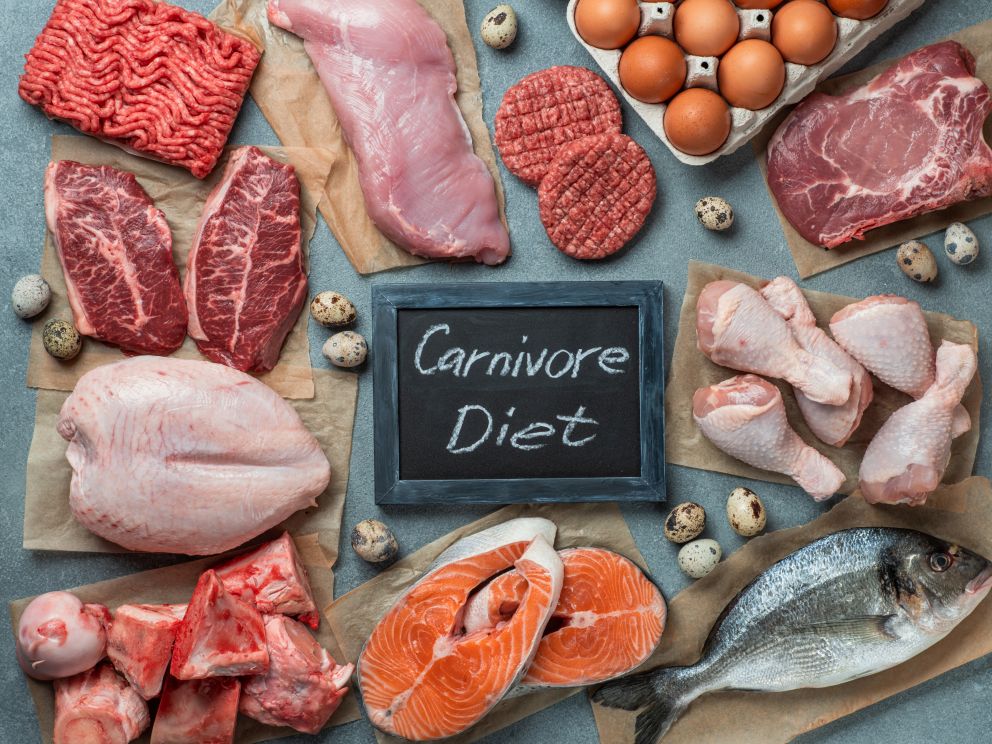
The carnivore diet eliminates all plant foods and relies exclusively on animal products, including meat, poultry, fish, eggs, and animal fats.
Carnivore-suitable beverage options typically include water, sparkling water, and bone or fish broth.
Also known as the zero-carb diet, the carnivore eating style earned its name by eliminating all plant and processed foods, which are the primary source of dietary carbohydrates.
Due to the exclusion of carbs, the carnivore diet removes ingredients that typically provide sugars, starches, and plant compounds. This helps support stable blood sugar levels and reduces cravings due to the steady reliance on protein and fat for energy.
However, because of its restricted nature, this all-meat diet may not meet the body’s demand for fiber and essential micronutrients, including vitamin C, magnesium, potassium, and plant-derived antioxidants.
Over time, a carnivore diet plan may increase the risk of nutrient deficiencies, especially when followed for extended periods without careful planning.
Watch the video below to learn more about the benefits and potential risks of a carnivore diet.
Benefits of the carnivore diet
The carnivore diet is known for its restrictive nature. However, it’s also associated with distinct metabolic benefits.
Here are four potential benefits associated with this all-meat diet.
1. Supports weight loss
As carbohydrate intake is drastically reduced on a carnivore diet, the body can quickly enter ketosis, a unique metabolic state characterized by fat-burning.
This metabolic shift encourages the body to burn fat for energy, which can help reduce hunger signals and support significant changes in body weight.
The high protein content of a meat-based diet may also promote satiety, leading to reduced calorie consumption associated with weight loss.
Moreover, evidence published in the Journal of Obesity & Metabolic Syndrome found that adequate protein intake may help preserve muscle mass and lean tissue, while reducing body fat and increasing energy expenditure.
2. May improve gut health
Certain animal-based foods, such as beef, poultry, fish, and eggs, can promote gut health by providing essential nutrients that benefit digestive function.
These nutrients include vitamin A, glycine, glutamine, and zinc, which support digestion, immunity, and nutrient absorption.
Additionally, many plant foods contain compounds such as phytates and oxalates that may contribute to intestinal irritation and digestive discomfort in some individuals.
Eliminating these foods may help reduce digestive stress and support improved gut comfort for those who are sensitive to these compounds.

3. Promotes steady blood sugar levels
An all-meat diet may help stabilize blood sugar levels by removing dietary carbohydrates, which are the primary contributors to blood sugar elevations and insulin spikes.
“When carbohydrates are unavailable, blood sugar levels remain balanced as the body’s cells begin to rely on fat as a primary fuel source,” explains Dr. Berg.
4. May reduce inflammation
Because the carnivore diet removes sugars and ultra-processed foods, it can help support a more stable metabolic environment and enhance the body’s capacity to regulate inflammation.
A study published in StatPearls found that diets high in heavily processed foods are a main driver of systemic inflammation.
The authors highlight, “The chronic inflammatory state has been identified as a significant contributor to many chronic diseases, including cardiovascular disease, type 2 diabetes, and certain malignancies.”
Moreover, avoiding plant-derived irritants, such as gluten, lectins, and oxalates, may ease gut inflammation in those sensitive to these compounds.

Downsides and potential risks of carnivore
The carnivore diet is highly restrictive, and although it offers numerous health benefits, it also presents unique challenges and is associated with various nutritional disadvantages.
Potential health risks associated with the carnivore diet include:
- Nutrient deficiencies
- “The Fiber Myth: Does Fiber Really Help with Constipation? | Dr. Berg.” drberg.com. https://www.drberg.com/blog/the-fiber-myth
- Digestive discomfort
- Sodium-related water retention
In addition, the carnivore diet may contribute to social and lifestyle strain, as well as an increased risk of calorie imbalance due to its limited food variety.
Carnivore vs. keto for healthy weight loss
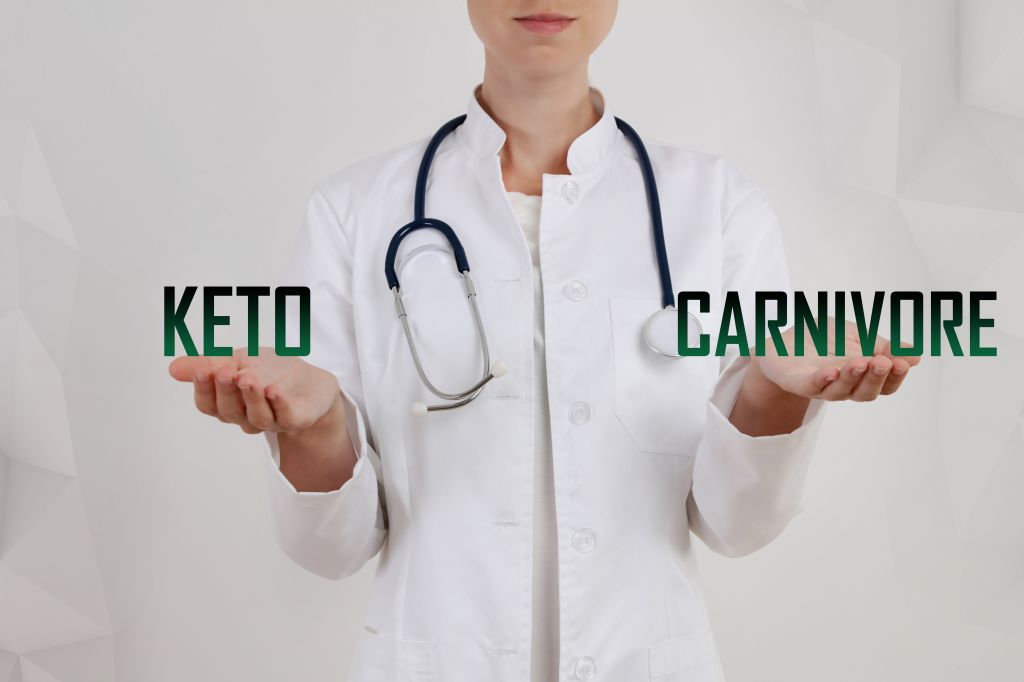
While both carnivore and keto diets are low-carbohydrate meal plans, they differ significantly in terms of food variety and nutritional balance.
Here are three key differences to consider when comparing a carnivore diet and a keto diet.
1. Food variety
A nutrient-focused ketogenic approach, such as Healthy Keto®, offers greater food variety than carnivore.
Healthy Keto emphasizes meat, fish, eggs, non-starchy vegetables, leafy greens, full-fat dairy, seeds, and nuts, making meals more flexible, nutritious, and easier to sustain over time. In contrast, the carnivore diet limits choices to animal products only, creating a highly restrictive eating pattern.
While the strict elimination approach of the meat-only diet can appeal to those seeking simplicity, it also removes fiber and several micronutrients found in plant foods.
As a result, keto generally provides more nutrients, while the carnivore diet prioritizes elimination at the cost of variety.
2. Nutritional balance
The keto diet offers a broader range of nutrients, as it includes both plant and animal foods, providing a spectrum of essential vitamins, minerals, and antioxidants that support digestion and overall nutritional balance.
Although the carnivore diet may provide adequate amounts of meat-derived nutrients, such as vitamin B12, zinc, and selenium, it does increase the risk of nutrient gaps.
This is confirmed by research published in Nutrients, which found that the carnivore diet is generally low in vitamin C, magnesium, calcium, and potassium, and often exceeds recommended sodium levels.
Over time, this can increase the risk of deficiencies, linked to a wide range of health issues, including weak immune defenses, hormonal imbalances, sleep problems, and poor metabolic health.
3. Long-term health implications
The keto diet has been praised for its ability to support metabolic health, stabilize blood sugar levels, and promote sustainable weight management.
This is supported by a study published in StatPearls, reporting, “The ketogenic diet reduces circulating insulin levels, enhances fat oxidation, and induces ketosis, creating physiologic conditions that may benefit individuals with epilepsy, obesity, type 2 diabetes, and certain metabolic disorders.”
The carnivore diet may help relieve symptoms of certain digestive issues and food sensitivities by removing common irritants. However, its restrictive nature and increased risk of nutritional deficiencies make the carnivore diet unsuitable for promoting optimal health and long-term well-being.

Carnivore diet weight loss tips
To achieve and maximize weight loss on a carnivorous diet, it’s vital to prioritize whole, minimally processed animal foods rather than processed meats.
In particular, eating nose-to-tail by including bone broth, skin, and organ meats contributes to a broader nutrient intake and helps maintain satiety.
Additionally, rotating high-quality protein sources, such as steamed fish, grilled shellfish, scrambled eggs, pork chops, steaks, and chuck roast, provides variety while keeping meals simple.
Choosing fatty cuts over leaner options also helps curb hunger and cravings and maximizes the body’s fat-burning potential, both primary factors that promote weight loss.
Key takeaways
- The carnivore diet is a meat-only approach that promotes fat burning and may influence weight and blood sugar regulation.
- Potential benefits may include reduced inflammation and improved appetite control from high-fat and protein intake.
- Downsides of the carnivore diet include limited food variety, risk of nutrient deficiencies, and challenges with long-term sustainability.
- In contrast, Healthy Keto allows for a wider variety of foods, which may help reduce the risk of nutritional gaps while supporting overall health and long-term well-being.
FAQ
- 1. Can you lose weight on the carnivore diet?
- 2. What are the potential risks of the carnivore diet?
- 3. How soon do you see results on a carnivore diet?
- 4. How long should you stay on a carnivore diet?
- 5. What is the ketovore diet?
Sources
- Jaecheol Moon, Gwanpyo Koh. Clinical Evidence and Mechanisms of High-Protein Diet-Induced Weight Loss. Journal of Obesity & Metabolic Syndrome. 2020;29(3):166. doi:10.7570/jomes20028 Clinical Evidence and Mechanisms of High-Protein Diet-Induced Weight Loss. pmc.ncbi.nlm.nih.gov.
- Alexander Scheiber, Victoria Mank. Anti-Inflammatory Diets. 2023. Anti-Inflammatory Diets – StatPearls. ncbi.nlm.nih.gov.
- Sylvia Goedeke, Tamzyn Murphy, Amy Rush, Caryn Zinn. Assessing the Nutrient Composition of a Carnivore Diet: A Case Study Model. Nutrients. 2024;17(1):140. doi:10.3390/nu17010140 https://pmc.ncbi.nlm.nih.gov/articles/PMC11722875/
- Sharon F. Daley, Wajeed Masood, Pavan Annamaraju, Mahammed Z. Khan Suheb. The Ketogenic Diet: Clinical Applications, Evidence-based Indications, and Implementation. 2025. The Ketogenic Diet: Clinical Applications, Evidence-based Indications, and Implementation – StatPearls. ncbi.nlm.nih.gov.
Related Articles
-
Keto vs. Carnivore Diet – Which Is Better?
 Diet
DietKeto vs. Carnivore Diet – Which Is Better?
At a glance Keto and carnivore diets both limit carbohydrates, but they differ significantly in terms of variety, nutritional balance, and long-term sustainability. While a carnivore approach may be useful…04/09/2025 44.5k views -
The Carnivore Diet Vegetable Dilemma
 Diet
DietThe Carnivore Diet Vegetable Dilemma
At a glance The carnivore diet focuses exclusively on animal-based foods. While some carnivore dieters report weight loss and stable energy, eliminating vegetables can lead to deficiencies, poor gut function,…04/09/2025 7.3k views -
What Is the Ketovore Diet? Benefits and Downsides
 Diet
DietWhat Is the Ketovore Diet? Benefits and Downsides
At a glance The ketovore diet combines ketogenic and carnivore principles, emphasizing meat, animal fats, and limited amounts of low-carb vegetables to maintain ketosis and promote fat burning. It may…04/08/2025 7.2k views


