


At a glance
Breaking a fast correctly is crucial to maximizing the health benefits of caloric restriction while minimizing digestive issues. The best foods to break a fast include easily digestible, nutrient-dense options such as non-starchy vegetables, bone broths, soups, light protein sources, and fermented foods.
Fasting is a powerful tool for improving health and well-being as it allows your digestive system to reset, supports detoxification, and helps enhance metabolic functions.
However, how you break your fast can either enhance the benefits of caloric restriction or increase the risk of digestive discomfort, blood sugar fluctuations, and electrolyte imbalances.
Learn about the best food to break a fast to restore energy, replenish nutrients, and minimize the risk of adverse effects.
What is a prolonged fast?
A prolonged fast generally involves fasting for 48 hours or longer, unlike shorter fasts, such as intermittent fasting or a one meal a day (OMAD) regimen.
Prolonged fasting can help reset the digestive system, support immunity, and promote a healthy body weight. It also encourages a deeper state of ketosis, which enhances the body’s ability to utilize stored fat to generate energy.
Extended periods of caloric restriction also stimulate autophagy, a process in which the body breaks down and recycles damaged cells, which promotes cellular repair and enhances overall health.
In addition, prolonged fasting can be an excellent way to jumpstart your body’s natural healing processes and support metabolic flexibility. This may explain why fasting is associated with a lower risk of obesity, insulin resistance, and diabetes.
However, a prolonged fast should be approached with caution, as it places your body under controlled stress to trigger metabolic changes. While this can have many health benefits, it also requires careful management to avoid potential health issues.
Tips for a successful prolonged fast
You can take several proactive measures to help ensure a successful prolonged fast.
One of the best ways to prepare your body is to practice intermittent fasting. This is especially beneficial for those new to fasting as it helps adapt the body to longer periods without food, making the transition into prolonged fasting smoother.
In addition, staying hydrated is essential during fasting, as it triggers metabolic changes that increase fluid loss. This occurs primarily because the breakdown of glycogen stores releases water, leading to greater fluid excretion.
Consequently, many people experience rapid weight loss in the early stages of fasting. This increased fluid loss can also deplete essential minerals, such as sodium, potassium, and magnesium.
“Maintaining healthy mineral levels with a nutrient-dense diet prioritizing minimally processed whole foods before and after each fasting period is crucial to support overall health and well-being,” explains Dr. Berg.
Watch the video below to learn which foods you should eat after a prolonged fast.
What is refeeding syndrome?
Many people think fasting only involves abstaining from food. However, what you eat before and after your fast can significantly affect how effectively your body manages the fasting process and recovers afterward.
For example, introducing hard-to-digest or carbohydrate-rich foods too quickly after an extended prolonged fast or periods of severe malnutrition can lead to a condition known as refeeding syndrome.
During fasting, the body produces fewer digestive fluids and enzymes and lowers insulin levels, which enables the transition from burning glucose to utilizing stored body fat for energy.
Consuming a large meal after a fast, particularly one containing carbohydrates, triggers excessive insulin release. This sudden hormonal change can cause dangerous shifts in the body’s fluid and electrolyte balances associated with potentially severe complications.
Symptoms of refeeding syndrome include:
- Fatigue and weakness
- Confusion
- Muscle cramps
- Muscle pain
- Irregular heartbeat or palpitations
- High blood pressure
- Shortness of breath
- Fluid retention and swelling
- Nausea
- Vomiting
- Abdominal discomfort
In severe cases, refeeding syndrome can be life-threatening as it can cause heart failure, seizures, coma, and even death.
For this reason, it’s crucial to carefully plan all stages of a prolonged fast and consume food low in carbs when breaking your fast to minimize the risk of refeeding syndrome.

How to break a prolonged fast safely
Eating easily digestible, nutrient-dense foods that won’t significantly spike blood sugar and insulin levels is vital to avoid refeeding symptoms after a fast.
This will also help stimulate the release of digestive enzymes and encourage bile and stomach acid production for efficient digestion.
Salad greens, steamed or cooked vegetables, fermented foods, and easy-to-digest protein sources, such as eggs, broth, or fish, are all great options for your first few meals after a fast.
Avoid foods high in carbohydrates, sugars, fats, and dense proteins such as red meat. Instead, focus on small portions of suitable foods and closely monitor how your body responds.

The best food to break a fast
After a prolonged fast, it’s essential to slowly reintroduce easily digestible foods to support your body’s recovery and avoid overwhelming your digestive system.
Here are four of the best foods to break a fast.
1. Vegetables
Low-starch vegetables such as cucumbers, zucchini, and leafy greens contain very few calories and are packed with fiber. They also offer essential nutrients and are gentle on the digestive system, thereby helping ease your body back into eating.
Additionally, consuming these easy-to-digest vegetables helps stimulate the release of digestive enzymes needed to promote optimal digestion after a fast.
The high fiber content of vegetables also helps stabilize blood sugar levels, which can mitigate some of the potentially harmful effects of eating carbohydrate-rich foods after fasting.
Research published in Bioscience, Biotechnology, and Biochemistry found that consuming salads before carbohydrate sources can help balance insulin levels and lower post-meal glucose levels.1
2. Bone broth
Bone broth is another nutrient-dense, low-calorie option that’s easy to digest and provides essential minerals and electrolytes to help restore mineral balance and support metabolic health.
Bone broth also contains collagen and amino acids, which support tissue repair and reduce inflammation, making it an excellent choice to break a prolonged fast.
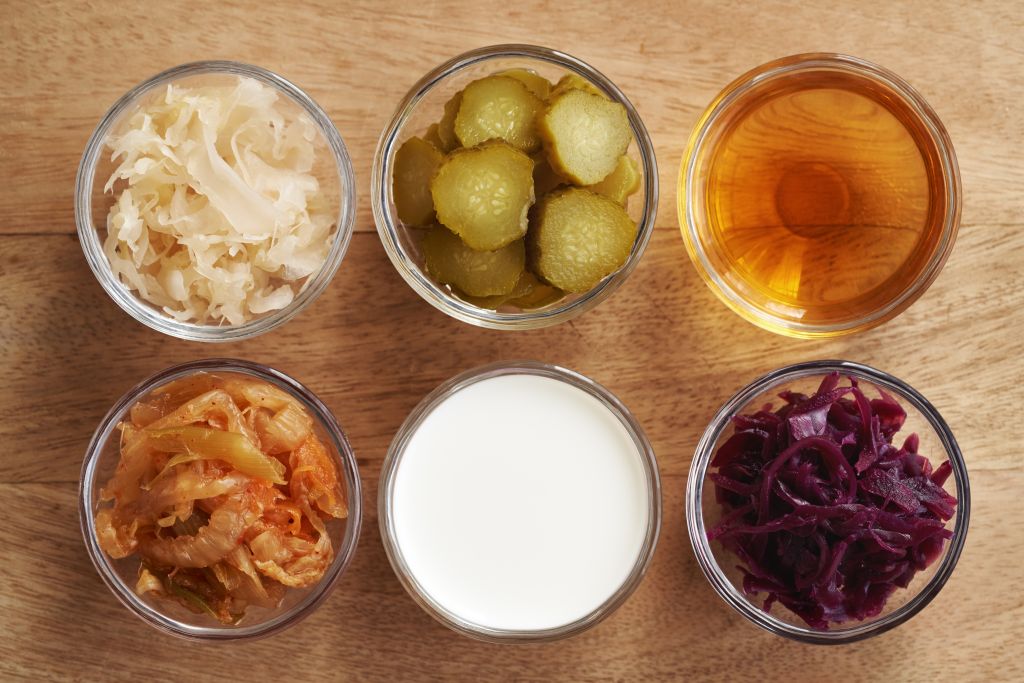
3. Fermented foods
Fermented foods such as sauerkraut and kimchi are excellent choices to follow up a fast due to their high probiotic and prebiotic content. These foods also promote the stomach’s acidity and enhance digestion, supporting a smoother transition back to regular eating.
Another way to support stomach acidity is to drink diluted apple cider vinegar—about one teaspoon in a glass of water—right before a meal. This can help balance your stomach’s pH and enhance the breakdown of food.
4. Light proteins
For protein, opt for lighter options, including eggs, chicken, and fish. These are easier for your body to digest than heavier options such as red meat.
In addition, it’s best to pair light proteins with small amounts of healthy fats and fiber, such as in a small salad dressed with extra virgin olive oil. This combination supports optimal nutrient absorption and provides balanced energy while minimizing digestive discomfort.

What not to eat to break a fast
When breaking a fast, it’s crucial to avoid foods that trigger insulin spikes or place unnecessary strain on your digestive system.
High-carbohydrate foods, such as bread, pasta, and sugary desserts, tend to cause significant blood sugar and insulin fluctuations, which can increase the risk of refeeding syndrome and its associated symptoms.
Avoid large meals and heavy proteins such as red meat as these can be difficult to digest and can lead to bloating, indigestion, and general digestive discomfort, especially after a prolonged fast.
While healthy fats such as coconut oil and butter offer health-promoting fatty acids, eating large amounts of fats following a prolonged fast isn’t recommended.
The absorption of fat requires bile, and since bile production decreases during a fast, digesting fats can be more challenging. This can lead to nausea and delayed gastric emptying as the body struggles to process fats efficiently.
Key takeaways
- The best food to break a fast safely includes low-carb, nutrient-dense options such as bone broth, lightly-cooked vegetables, eggs, fish, chicken, and fermented foods.
- It’s best to start with small portions to gently stimulate digestion without causing gut discomfort, bloating, or nausea.
- Avoid high-carb or sugary foods or heavy protein sources immediately after a fast to reduce the risk of digestive problems and metabolic imbalances.
- Gradually reintroduce more complex low-carb meals as the digestive system adjusts.
FAQ
- 1. What is the best food to break a fast?
- 2. How many calories will break a fast?
- 3. Do I need to be careful when breaking a fast during intermittent fasting?
- 4. Are eggs good to break a fast?
- 5. How should I break a 72-hour fast?
Source
Related Articles
-
What to Eat After a 72-Hour Fast and What to Avoid
 Diet
DietWhat to Eat After a 72-Hour Fast and What to Avoid
At a glance A 72-hour fast shifts the body toward greater reliance on stored fat and changes how nutrients are handled when eating is resumed. Reintroducing food afterward can affect…09/18/2026 -
Fasting and Cancer: What to Know
 Fasting
Fasting and Cancer: What to Know
At a glance Fasting has been increasingly studied for its potential role in cancer prevention and support during treatment. By influencing cellular metabolism, promoting autophagy, and modulating immune function, fasting…07/16/2026 -
36-Hour Fasting: Benefits, Safety, and How It Works
 Diet
Diet36-Hour Fasting: Benefits, Safety, and How It Works
At a glance A 36-hour fast is a prolonged fasting strategy that shifts the body into ketosis, promoting fat burning, improved insulin sensitivity, and cellular repair through autophagy. These metabolic…06/25/2026 -
Does Fasting Help with Inflammation?
 Diet
DietDoes Fasting Help with Inflammation?
At a glance Fasting is a powerful tool for reducing inflammation and supporting overall health. By promoting fat burning and activating cellular repair processes, fasting can help lower pro-inflammatory markers.…06/05/2026 -
Fasting and Working Out: What You Should Know
 Fasting
Fasting and Working Out: What You Should Know
At a glance Fasting and working out can be beneficial for metabolic health. While fasted exercise may accelerate fat oxidation and improve insulin sensitivity, maintaining proper hydration and a healthy…05/07/2026 -
How Many Calories Break a Fast?
 Fasting
How Many Calories Break a Fast?
At a glance Fasting keeps insulin levels low, allowing the body to burn stored fat and activate cellular repair processes. While any amount of calories technically breaks a fast, different…04/16/2026 -
Do Vitamins Break a Fast? What to Take and What to Avoid
 Fasting
Do Vitamins Break a Fast? What to Take and What to Avoid
At a glance While it’s crucial to support nutrient balance during fasting, certain dietary supplements are formulated with ingredients that can trigger insulin release and break the metabolic fasting state.…04/10/2026 -
Does Bone Broth Break a Fast?
 Diet
DietDoes Bone Broth Break a Fast?
At a glance While bone broth is often considered fasting-friendly, it does contain calories and amino acids that can interrupt the metabolic state of fasting. While it’s rich in collagen,…03/27/2026 -
3 Tips to Avoid Overeating After Fasting
 Diet
Diet3 Tips to Avoid Overeating After Fasting
At a glance Overeating after fasting is a common rebound effect influenced by changes in hunger and satiety signaling. However, breaking a prolonged fast with the wrong foods may cause…03/20/2026 -
Do Artificial Sweeteners Break a Fast?
 Diet
DietDo Artificial Sweeteners Break a Fast?
At a glance Artificial sweeteners may seem like a convenient sugar substitute, especially during intermittent fasting. However, these synthetic, non-caloric sweeteners can disrupt the body’s fasting metabolism and may reduce…03/19/2026


