

At a glance
Post-cholecystectomy syndrome refers to ongoing or new digestive symptoms that continue after gallbladder removal. Discomfort can stem from physical changes in the bile ducts, altered digestion, or separate underlying gastrointestinal conditions. Identifying the underlying source of discomfort and practicing supportive dietary habits may help promote overall digestive comfort.
Gallbladder removal is one of the most common surgical procedures in the United States.
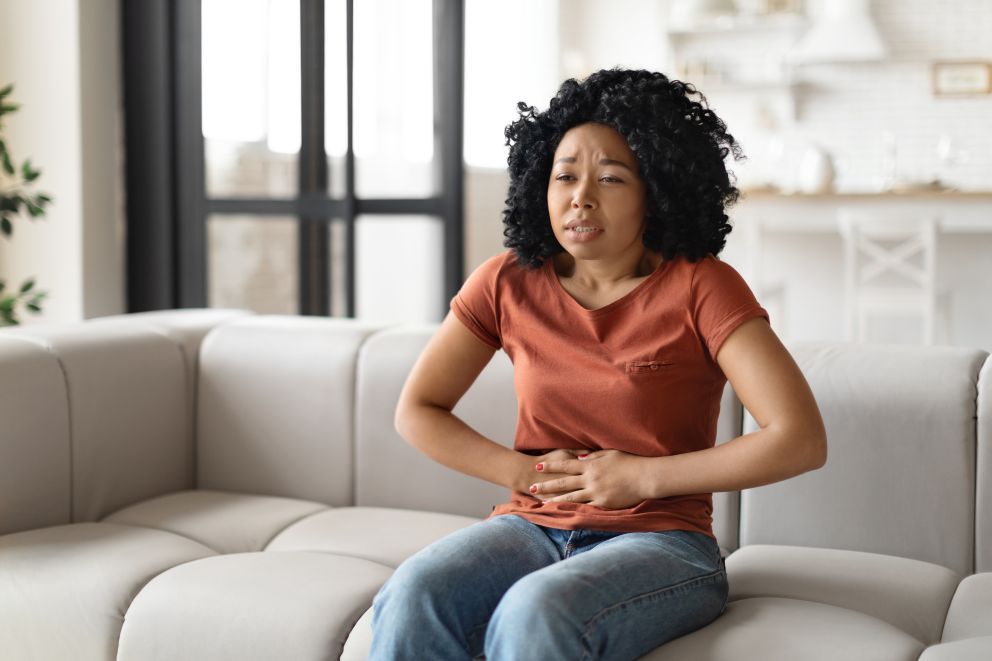
While many expect it to resolve their issues permanently, some individuals go on to experience post-cholecystectomy syndrome. This collection of symptoms can include bloating, indigestion, abdominal discomfort, and loose stools.
Discover why symptoms can persist after gallbladder surgery, what may be driving them, and how to support healthy digestion.
What is post-cholecystectomy syndrome?
Post-cholecystectomy syndrome (PCS) is an umbrella term used to describe the development, return, or persistence of gastrointestinal symptoms after gallbladder removal surgery (cholecystectomy). PCS is not a single disease, and the symptoms that occur are not always caused by the operation itself.
Normally, the gallbladder acts as a reservoir for bile, a fluid made by the liver that helps the body absorb fats and fat-soluble vitamins as well as remove certain waste products.
When you eat, the gallbladder contracts to release a concentrated burst of bile into the small intestine.
Over time, imbalances in bile production, composition, or release can lead to gallstones. If gallstones cause severe pain or clinical complications, removing the organ may be recommended.
Because PCS can stem from several distinct causes and risk factors, it can be challenging to diagnose.
Some people experience mild symptoms soon after surgery that naturally improve as the body adjusts. Others develop persistent or severe symptoms months or even years later.
Symptoms commonly associated with PCS include the following:
- Upper abdominal pain, often on the right side
- Bloating and gas
- Nausea or indigestion
- Fatty food intolerance
- Loose or urgent stools after meals
When to seek medical care
Some symptoms require prompt medical evaluation, including severe or worsening abdominal pain, yellowing of the skin or eyes, fever or chills, dark urine, pale stools, or persistent vomiting. These warning signs may indicate an infection or a blocked bile duct.
Watch the video to learn more about the potential complications of having your gallbladder removed.
Why symptoms persist after gallbladder removal
According to a review published in Annals of Medicine, PCS can be driven by structural issues in the bile system, conditions elsewhere in the digestive tract, or functional disorders that were not resolved by the surgery. In some cases, no clear physical cause is found.
Generally, the potential sources of PCS symptoms fall into three categories.
1. Bile duct and structural issues
Some PCS symptoms come from physical problems in the bile ducts, which are the tubes that connect the liver and small intestine.
A possible structural cause is a retained or recurrent common bile duct stone, which can block bile flow and cause sharp pain. Stones can also form in parts of the cystic duct—the tube that normally connects the gallbladder to the common bile duct—left behind after surgery.
Bile duct injury from surgical complications is less common but can cause pain linked to minor bile leaks or scar tissue that narrows the duct.
Another potential cause is sphincter of Oddi dysfunction. The sphincter of Oddi is a small muscle that controls the flow of bile and pancreatic juice into the small intestine. If it spasms or doesn’t relax properly, bile can back up and cause biliary tract pain.
2. Altered bile flow and digestion
Removing the gallbladder permanently changes how bile behaves in the digestive tract, which can lead to localized discomfort.
“The digestive changes from not having a gallbladder often have to do with changes in how bile flows,” explains Dr. Berg. “Without a gallbladder, bile is no longer stored and concentrated before meals. Instead, it flows more continuously from the liver into the small intestine, which may affect digestion in some people.”
In a healthy system, the gallbladder absorbs water and electrolytes to concentrate bile. This helps bile salts emulsify dietary fats and support their absorption. According to the Merck Manual, “In the gallbladder, up to 90% of the water in bile is absorbed into the bloodstream, making the remaining bile very concentrated.”
Without this storage function, bile flows more continuously from the liver into the small intestine. Because bile is no longer stored and concentrated in the gallbladder, some people may have difficulty digesting large, high-fat meals, which can contribute to post-meal bloating and gas.
Furthermore, when excess bile acids reach the large intestine, they can increase fluid secretion and speed up bowel transit, which may lead to loose or urgent stools.
3. Overlapping conditions
In some cases, digestive discomfort may relate to other underlying conditions that aren’t primarily caused by the gallbladder.
Functional gastrointestinal disorders (FGIDs)—such as functional dyspepsia and irritable bowel syndrome (IBS)—may mimic the upper abdominal pain and distress of a gallbladder attack.
As highlighted in a study published in the World Journal of Gastroenterology, “Only one third of patients with FGID experienced postoperative relief, indicating that FGID was a dominant cause of post-cholecystectomy symptoms.”
In addition, a meta-analysis published in Frontiers in Medicine indicates that undergoing a cholecystectomy may be associated with other conditions, such as gastroesophageal reflux disease (GERD), which can cause upper abdominal or chest symptoms that may resemble gallbladder-related pain.
How to support digestion without a gallbladder
Alongside any treatment your healthcare provider recommends, targeted dietary and lifestyle strategies may help support digestive comfort.
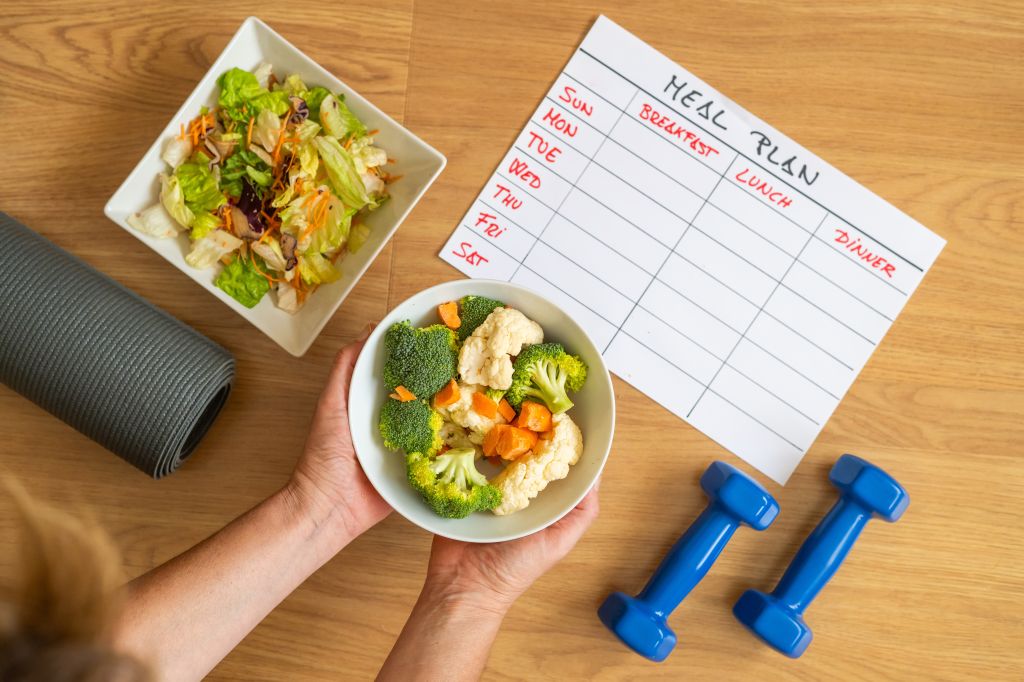
Here are four ways to support comfortable digestion.
1. Eat smaller, balanced meals
Because bile is released more continuously after gallbladder removal, moderate meal sizes may be easier to digest than large, heavy meals. Additionally, spreading dietary fat evenly across meals rather than consuming it all at once may also help reduce discomfort and support more efficient digestion.
2. Consider a modified low-carbohydrate eating plan
Diets high in refined carbohydrates and ultra-processed foods may negatively affect metabolic health and gut microbial balance, particularly when they make up a large portion of an individual’s diet.
According to a review published in Nutrients, regularly consuming ultra-processed foods may influence gut microbial balance and intestinal barrier function.
Under professional guidance, transitioning to a nutrient-dense, lower-carbohydrate eating pattern—incorporating moderate amounts of healthy fats spread gradually across meals, quality proteins, and non-starchy vegetables—may help support metabolic health and digestive comfort in some people.
According to a review published in Annals of Medicine, a ketogenic diet may be feasible after gallbladder removal, although particular caution and professional guidance are recommended. Steps can include gradually introducing fats, spreading fat intake across smaller meals, and using medium-chain triglycerides (MCTs), a type of fat that requires less bile for digestion.
3. Eat nutrient-rich vegetables
Bitter greens such as arugula and dandelion greens, along with cruciferous vegetables such as broccoli and kale, provide fiber and beneficial nutrients. Beets and beet greens may also contribute beneficial nutrients to a balanced diet.
4. Be selective about cooking methods
Certain cooking methods, such as deep frying or heavy pan-searing, typically use large amounts of fat that can be absorbed by foods and may be easy to overlook when tracking meals. This extra fat may contribute to post-meal discomfort in some people.
Paying close attention to how meals are prepared and choosing methods like baking, steaming, or grilling can help you control fat intake and support easier digestion.
Key takeaways
- Post-cholecystectomy syndrome (PCS) describes digestive symptoms that persist or develop after gallbladder removal.
- Without a gallbladder, bile flows more continuously, which may contribute to digestive discomfort in some people, particularly after high-fat meals.
- Symptoms may also stem from bile duct problems or overlapping conditions.
- Smaller meals, a nutrient-dense eating pattern, nutrient-rich vegetables, and lighter cooking methods may help support digestive comfort.
FAQ
- 1. How long does post-cholecystectomy syndrome last?
- 2. Can you still get gallstone pain without a gallbladder?
- 3. Can PCS symptoms appear years after surgery?
Sources
- https://pmc.ncbi.nlm.nih.gov/articles/PMC12044903/
- https://www.merckmanuals.com/home/liver-and-gallbladder-disorders/biology-of-the-liver-and-gallbladder/gallbladder-and-biliary-tract
- https://www.wjgnet.com/1007-9327/full/v18/i12/1365.htm
- https://www.frontiersin.org/journals/medicine/articles/10.3389/fmed.2024.1420462/full
- https://pmc.ncbi.nlm.nih.gov/articles/PMC11901572/
- https://www.tandfonline.com/doi/full/10.1080/07853890.2025.2603016