

At a glance
A gallbladder diet focuses on maintaining healthy bile composition, cholesterol balance, and normal gallbladder activity. Nutrient-dense foods provide essential vitamins, minerals, and healthy fats that contribute to these processes. Along with dietary choices, maintaining a healthy weight and supporting metabolic health play important roles in long-term gallbladder health.
The foods you eat can affect how well your gallbladder functions, particularly in storing and releasing the bile needed for fat digestion.
Poor dietary habits may contribute to gallstone formation, while a balanced diet can help maintain normal gallbladder function.
Knowing which foods to eat and which to limit can help you make better dietary choices to support gallbladder health.
What is the gallbladder?
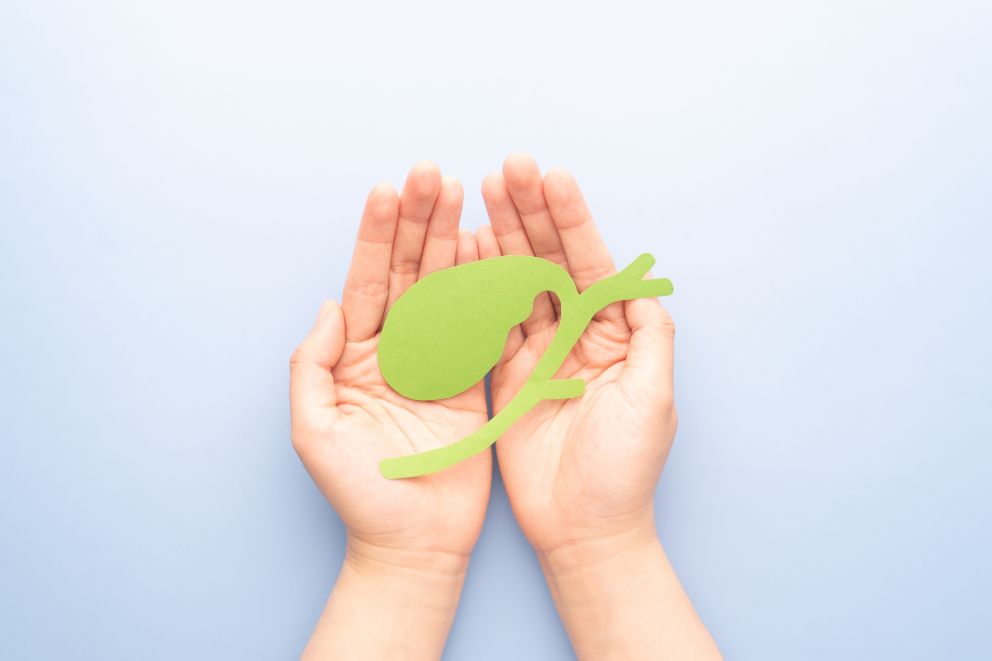
The gallbladder is a small, pear-shaped organ located beneath the liver on the upper right side of the abdomen.
This organ is part of the biliary system, which includes the liver and a network of ducts that transport bile throughout the digestive tract.
The liver continuously produces bile, a digestive fluid containing bile salts, cholesterol, bilirubin, and water.
Between meals, the gallbladder stores and concentrates this fluid by absorbing excess water.
When fat-containing food enters the small intestine, the hormone cholecystokinin (CCK) signals the gallbladder to contract, releasing concentrated bile through the bile ducts into the intestine.
Bile helps break large fat droplets into smaller ones, allowing digestive enzymes to work more effectively. It also supports the absorption of fat-soluble vitamins A, D, E, and K.
Beyond digestion, bile helps the body eliminate certain waste products, including excess cholesterol and bilirubin.
Watch the video below to learn how gallbladder removal can affect your body years after surgery.
How does diet affect gallbladder health?
Diet affects bile flow, cholesterol metabolism, and how often the gallbladder empties, which can influence the risk of gallstone formation.
When bile contains more cholesterol than it can keep dissolved, small crystals can form and gradually develop into gallstones.
Insulin resistance and changes in cholesterol metabolism may increase this risk by promoting excess cholesterol production in the liver and its release into bile.
According to a review published in Current Medicinal Chemistry, dietary patterns high in refined sugars and low in fiber are associated with an increased risk of cholesterol gallstones.
The researchers also identified potential protective effects of monounsaturated fats and dietary fiber, highlighting the importance of nutrient quality in maintaining gallbladder health.
Dietary fat helps stimulate gallbladder contractions, whereas very-low-calorie diets and rapid weight loss can reduce gallbladder emptying and increase the risk of gallstones.
Although diet is only one factor affecting gallbladder issues, healthy eating habits may help maintain normal gallbladder function and reduce certain risk factors for gallstone development.
Foods to support a healthy gallbladder
Choosing nutrient-dense whole foods can help maintain healthy digestion and provide nutrients involved in liver health and gallbladder function.
Here are six foods that can fit into a gallbladder-friendly diet.
1. Healthy fats
Avocados, extra-virgin olive oil, and olives are rich in monounsaturated fats, which have been associated with a lower risk of cholesterol gallstones.
Avocados provide vitamin E, fiber, and potassium, while extra-virgin olive oil contains polyphenols known for their antioxidant properties.
However, for individuals with active gallbladder disease, dietary fat can stimulate gallbladder contractions and may trigger discomfort, so portion sizes should be matched to personal tolerance.
2. Cruciferous vegetables
Glucosinolates are natural sulfur compounds found in broccoli, cauliflower, Brussels sprouts, cabbage, and kale that contribute to their distinctive flavors.
When chopped or chewed, these compounds break down into active substances like sulforaphane and indole-3-carbinol, which may support antioxidant defenses and influence liver enzyme activity.
In turn, these metabolites may influence oxidative stress responses and hormone metabolism.
Beyond glucosinolates, the dietary fiber in cruciferous vegetables also supports digestion by influencing how bile acids are processed in the gut.
3. Fatty fish
Omega-3 fatty acids found in salmon, sardines, herring, and mackerel play an important role in maintaining healthy triglyceride levels and supporting normal metabolic function.
Two particularly beneficial omega-3s are eicosapentaenoic acid (EPA) and docosahexaenoic acid (DHA), which are naturally abundant in these fish.
Research published in Frontiers in Nutrition suggests that a higher dietary intake of omega-3 polyunsaturated fatty acids is associated with lower odds of gallstones in women.
Beyond these healthy fats, fatty fish supply vitamin B12, selenium, and high-quality protein, making them a great addition to a gallbladder-friendly diet.

4. Leafy greens
Spinach, Swiss chard, romaine lettuce, and dandelion greens are nutrient-dense vegetables that fit well into a balanced diet supporting overall digestion and gallbladder health.
Among their key minerals is magnesium, which is particularly abundant in spinach and Swiss chard. This mineral helps support normal smooth muscle contraction and relaxation.
Romaine lettuce adds helpful amounts of vitamin K, folate, and protective antioxidants, contributing extra volume and micronutrients with very few calories.
Because they’re low in carbohydrates and provide dietary fiber, incorporating a variety of leafy greens is a practical way to promote healthy digestion.
5. Nuts and seeds
Nuts and seeds may support lipid health by supplying nutrients involved in cholesterol and bile acid metabolism.
“Walnuts deliver unsaturated fats, including alpha-linolenic acid (ALA). This plant-based omega-3 fatty acid helps maintain healthy blood lipid levels,” explains Dr. Berg.
Chia and ground flaxseeds provide soluble fiber that may help increase bile acid elimination through the intestines.
To replace these lost bile acids, the liver uses cholesterol to produce more bile acids, a process that may help lower LDL cholesterol levels.
Almonds offer magnesium for healthy muscle function and vitamin E to protect cells against oxidative damage.
Choosing raw or dry-roasted nuts and unsweetened seeds delivers these targeted benefits without the added sugars or refined oils often found in processed snacks.
6. Fermented vegetables
Naturally fermented foods, including sauerkraut, kimchi, and fermented cucumbers, can contain live beneficial bacteria produced during fermentation.
Certain intestinal bacteria produce enzymes that modify bile acids, influencing how these compounds are processed and recycled between the intestines and liver.
To obtain live cultures, choose naturally fermented, unpasteurized vegetables without added sugars.
Look for refrigerated products labeled as containing live cultures, rather than vegetables preserved only in vinegar.

Foods to limit or avoid for gallbladder health
Certain foods may increase the risk of gallstone formation by contributing to insulin resistance, weight gain, and unhealthy cholesterol levels.
People with existing gallbladder problems may also experience discomfort after certain meals, making food choices particularly important.
The following are some foods to limit or avoid to support gallbladder health:
- Refined carbohydrates such as white bread, pasta, and pastries
- Sugary foods and beverages, including soda, candy, and sweetened desserts
- Fried and greasy foods, particularly deep-fried meats and fast food
- Foods prepared with repeatedly heated vegetable oils
- Processed meats such as sausages, hot dogs, and deli meats
Tips for maintaining a healthy gallbladder
Excess abdominal fat is associated with a greater risk of gallstones, making long-term weight management an important consideration.
If you are overweight, aim for gradual weight loss rather than restrictive crash diets, which can actually increase the likelihood of gallstone formation.
If you practice intermittent fasting, meeting your nutritional needs during eating periods is especially important, and anyone with existing gallbladder disease should discuss fasting with a healthcare provider.
Physical activity is equally valuable. Brisk walking, cycling, swimming, or strength training can improve insulin sensitivity and help prevent excess weight gain, both of which are important for reducing gallstone risk.
Beyond diet and exercise, adequate sleep and stress management contribute to better metabolic health by helping regulate appetite, energy levels, and blood sugar.

When to see a healthcare provider
Persistent or recurring pain in the upper right abdomen, especially after meals, may indicate gallstones or another gallbladder condition.
The discomfort can spread to the back or right shoulder and may be accompanied by nausea or vomiting.
A healthcare provider can assess these symptoms through blood tests and imaging, such as an abdominal ultrasound, to identify possible gallstones or inflammation.
Seek immediate medical attention if you experience severe abdominal pain, fever, chills, or jaundice, which causes yellowing of the skin or eyes.
Dark urine, pale stools, and persistent vomiting may also signal a serious complication requiring urgent evaluation.
While dietary changes can help maintain gallbladder health, they can’t treat bile duct blockages or infections, making appropriate medical care essential.
Key takeaways
- The gallbladder stores and releases bile, which helps digest fats and absorb fat-soluble vitamins.
- A gallbladder-friendly diet can include healthy fats, cruciferous vegetables, and fatty fish.
- Limiting refined carbohydrates, added sugars, and heavily processed foods can support healthy cholesterol metabolism and gallbladder function.
- Maintaining a healthy weight, staying physically active, and avoiding rapid weight loss may help reduce the risk of gallstones and support overall health.
FAQ
- 1. What are the 5 F’s for gallbladder?
- 2. What should I drink to calm gallbladder symptoms?
- 3. What are the worst foods for the gallbladder?
- 4. What are the first signs of gallbladder issues?
- 5. Can I tell if I need gallbladder surgery?